The Symptom
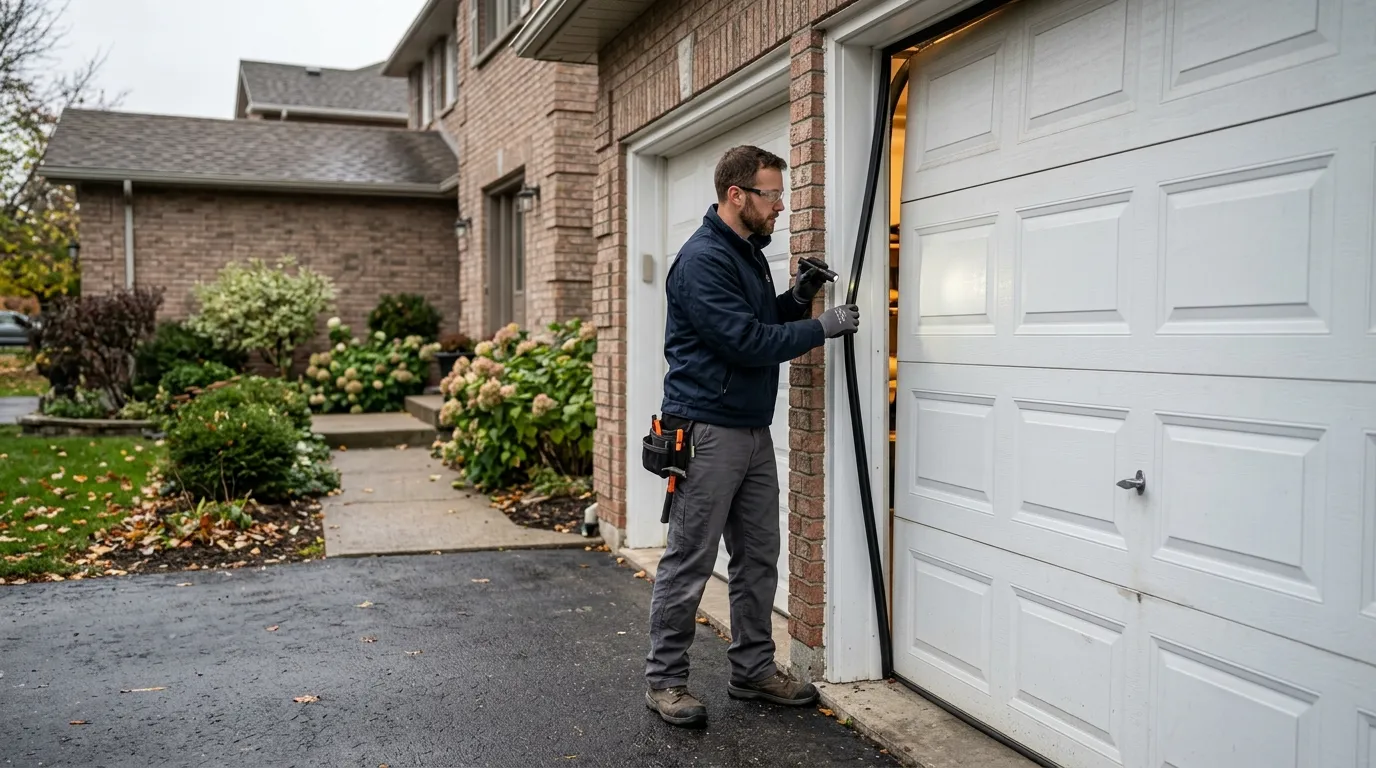
A dented or rusted-through panel on a Memphis garage door is usually original. The median house here dates to 1958, a good 20 years ahead of the median across the wider Port Huron service area, which sits closer to 1978. That means a lot of the doors we get called out to see have never had a single hardware swap - same rollers, same hinges, same panel skin the house was built with. When one section finally gives out, whether from a backed-into corner or 60-plus winters of rust working through the seams, you're not dealing with a five-year-old door. You're dealing with a door that's outlived several owners and never been touched. The panel is what fails first because it's the thinnest steel on the whole assembly, and on a door this old it's had the most time to corrode from the inside where condensation sits against untreated metal. Everything else on the door - track, spring, opener if one was ever added - has usually been coasting on borrowed time right alongside it.
How We Fix It
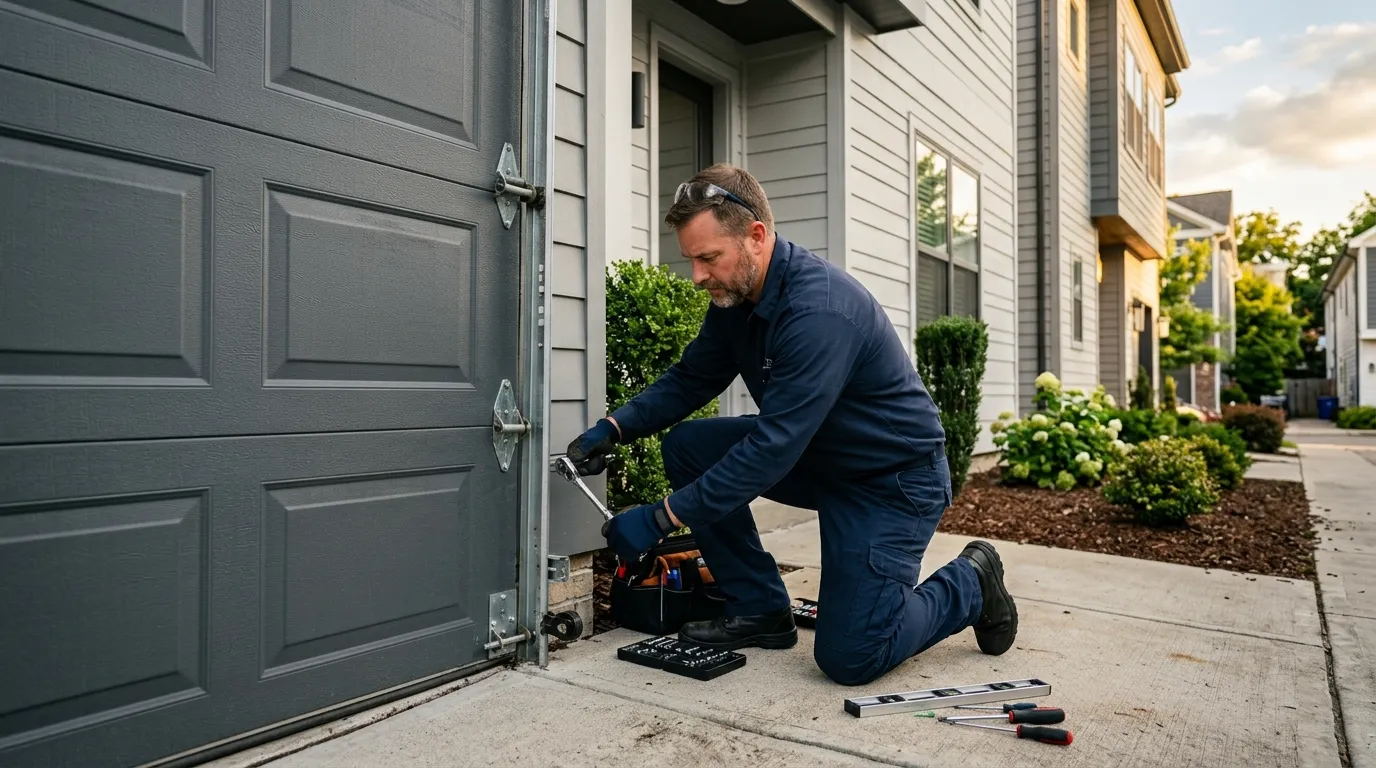
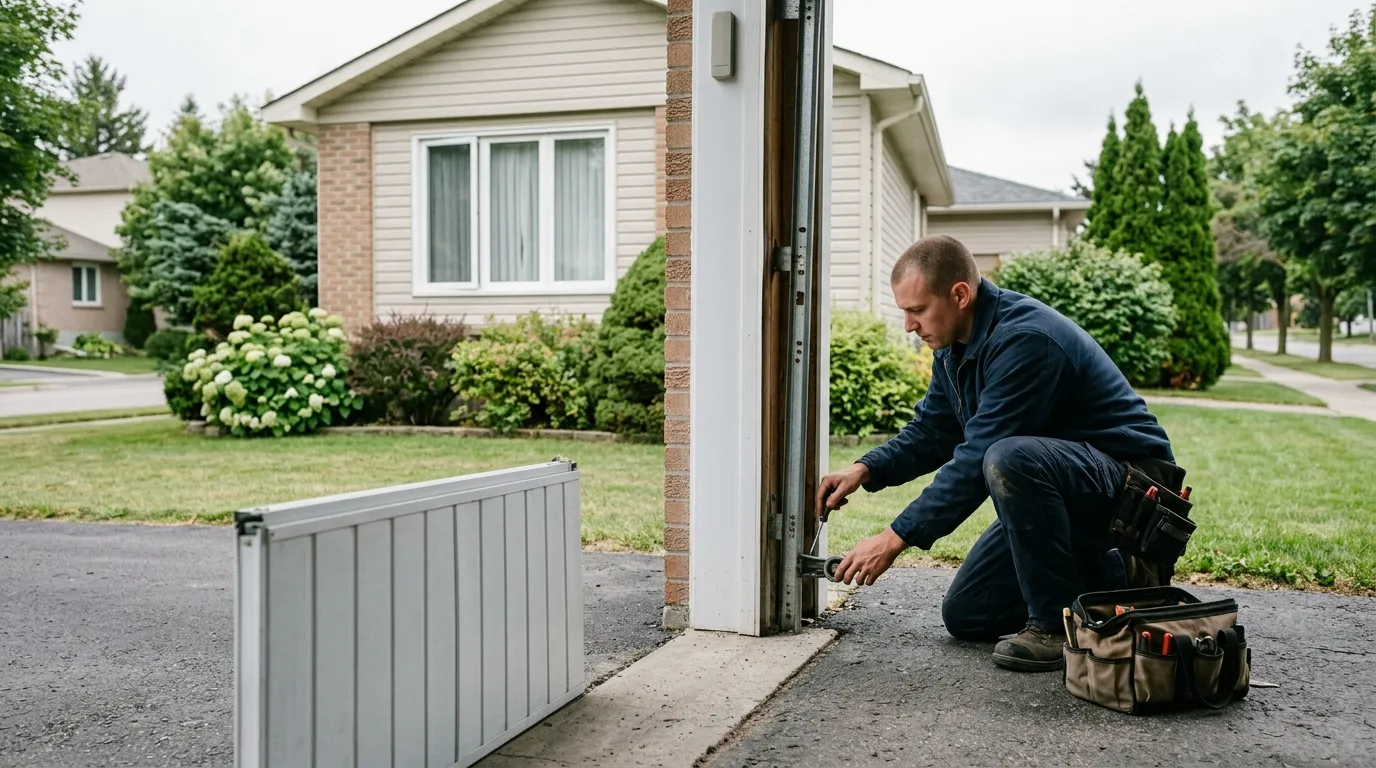
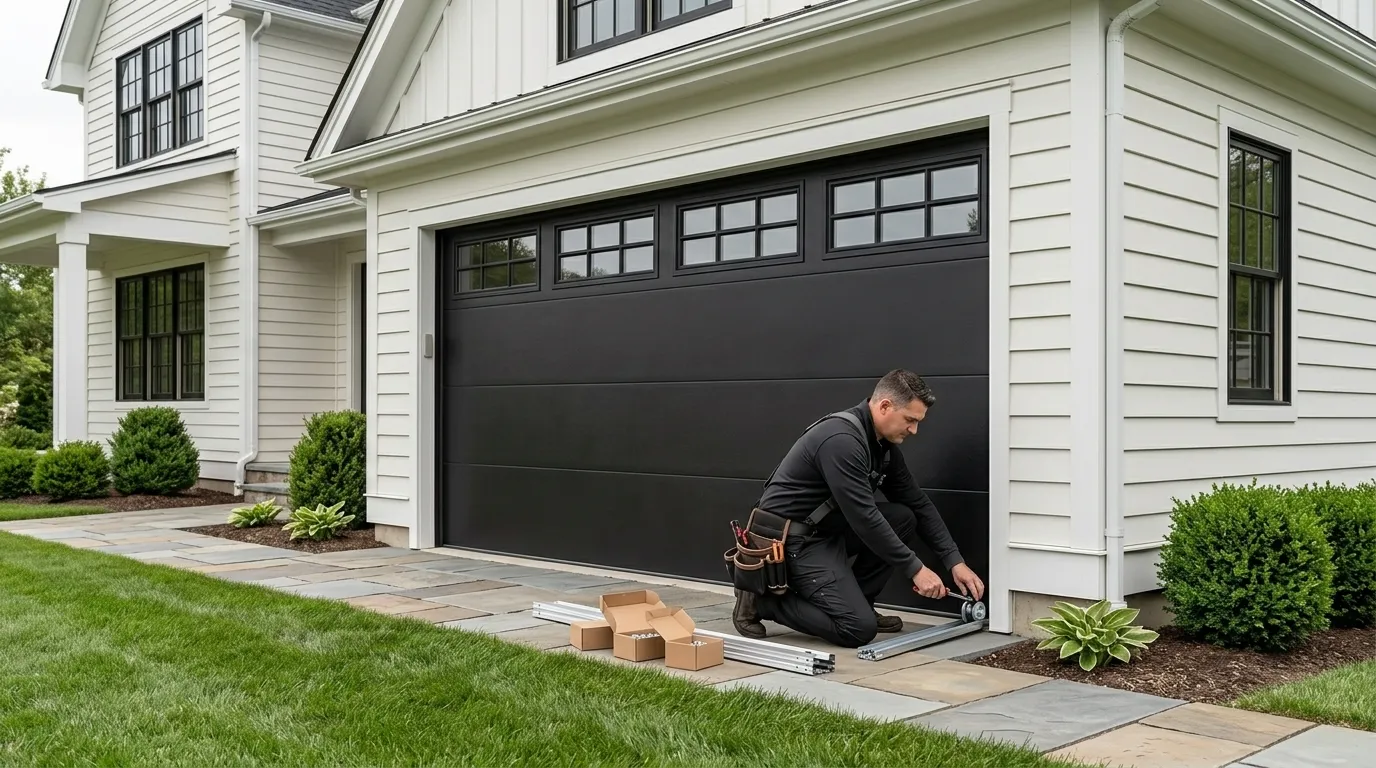
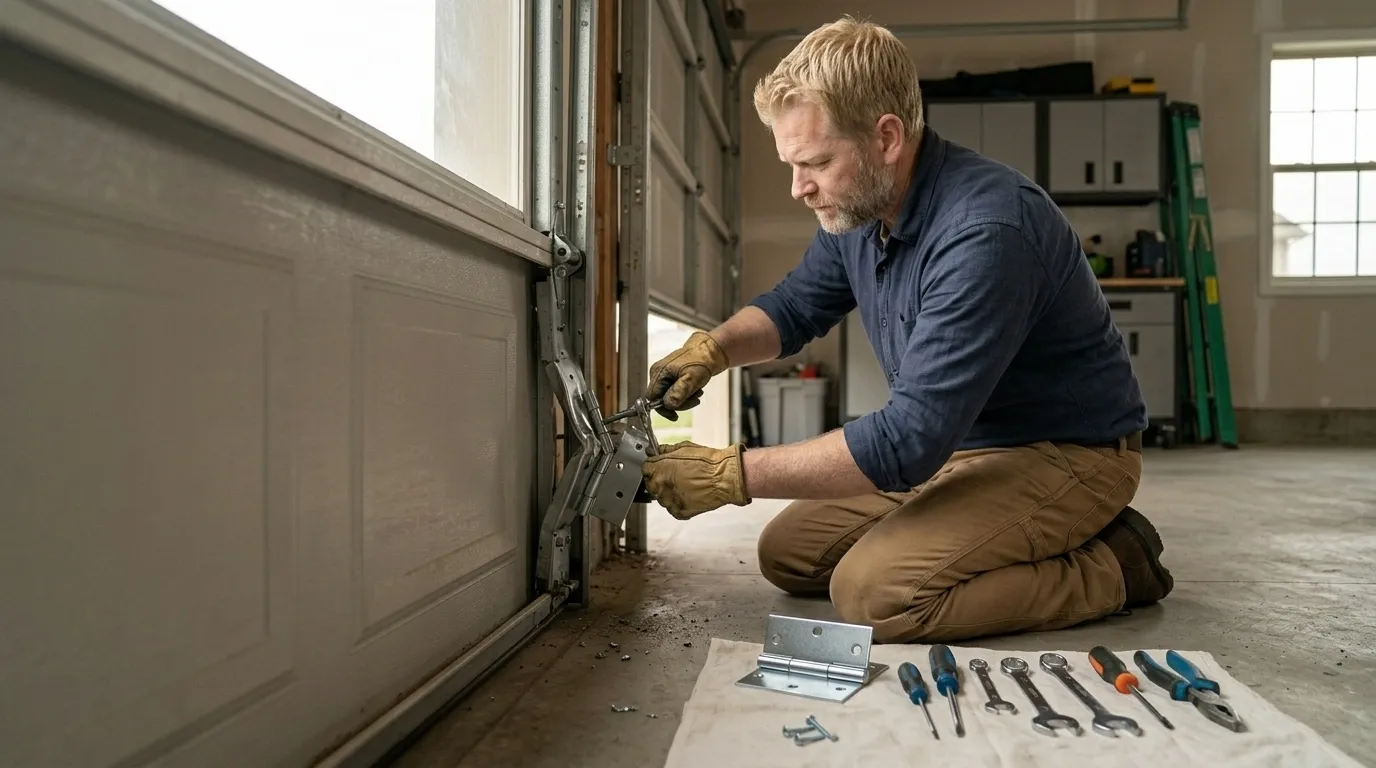
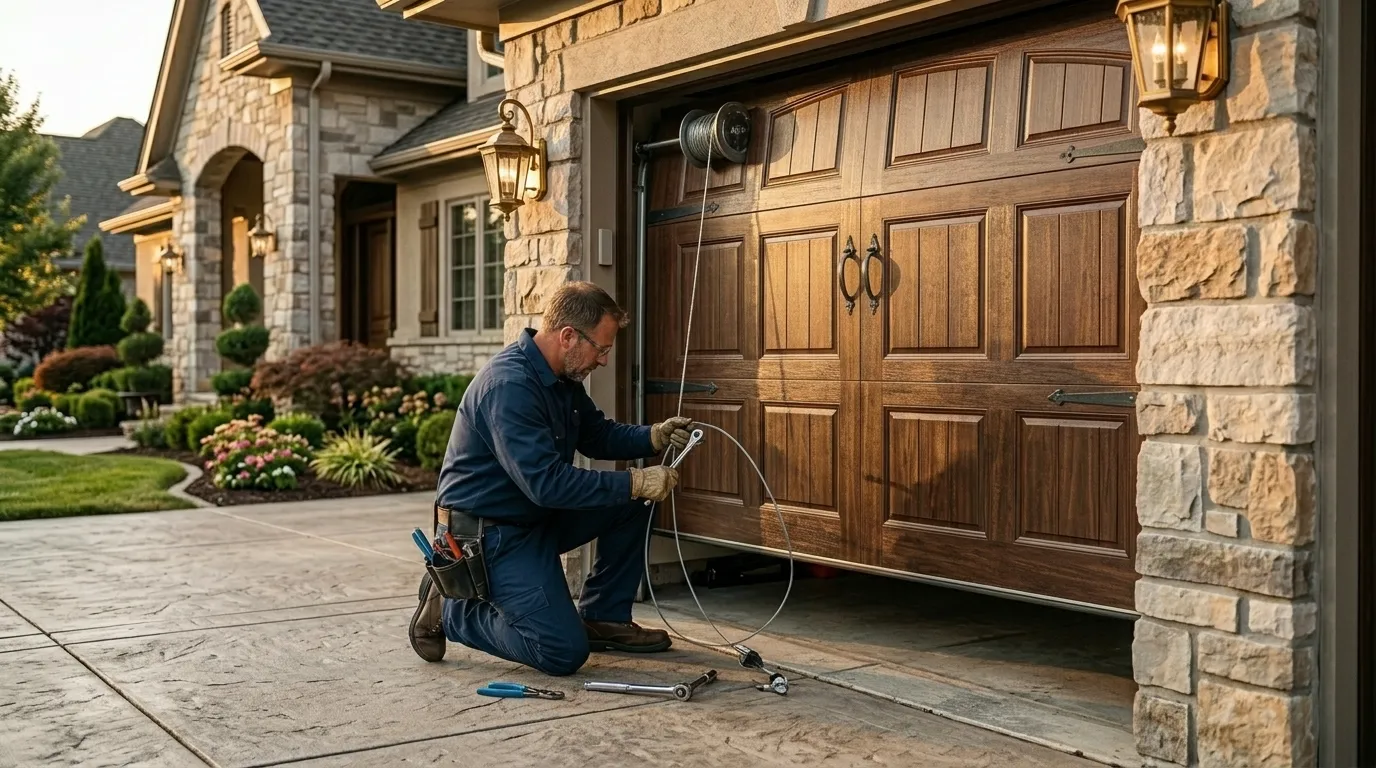
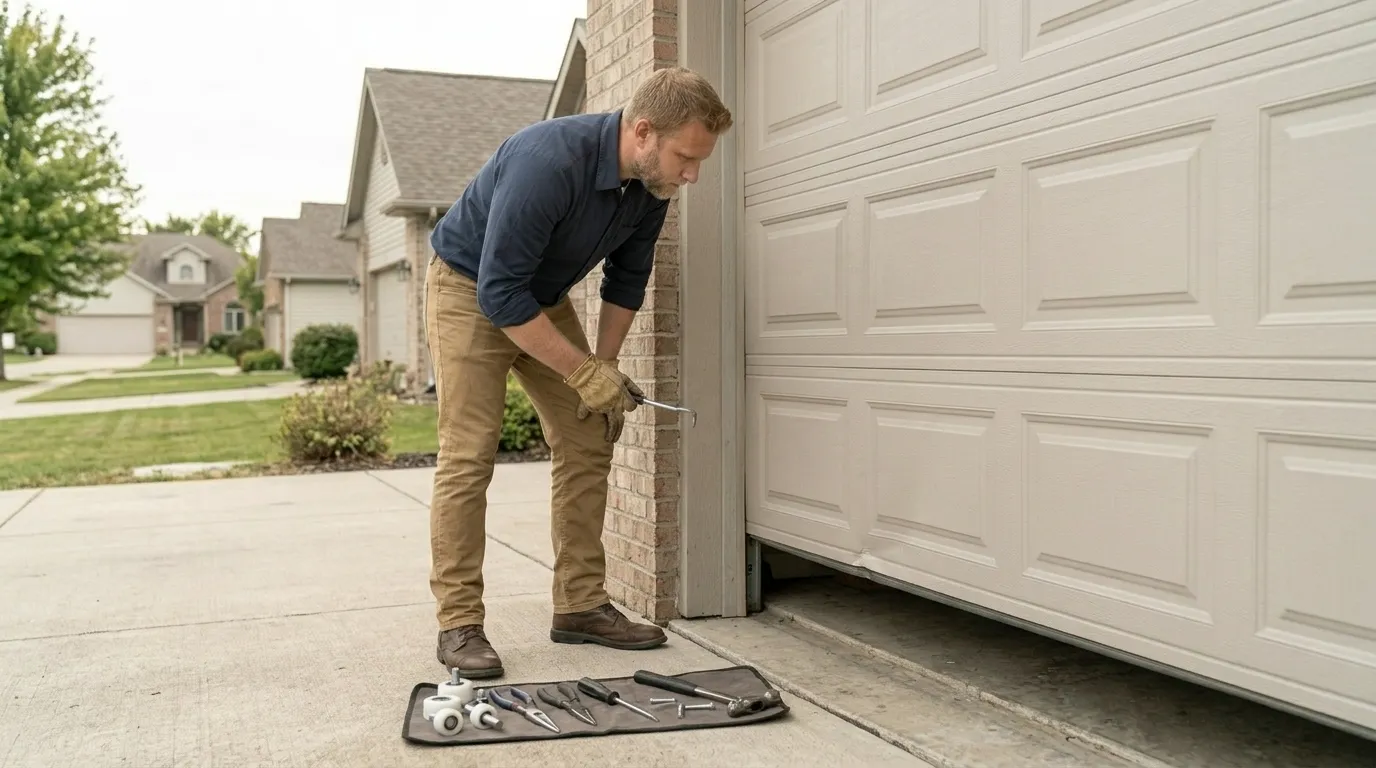
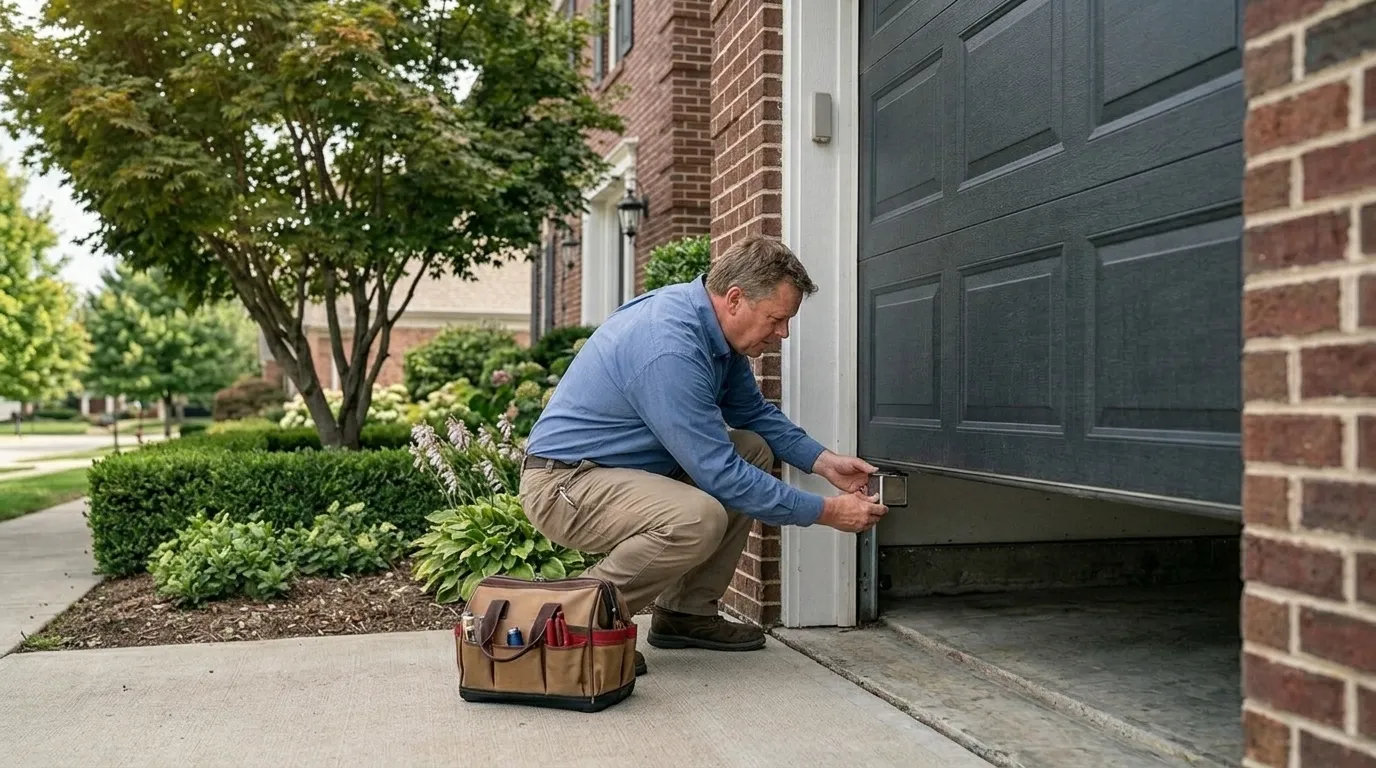
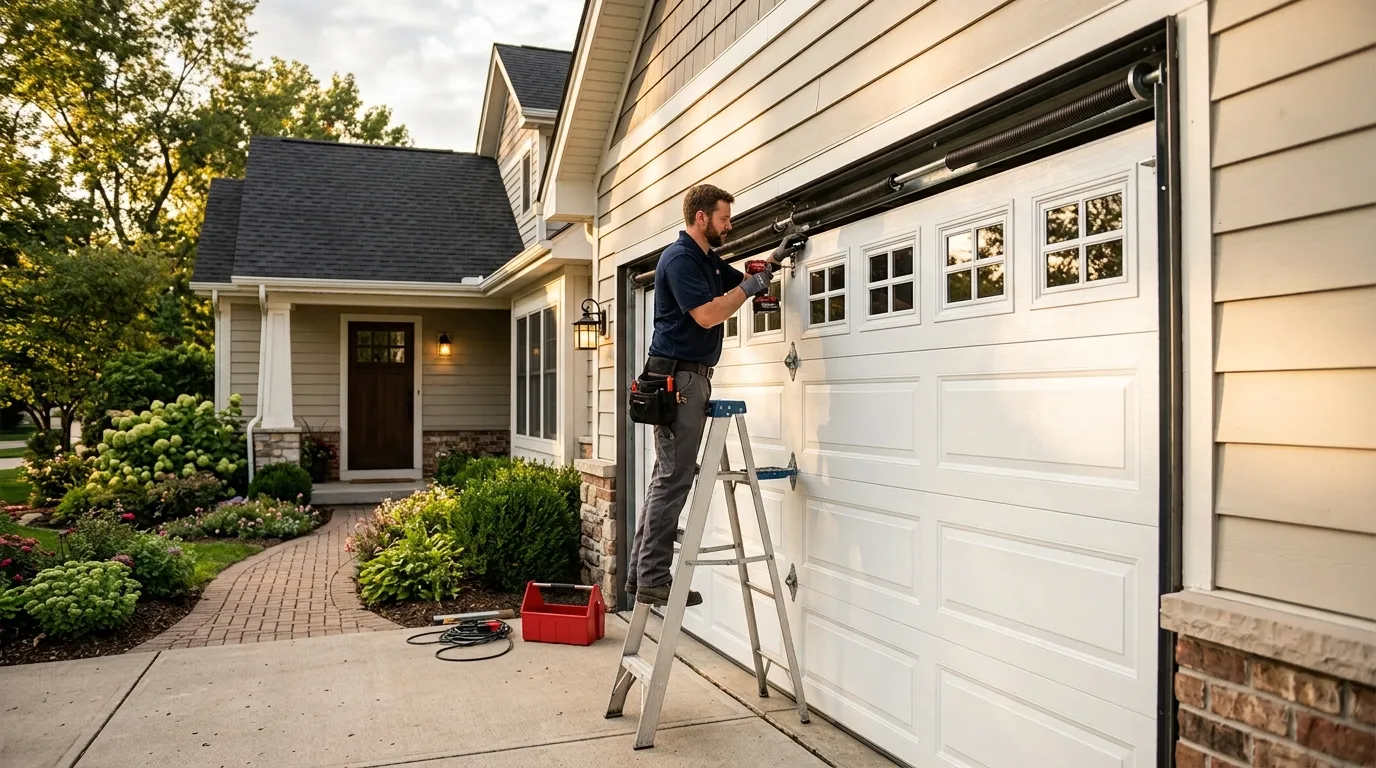
We start by pulling the damaged section and checking what's underneath it - track alignment, roller condition, and whether the cable drums are still original. On a door built around 1958, we've often found the hinges worn oval and the rollers flat-sided from decades of the same load path, so replacing one panel without checking those parts means the new section wears unevenly against old hardware almost immediately. If the match is close, we install a like-profile replacement panel and true up the hinges and rollers on that section so the door tracks evenly. If the original manufacturer's profile isn't available anywhere, we say so up front rather than force a mismatched panel onto the door and call it done.
Why This Fails Locally
This part of Michigan sits in a cold, severe climate band, and a door built in 1958 wasn't insulated or sealed to any code written with that in mind. Steel panels from that era are thinner-gauge than what's made today, and decades of freeze-thaw cycling work moisture into the seams from the inside, not just the face you can see. That's why panel failure here tends to start at the bottom corners and the horizontal seams rather than as a single dramatic dent - it's corrosion that's been working for 50-plus winters, and it usually shows up on more than one section at once even if only one panel is bad enough to need replacing now.
What Can Go Wrong
The honest limitation: if the exact panel profile for a door this old isn't available from any supplier, a full section match isn't always possible, and we'll tell you that rather than install something close enough to look wrong for the next 20 years. In that case the choice is between a visible mismatch on one section or replacing the whole door, and that's a call the homeowner should make with real numbers in front of them, not one we make for you on the driveway.