The Symptom
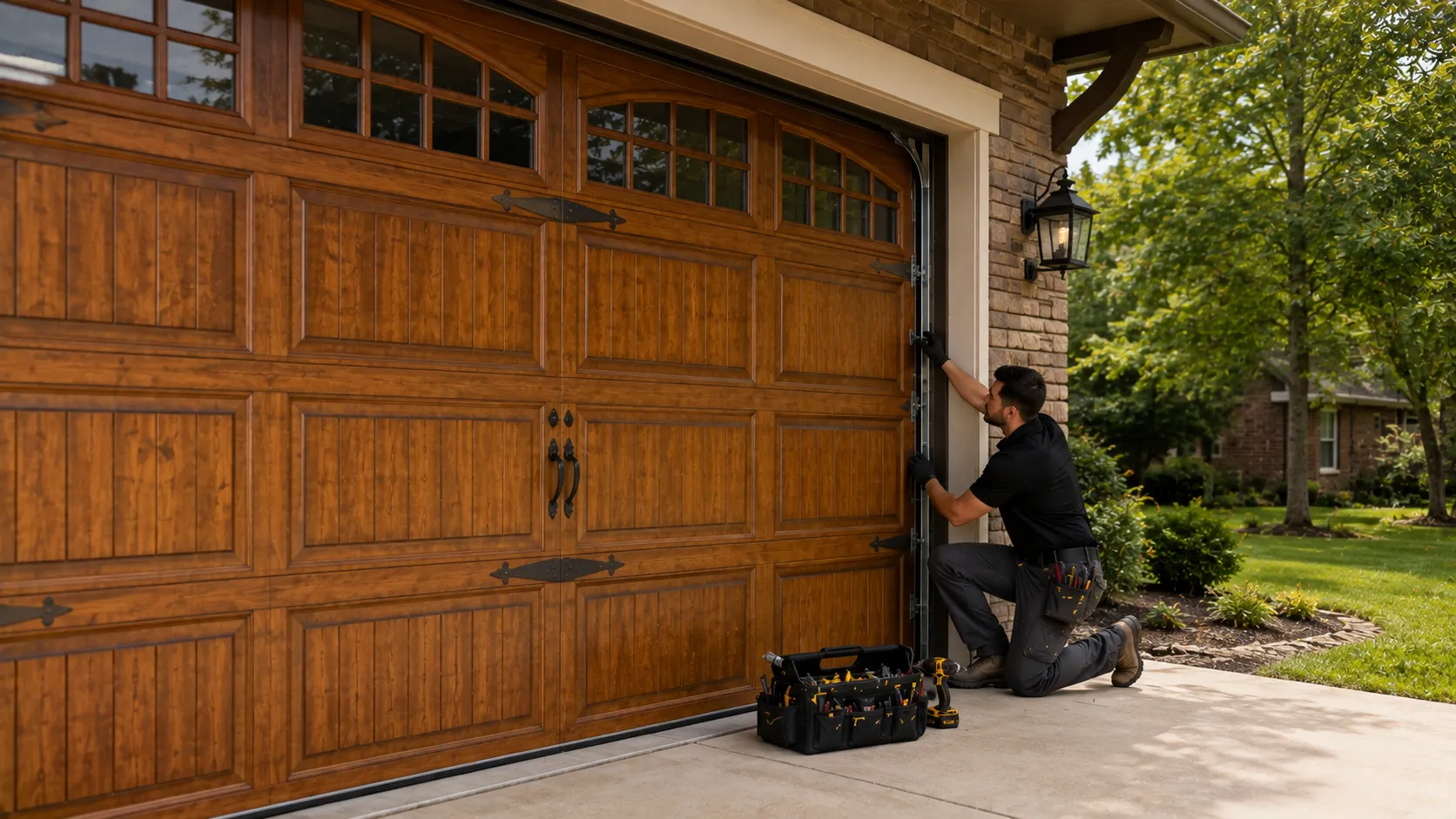
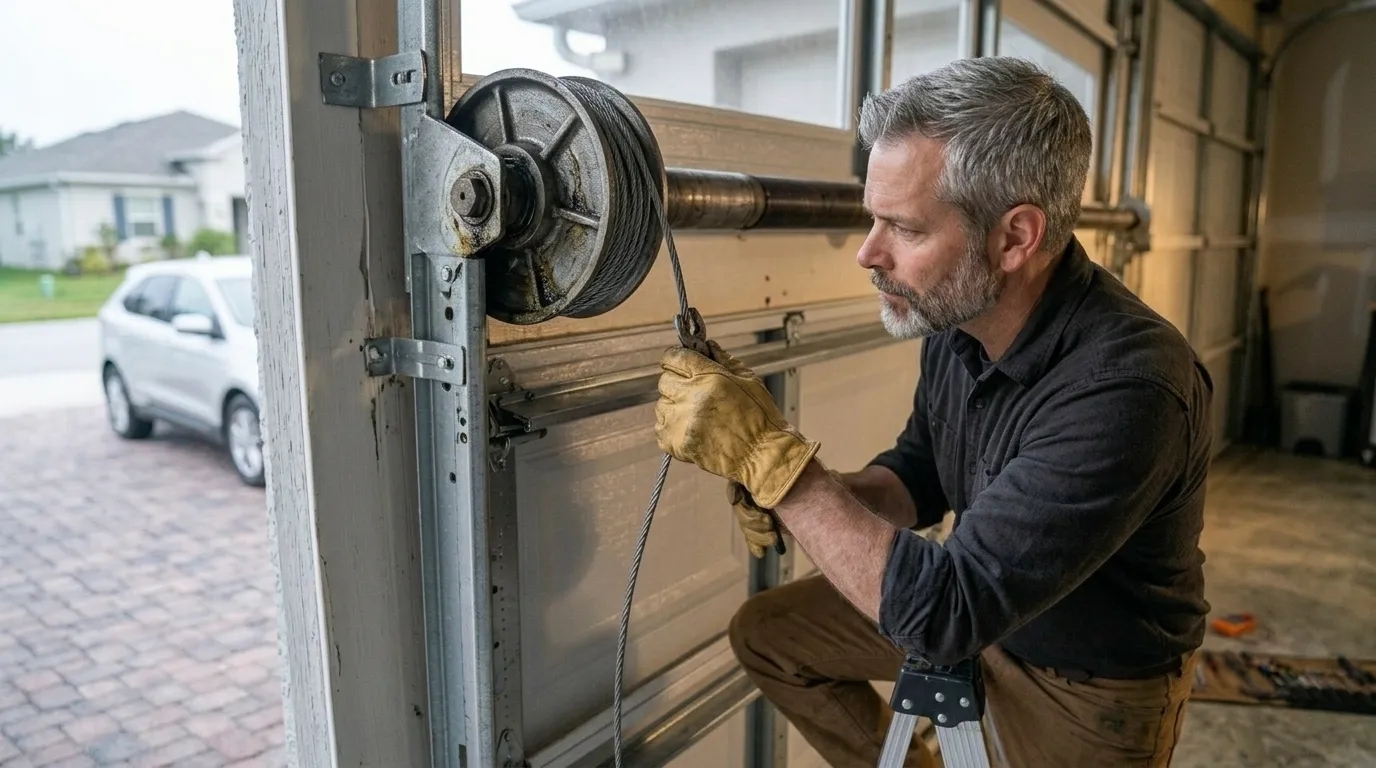
Memphis is a small town - about 485 households - and that matters for what we see when a cable call comes in. Most of the houses here went up around 1958, which puts a good share of this town's garage doors on hardware that's older than what we run into closer to Port Huron, where the service area's median build year runs closer to 1978. A frayed or snapped cable on a door this old usually shows up the same way: the door hangs crooked in the track, one side drops faster than the other when you hit the button, or you hear a snap and the door won't budge at all. On these older extension-spring setups, the cable does more of the holding work than it does on newer torsion systems, so when it goes, it goes hard - sometimes with the door coming off one track entirely. If you see a kink in the cable near the bottom bracket, don't run the opener again. That kink is usually the last warning before the strand lets go.
How We Fix It
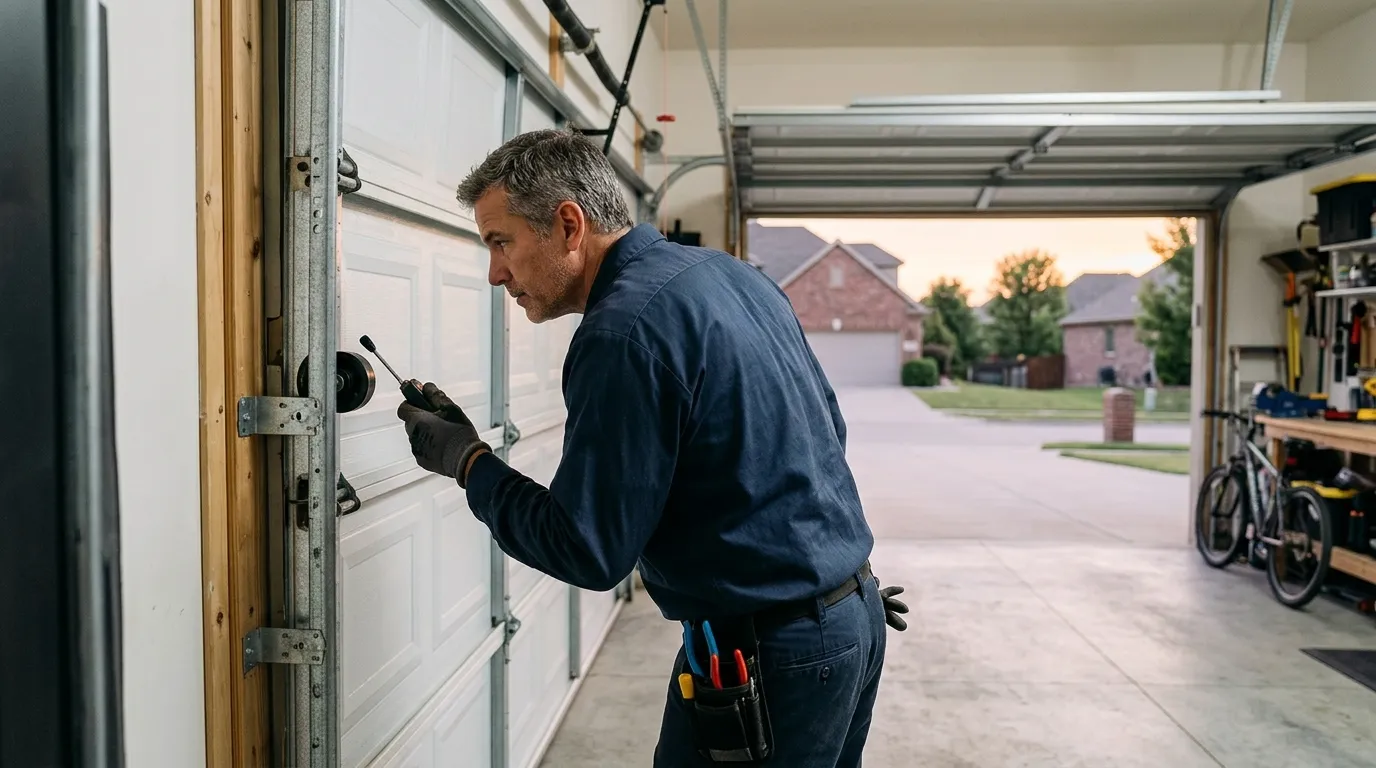
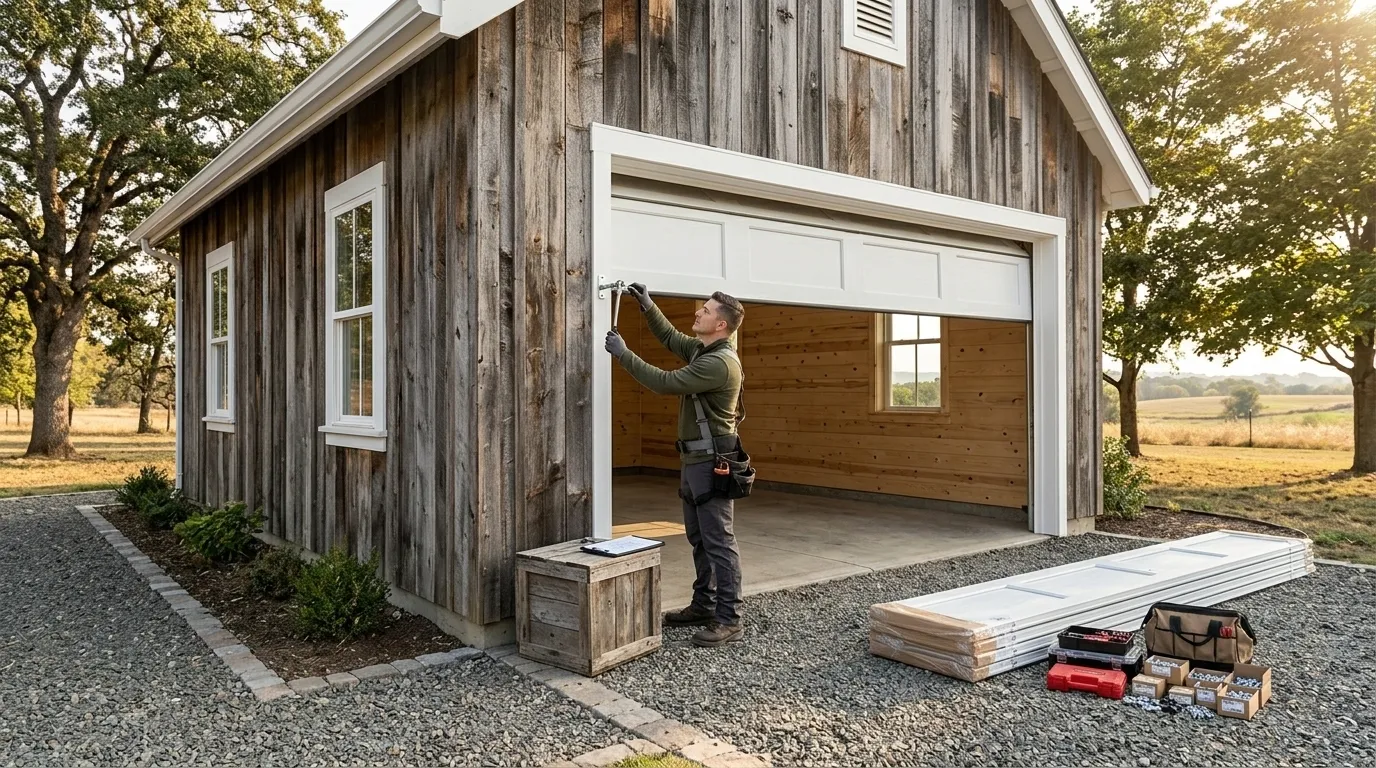
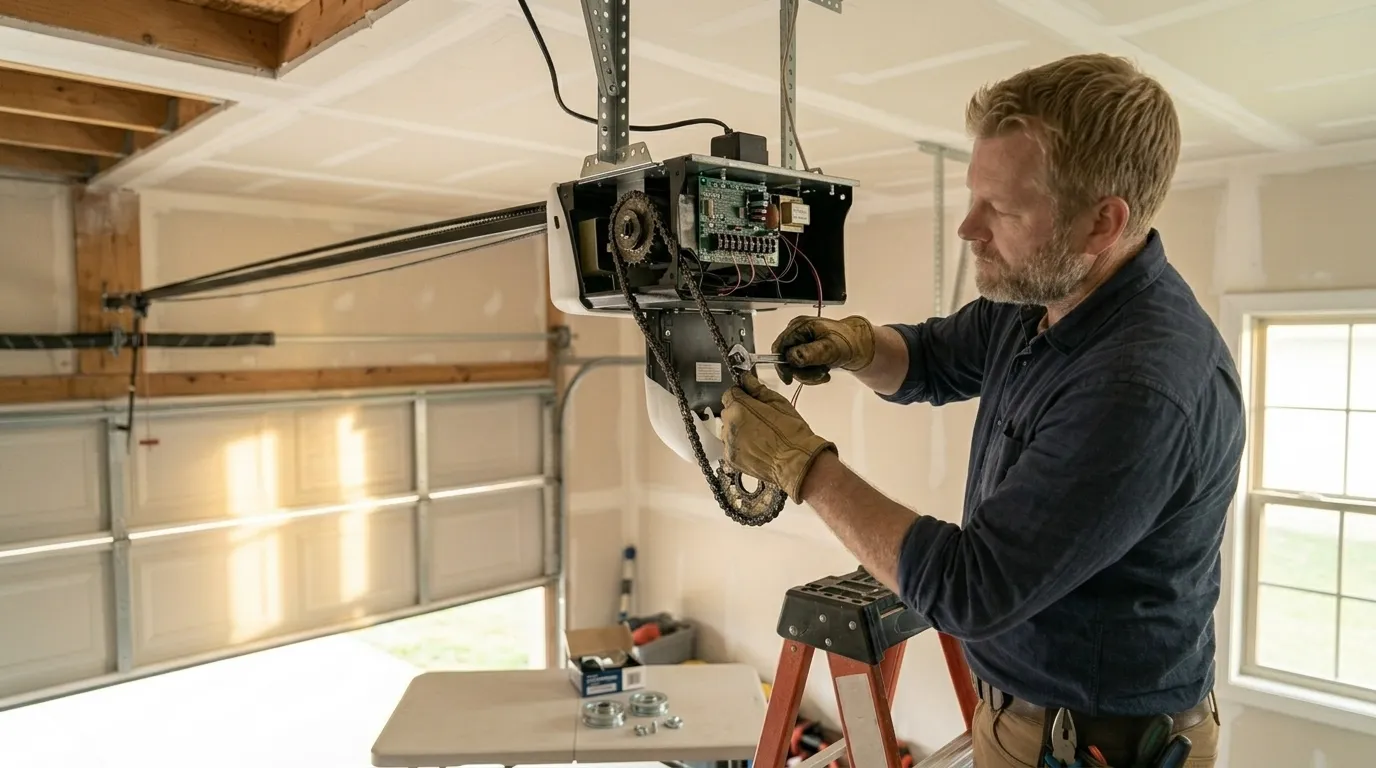
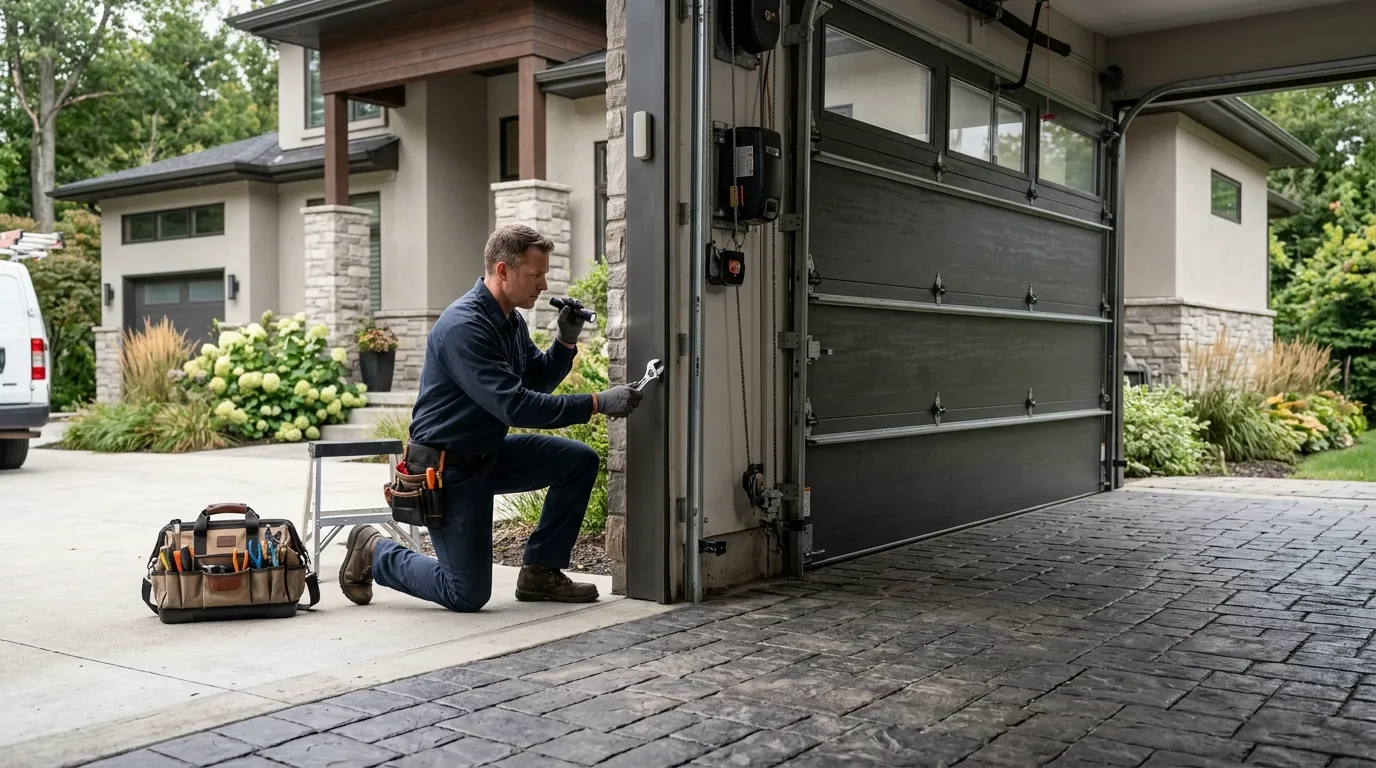
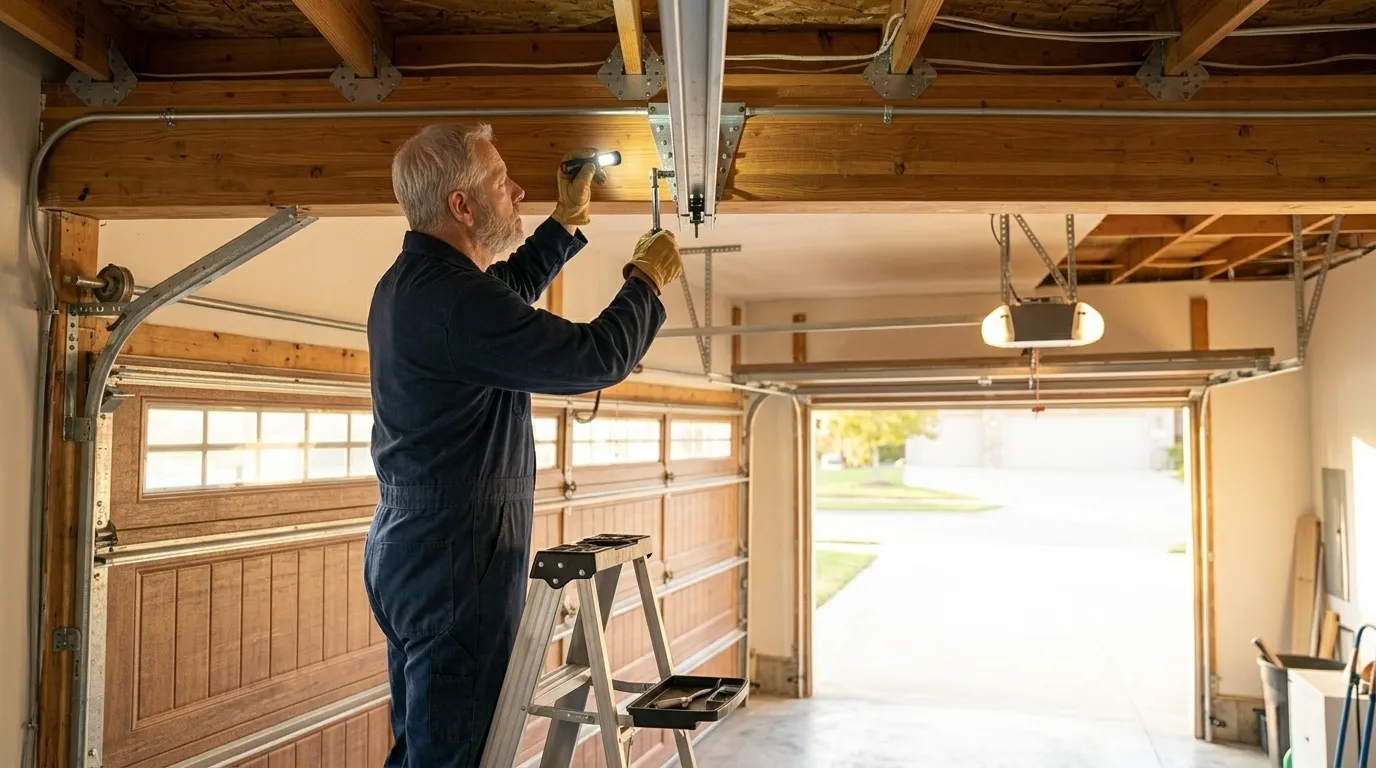
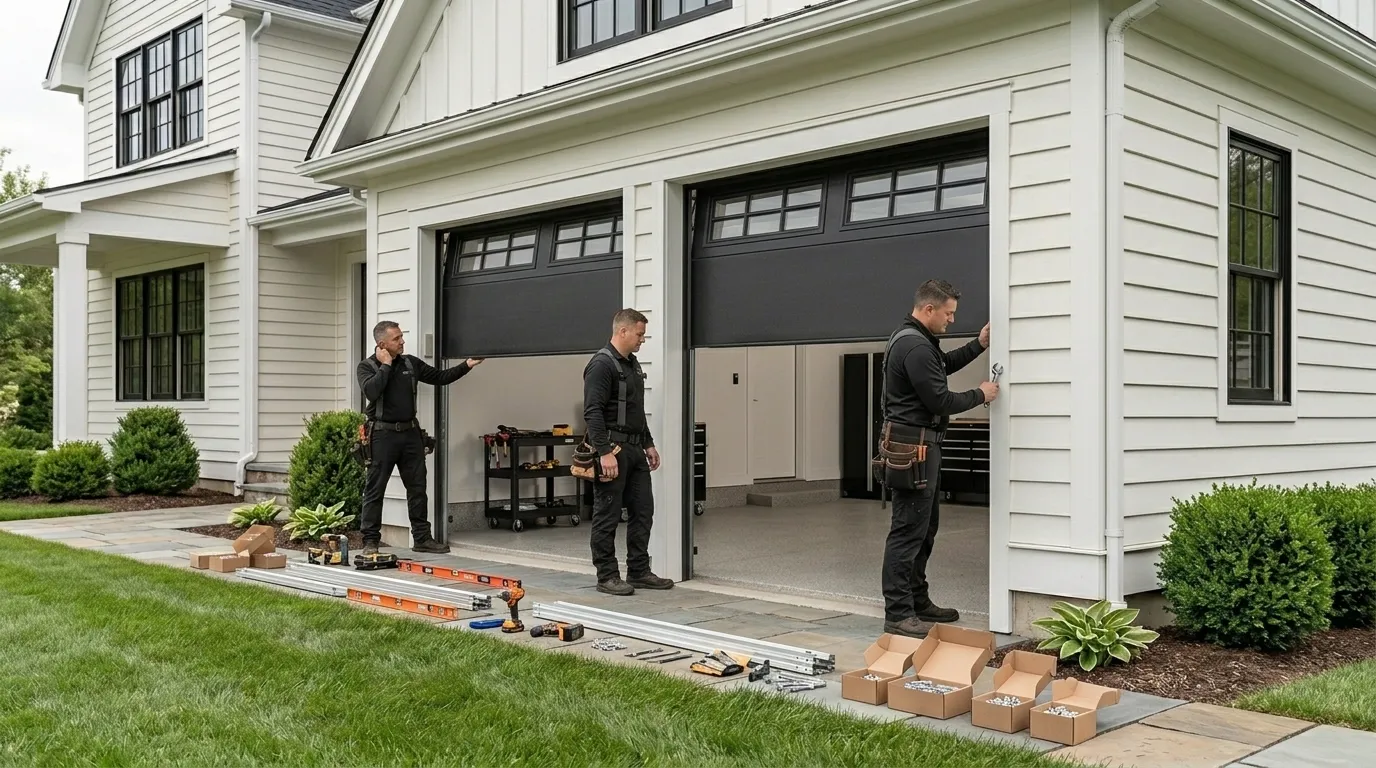
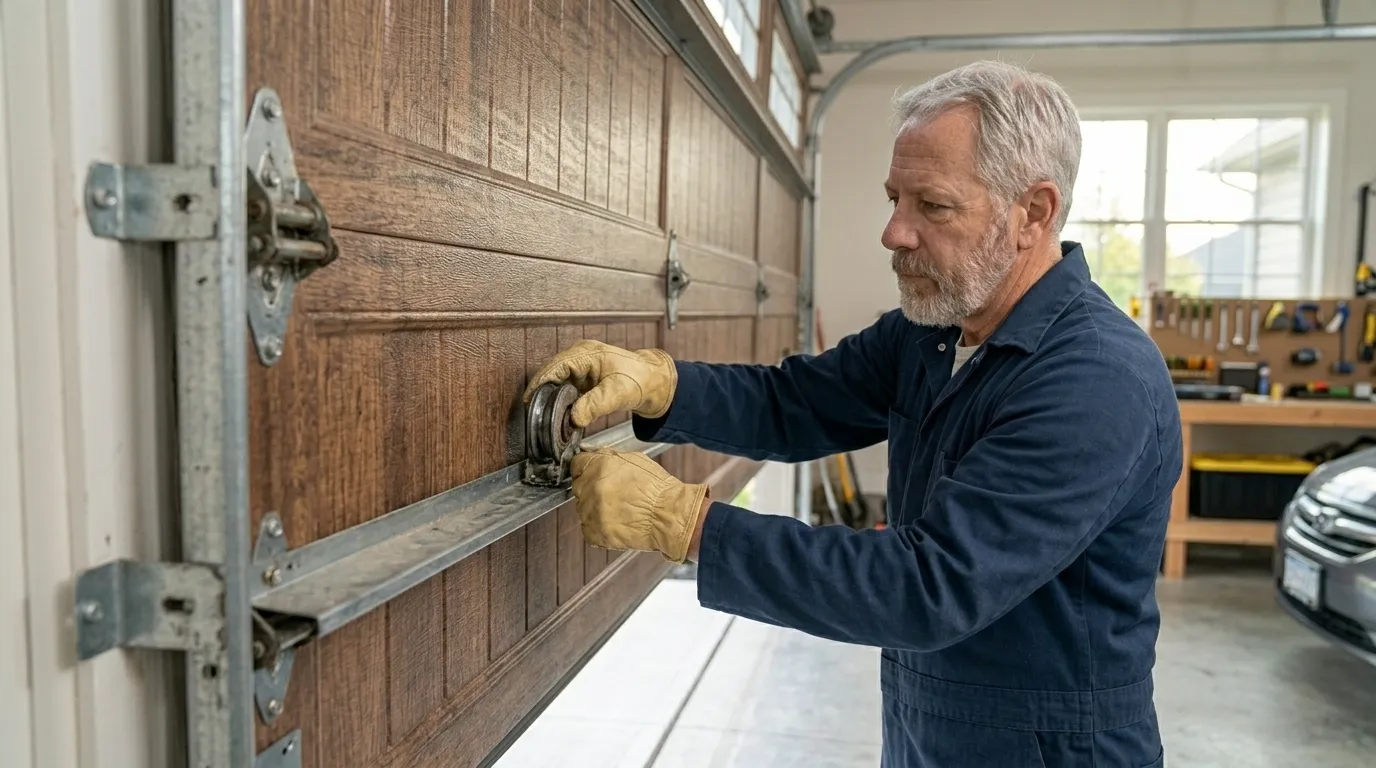
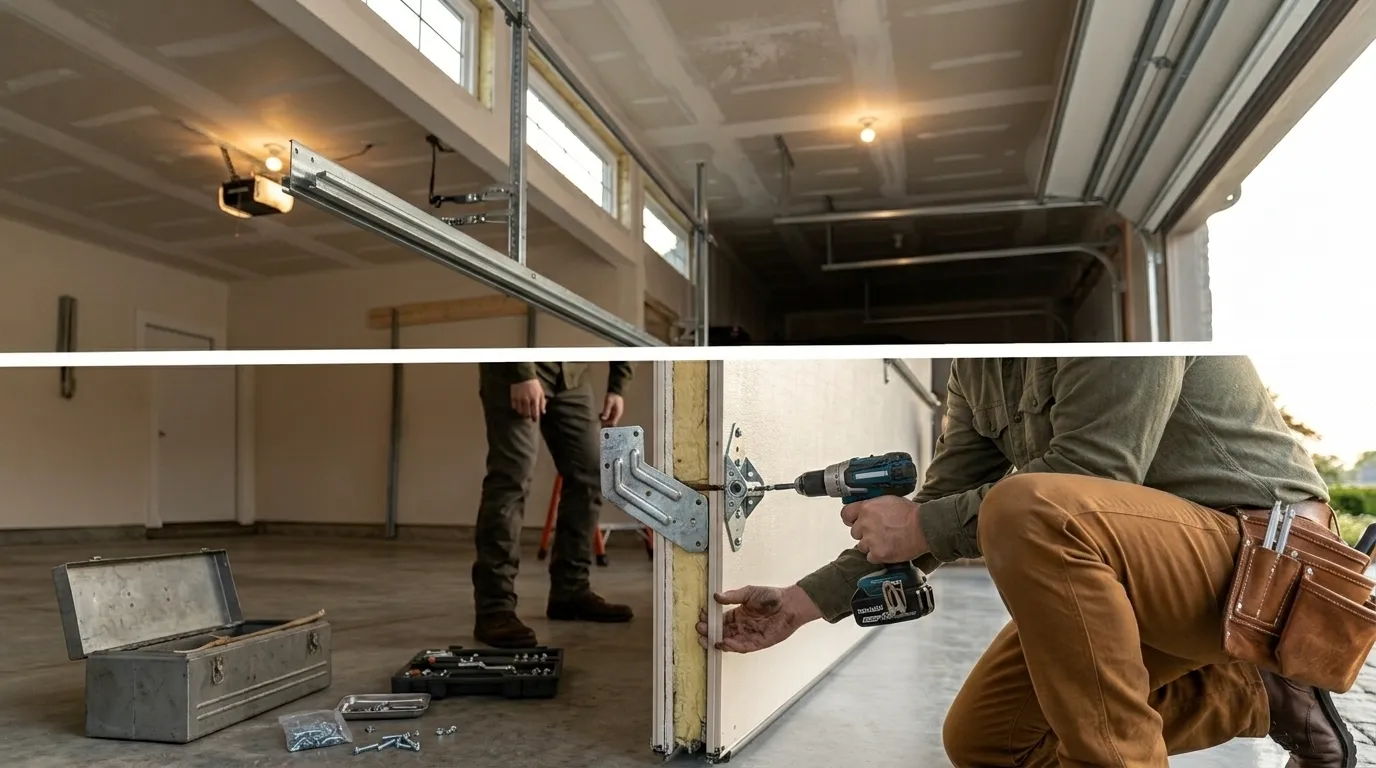
For a straightforward cable snap, we release the spring tension, pull the old cable and drum assembly, and install a new cable sized to your door - matching gauge and length matters more on older doors than people expect, since a lot of 1950s-60s doors don't use the standard dimensions common on newer stock. We check both cables even when only one has failed, because if one side is frayed on a door built in this era, the other side is usually not far behind. We also check the drum, the bottom brackets, and the track alignment while we're in there, since a cable rarely fails on its own - it's often a symptom of a drum that's chewed through, or a bracket that's pulled loose from years of the door racking slightly out of square. We test the door through a full open-close cycle under load before we call the job done, not just a visual check.
Why This Fails Locally
This region sits in a cold-climate zone with severe winter conditions, and cold cable steel gets brittle faster than people think, especially on doors that have been cycling the same original hardware since the late 1950s. In a town this size - 485 households - a lot of these doors have had one owner and one cable replacement in their whole life, if that. That's not a knock on the town; it's just what happens when houses this age haven't all been through a full opener and hardware upgrade. Add in a median household income here of $60,884, and what we typically see is homeowners keeping original hardware running as long as it'll go rather than replacing it early, which is a reasonable call financially but it does mean the cable failures we get called for here tend to be full-wear failures, not fresh installs gone wrong.
What Can Go Wrong
A cable that lets go on a door that's already up can drop the door fast, and on the older single-cable setups we see more of in this town, a bottom bracket can tear loose from the panel if the cable snaps under load. We've also seen homeowners try to rig a temporary fix with rope or a second cable clamp to get the car out - that usually just adds a second failure point on top of the first. If a spring lets go at the same time as a cable, which happens more often on hardware this old, the door can come off both tracks. None of that is Memphis-specific bad luck - it's what original hardware from 1958 does after enough winters in a cold climate. For more on what we cover in this town, see our Memphis garage door page, or if you're closer to Port Huron itself, our cable repair page for Port Huron.