The Symptom
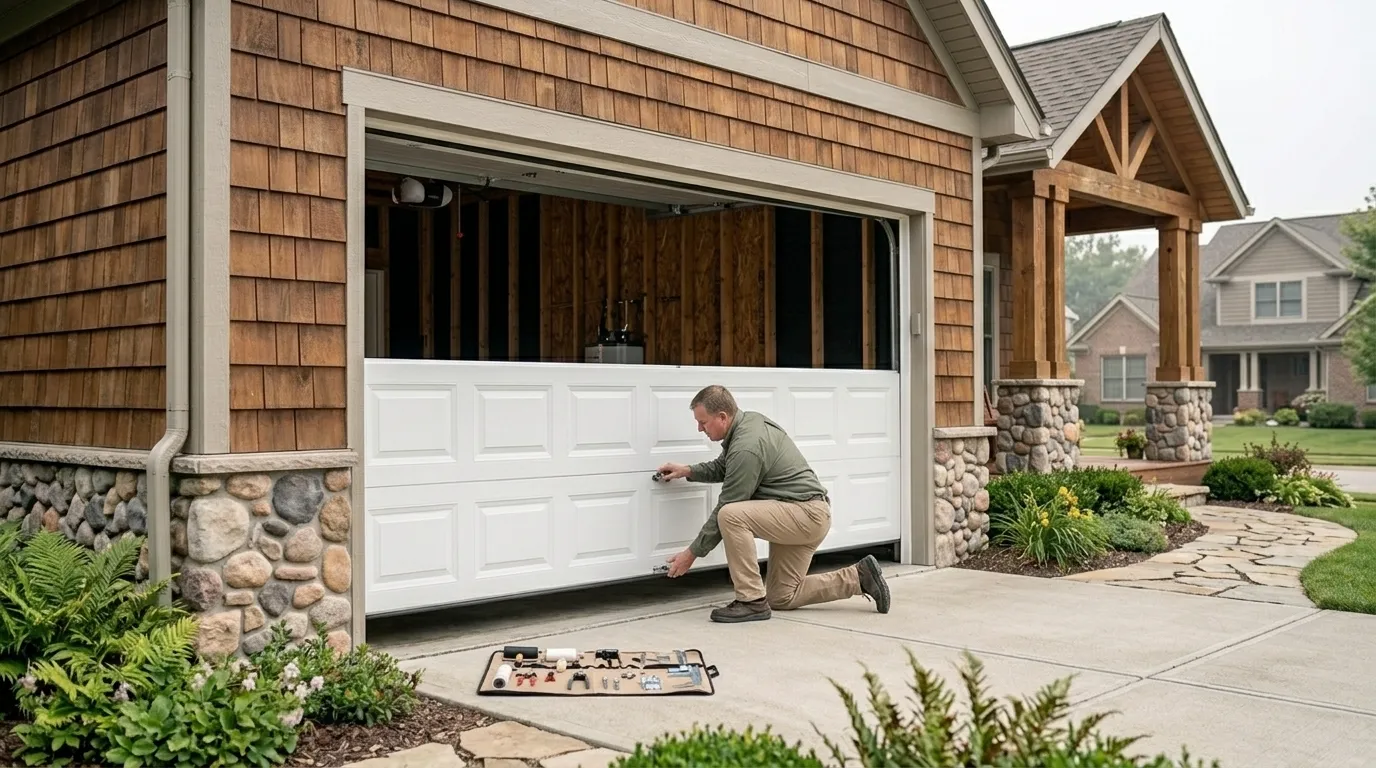
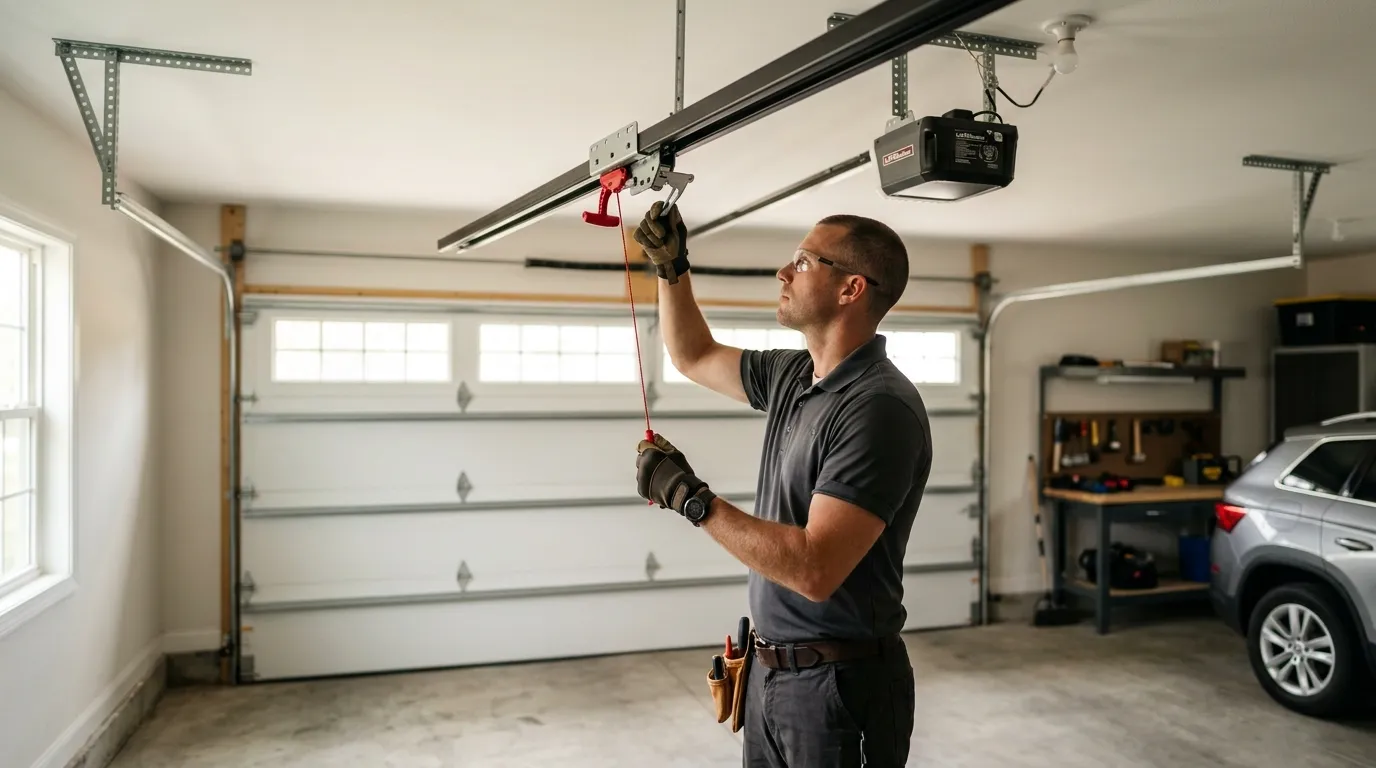
Most houses in Memphis went up around 1958, a good two decades before the median for the wider area we cover. That matters because a door installed on a house that old was almost never replaced on the same track and header setup it started with. What we see is a door that binds halfway up, or a garage that groans and hesitates before it moves at all. On a house this age, that's usually not the opener - it's a track that's been re-hung once or twice over the decades and no longer sits plumb, or a spring that was sized for a lighter, older-style door and is now fighting a heavier replacement panel. The symptom looks like an opener problem. The cause is almost always older.
How We Fix It
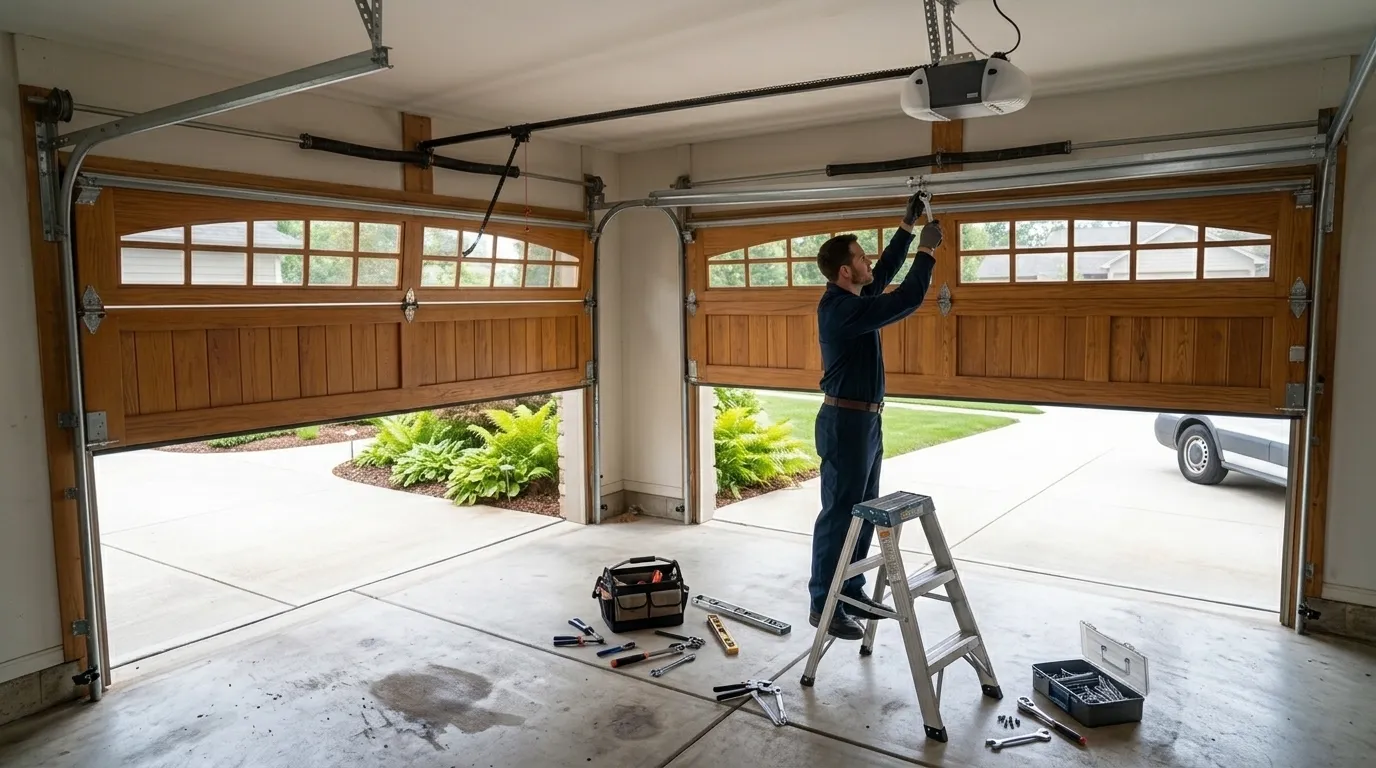
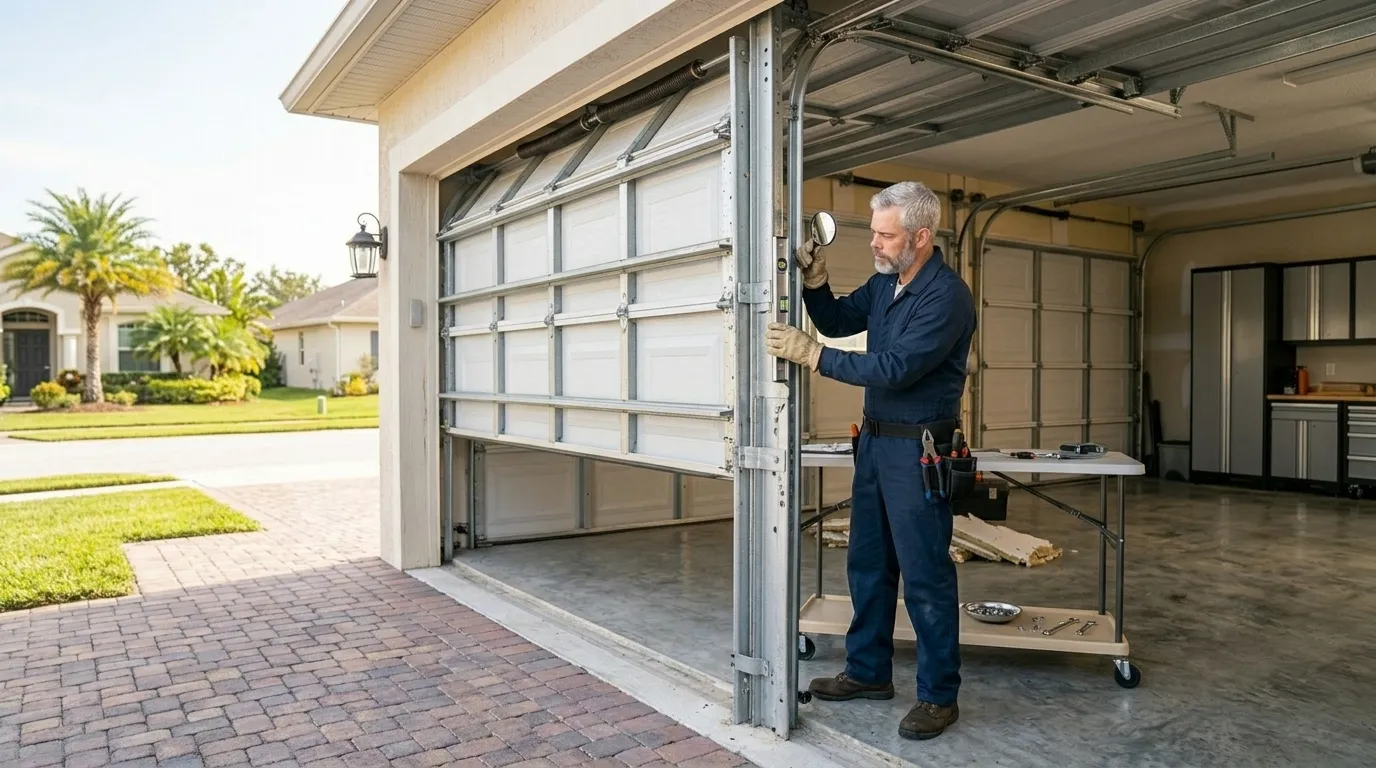
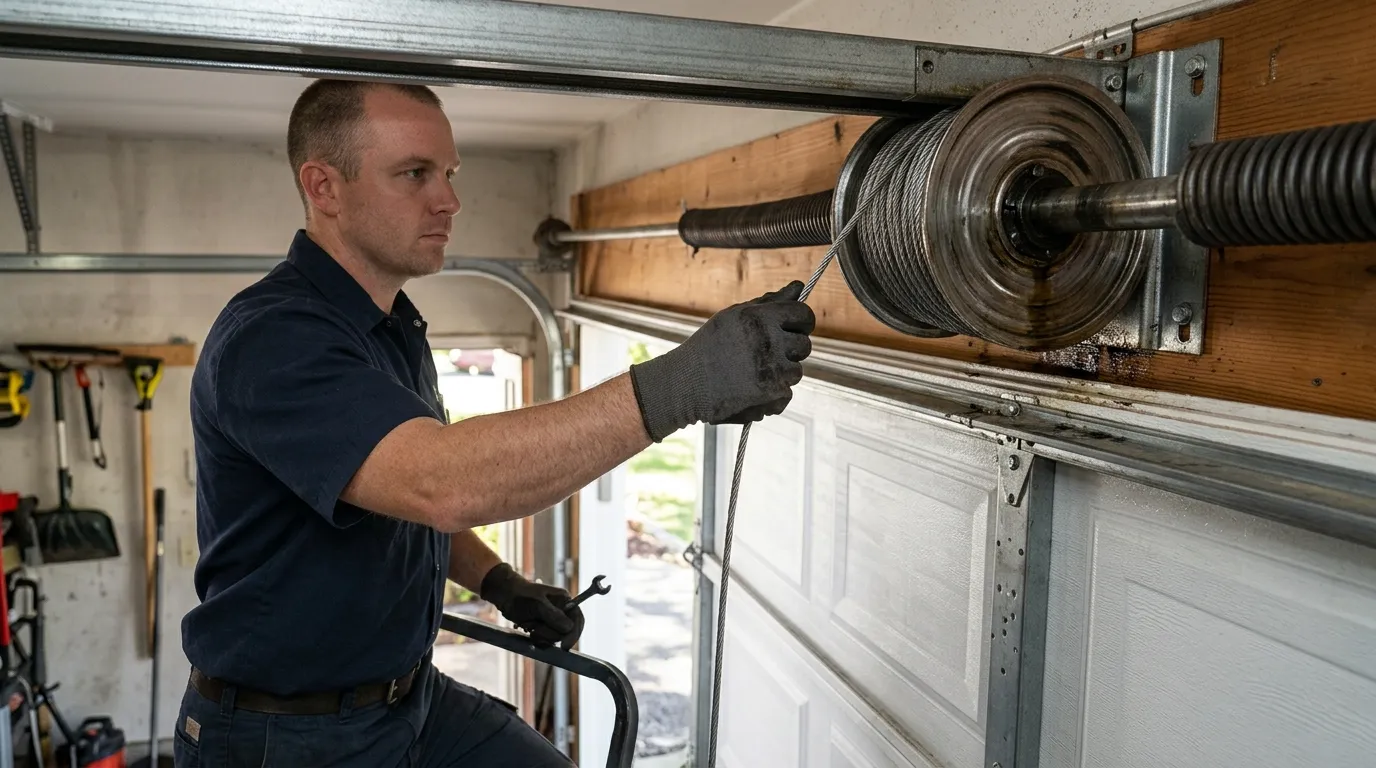
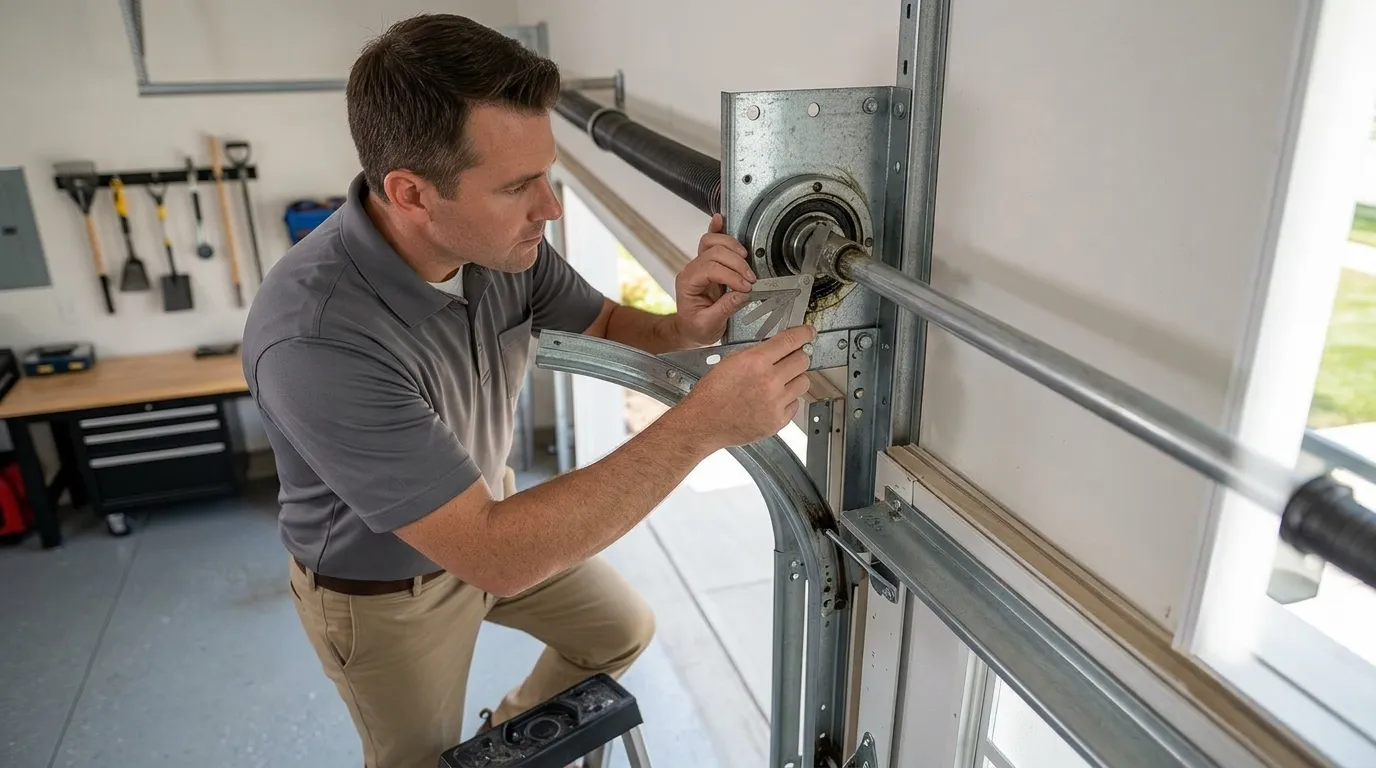
On a 1958-era house, the fix starts with figuring out what's original and what's been swapped. A lot of these homes still have side-mounted hardware from an era before torsion springs became standard on residential doors, which means parts that a big-box store doesn't stock. We carry stock for both eras rather than betting on one. Once we know what's actually on the header, the repair itself - spring replacement, track realignment, cable swap - isn't unusual work. It just needs someone who checks the vintage before reaching for a part, instead of grabbing whatever fits a newer door.
Why This Fails Locally
The failure pattern in Memphis tracks the housing stock, not the weather alone, though the cold plays its part too. A door built for a house from 1958 was designed with lighter panels and simpler hardware than what goes into a garage door today. Decades of Michigan winters - real cold, not mild - have worked on that original hardware the whole time: rust on cable ends, a spring that's lost temper from repeated hard-cold cycling, a track bracket that's pulled loose from wood that's shrunk and swelled for over 60 years. None of that is unusual for a house this age. It's just wear that shows up later than it would on newer stock, and then all at once.
What Can Go Wrong
The honest limitation: on houses this old, sometimes the header or the framing around the door has shifted enough over 60-plus years that a like-for-like repair won't hold. When that happens, patching the old hardware is a short-term fix at best, and replacement is the more sensible call even though it costs more upfront. We'll tell you when we see that rather than billing you for a repair that won't last the winter. Given the distance we're driving, a repeat trip because a patch failed helps nobody.