The Symptom
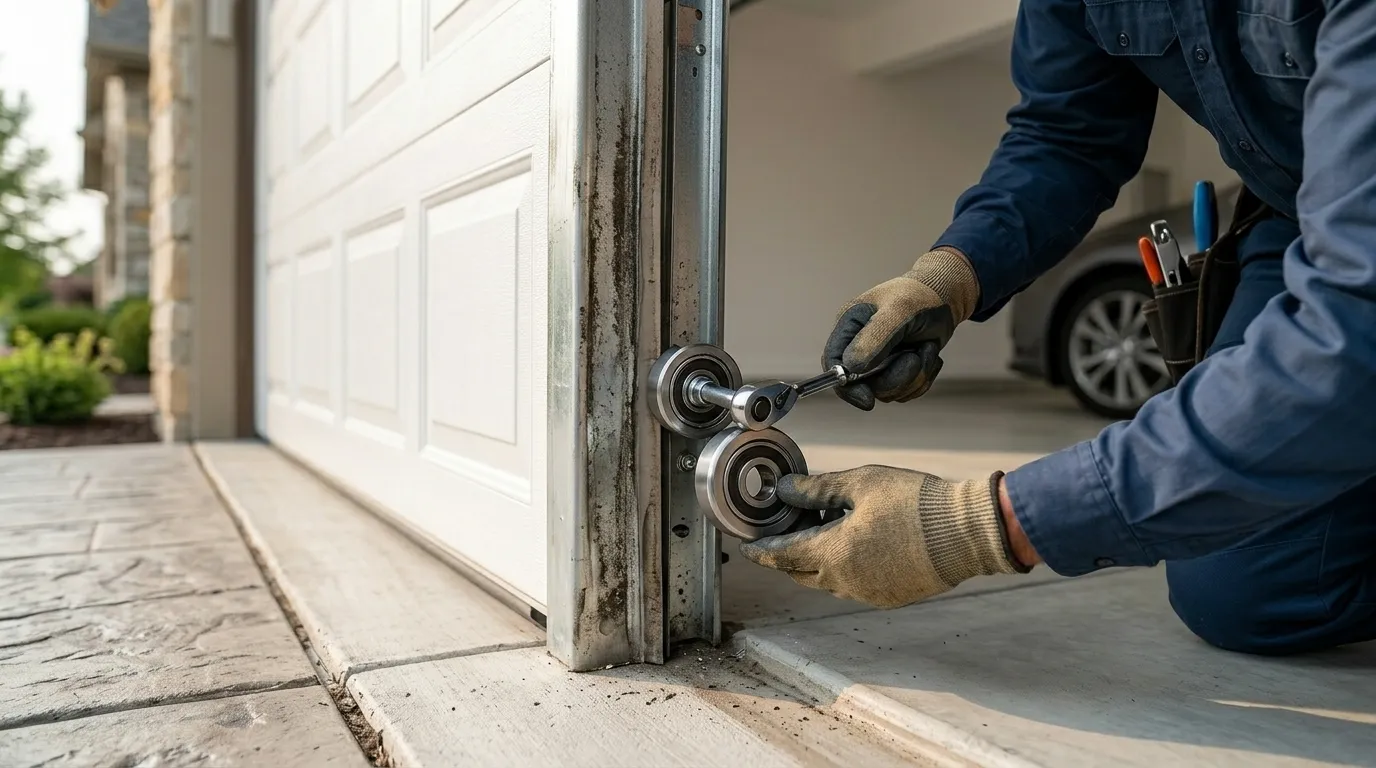
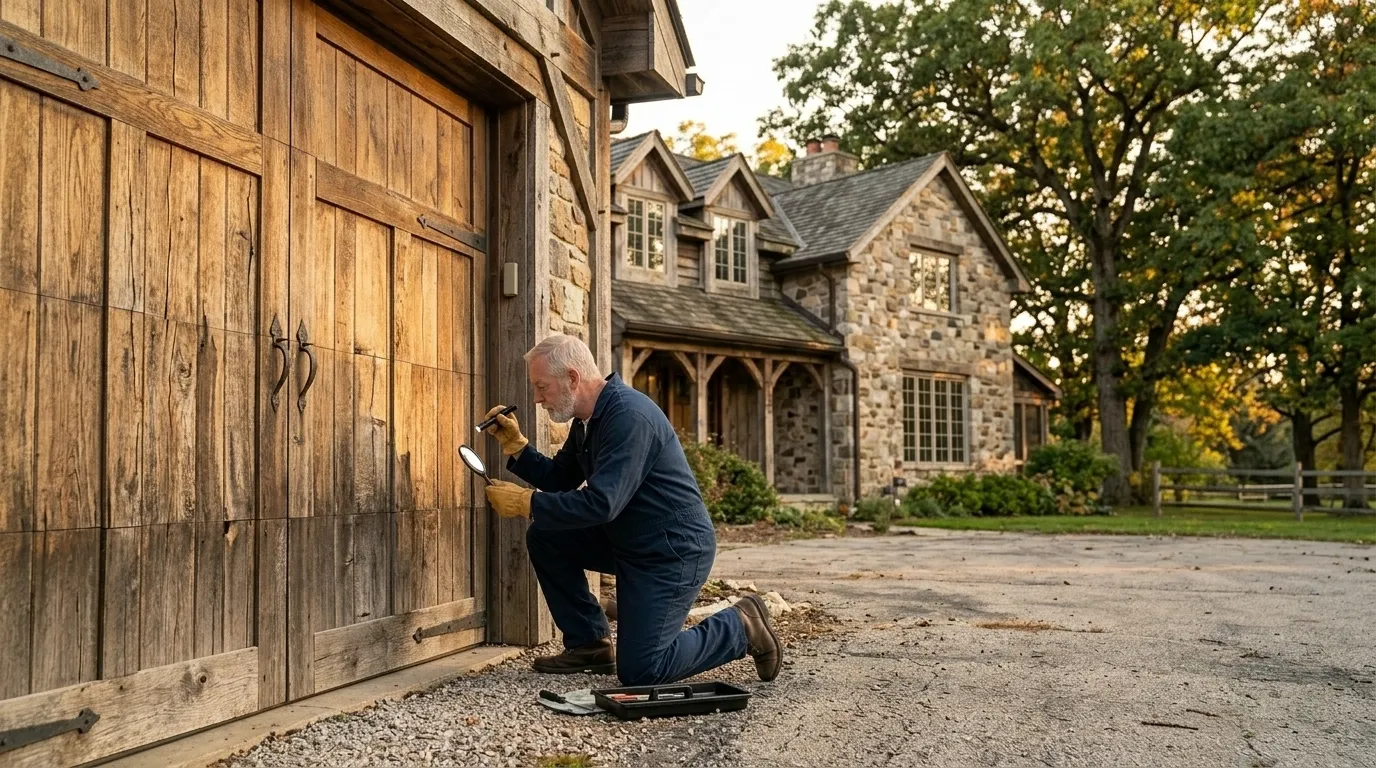
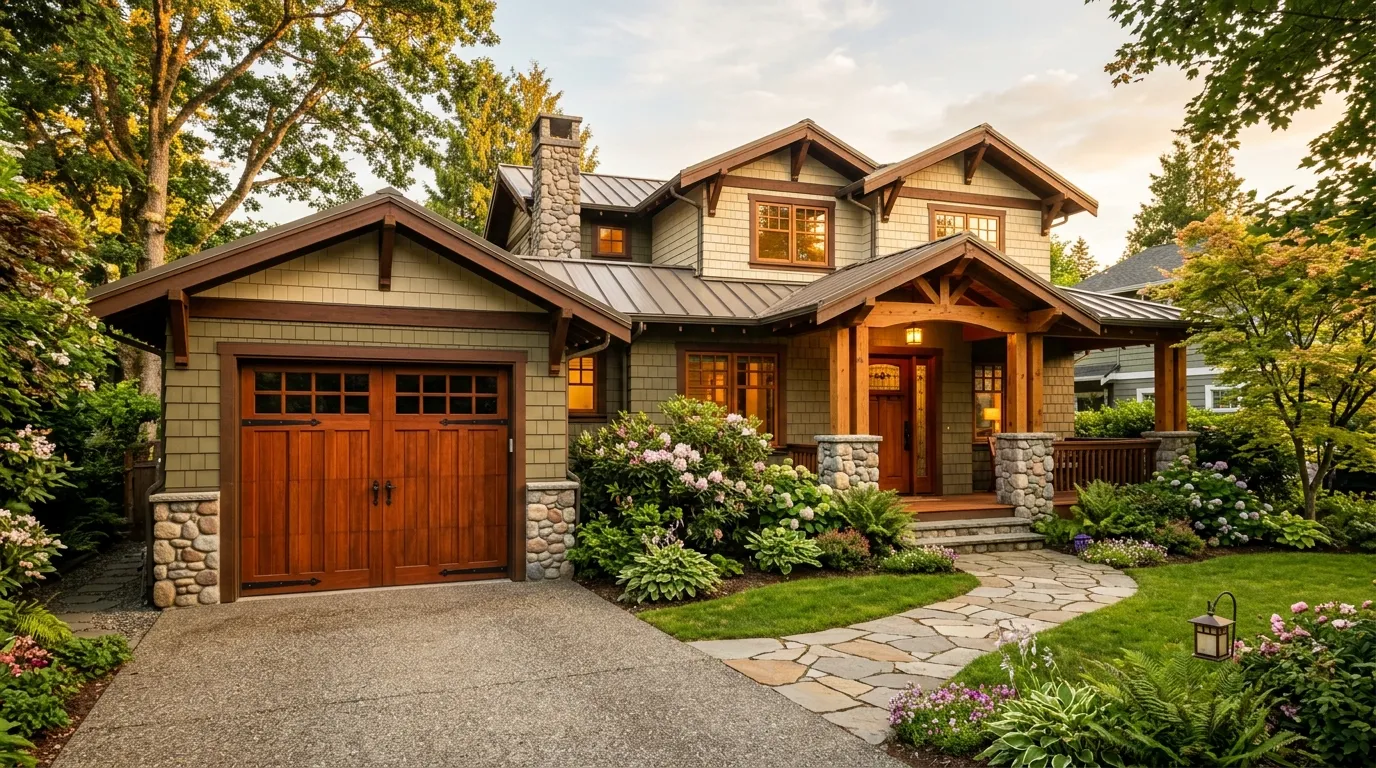
The drive out to Memphis from our Port Huron shop runs about 18 miles, which is enough distance that we don't guess at what's on the truck - we ask questions on the phone first. That matters more here than in some of the closer towns, because Memphis isn't built on the same clock as the rest of the service area. Across the wider territory, houses went up mostly in the 1960s and 70s, but Memphis itself centers closer to 1958. That decade of difference shows up at the opening: narrower rough framing, single-layer steel doors that were never insulated, and track hung for hardware nobody bolts to a house anymore. Homeowners call us because the door won't rise square, or it's heavier than it should be to lift by hand after the opener quit years ago. The symptom is almost always the same story - a door original to a house pushing sixty-five years old, asked to keep working long after the springs and rollers it shipped with wore out.
How We Fix It
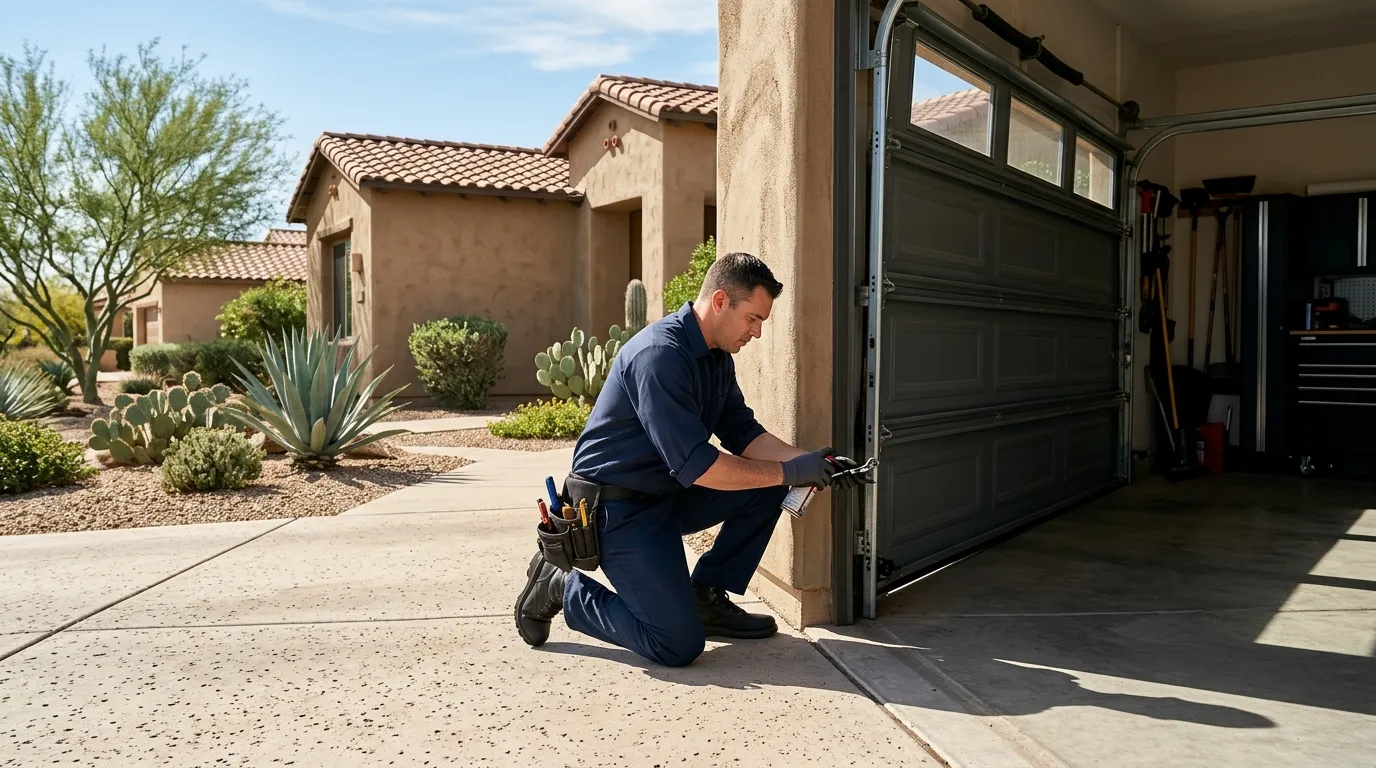
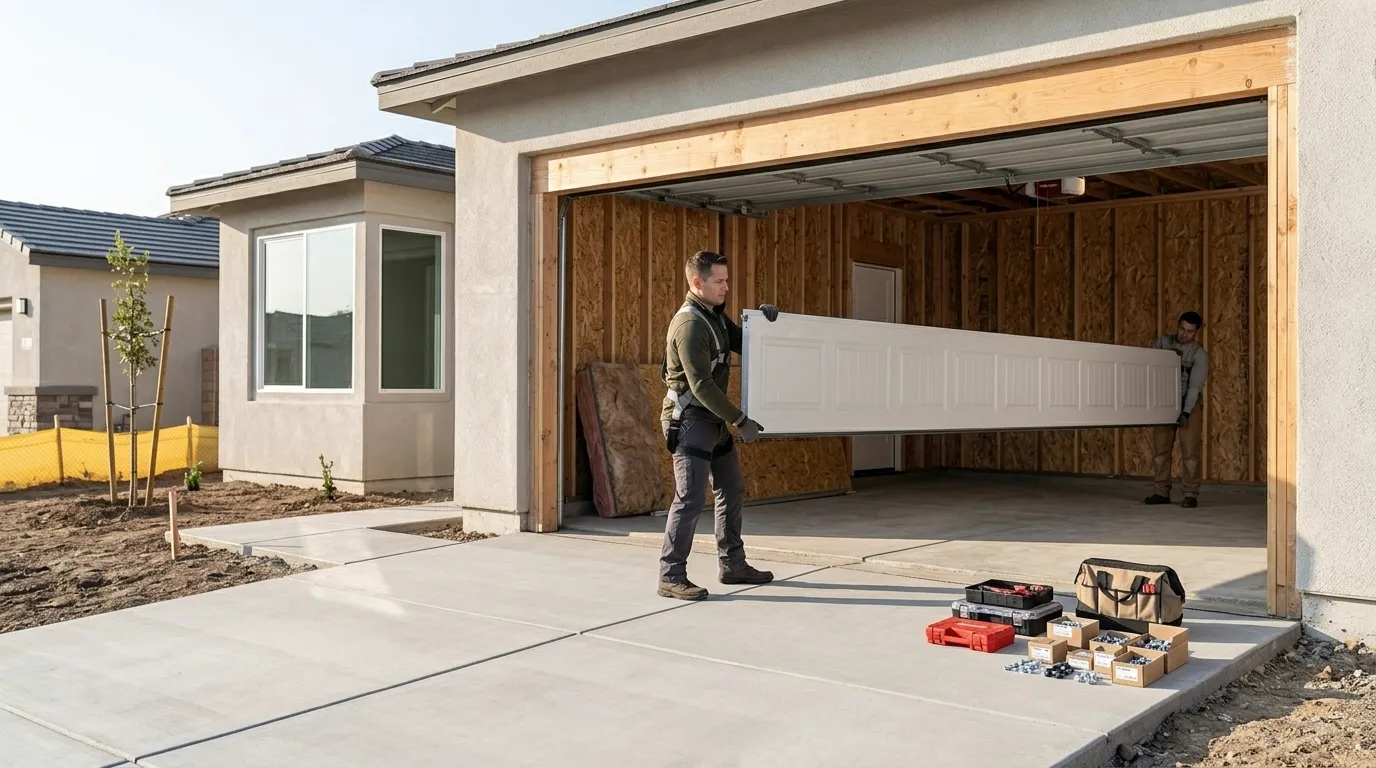
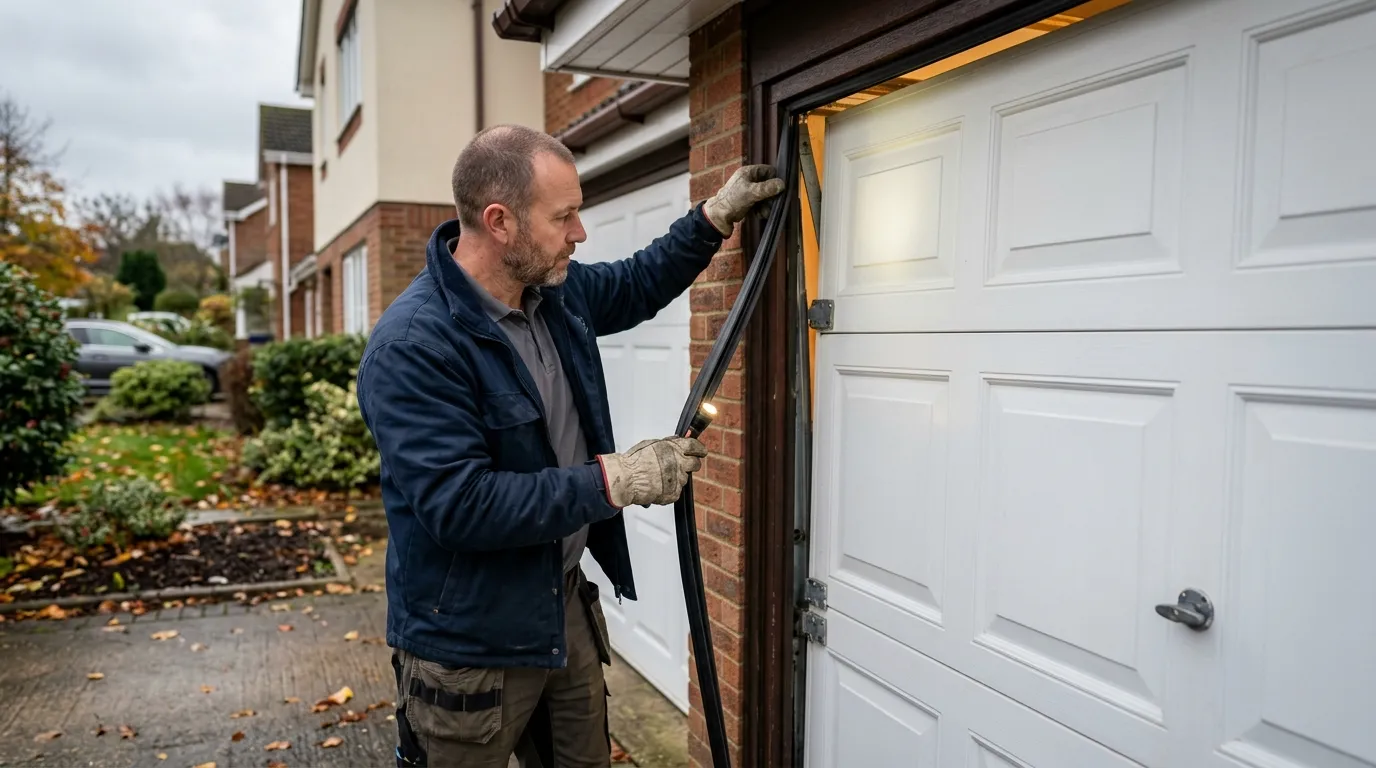
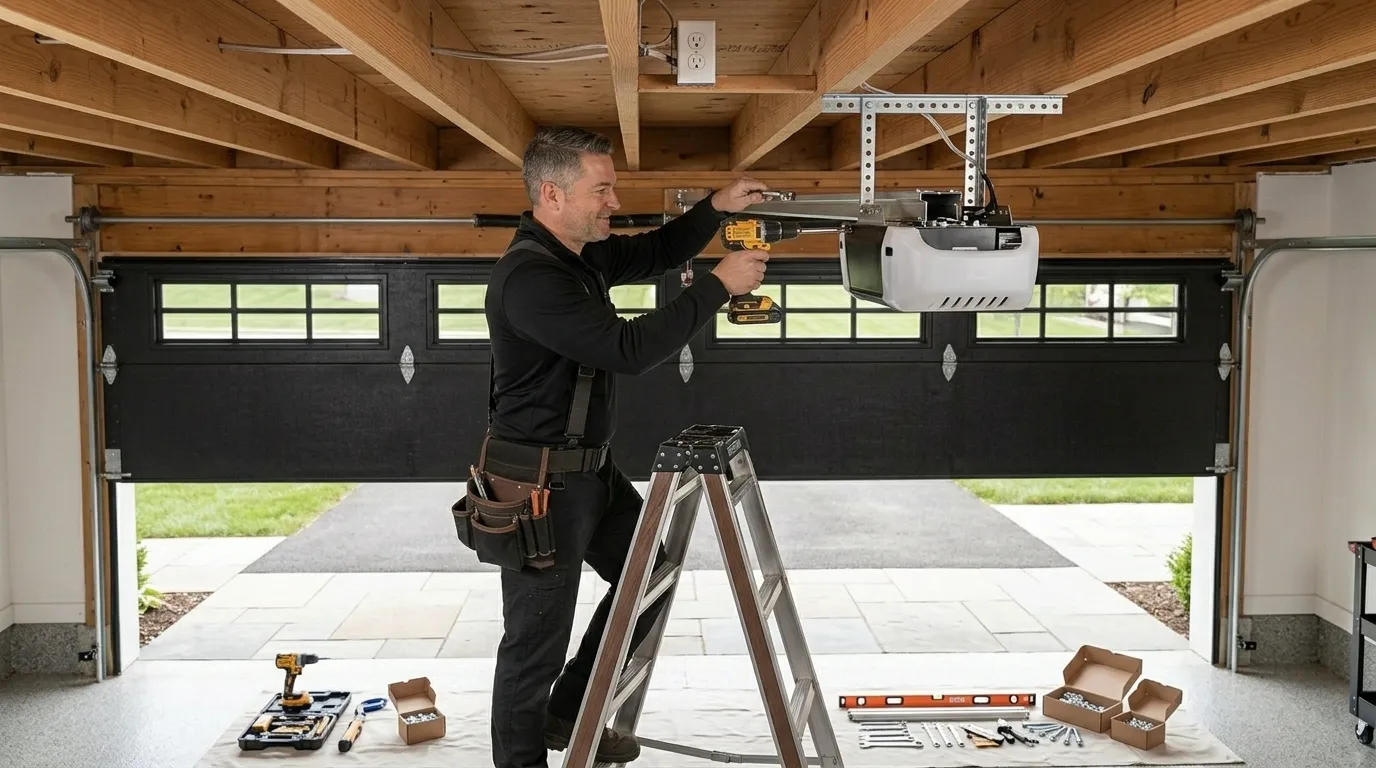
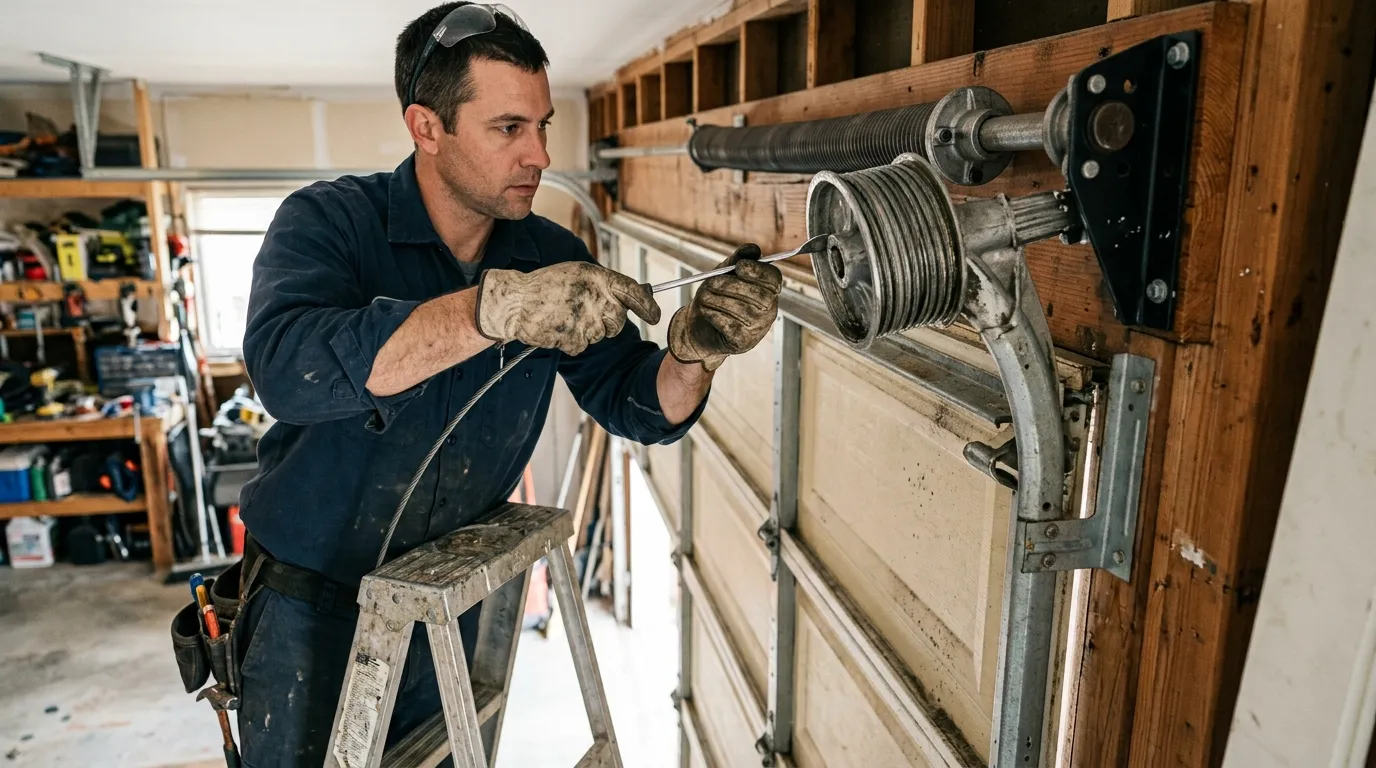
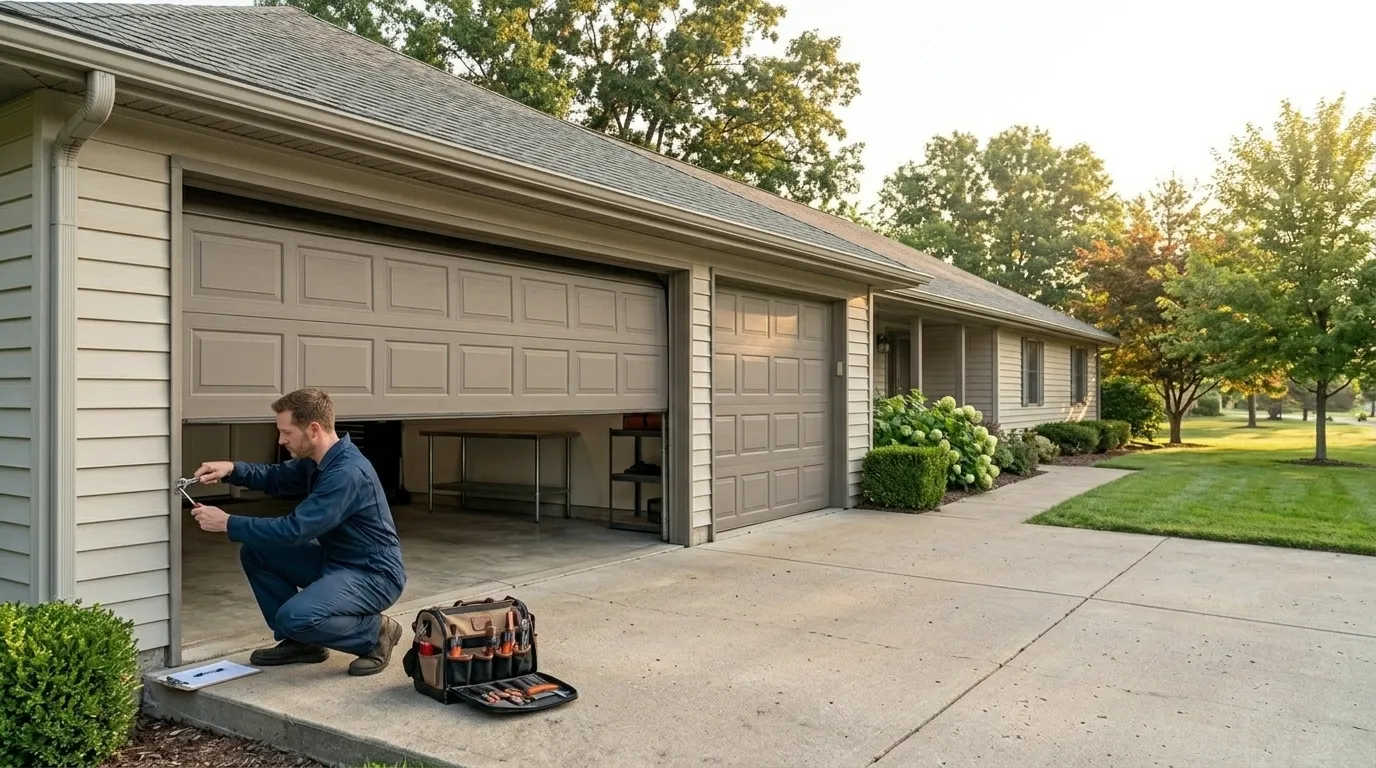
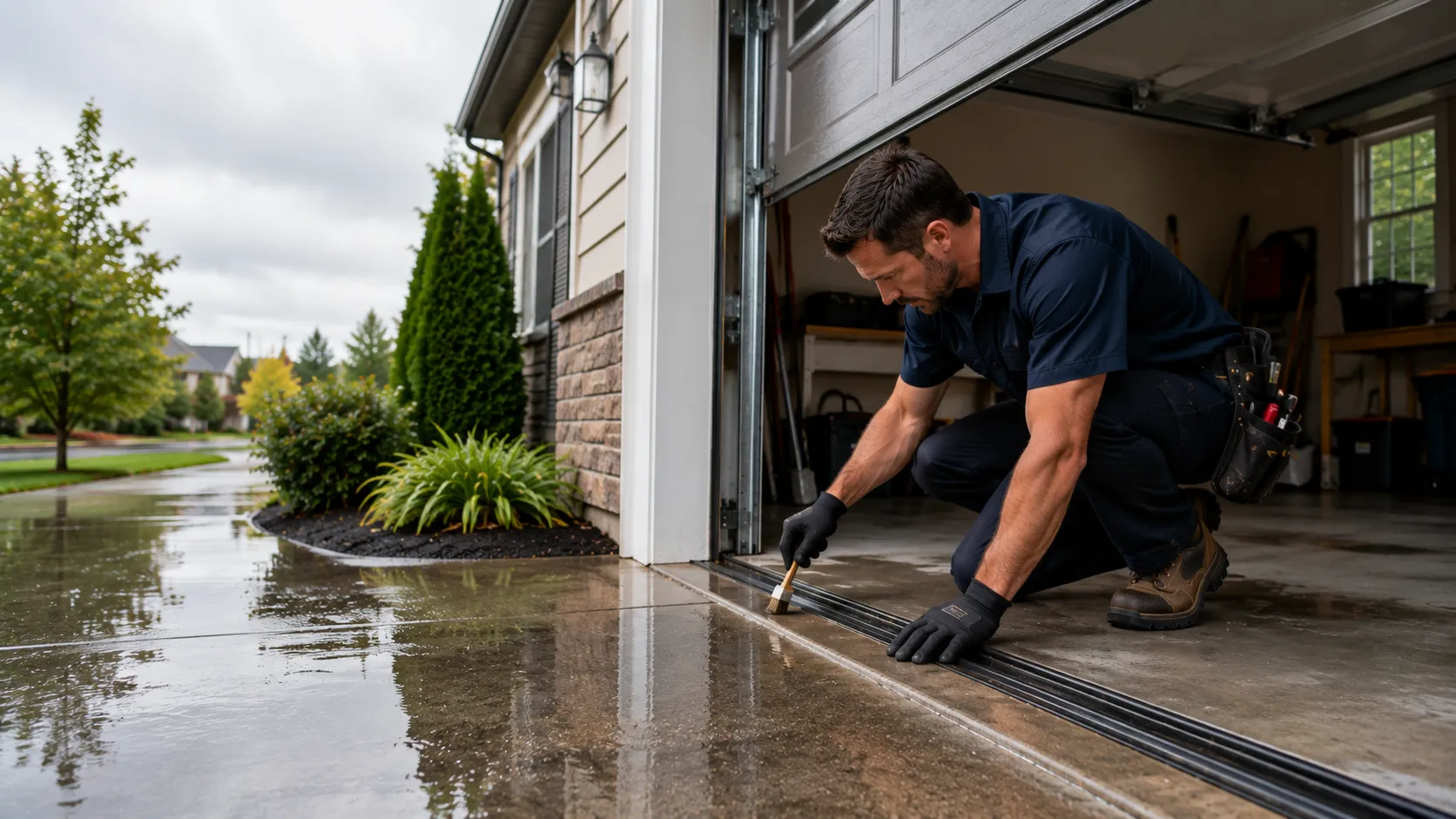
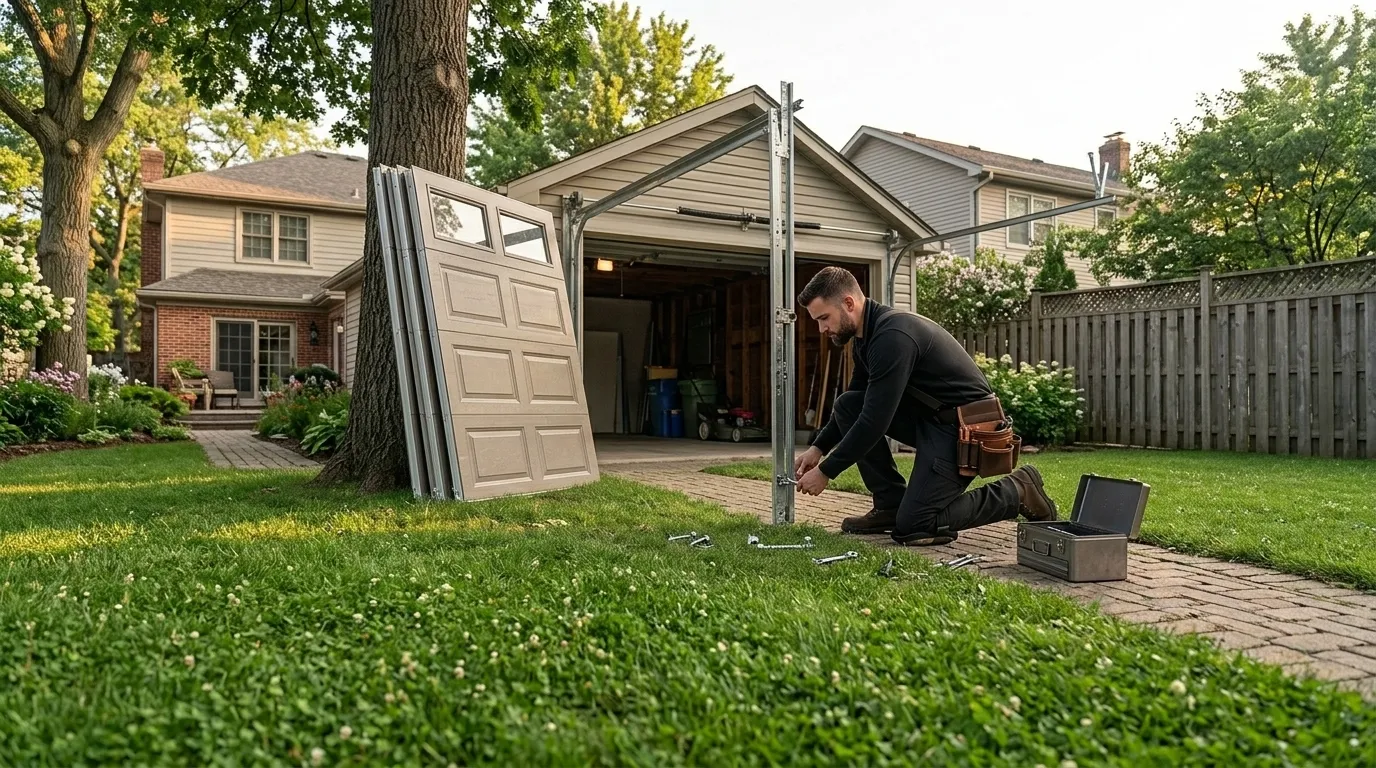
We pull the old door and hardware down to the jambs, check the opening against the new door's spec sheet, and shim or trim as needed - houses from this era were framed to inches that don't always match a modern door's stock sizing. New track goes up plumb and level against the actual opening, not the old holes, because rot and settling over sixty-plus years mean the original mounting points aren't always trustworthy. We size springs to the door's actual weight, not a stock chart guess, and set the opener's travel limits and force settings by hand before we leave. On a cold-climate build we also check that the bottom seal and weather strip actually close against the slab, since a door hung slightly off square in an older frame will leave a gap that a newer door shouldn't have.
Why This Fails Locally
Memphis sits inside a climate band the federal data marks as cold and severe, and a house built around 1958 was framed and insulated for a different set of expectations than code asks for today. A garage door original to that era is single steel, no thermal break, hung on hardware sized for a lighter build than what's standard now. When that door starts sagging or binding, it's not just cosmetic - in this climate, an old door lets more cold into the garage bay than an insulated modern one, and if the garage backs onto living space, that's a real heat loss point. Median household income here runs around $60,884, which tells us the calls we get are practical ones: people replacing a door because it's failing, not upgrading for looks. That's the job we plan for - a straight, well-sealed replacement suited to the size of house Memphis actually has.
What Can Go Wrong
The most common surprise on a Memphis job is a header or jamb that looks fine until the old track comes off it - decades of settling can leave wood that won't hold a lag bolt the way it should, and that has to get sistered or reinforced before a new track goes up. The second is sizing: doors framed for openings common in 1958 sometimes don't match today's stock widths exactly, so a door ordered without a site measure can arrive an inch off. We also see openers original to the house wired into circuits that were never meant to carry a modern unit's draw - worth flagging to an electrician rather than ignoring. None of this is unusual for a house this age; it's just the reason we measure in person before we order anything.