The Symptom
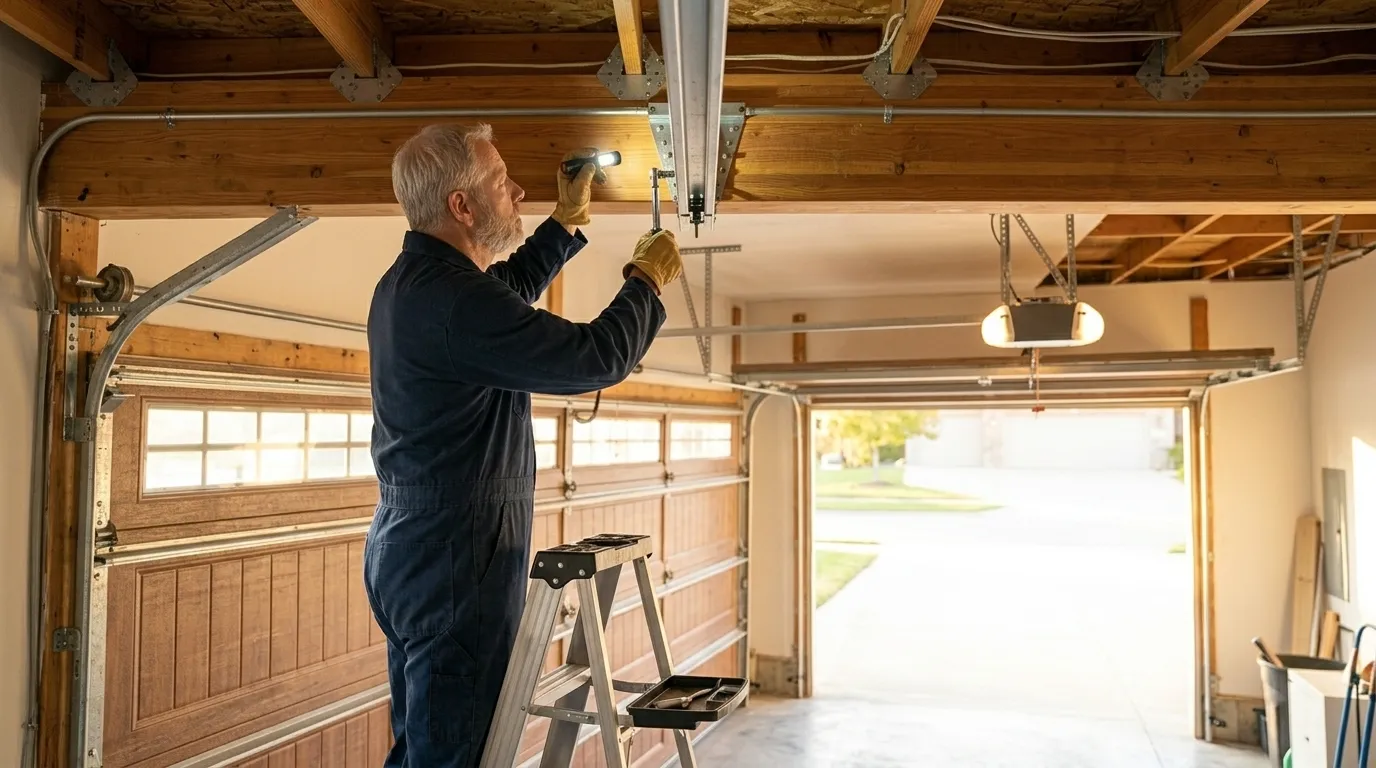
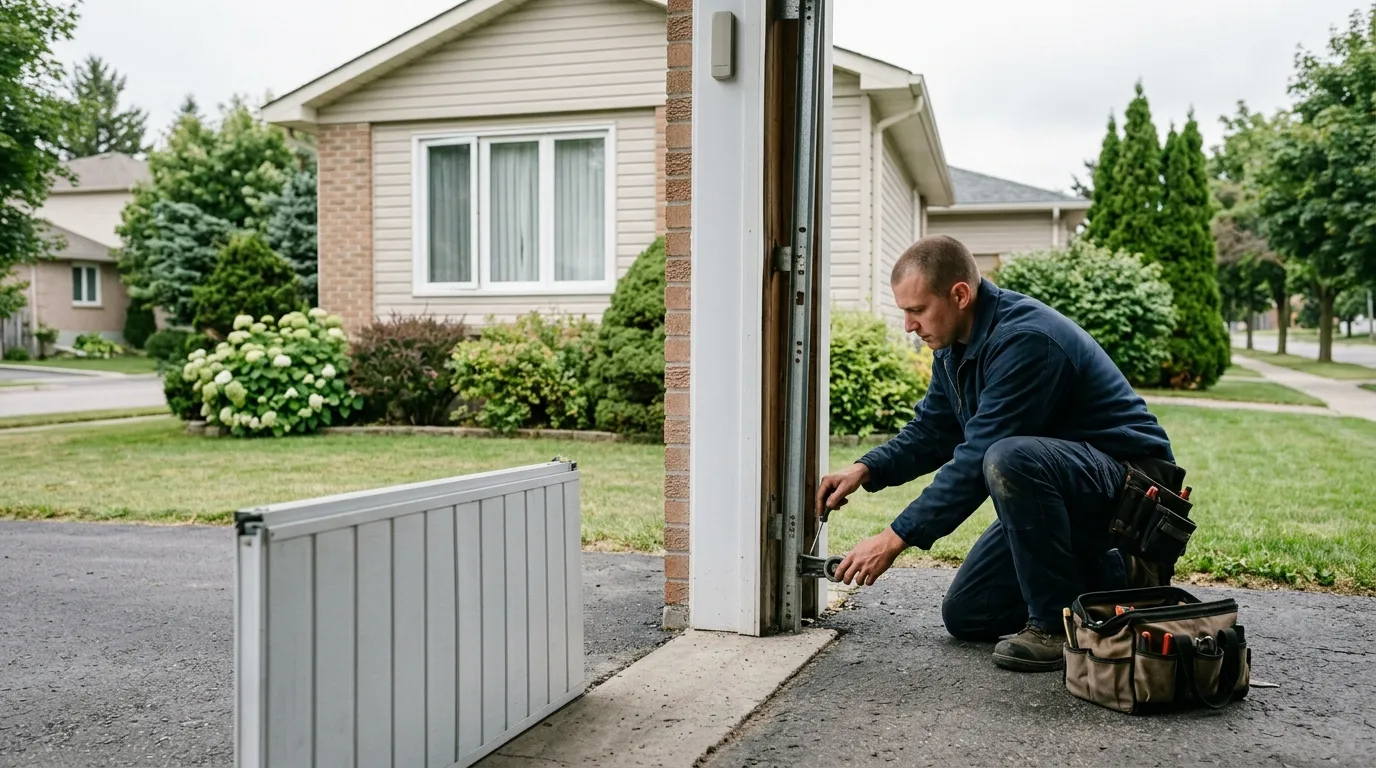
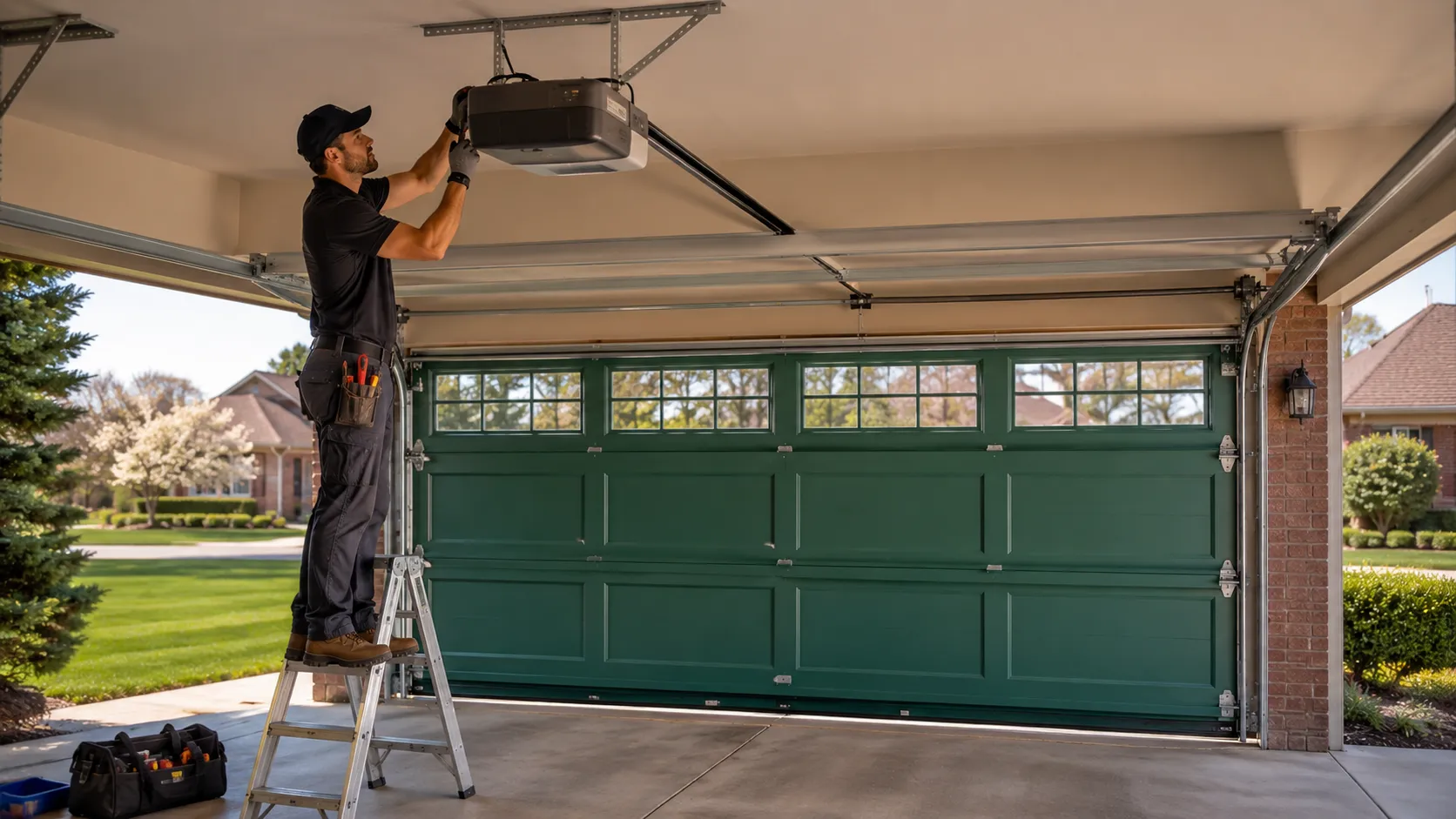
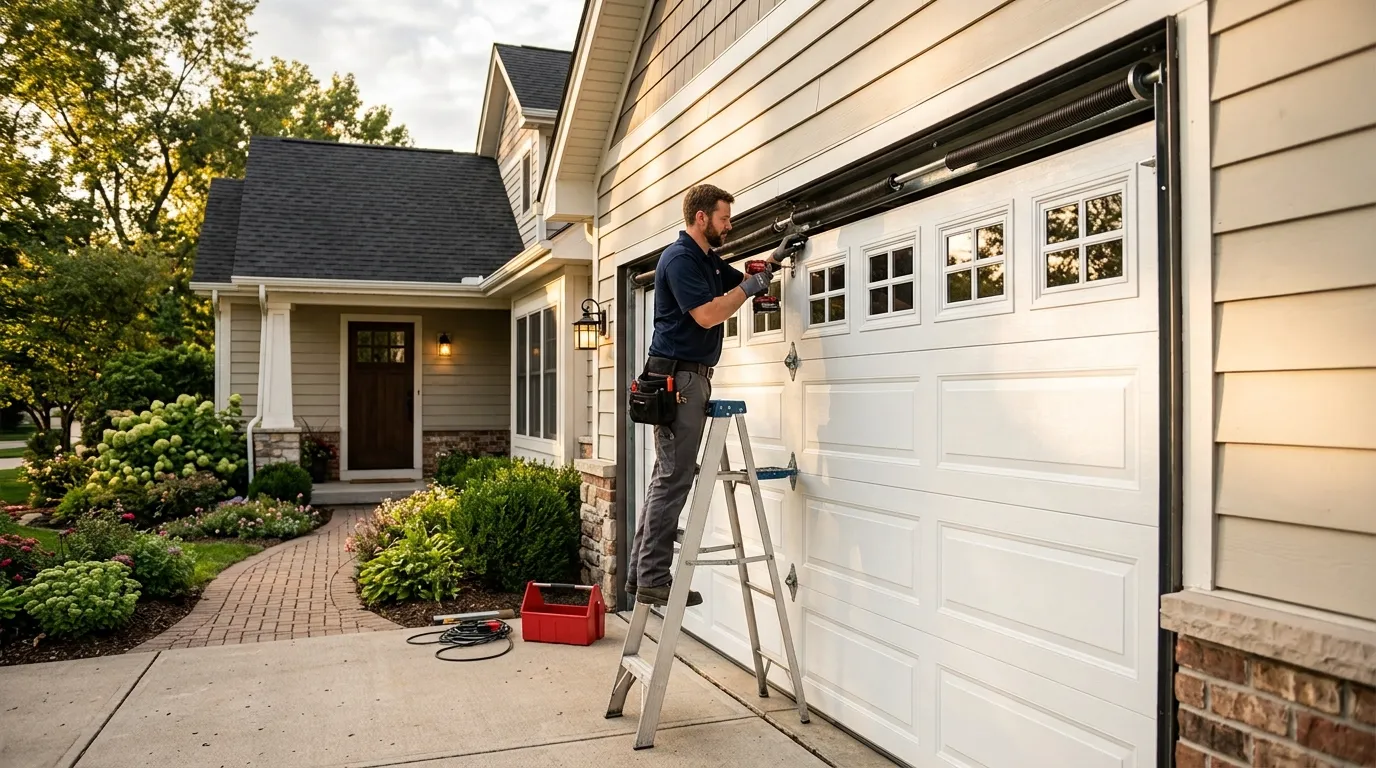
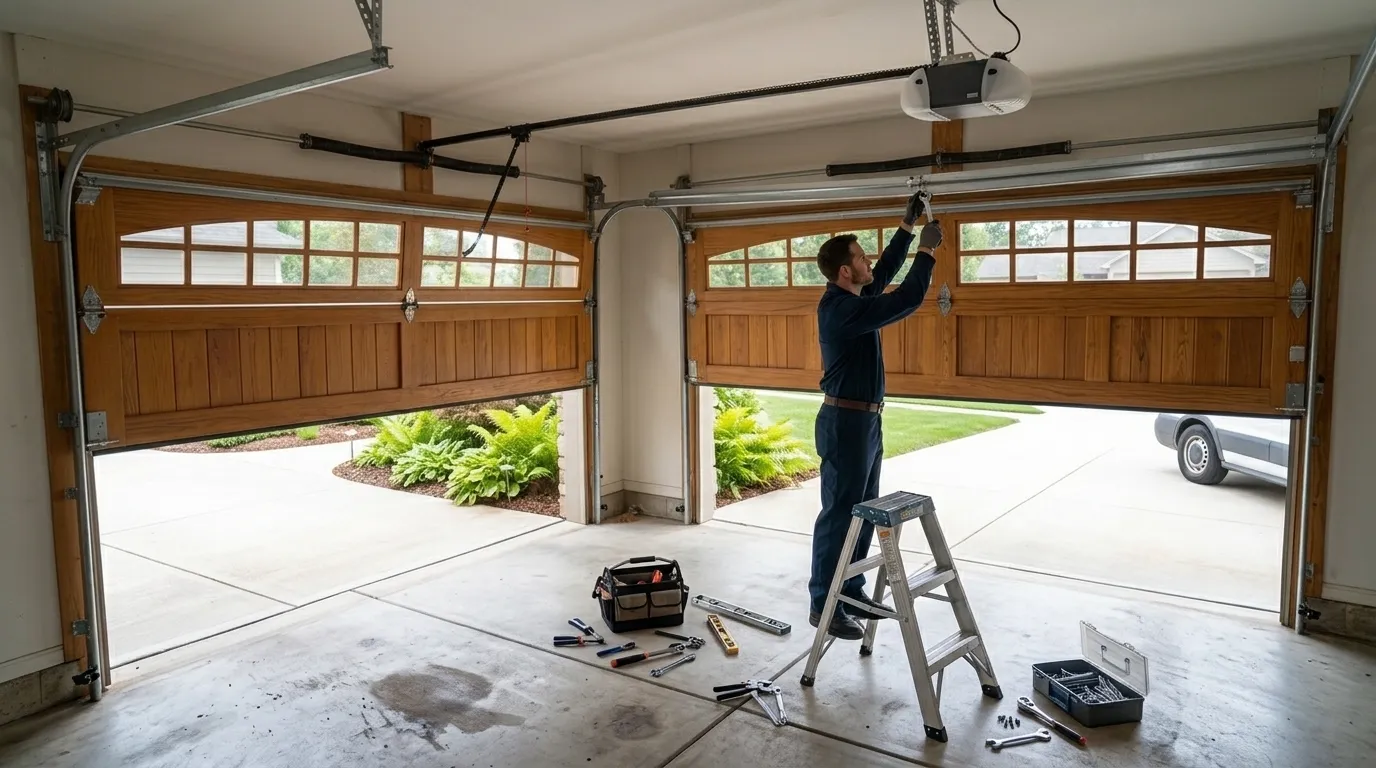
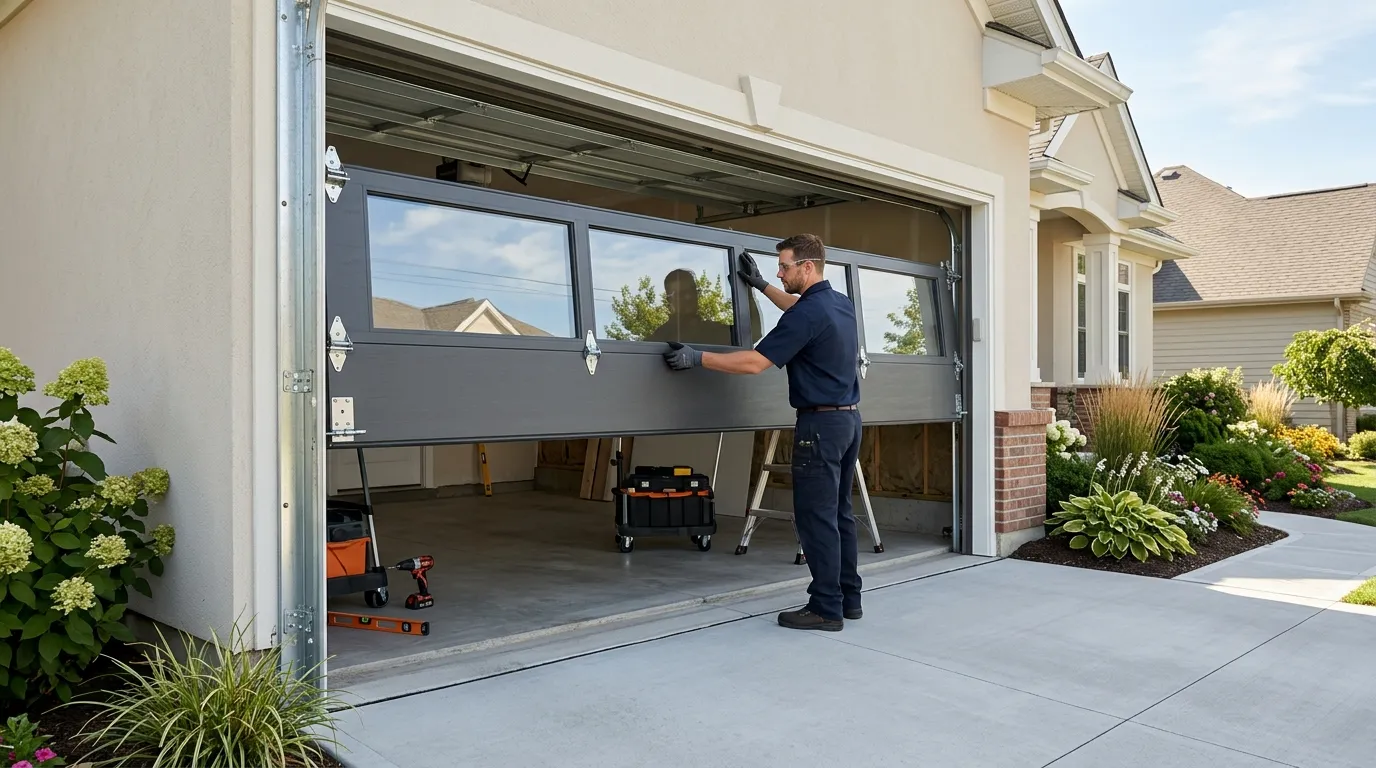
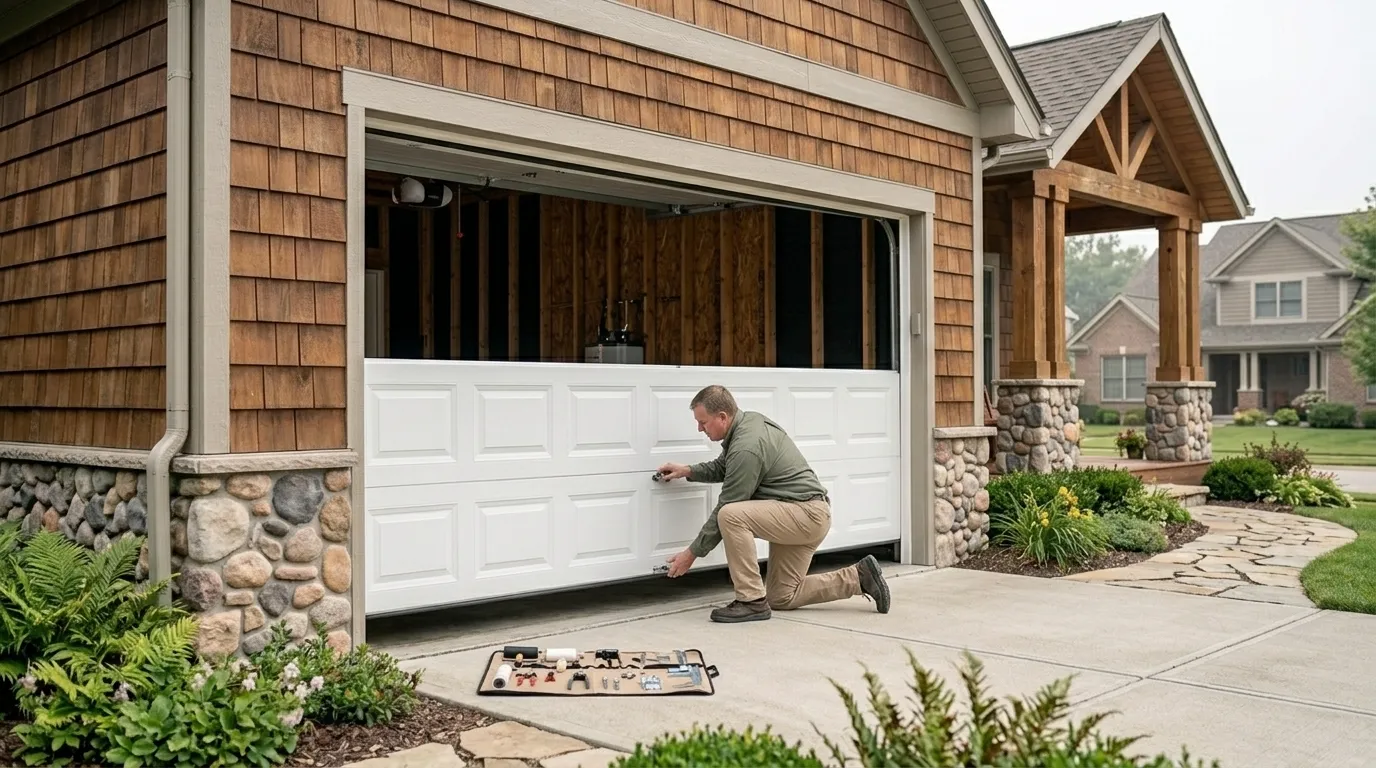
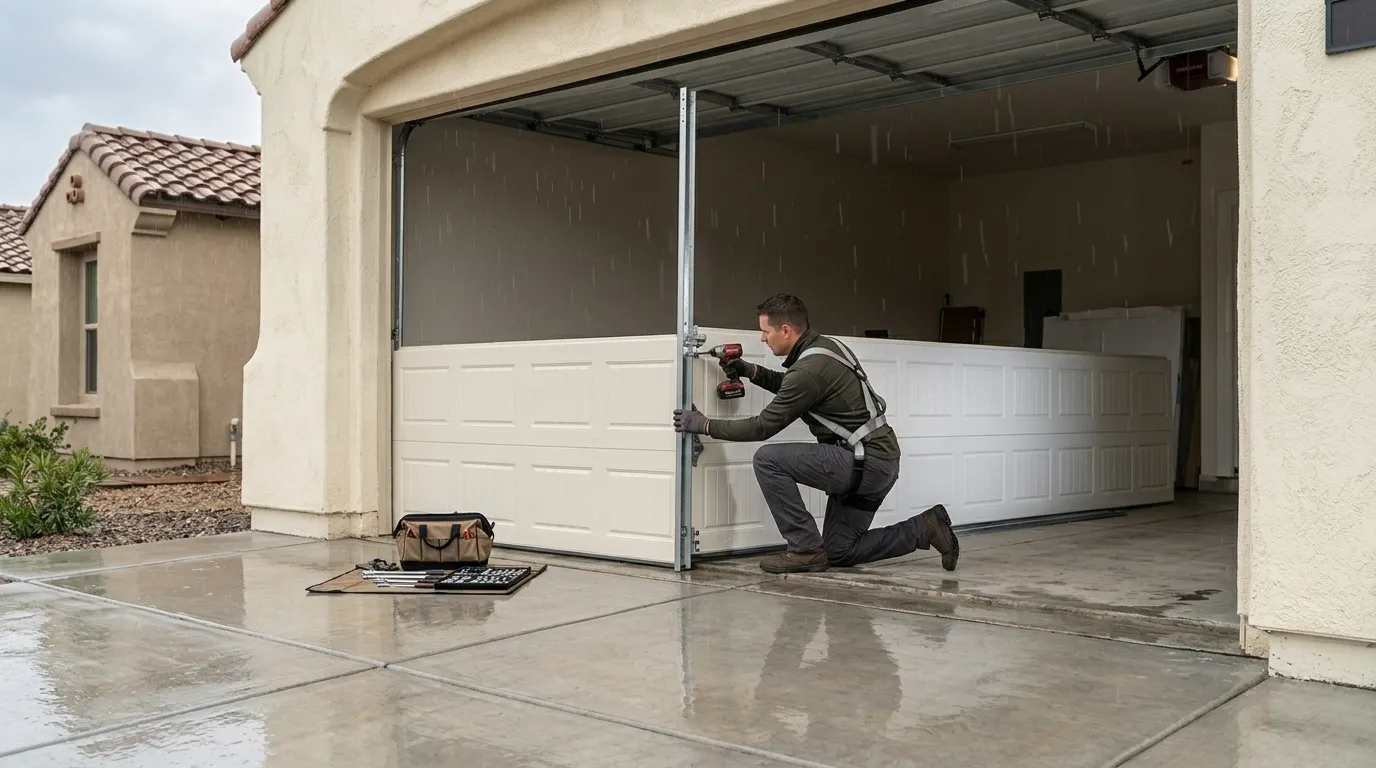
The door won't go up, or it starts up and stops halfway with a bang from the opener. Sometimes it's a loud pop from the garage overnight, then the door won't budge in the morning - that's a torsion spring letting go. Other times the opener runs but the door doesn't move, which usually means a cable jumped the drum or a roller seized in the track. In the cold months you'll also see doors that reverse on their own a few inches off the floor, or that groan and stick partway before finally opening. None of these are the opener's fault by itself - the opener is just the part doing the work that a spring, cable, or track used to help carry. When a spring goes, the opener tries to lift the full weight of the door alone, and either the gears strip or the motor overheats trying. If you're hearing new noises or seeing the door hesitate at the same spot every time, that's a wear pattern, not a random glitch, and it gets worse, not better, on its own.
What You Pay
We don't post a flat number here because a broken spring on a single door and a full torsion system replacement on a heavy double door aren't the same job, and quoting one price for both would be a guess dressed up as a fact. What we can tell you is what drives the number: whether it's one spring or a matched pair, whether the drums or cables came off with it, and whether the opener took damage trying to lift a dead-weight door. With 9,222 owner-occupied houses in this service area, a lot of them built before 1990, we see the same handful of failure patterns often enough to price them on the spot once we've looked at the door - not over the phone from a description. Median household income here runs around $68,482, and most of the repairs we do are built around that reality: fix what's broken, don't sell a new door when a spring and a cable will do the job.
Stocked Parts
Garage door openings on houses from the 1960s and 70s tend to run standard widths, and torsion springs are sized to the door's weight and drum diameter rather than to the house's age, so the parts that fail most on this era of housing are still common, in-stock sizes - we're not special-ordering a spring for most jobs. Cables, rollers, and standard-lift openers fall into that same category. Where we do run into a wait is on discontinued opener control boards for models that stopped being made years back; if your opener is old enough that the manufacturer no longer supports it, replacing the opener is usually faster and cheaper than chasing a part that may not exist anymore. That's the one honest limit here - we can fix almost anything with a spring, cable, or track, but we can't always get a circuit board for an opener that's been out of production a long time.