The Problem
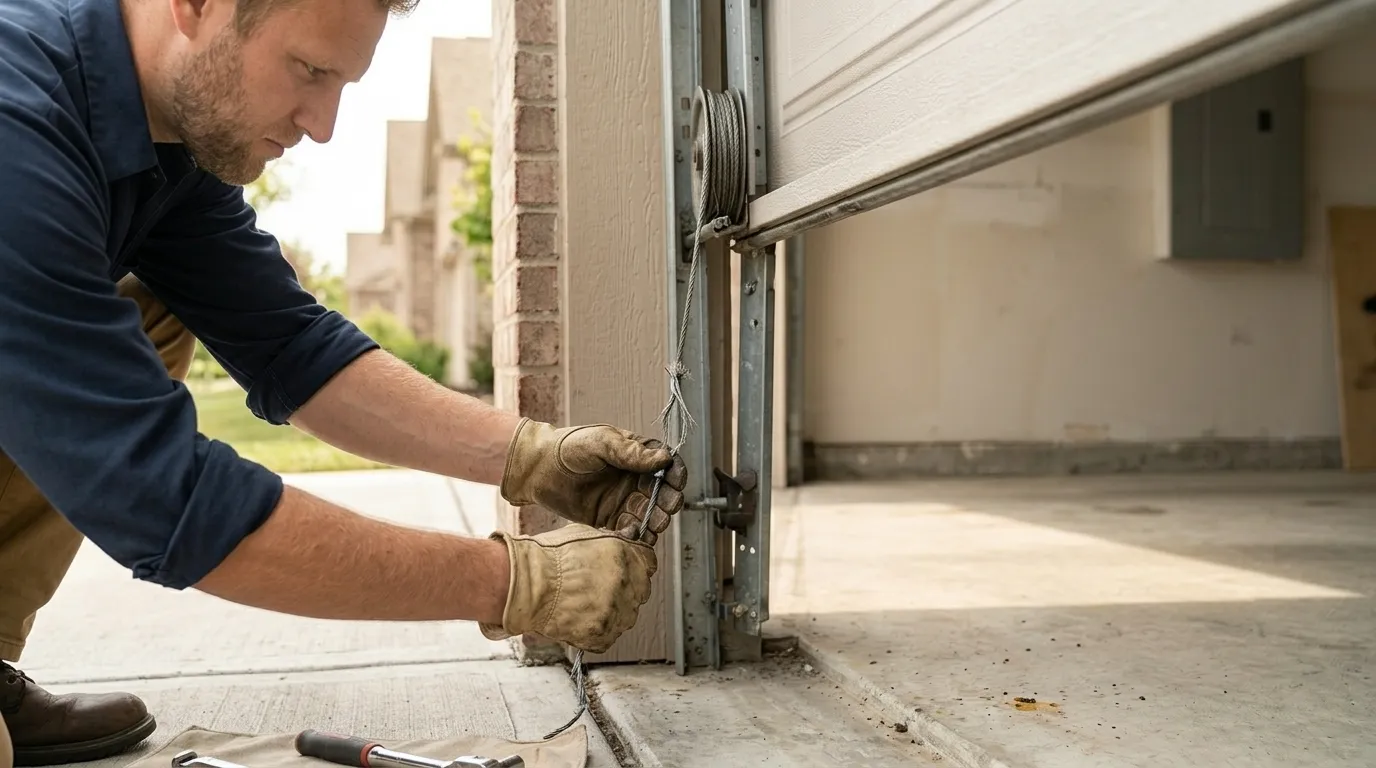
Most of the housing in this service area went up between 1938 and 1989, with the heaviest run of construction in the 1960s and 70s. That's not a small detail. A door installed on a house from that era was sized to hardware that stopped being made a long time ago: torsion springs in wind counts nobody carries new, tracks bolted to framing that's shifted a little every winter for fifty or sixty years, steel panels with no insulation layer because the codes of the day didn't call for one. Across the ten areas that make up this service territory, that older stock is the rule, not the exception. When a spring snaps or a cable frays on one of these doors, the fix often isn't a straight swap - it's tracking down a part that matches equipment from a different decade, or deciding the door itself has reached the point where matching old hardware costs more than replacing it. With 9,222 owner-occupied houses in the area, a good share of them are still running close to their original door and opener, which is exactly why age-related failure, not accident damage, is what we get called out for most.
When Waiting Is Fine
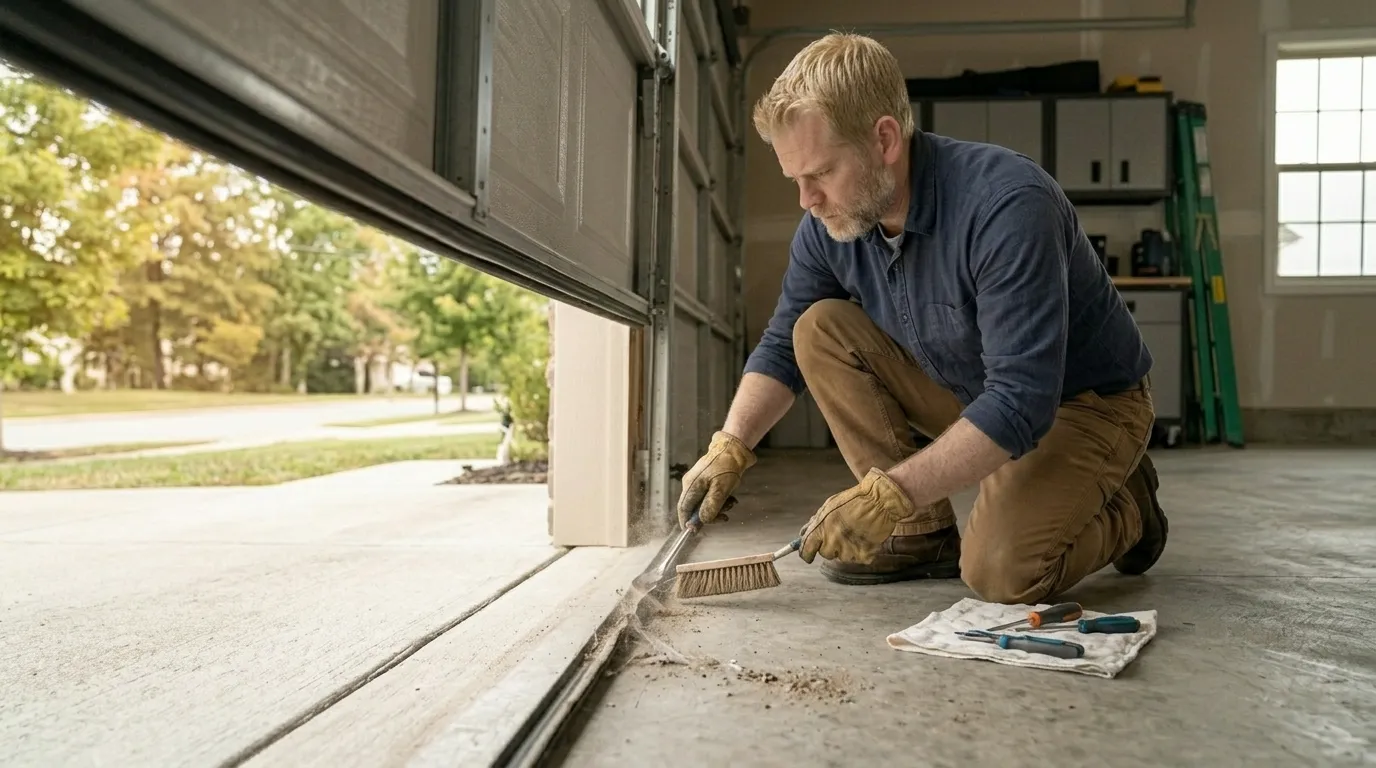
Not everything needs a same-day call. A roller that squeaks but still runs smooth, a small dent in a panel that doesn't affect the seal or the track alignment, or an opener that seems a beat slower to respond on a cold morning and then works fine once the garage warms up - none of that is an emergency. Cosmetic wear on an older door, scuffed paint, a slightly loose weatherstrip at the bottom, can usually sit on a list until it's convenient rather than forcing a truck out same day. Given the median household income here is $68,482, most owners we talk to are weighing a repair against a full replacement rather than writing a check for either without thinking it through, and cosmetic issues are the ones that give you the most room to plan instead of react. The line to watch is whether the door still opens and closes fully and the spring tension feels normal when you lift it manually with the opener disconnected. If that's still true, waiting costs you nothing but time.
What the Weather Here Does to It
This area sits in a cold climate band with severe winters, and that matters more on an older door than a newer one. Steel contracts in deep cold, and doors on houses built before insulation rules took hold flex more at the seams because there's no foam core holding the panel rigid. That flex is what you're hearing when an old door bangs or rattles on a windy night that a newer insulated door would ride out quiet. Freeze-thaw cycles work on the track hardware too - moisture gets into bolt holes and mounting brackets that have been there since the 1970s, and by the time spring comes, tracks that were slightly out of alignment in the fall are noticeably worse. Ice buildup at the bottom seal is common on uninsulated doors from this era because there's nothing stopping the cold garage air from meeting warmer air at the threshold. None of this is unique to any one house - it's what the combination of this climate and this housing age does, year after year, to doors that were built for a different set of standards than the ones in place now.