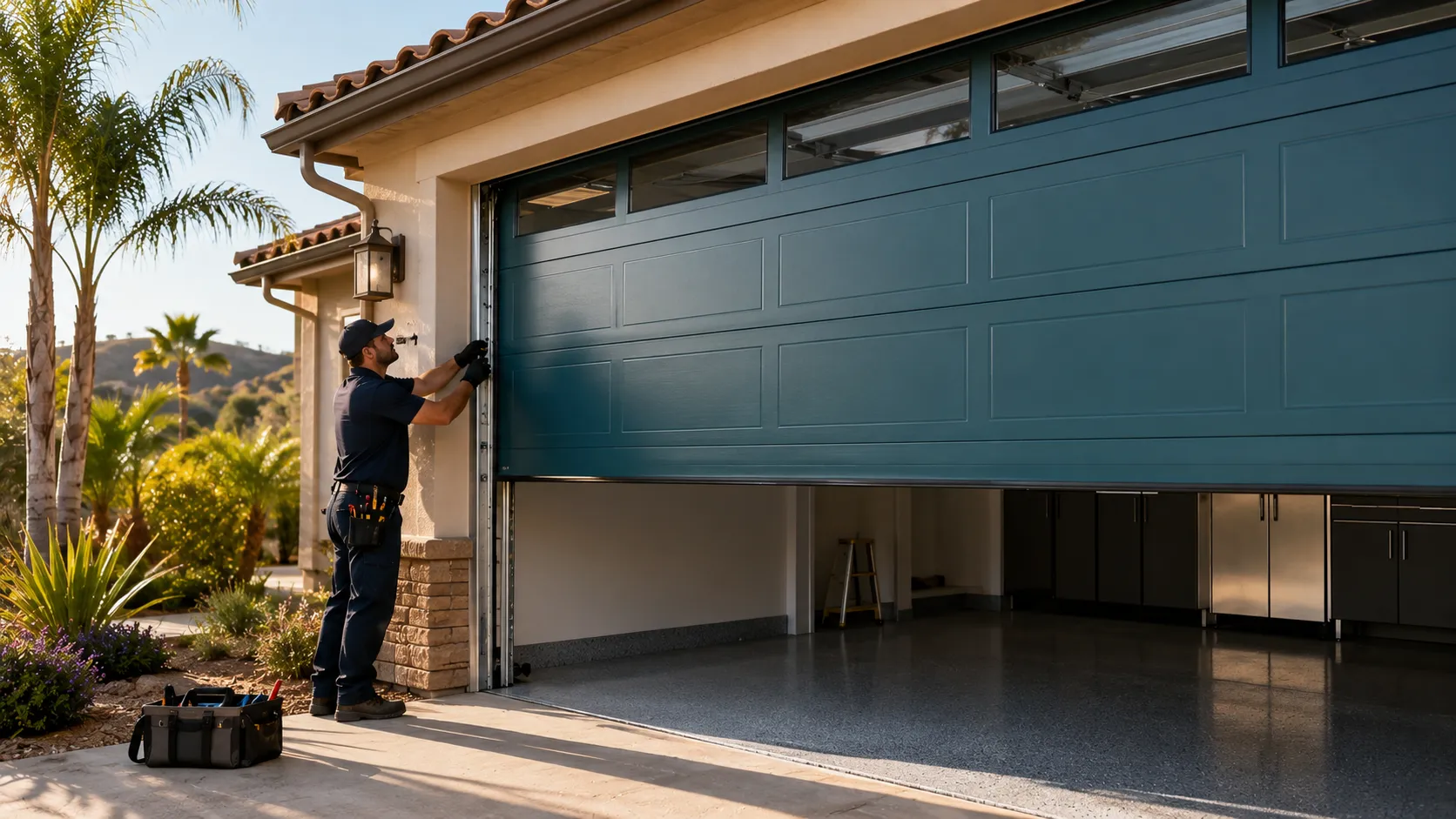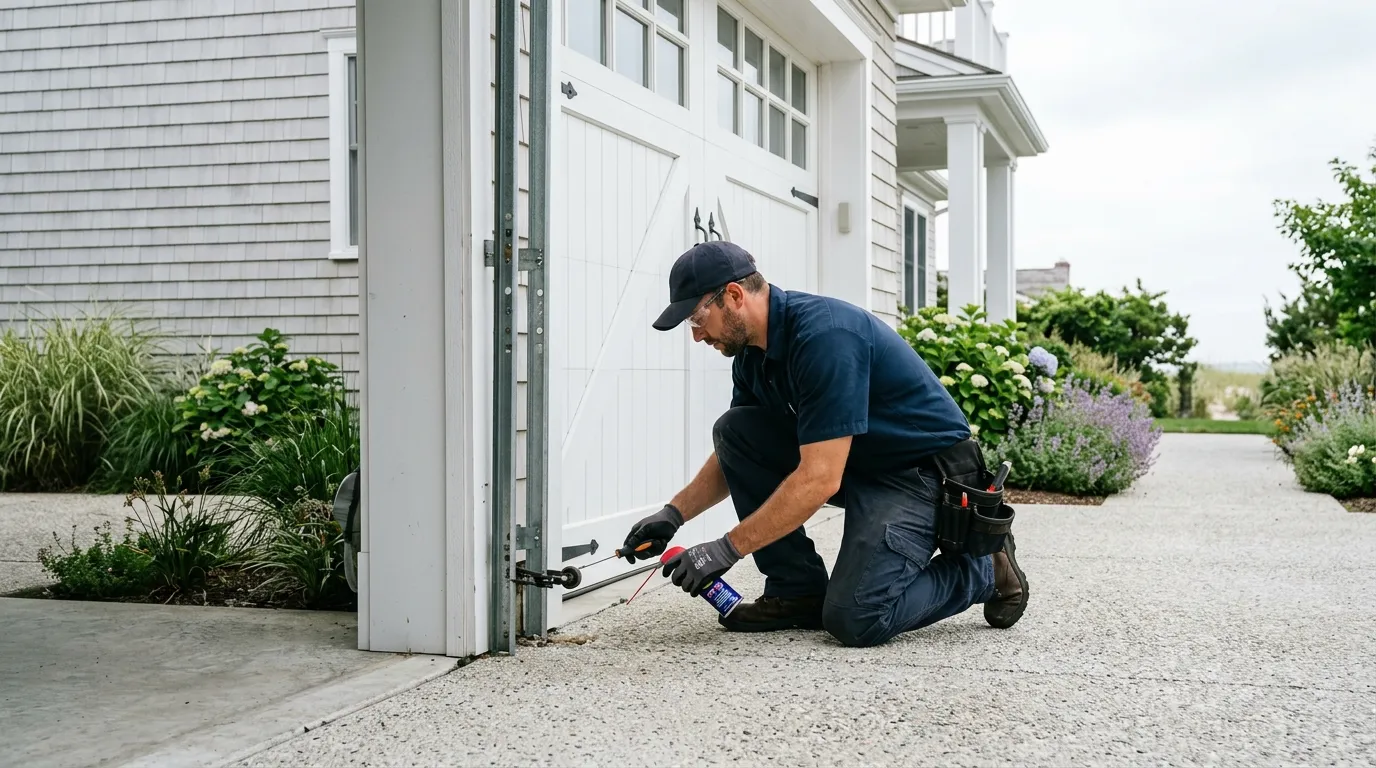
The Problem
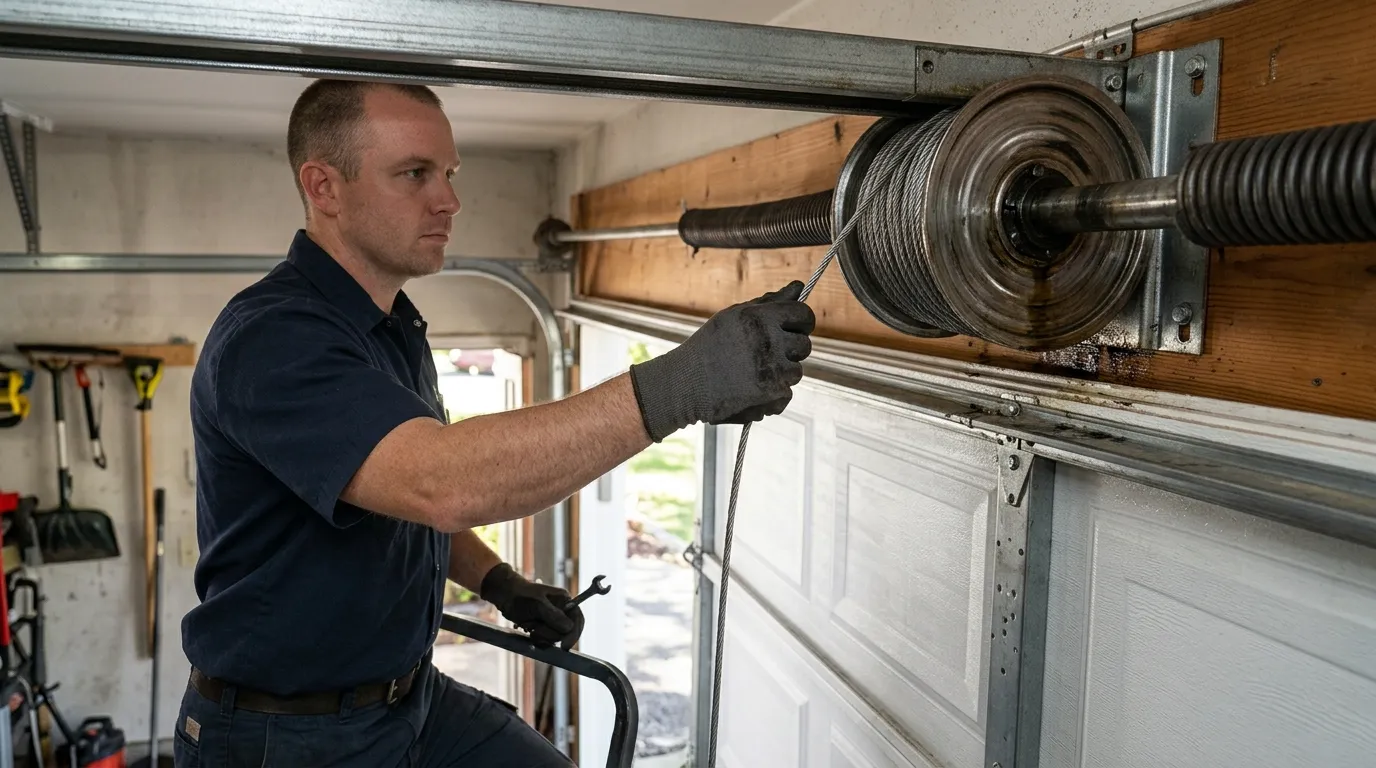
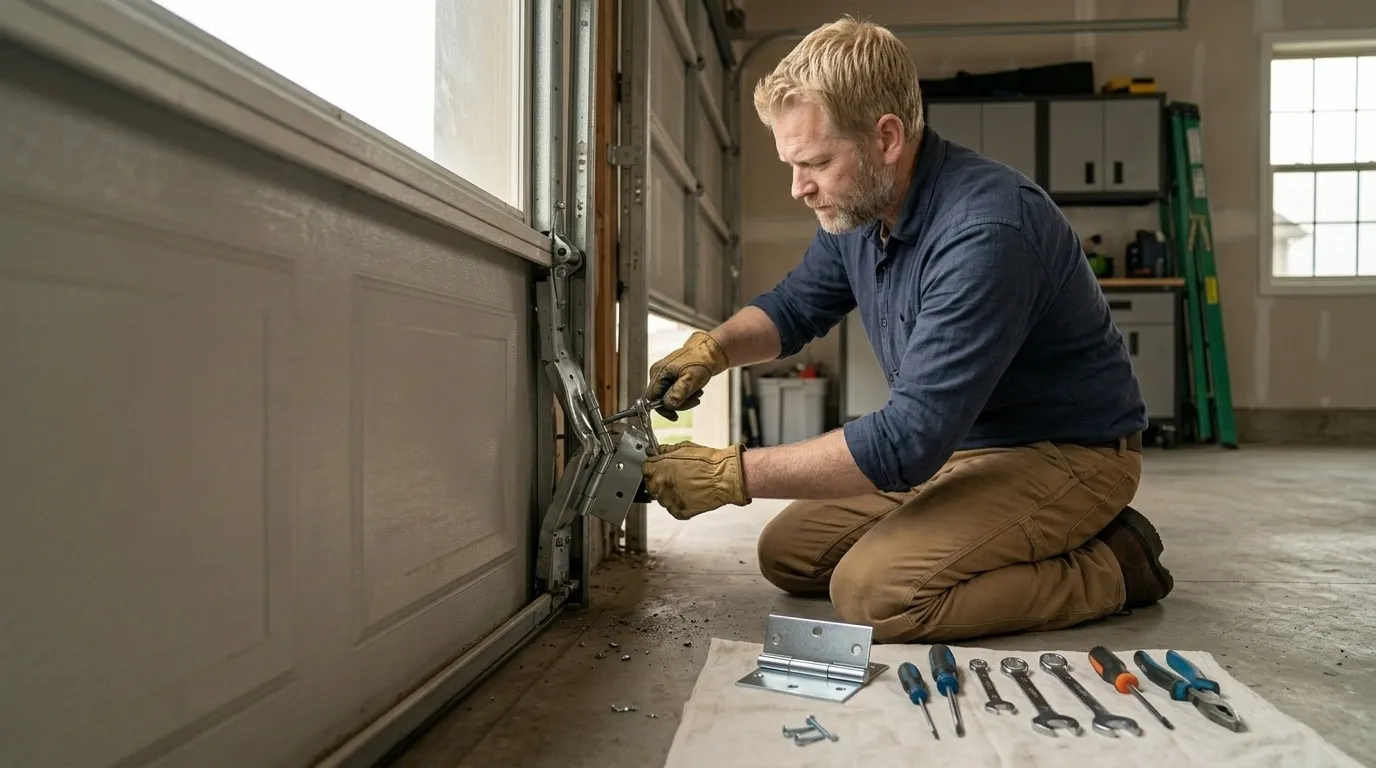
Most houses across the service area went up between 1938 and 1989, with the median landing in 1978, which puts a lot of original torsion hardware on doors that are older than the average car in the driveway. That hardware was built for a different era of steel and a different set of expectations about how many winters it would see. Springs are rated in cycles, not years, but age and cold both eat into that rating at the same time. A spring that's done 20,000 open-and-close cycles over four decades doesn't have much reserve left when the temperature drops hard overnight. Across the ten communities within twenty miles of here - Marysville, St. Clair, Grant, Emmett, Memphis, Fremont, Marine City, Lexington, and Richmond - the housing stock skews the same 1960s-70s era, so the same spring problem shows up house after house, not as some fluke. The practical result: a door that opened fine yesterday can refuse to budge, or worse, let go with a bang, the first hard-freeze morning of the season. It's not bad luck. It's steel that was already tired meeting steel that just got cold.
When Waiting Is Fine
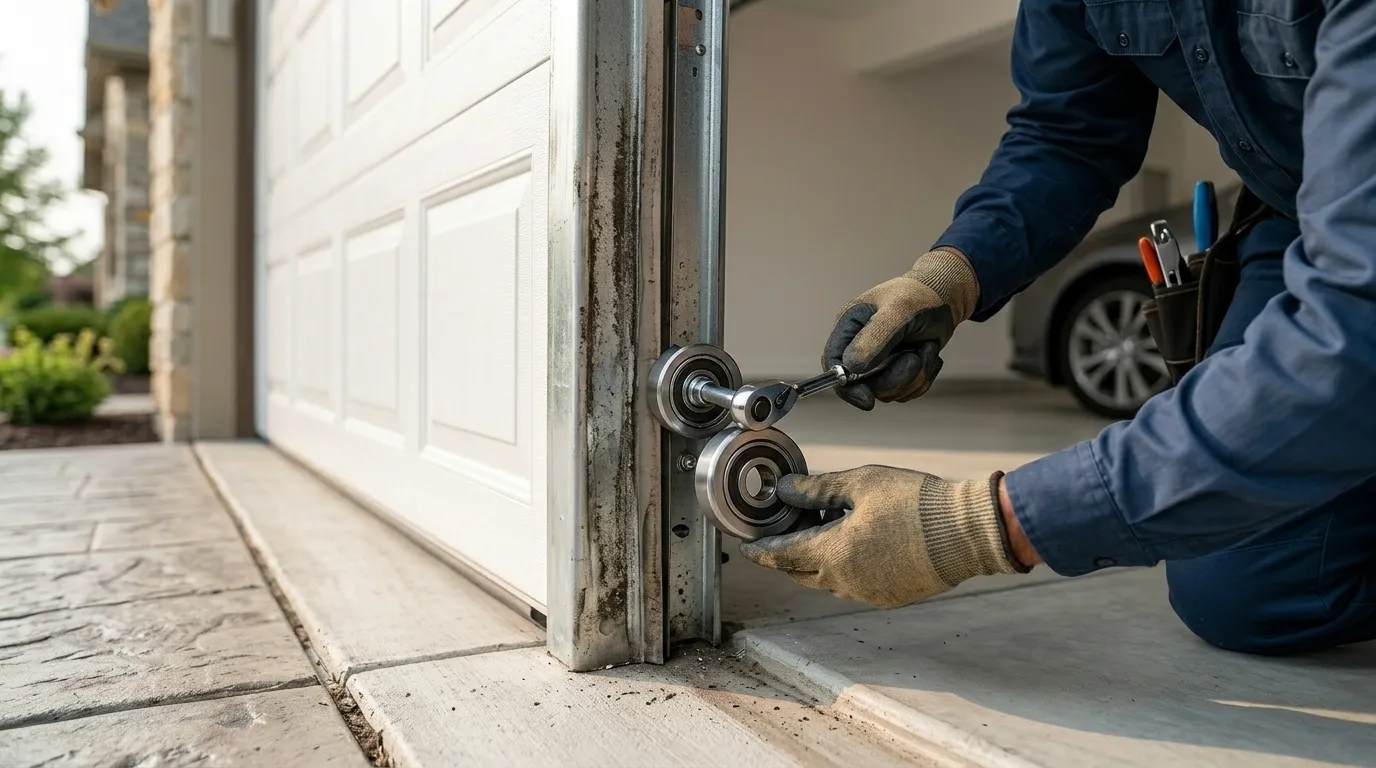
Not everything needs a same-day truck. A little squeak from the rollers, a track that's slightly out of alignment but still lets the door run smooth, or a remote that's gone flaky - none of that is an emergency, cold weather or not. If the door opens and closes the way it always has and the only issue is noise, you can wait for a normal appointment rather than paying for a rush call. Weatherstripping that's gone stiff and cracked in the cold is worth fixing before spring, but it won't strand your car overnight. At a median household income of $68,482, most owners here are weighing a spring replacement against other winter costs, not treating it as pocket change, so it's fair to ask us which repairs are urgent and which can sit on the schedule a few weeks. We'd rather tell you it can wait than run up a bill on something that isn't actually failing.
What the Weather Here Does to It
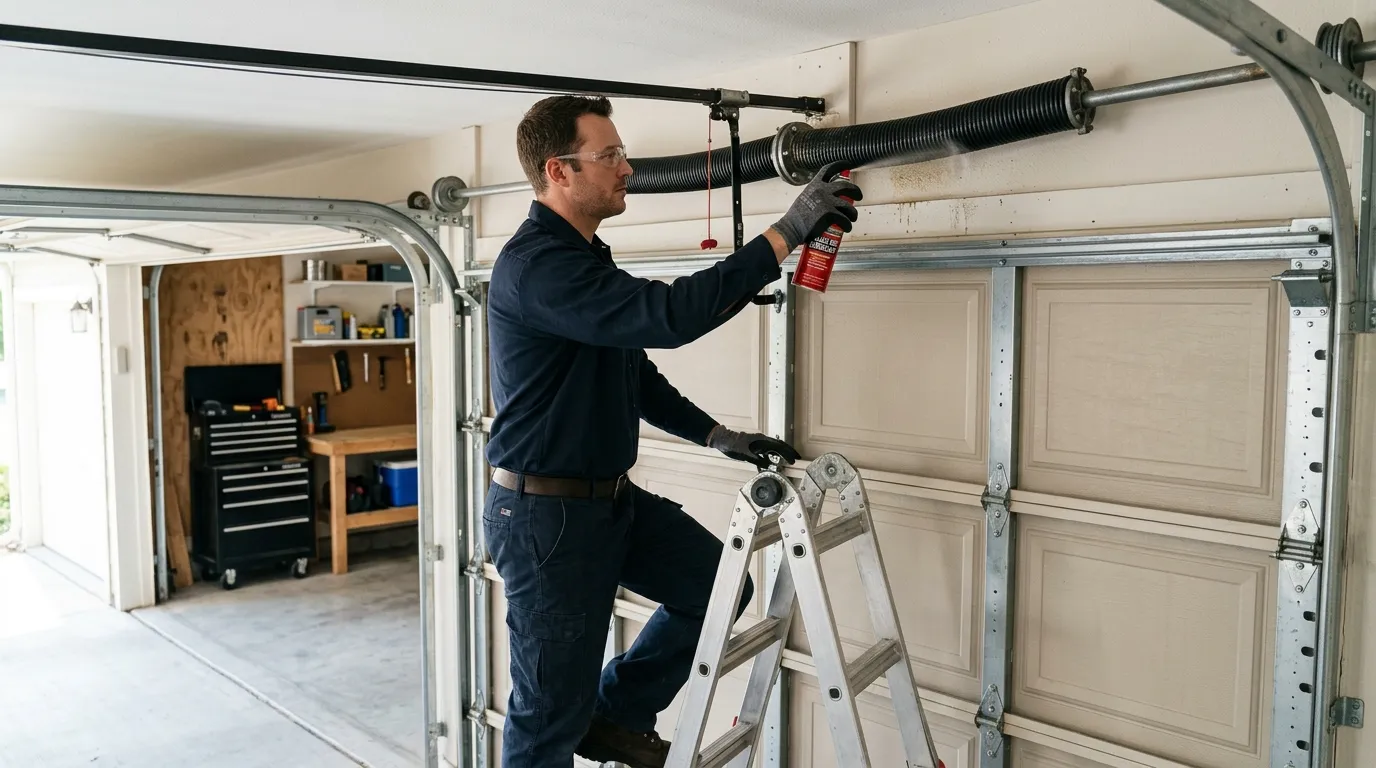
Port Huron sits in a cold band that runs to the severe end, and that matters more for garage doors than people expect. Steel contracts as it cools, and a torsion spring that's already lost some of its coil tension from age has less give left when it's asked to flex in single-digit temperatures. Lubricant on rollers and hinges also thickens in the cold, adding drag right when the spring has the least reserve to spare. None of this is exotic - it's just what happens to 1960s-70s hardware, sitting outdoors, in a climate that gets genuinely cold for months at a time. The fix isn't complicated: springs rated for the load and kept lubricated for winter hold up. The failures we see are almost always on hardware that was due for replacement anyway, and the cold just picked the morning.