The Problem
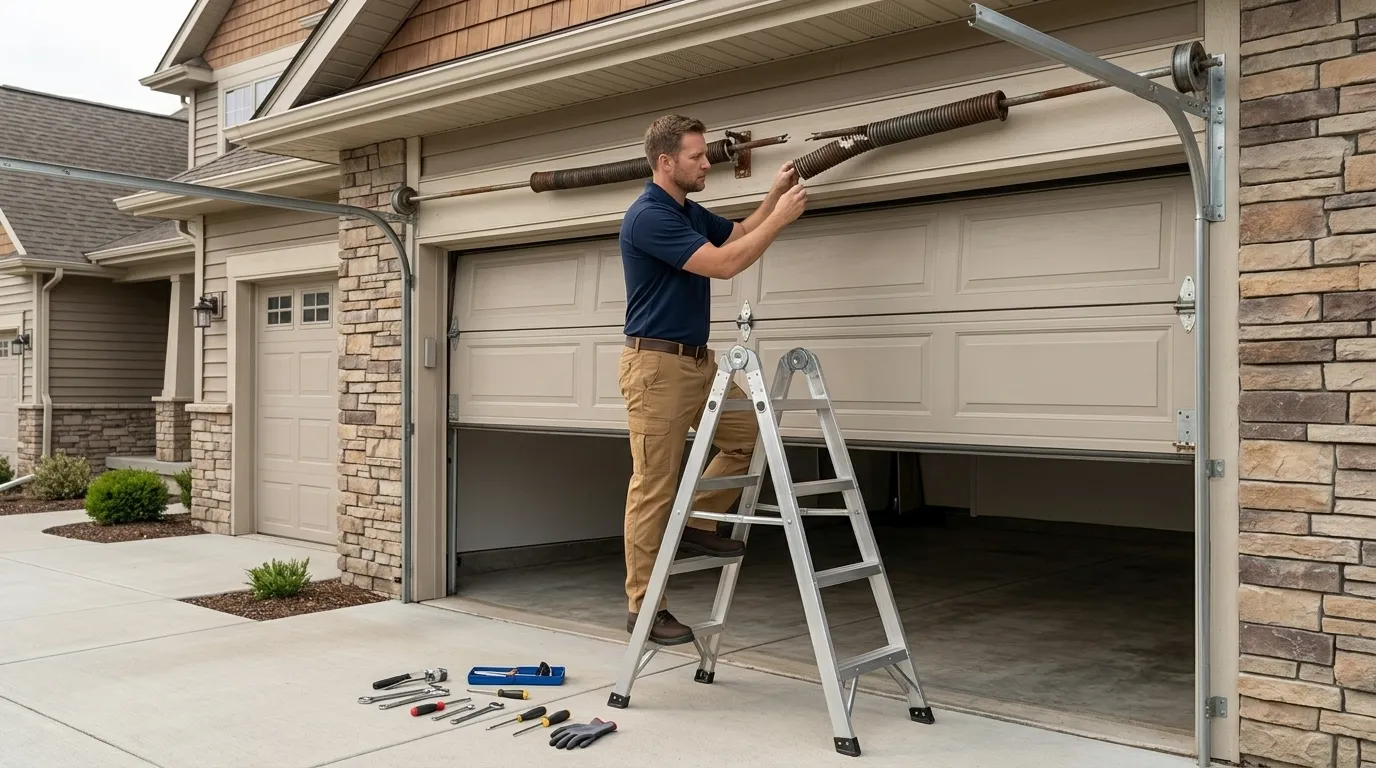
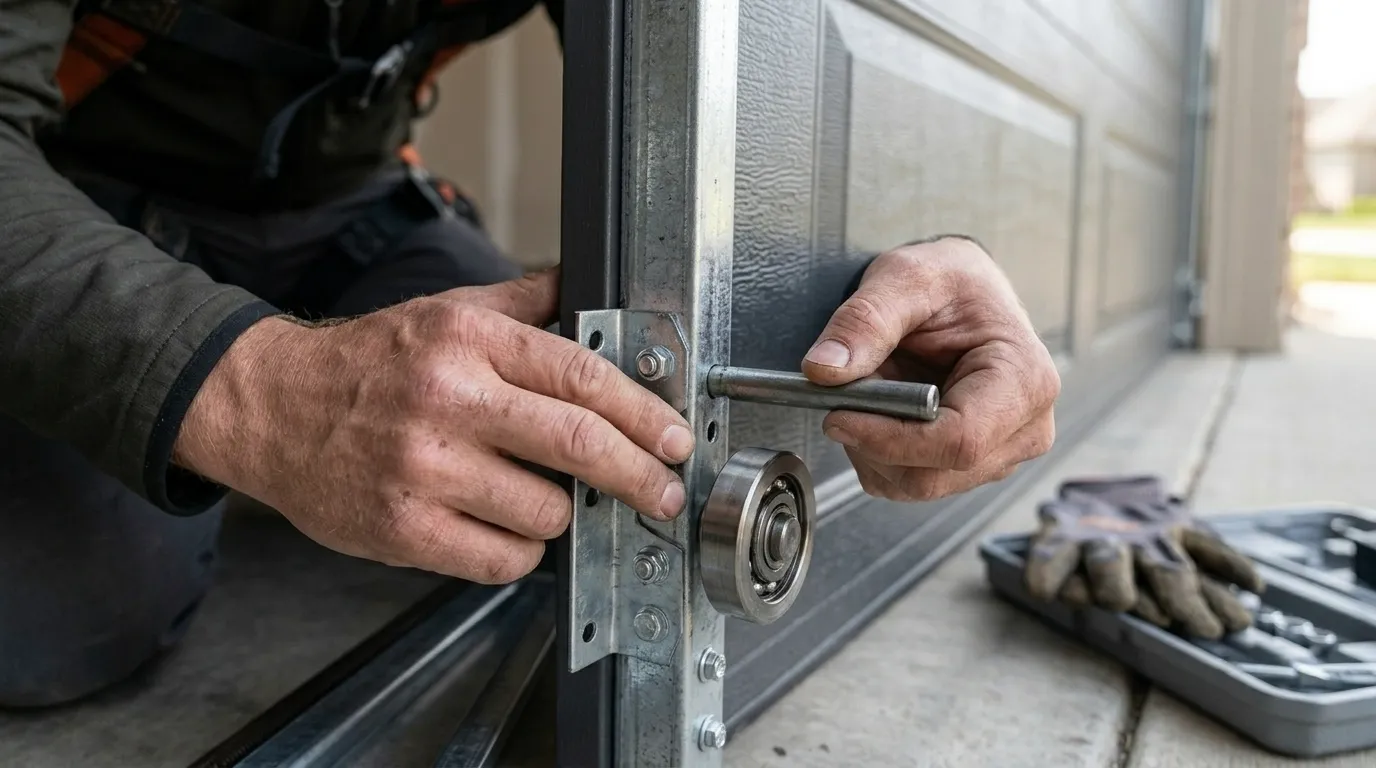
Most houses in Port Huron went up between 1938 and 1989, with the median landing around 1978, and the ten areas we work across the service area are heaviest in 1960s and 70s builds. That matters because a door built or installed in that era wasn't speced for what a Michigan winter does to steel and hardware over fifty years. The tracks were often set for a lighter door than what's on the opening now, the springs are usually the original wind count, and the rollers are steel, not nylon. Nobody built these for a fifty-year service life, and most weren't meant to be. So the question a homeowner is actually asking, whether they say it or not, isn't "can this be fixed" - almost anything can be fixed for a price - it's whether the door still owes them anything. On a 1970s door with the original torsion spring and steel rollers, the honest answer is usually no. The hardware is at or past its rated cycle count, the panel has likely taken sixty winters of freeze-thaw at the bottom seal, and you're patching a door that's going to need the next thing in eighteen months anyway.
When Waiting Is Fine
If the door is just stiff on the coldest mornings and loosens up by afternoon, that's normal behavior for steel hardware in this climate and not something to chase. Cold makes lubricant thicken and metal contract slightly - it's not damage, it's weather. If a panel has minor surface rust but the door still opens, closes, and seals square, you can leave it through a season; rust on 1970s-era steel panels is cosmetic long before it's structural. And if the only issue is a slightly noisy roller on a door that otherwise runs true, that's a maintenance item, not an emergency - it'll tell you when it's ready to be a real problem, and it usually gives you weeks of warning, not hours.
What the Weather Here Does to It
Port Huron sits in a severe cold climate band, and that changes the math on repair versus replace more than most homeowners expect. Cold contracts steel, stiffens lubricant, and makes springs and cables carry load they were engineered for at a warmer baseline. On a door from the 1938-1989 housing stock that's common here, that stress lands on hardware that's already decades into its rated life. The bottom seal is usually the first casualty - it hardens, cracks, and stops sealing, which lets in the wind that then finds every other weak point in the door. None of this is unique to any one house; it's what this climate does to any door old enough to have started life before modern weatherstripping and cold-rated springs were standard. That's the honest limitation here: we can extend the life of an older door with a spring swap, new seal, and roller replacement, but we can't make 1970s steel behave like a door built for this climate today. At some point on a door this old, replacement stops competing with repair cost and starts winning on it.