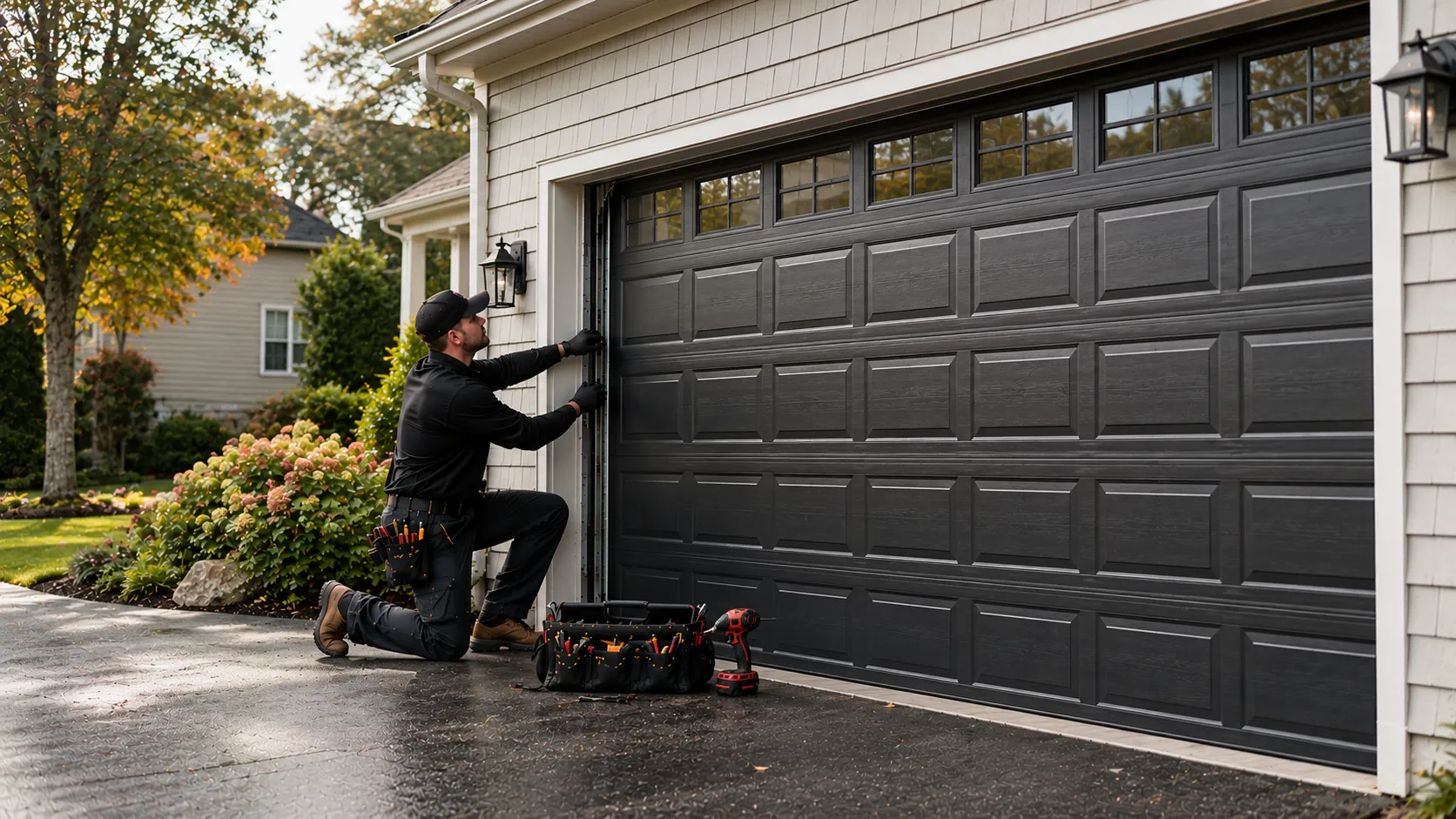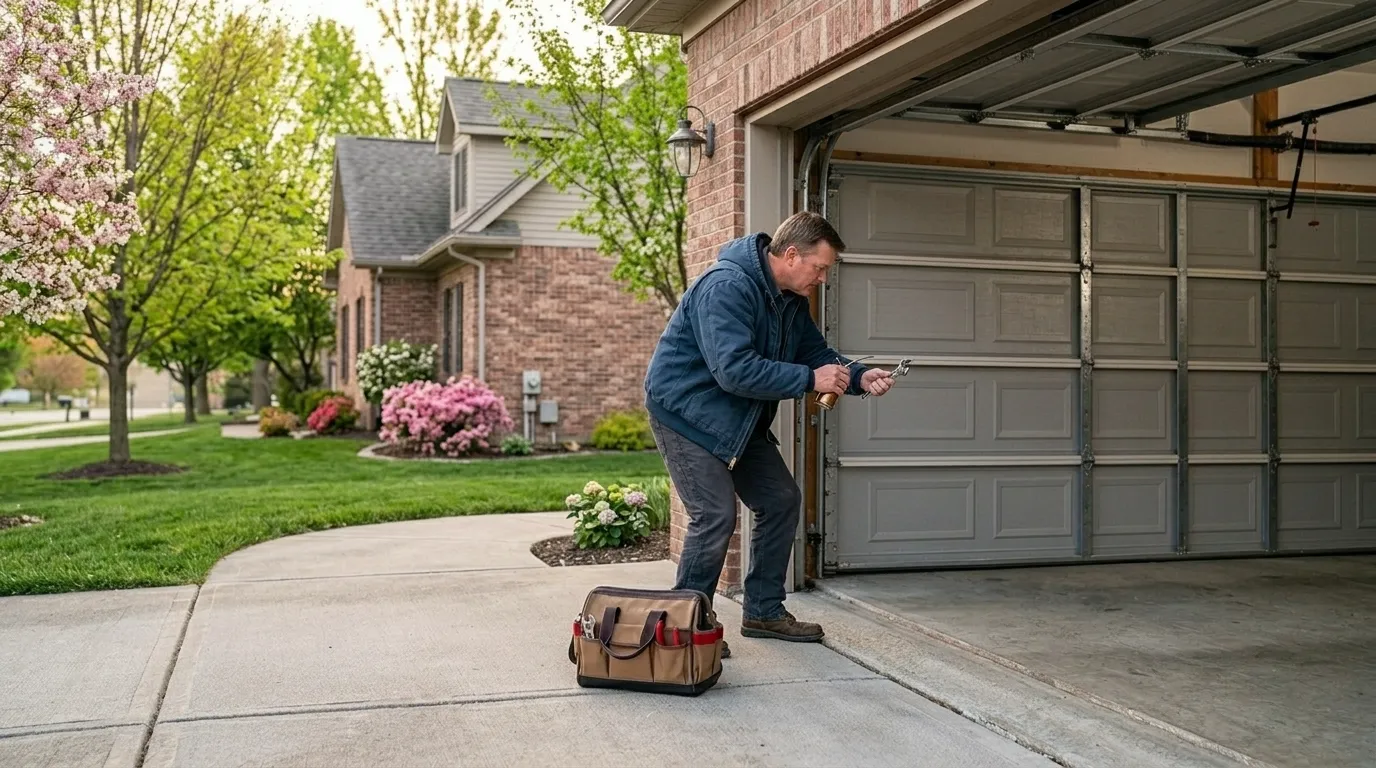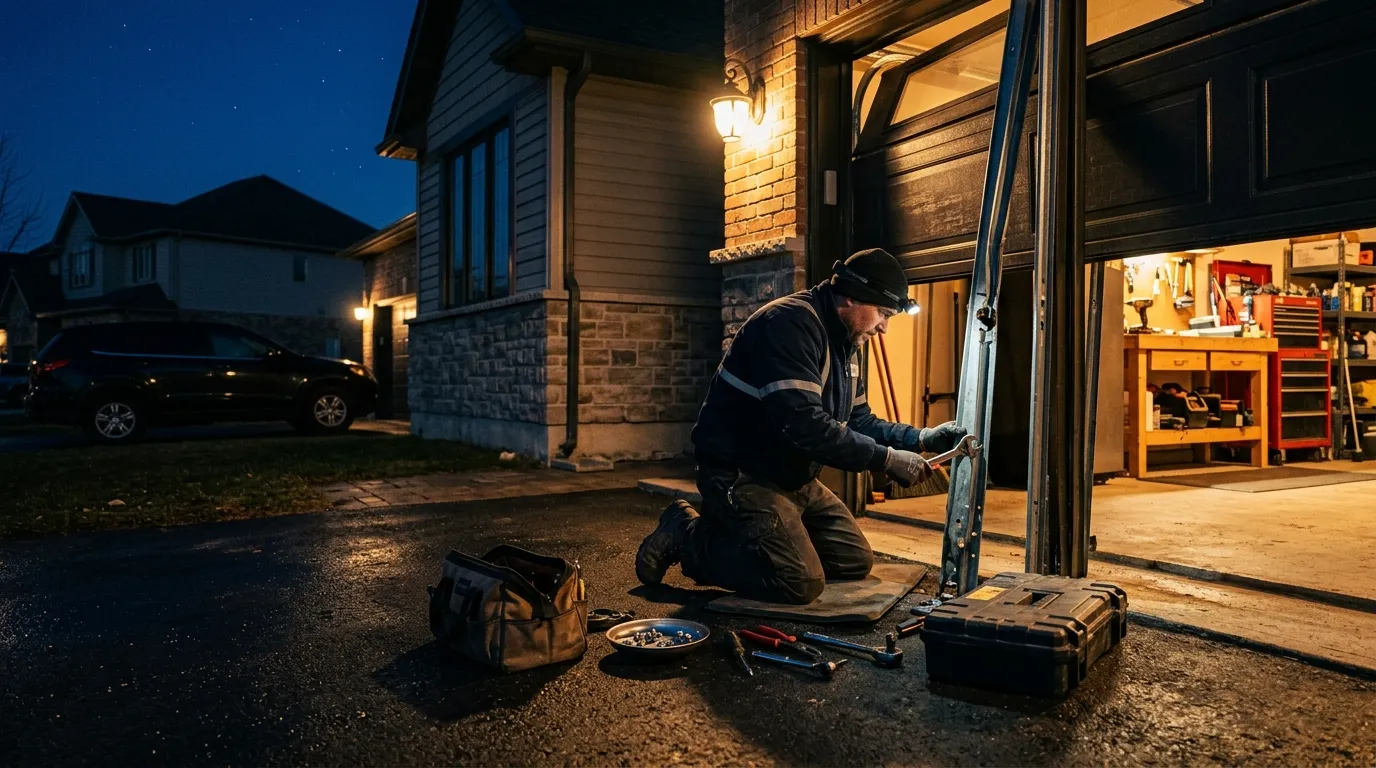
The Problem
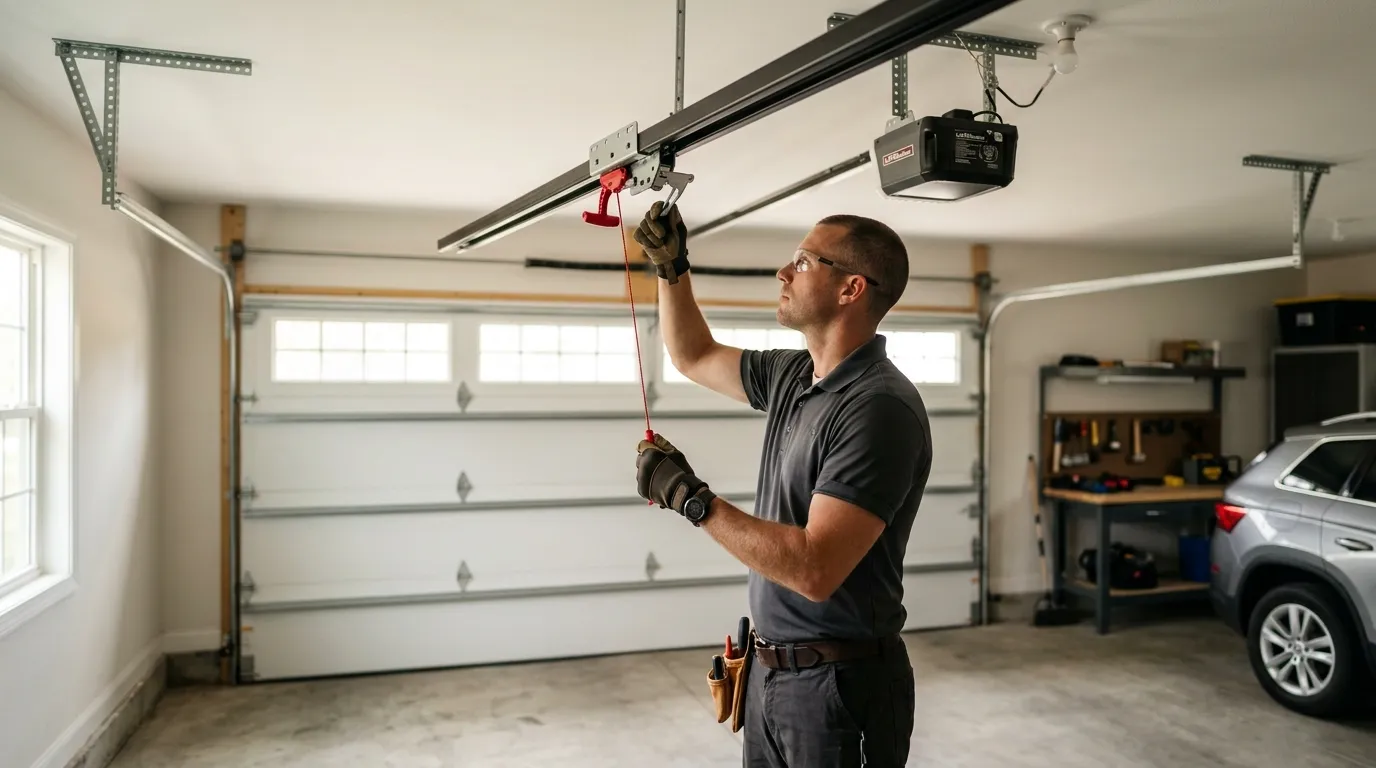
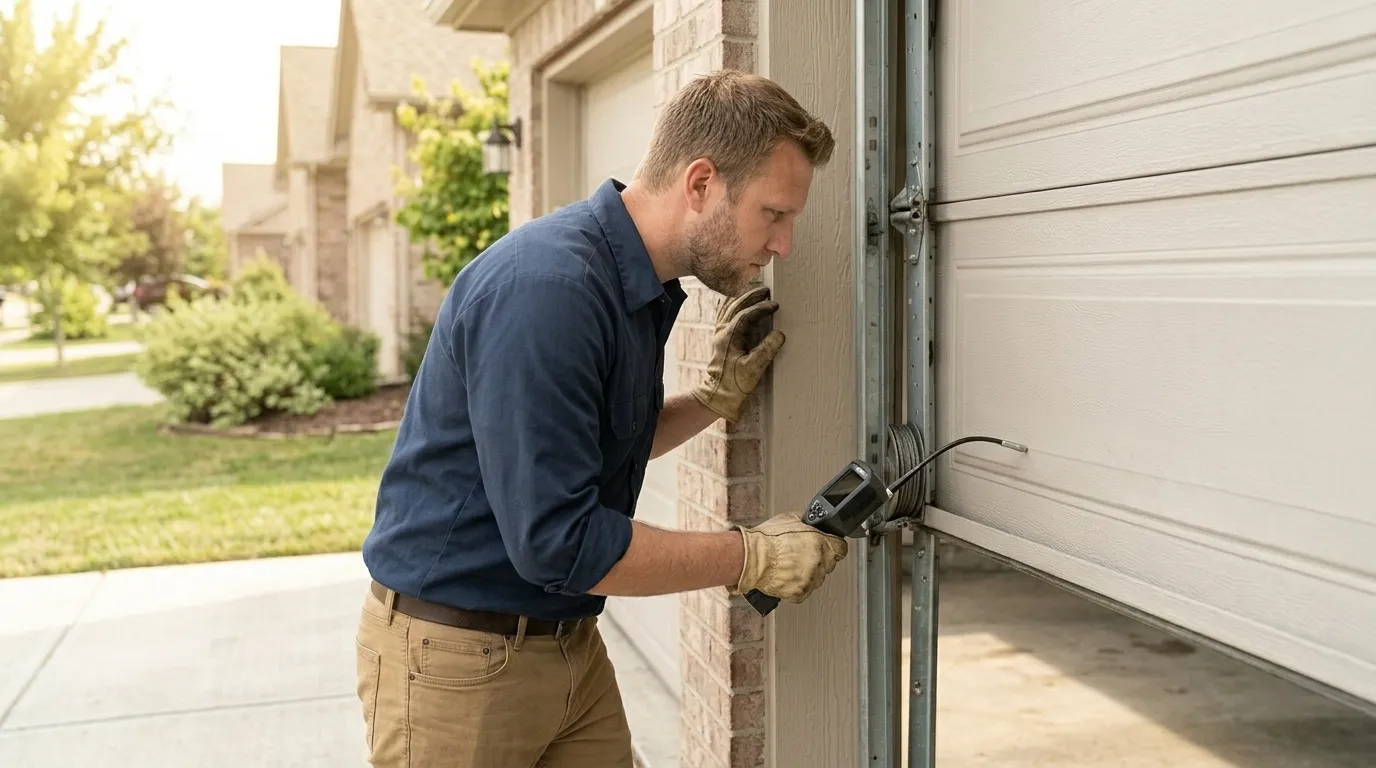
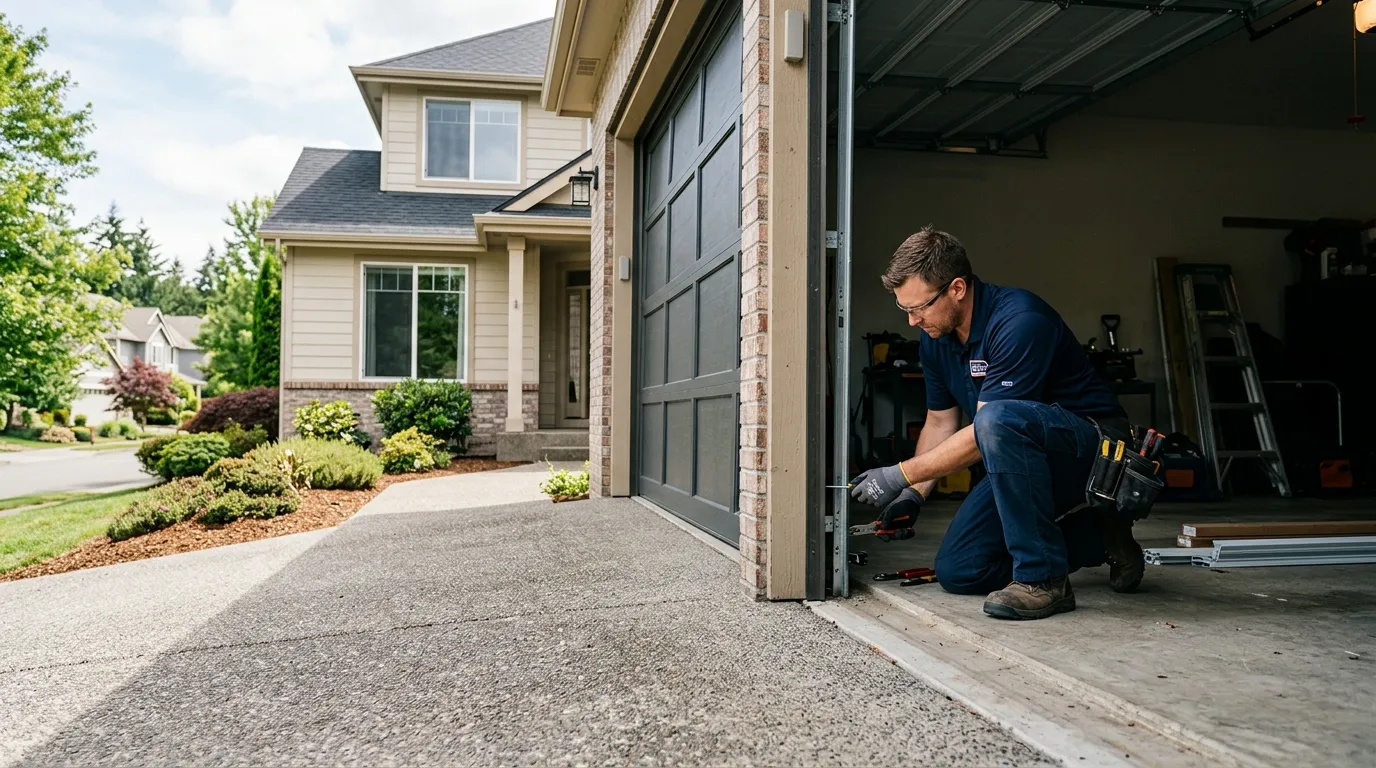
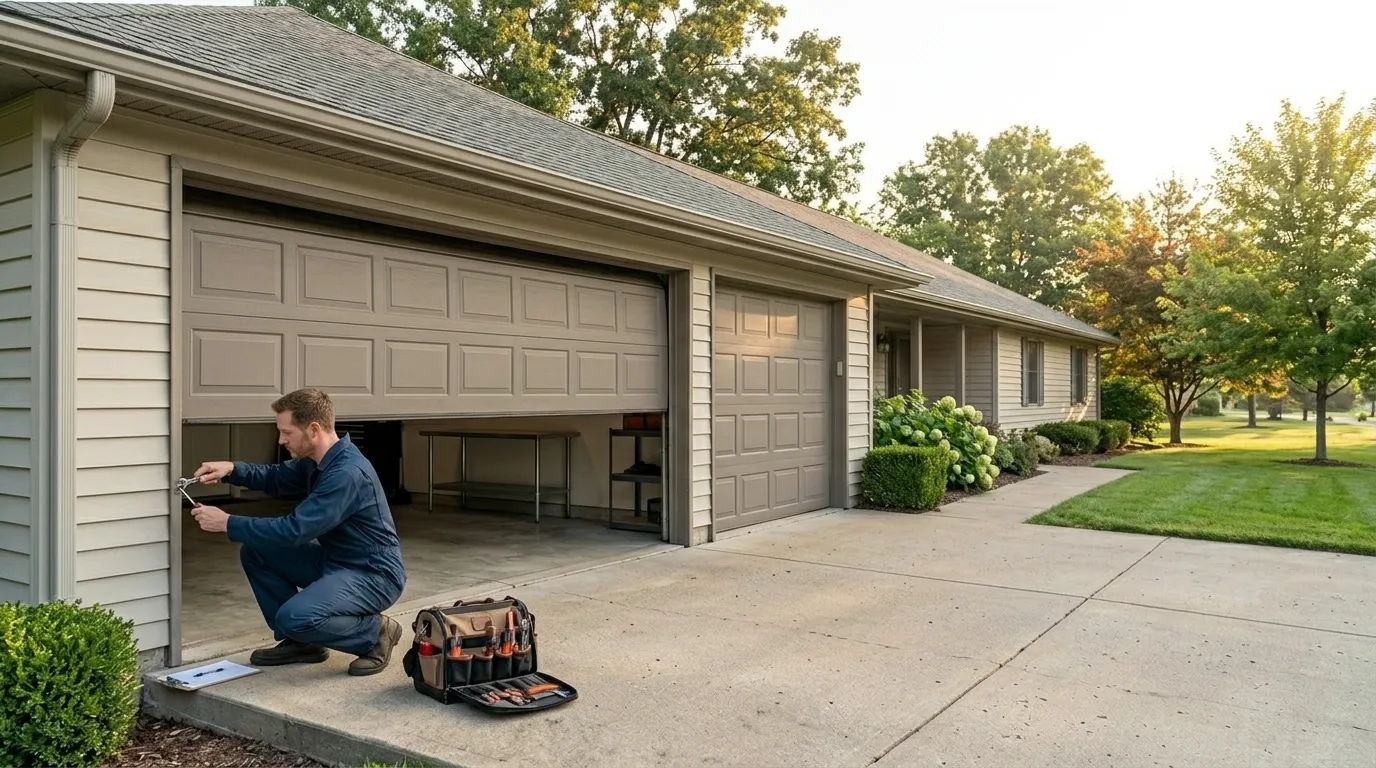
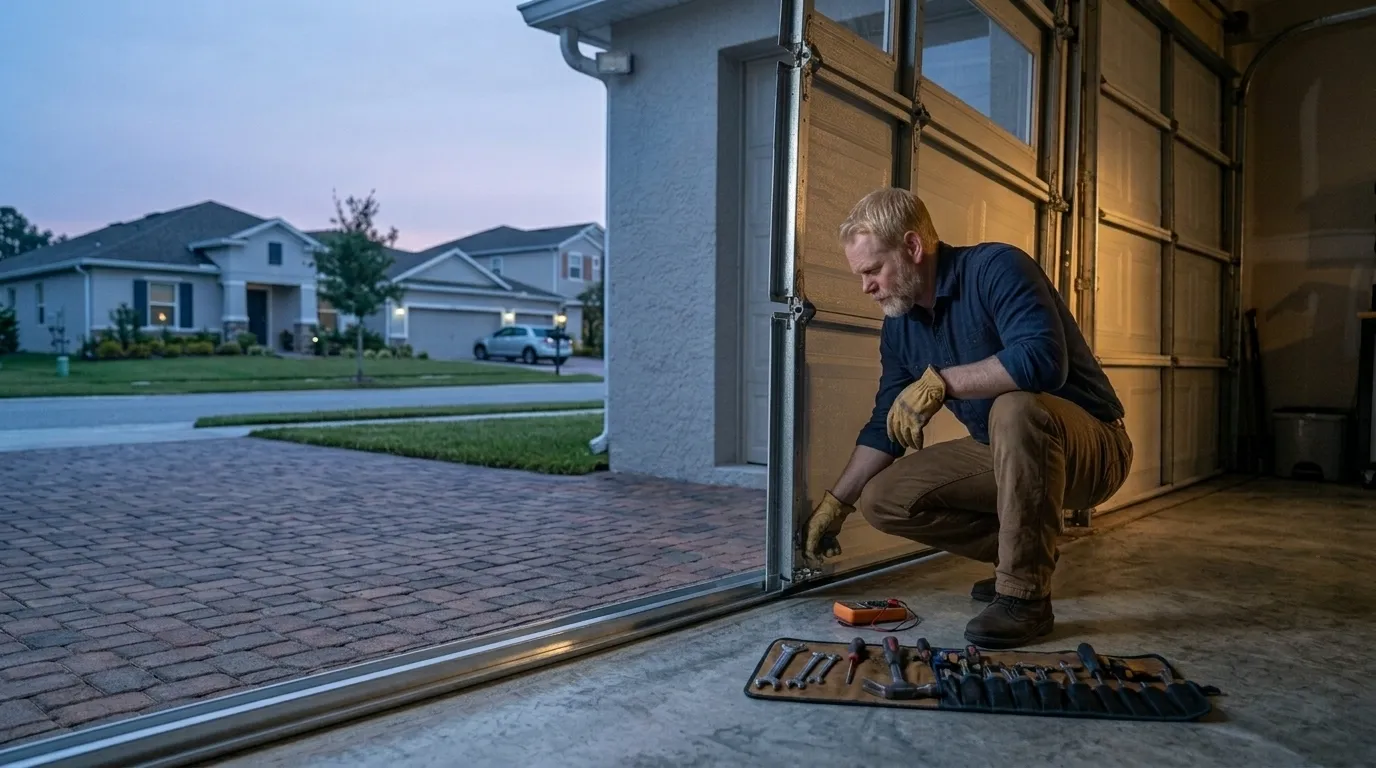
Most houses in this service area went up between 1938 and 1989, with the bulk of the stock dating to the 1960s and 70s across the ten communities we cover. That means a lot of openers here are on their second or third motor unit, but still wired the same way the original one was: hardwired or plugged into a garage outlet, with a manual release nobody's touched since move-in. When the power drops in a cold-band climate like ours, the door doesn't fail - the opener does. The chain or belt stops, the trolley sits wherever it stopped, and the door itself is fine sitting there. The problem is people not knowing that, and forcing the opener motor when they should be pulling the release cord instead. On a house this old, that manual release is often stiff or the cord has degraded, so the first time you actually need it, it doesn't work smoothly.
When Waiting Is Fine
If the power comes back and the opener works fine on the next press, you're done - no call needed. A brief outage that trips the opener's memory (it forgets its travel limits, or the remote stops syncing) is normal and usually fixes itself with a quick reset per the manual, or by re-pairing the remote. If your door operated fine manually during the outage and the opener picked back up once power returned, there's nothing wrong with the unit. Don't call because the light on the opener didn't come back on right away - some units take a cycle or two to reset that. And if this is a once-a-winter kind of outage rather than a repeat pattern, it's not worth a service visit just to
What the Weather Here Does to It
placeholder