The Problem
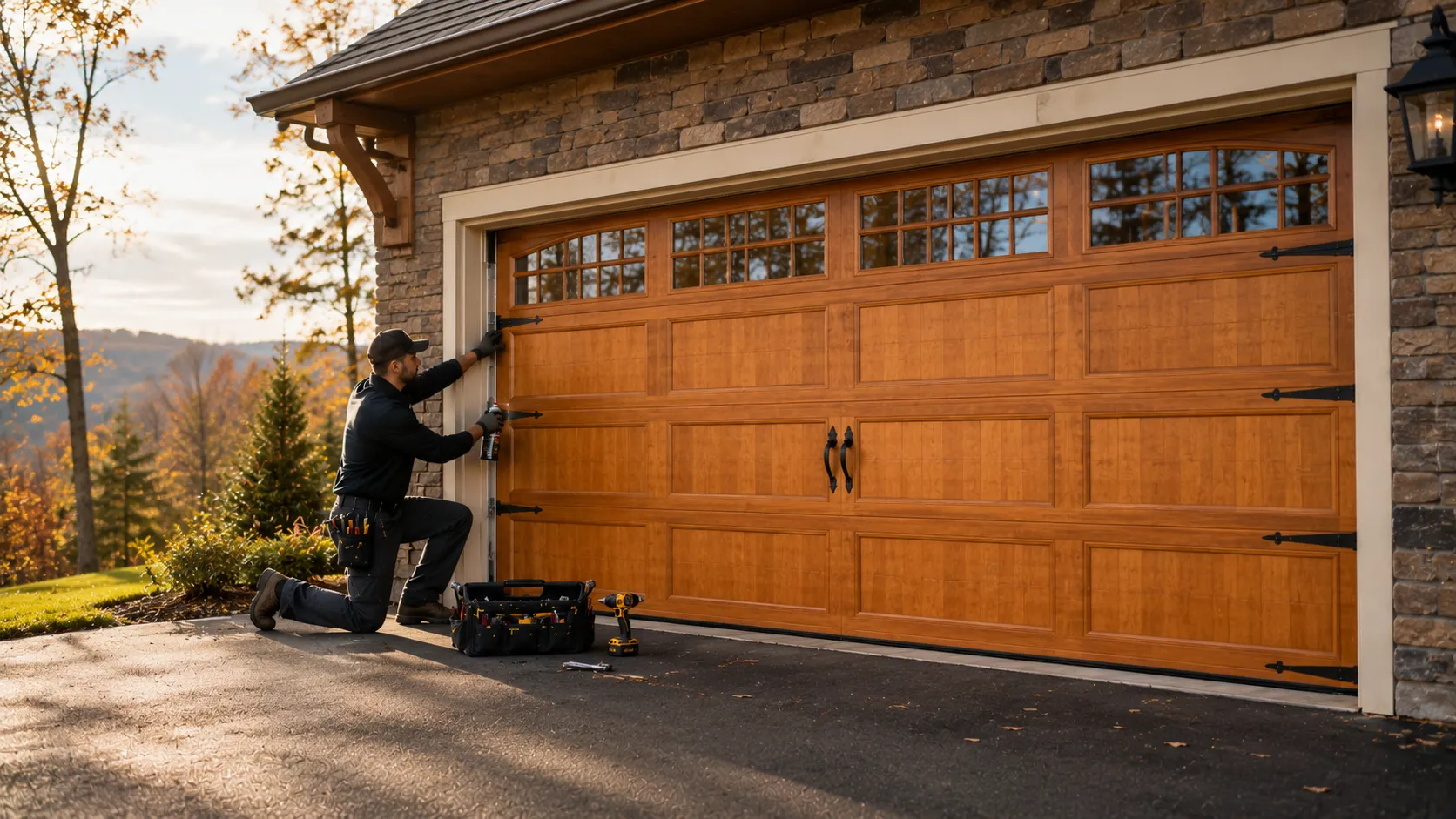
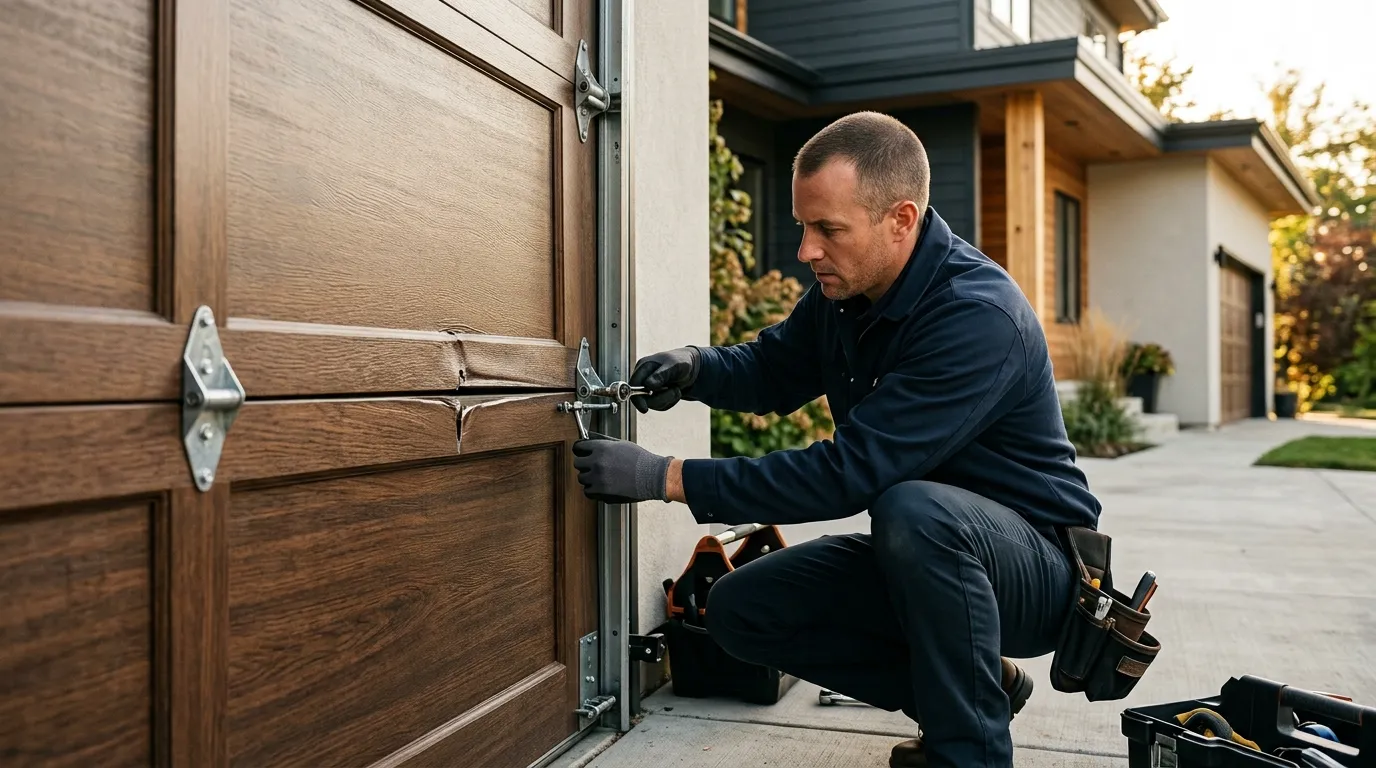
In Port Huron, the housing stock runs from 1938 to 1989, with a median build year of 1978, and most of the ten areas we work in are packed with houses from the 1960s and 70s. That means a lot of garage doors and openers out there are original equipment or first replacements from decades back - steel tracks that have flexed through fifty winters, torsion springs rated for a lighter door than what's hung on them now, openers with drive systems that haven't been made in years. A service call here isn't just "check the door." It's figuring out what era of hardware you're actually dealing with before touching anything, because parts for a 1970s opener don't match parts for a current one. Add the cold-severe climate this area sits in, and metal that's already fatigued from age gets extra stress every winter from contraction and ice load. That combination - old stock, hard winters - is what most calls out here actually come down to: not a random failure, but hardware reaching the end of what it was built to handle, faster than it would somewhere with mild weather and newer houses.
That's the frame for everything below.
When Waiting Is Fine
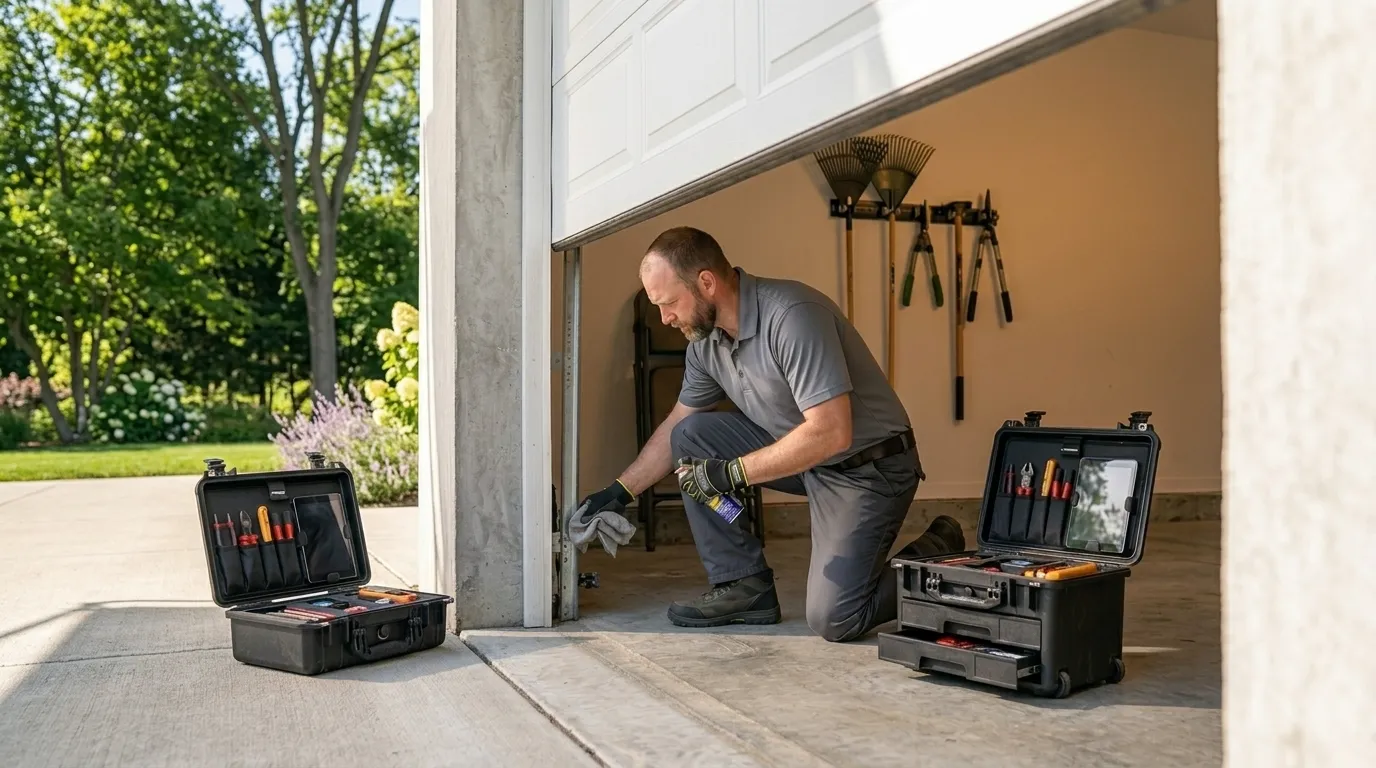
Not everything needs a same-week call. A little noise - a squeak or rattle from rollers that just need lubrication - can wait until you're doing something else in the garage anyway. A slow response to the remote, where the door still opens fine from the wall switch, is often just a battery or a sensor alignment issue you can check before assuming it's a bigger job. Cosmetic wear, like faded paint or minor surface rust on a door that's been through enough Port Huron winters to earn it, doesn't affect function and doesn't need a truck out here. If the door works, closes flush, and the opener reverses properly when it hits something, there's no reason to replace an aging system just because it's old; a lot of the 1960s-70s stock in this area is still doing its job fine. The honest limit here: we don't recommend replacing a door that still functions correctly just to get ahead of a problem that hasn't shown up yet. If nothing's binding, dropping, or grinding, it's fine to leave it alone until it isn't.
What the Weather Here Does to It
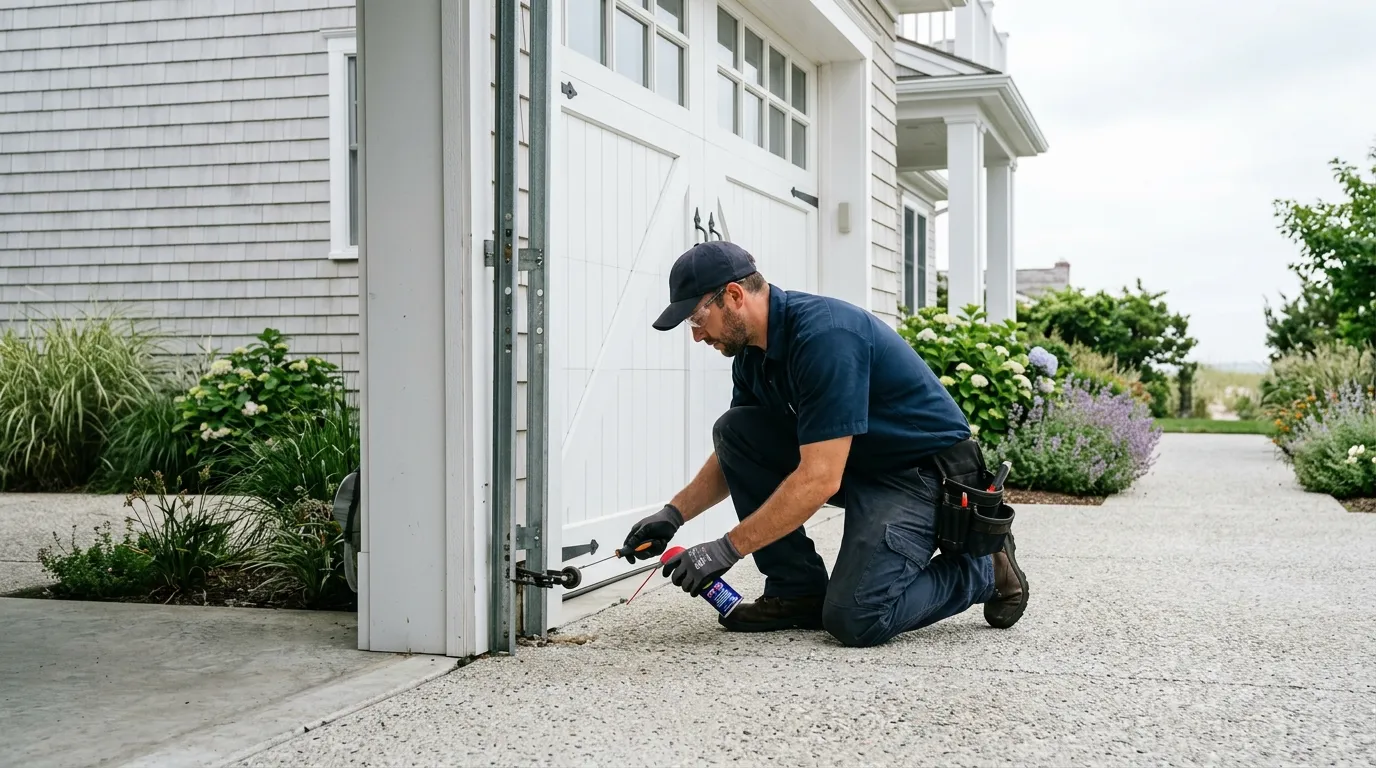
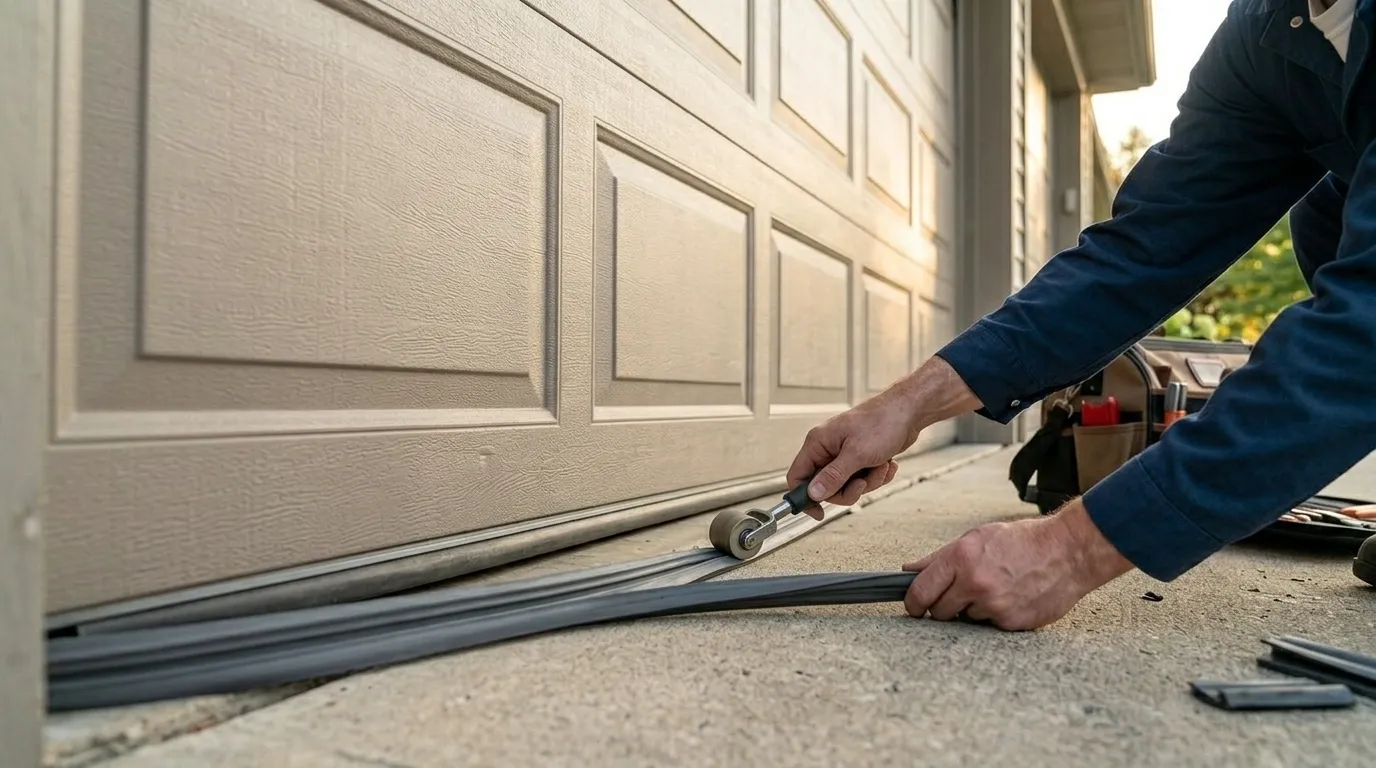
Port Huron sits in a cold-severe climate band, and that shapes almost every call we get between November and March. Steel contracts in the cold, which tightens tolerances on tracks that were already installed slightly out of true forty or fifty years ago - a gap that's invisible in July shows up as binding and grinding once it drops below freezing. Torsion springs lose some tension in cold weather too, so a spring already near the end of its life in a house built in this 1938-1989 window is more likely to let go on a cold morning than a warm afternoon. Lubricant that worked fine in summer thickens or washes out from the slush a door drags through, which is part of why rollers on older systems start protesting once winter sets in. Weatherstripping on a door from the 1960s or 70s has usually hardened and cracked by now, so it stops sealing exactly when sealing matters most for keeping meltwater and wind out of the garage. None of this is dramatic, but it's steady, and it's the reason winter is when most of the original hardware in this area finally gives out for good.