Why This Fails Locally
Most of the houses we work on in St. Clair went up closer to 1989, the median build year for the town, which is a full decade past the 1978 median across the rest of the service area. That gap matters because it changes what's actually on the front of the garage. Instead of the older one-piece wood slab or bare aluminum panels you find on 1960s and 70s stock elsewhere, St. Clair mostly carries steel sectional doors, usually 16 feet wide for a two-car opening, built with a polystyrene or polyurethane core.
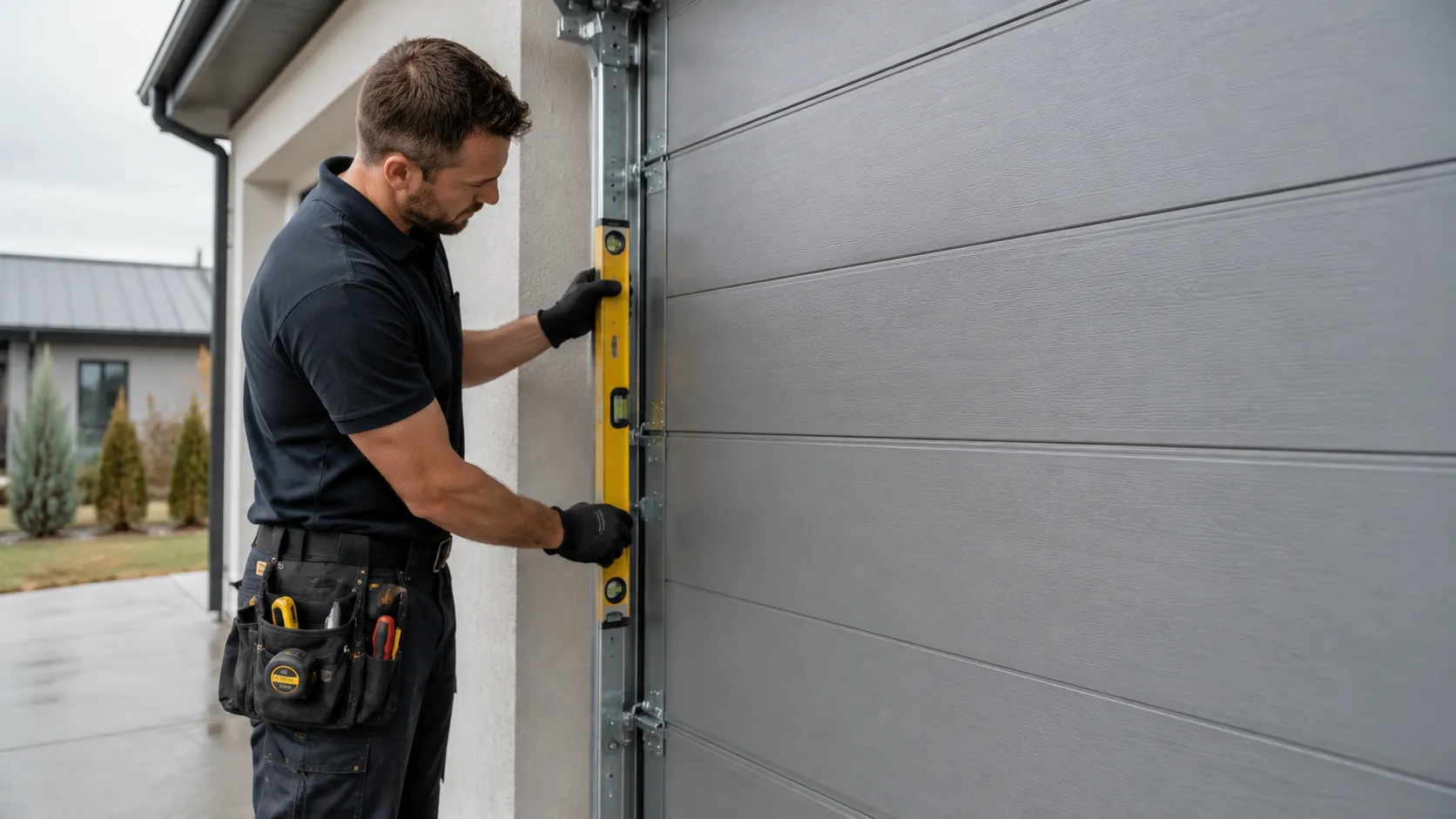
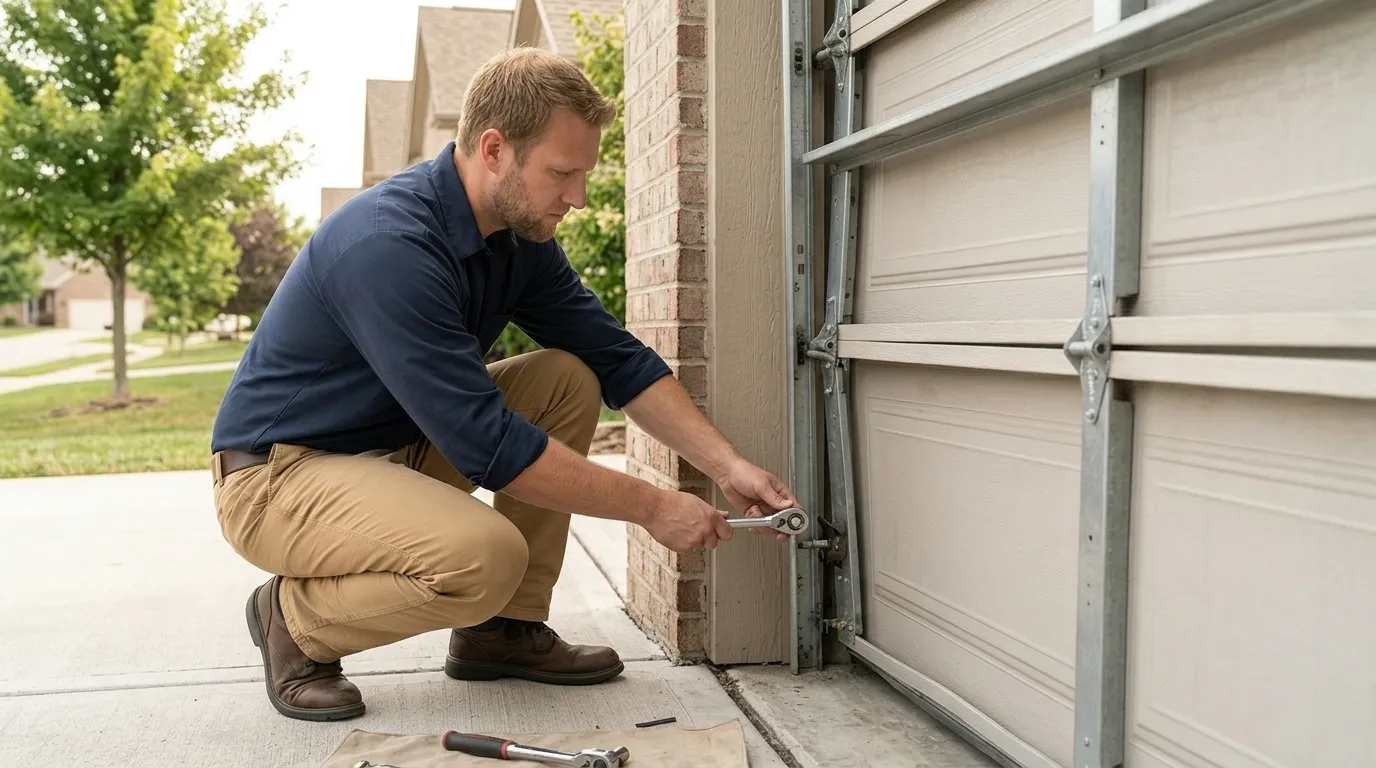
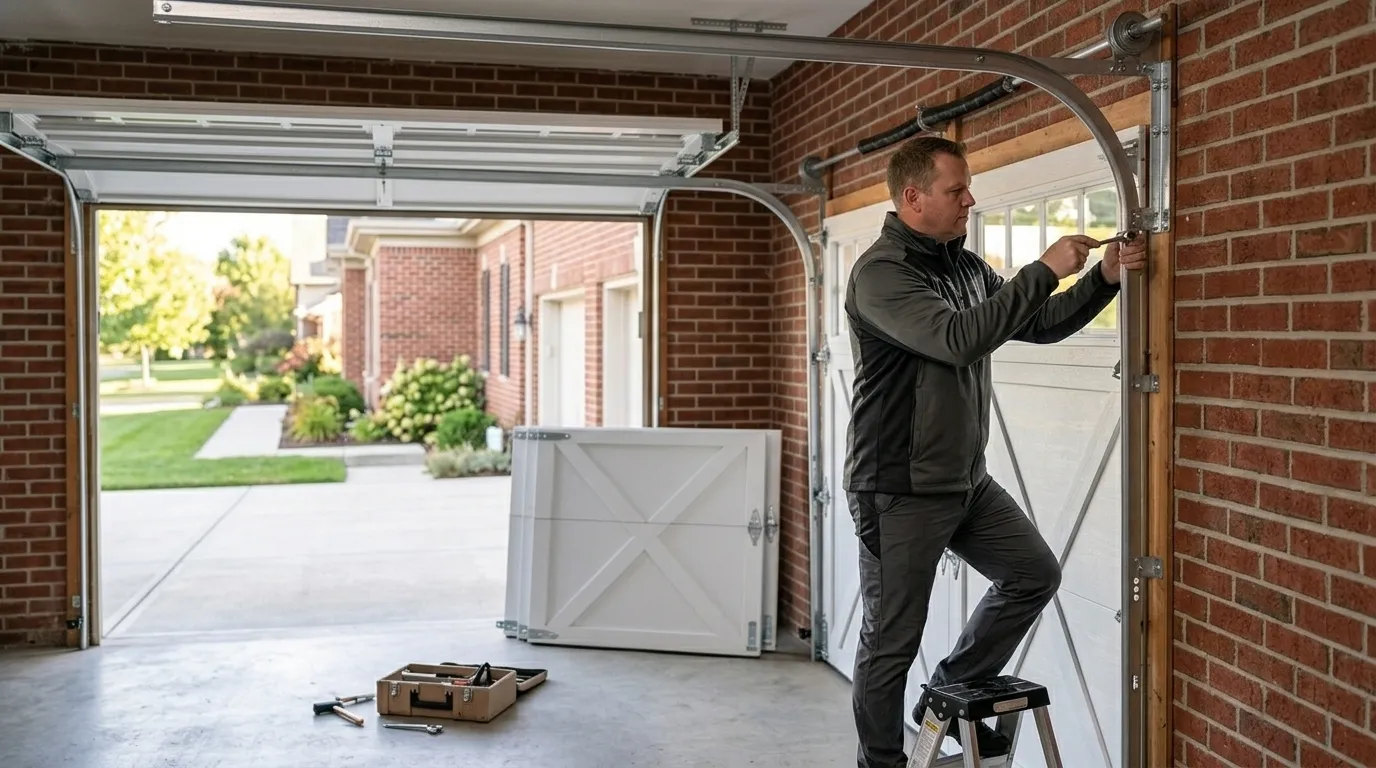
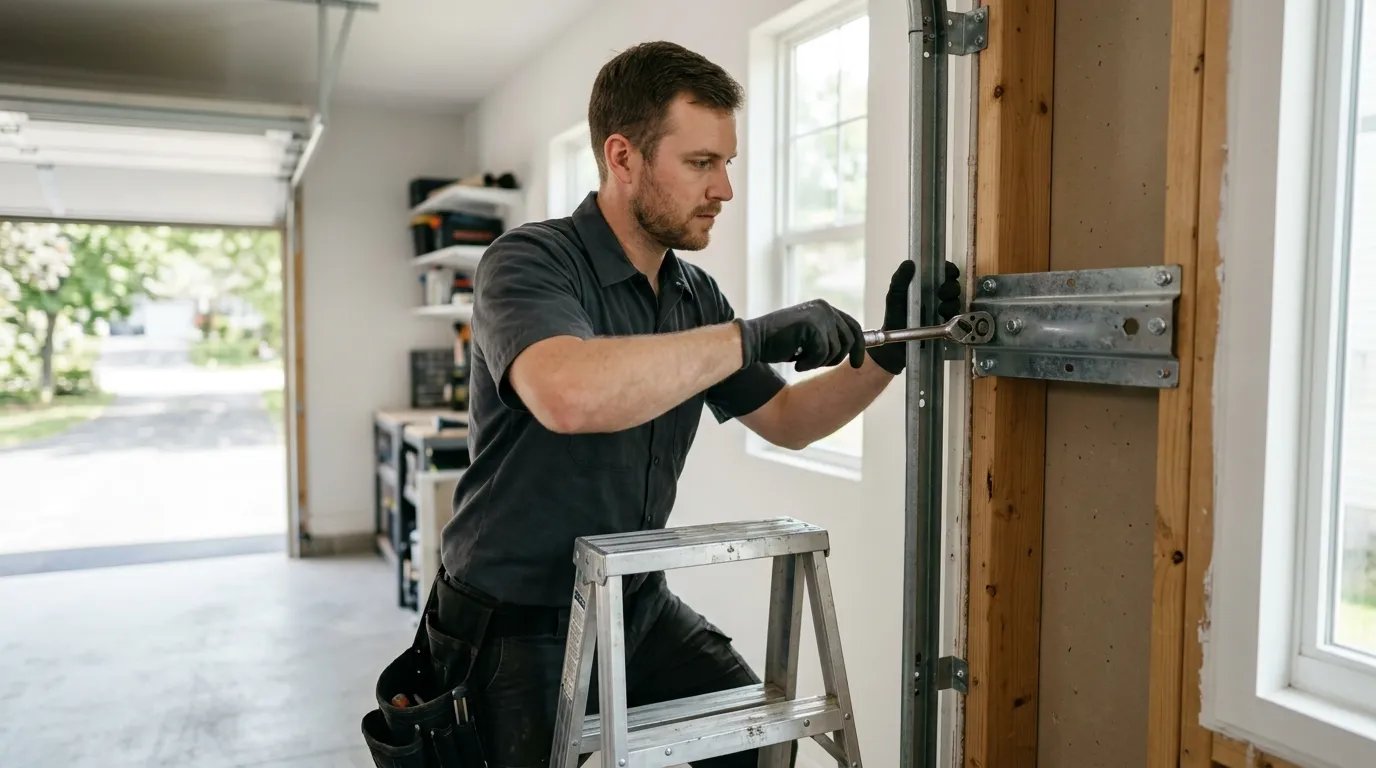
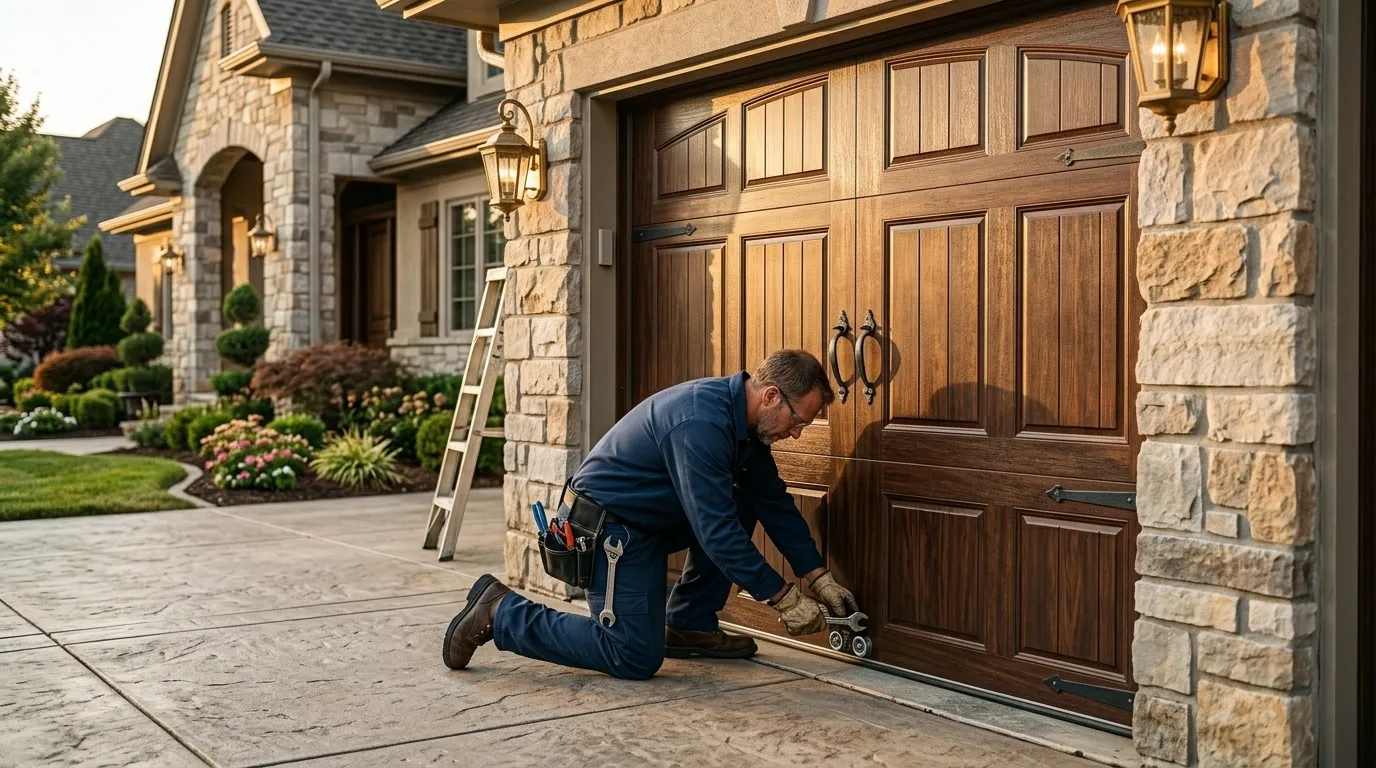
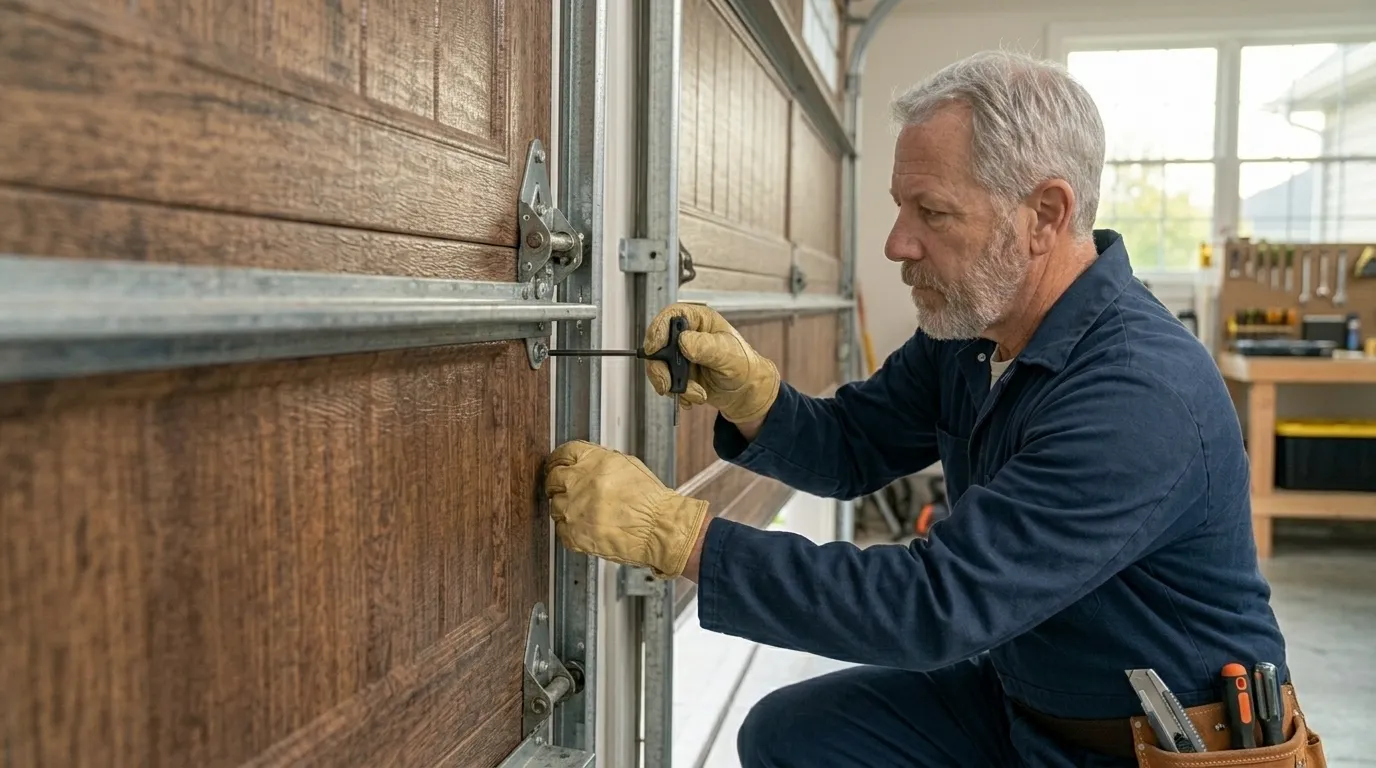
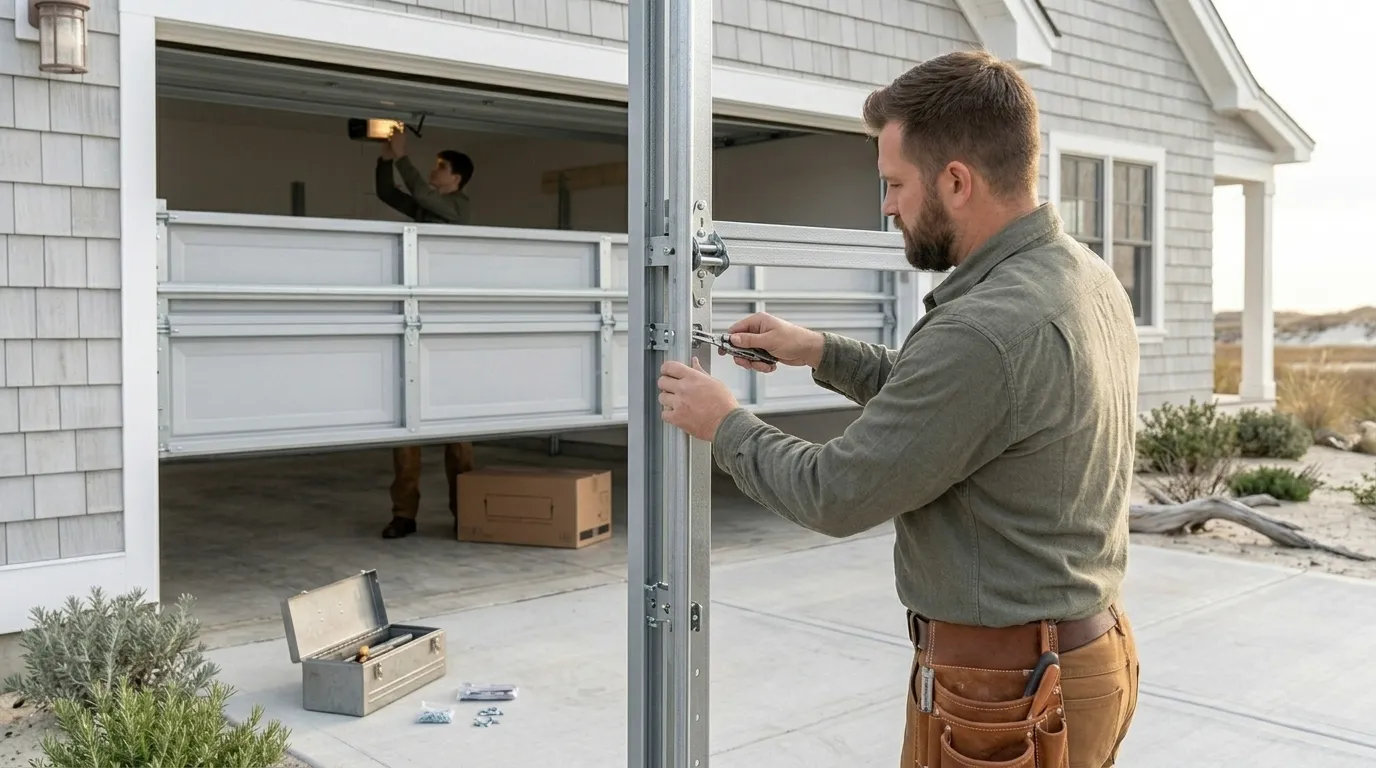
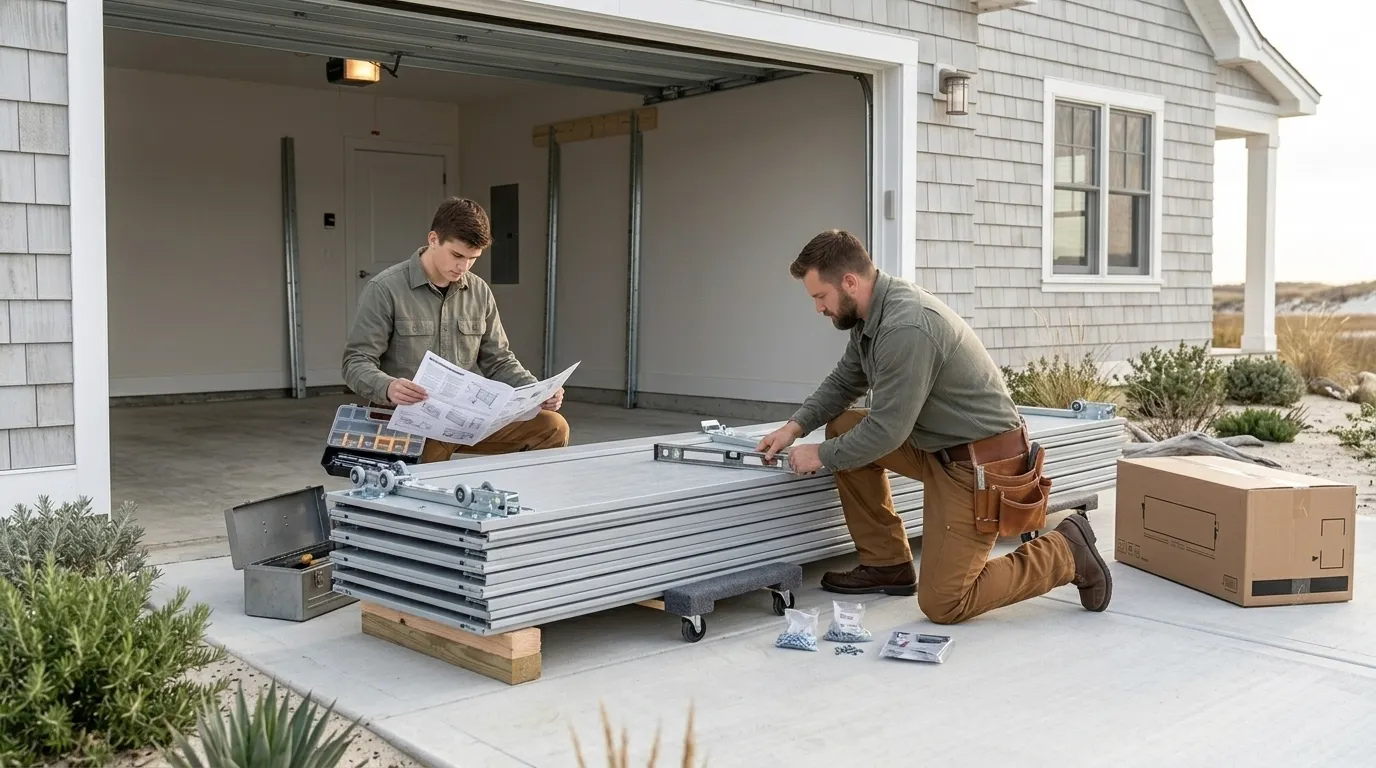
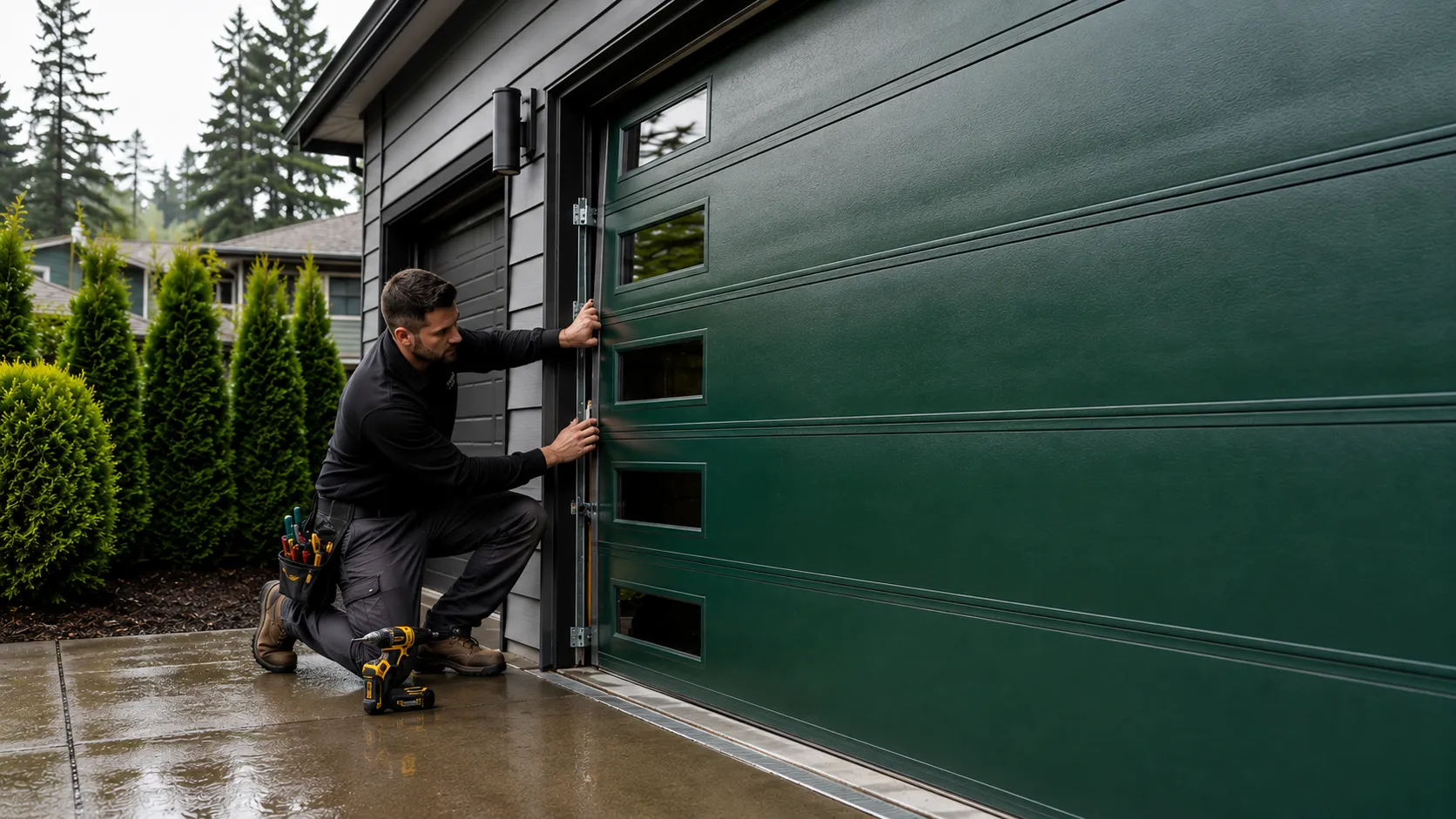
The fault that shows up isn't the door falling off its hinges - sectional doors don't have hinges holding the whole slab. It's a single section that's taken a hit, delaminated, or rusted through at the bottom where snowmelt sits against the steel skin. Because St. Clair's stock skews newer and more uniform, panel sizing and hinge spacing are more standardized here than in the older, mixed-era neighborhoods scattered through the wider coverage area - which is good news when it comes to sourcing a matching section instead of rebuilding the whole door.
The income gap plays into this too. At a $90,774 median household income against the area's $68,482, more St. Clair owners are choosing to replace a damaged section rather than live with a dent, and more are opting for insulated replacement sections instead of bare steel.
What You Pay
We don't quote a panel replacement over the phone without seeing the door, and we're not going to put a number here that doesn't hold up once we're standing in front of it. What we can tell you is what moves the cost: whether the section is insulated or bare steel, whether it's a standard 16-foot double-door width or a narrower single, and whether the color and grain pattern are still in production or need a special order.
St. Clair's newer stock actually works in your favor on price. Because so much of the town's housing matches the 1989 median build year, panel profiles tend to be more consistent door to door than in the mixed-era areas farther out, which means less guesswork and fewer surprises once we're on site measuring.
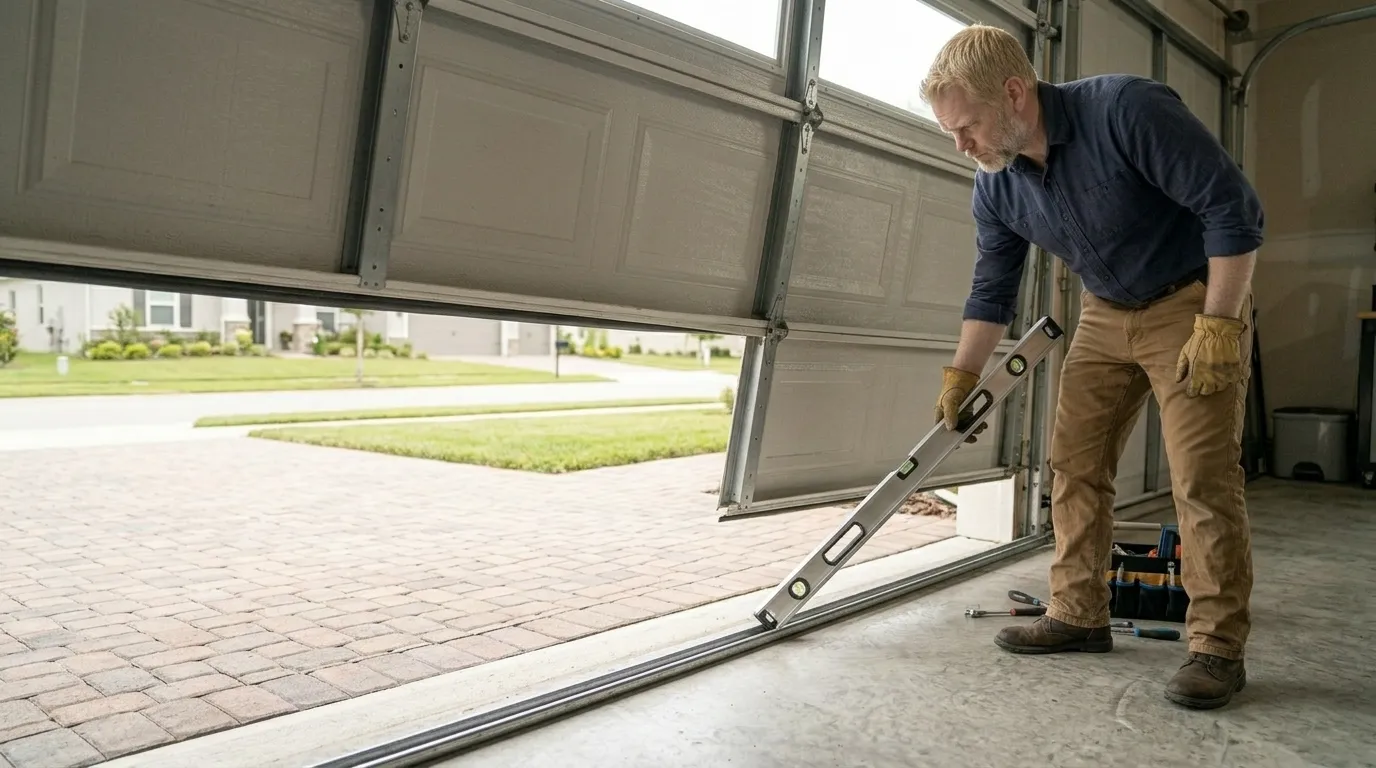
We'll walk the door with you, tell you whether one section will do it or whether the damage has stressed the track enough that more needs attention, and give you the actual number before any work starts. If the panel's discontinued or the door's old enough that full replacement makes more sense than chasing a match, we'll say that too.
The Symptom
The most common call we get out of St. Clair isn't a door that won't open - it's a single section that's caved in from a car bumper, a basketball, or a ladder tipped against it, on an otherwise sound steel sectional door. Because the town's stock skews toward that 1989-era build, the damage usually shows up as a clean dent or a cracked outer skin on one panel rather than the widespread rot or warping you'd see on an older wood-panel door.
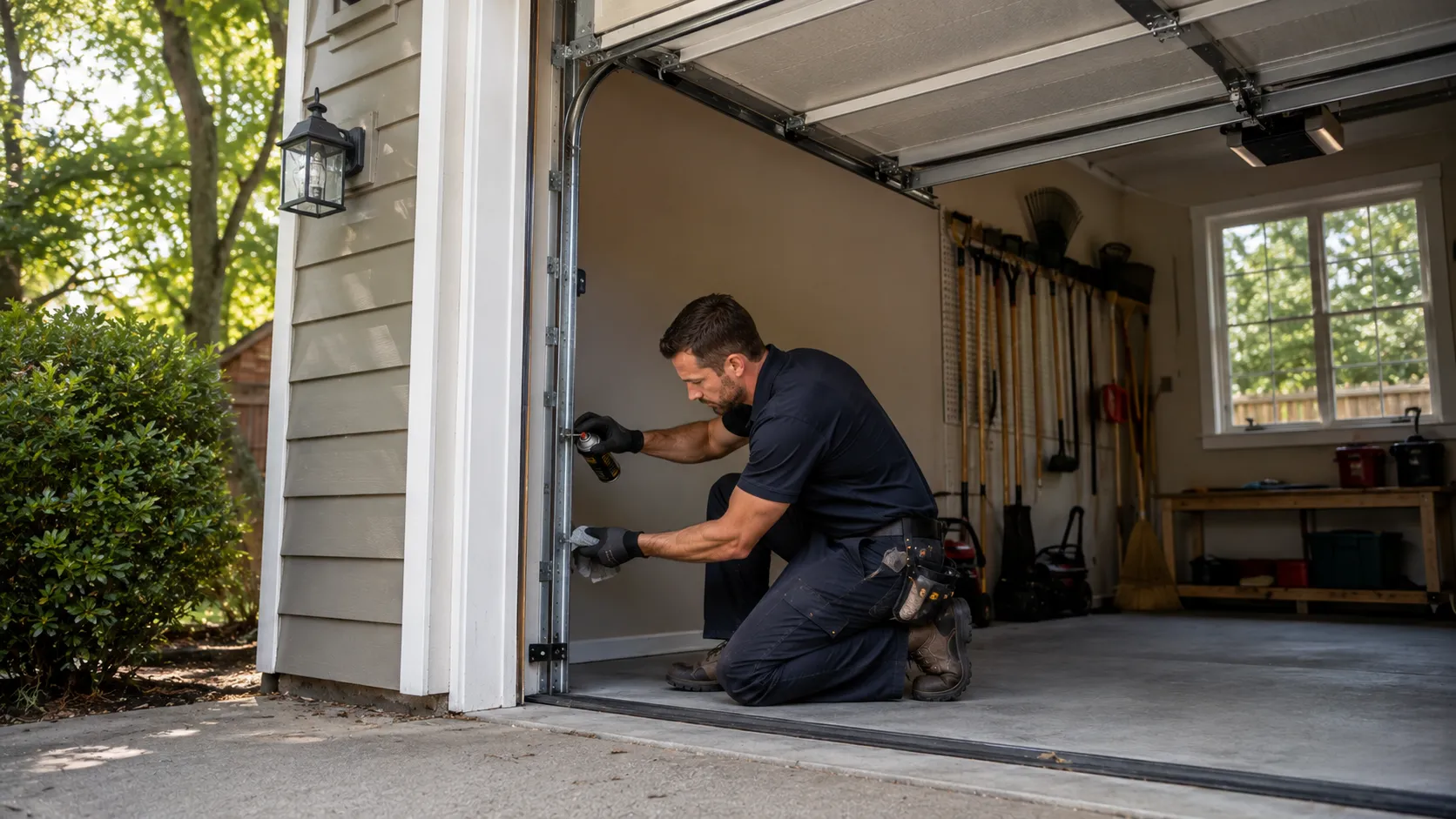
Cold-weather stress adds a second pattern: the bottom section, closest to road salt and snowmelt, corrodes from the inside out where the steel skin meets the insulation core. That section can look fine from a few feet back and still be soft to the touch. In a severe cold climate like this one, moisture trapped behind a compromised seal will keep working at the steel long after the initial dent healed cosmetically, which is why we check the whole section, not just the visible crease, before we call it a one-panel fix.