Why This Fails Locally
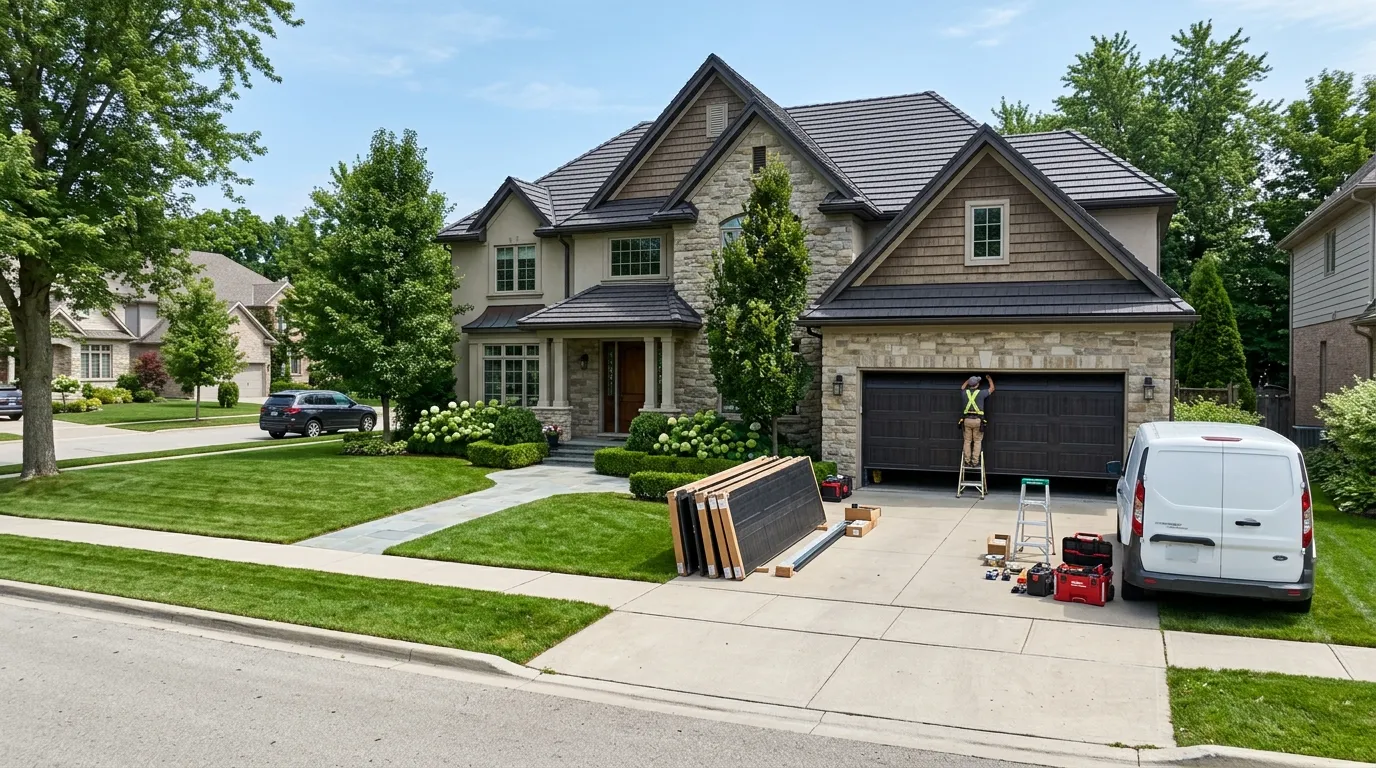
St. Clair is a smaller town in our coverage area, with roughly 2,853 households. That size matters more than people think: in a bigger town we see ten different eras of door on ten different blocks, but in a place this compact the housing tends to cluster around the same building years, which means the same doors fail around the same time.
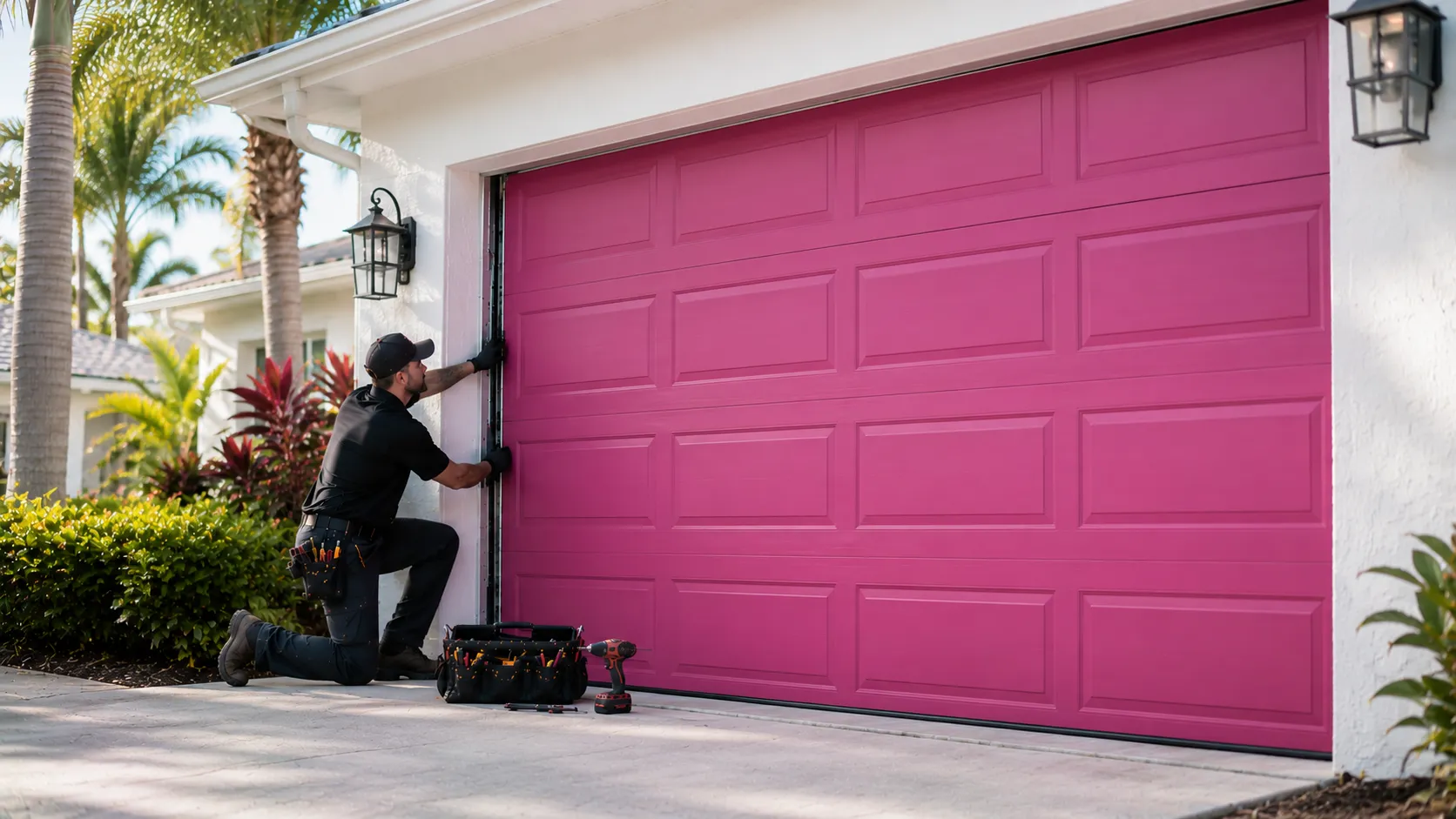
The median home here was built around 1989 - a full decade newer than the 1978 median across the wider service area we cover from Port Huron. That gap is the whole story. Most St. Clair garage doors are steel sectional units on standard extension or torsion hardware, not the older one-piece or side-mounted setups you find in the pre-1978 stock elsewhere. The failure we see isn't outdated hardware nobody stocks anymore - it's late-80s and 90s builder-grade doors and openers reaching the end of a normal service life at roughly the same time across the whole town.
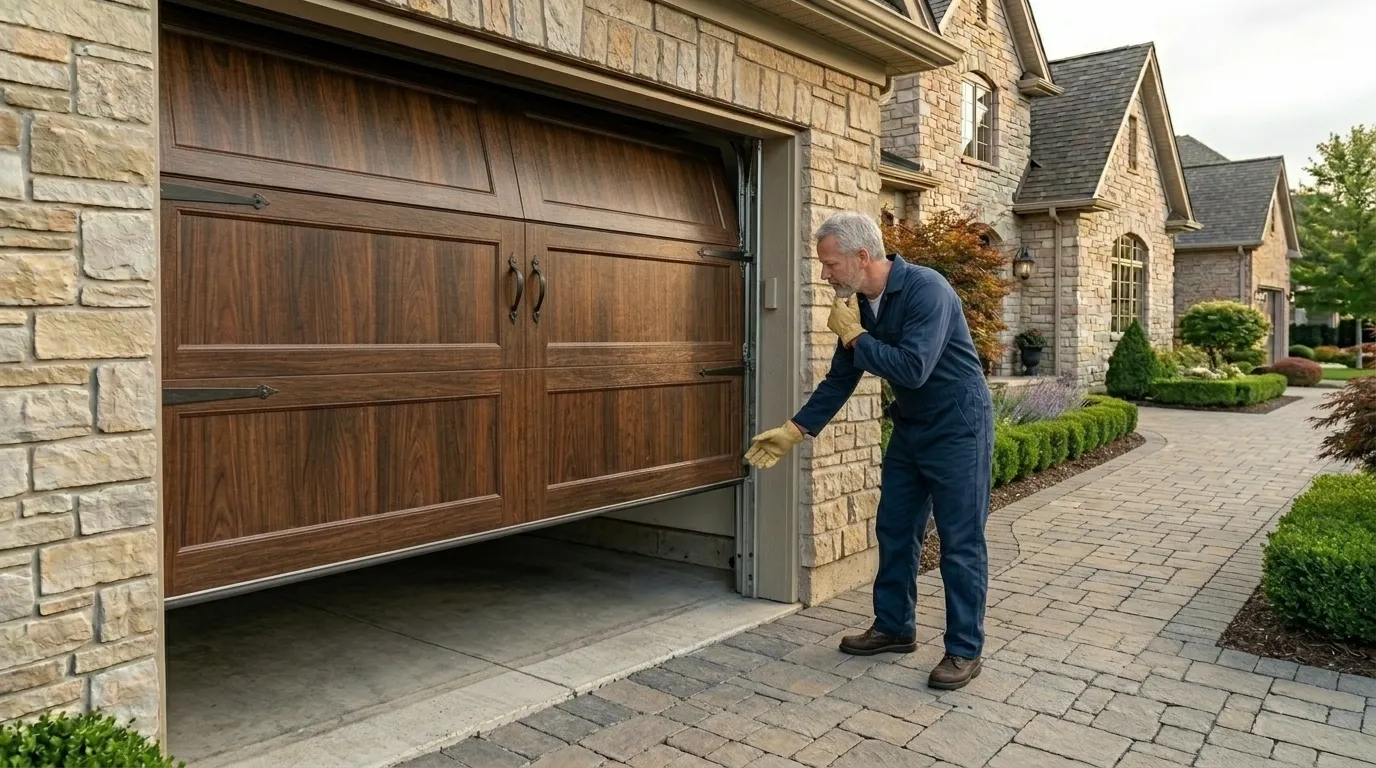
St. Clair's median household income of $90,774 also runs well above the $68,482 median for the broader area. In practice that means more owners here choose to replace a tired door with an insulated model rather than keep repairing the original builder-grade panel.
What You Pay
We don't have a posted price list for St. Clair specifically, and we're not going to invent one here. What actually drives the number is the door itself: size, insulation value, window inserts, and whether the opener gets replaced along with the door or reused.
Because St. Clair's median income runs higher than the rest of our service area, we quote more insulated and higher-end steel doors here than we do in some other towns - not because the job is different, but because that's what owners tend to choose once they see the option next to a bare steel panel.
We can't give you an honest number without seeing the opening, the current track condition, and what you want on the door. What we can tell you is that a straight one-for-one swap on a standard double opening costs less than a width change or a full frame repair, and an opener replaced at the same time is cheaper bundled than done as a second trip later. If you want a real figure, that comes from someone measuring the opening, not from a page.
The Symptom
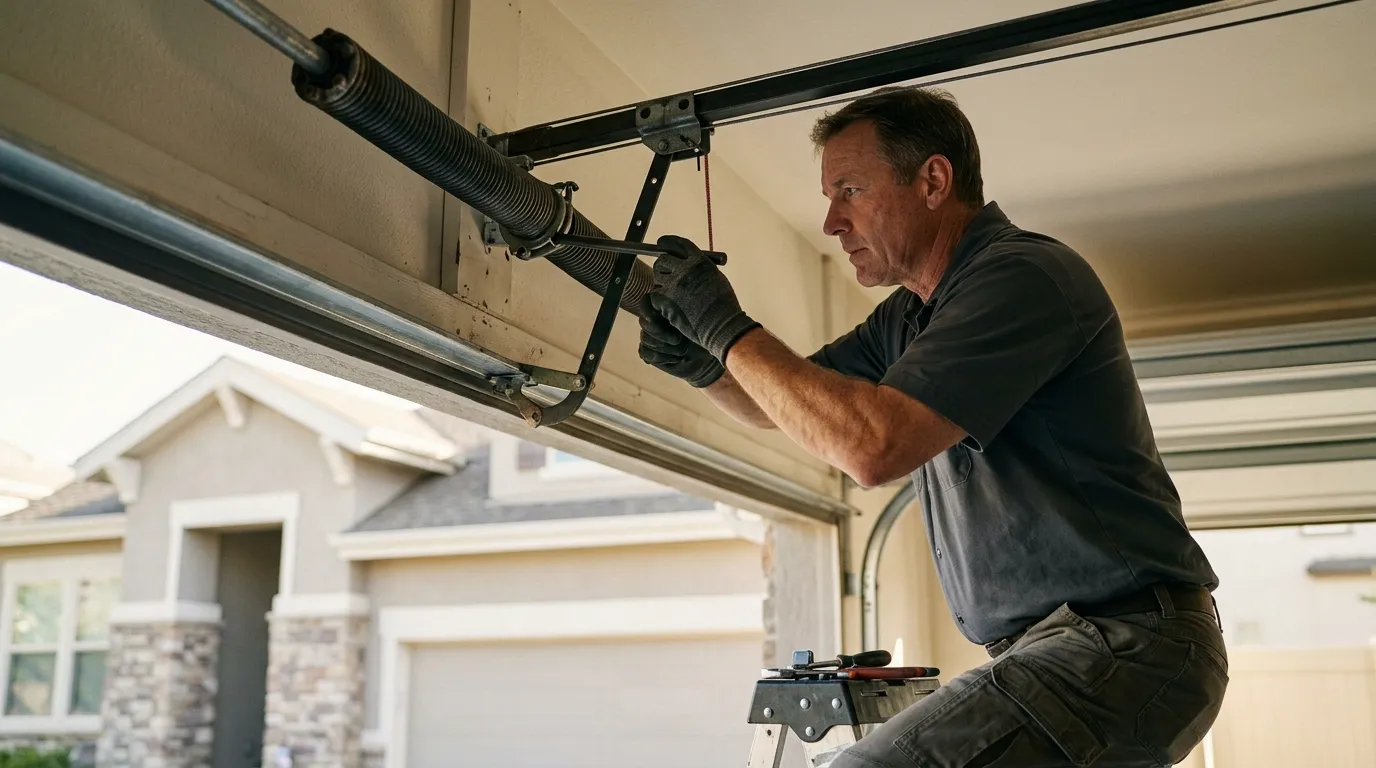
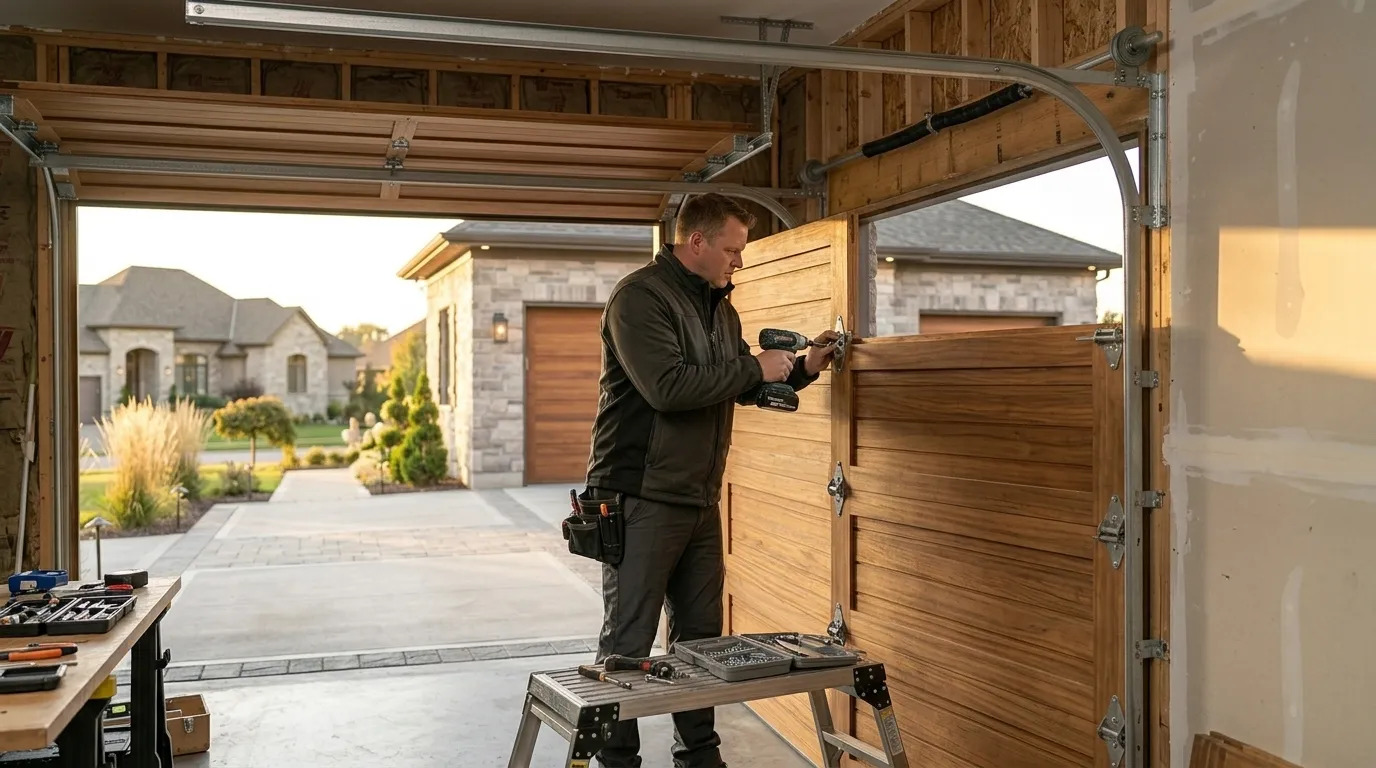
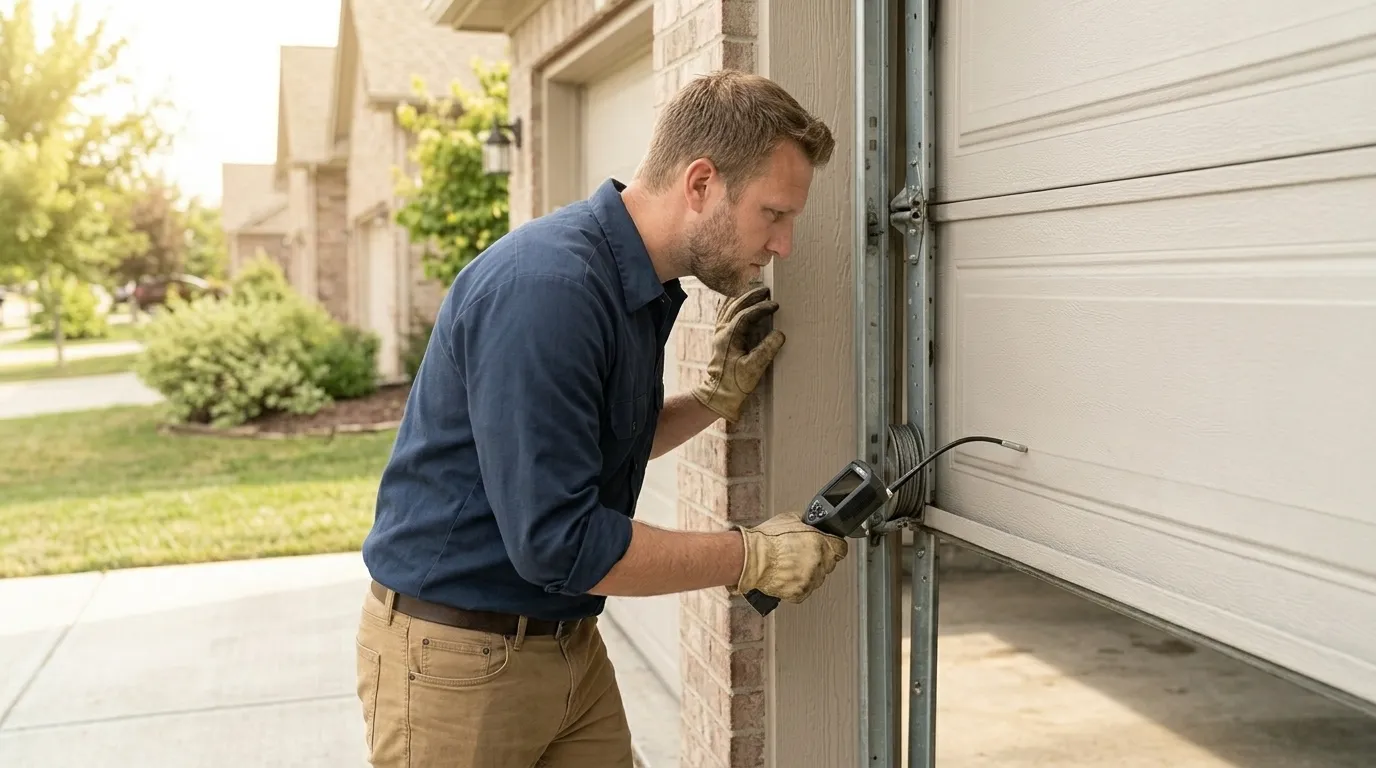
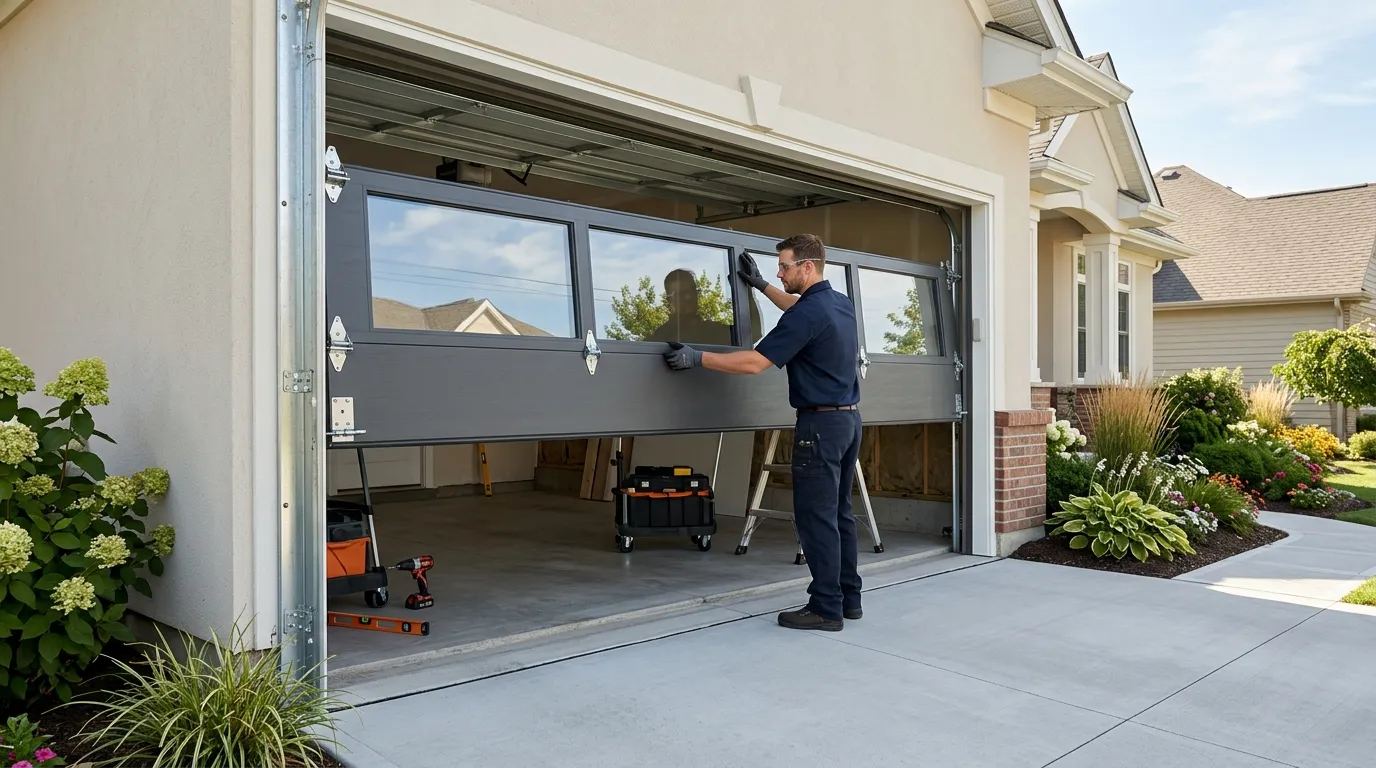
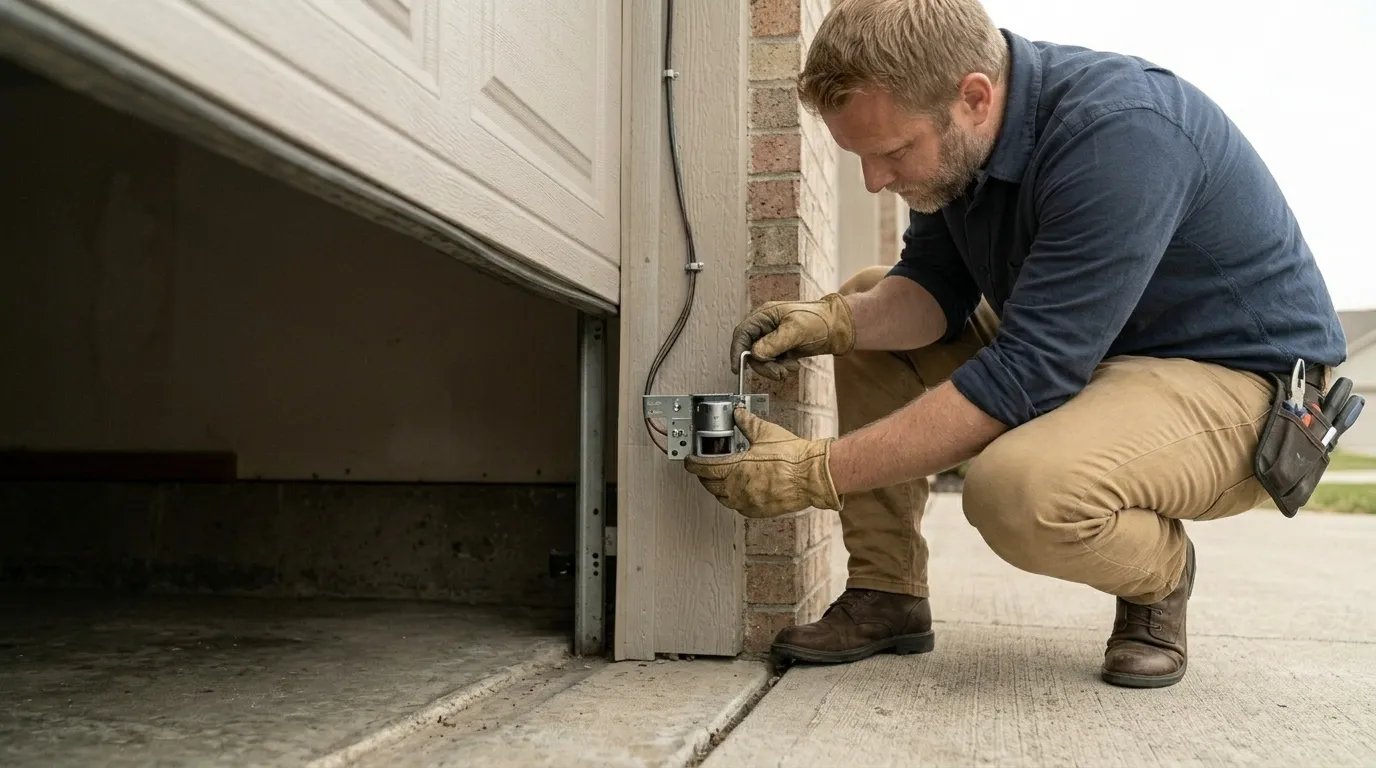
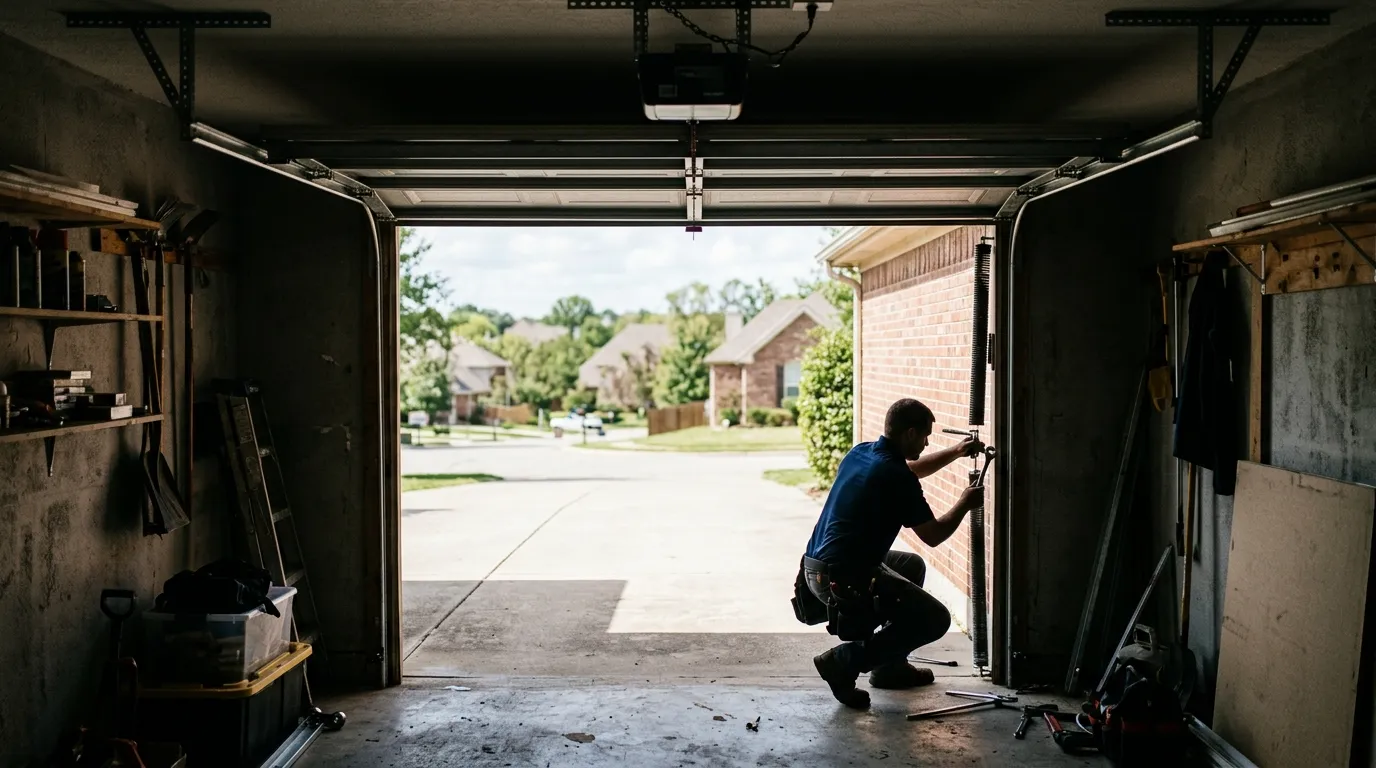
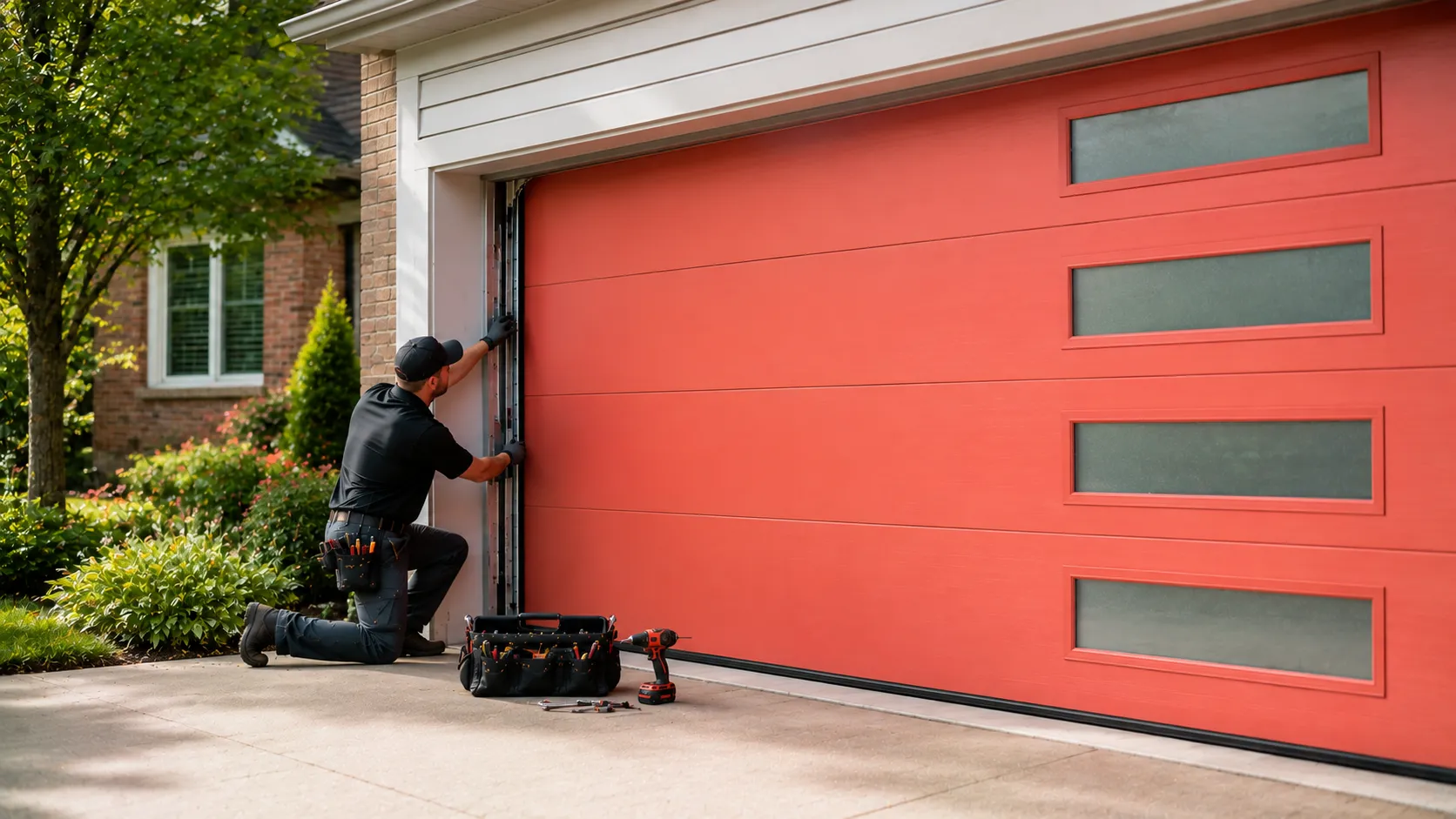
A door that went in with a St. Clair house built around 1989 is now pushing 35 years old. That's right at the point where the torsion spring, the rollers, and the opener's gears tend to wear out together instead of one at a time - which is why a lot of the calls we get from this town aren't a single broken part, they're a door that's failing on three fronts at once.
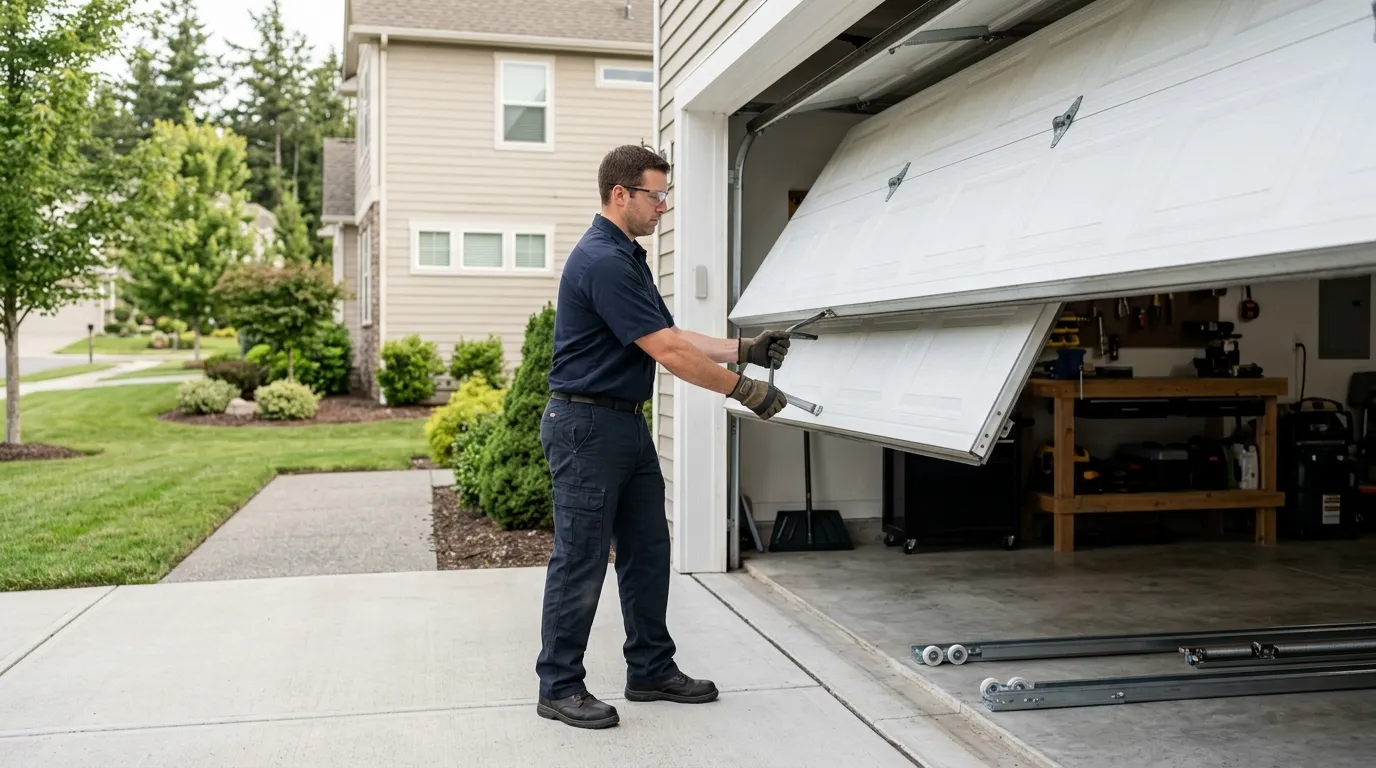
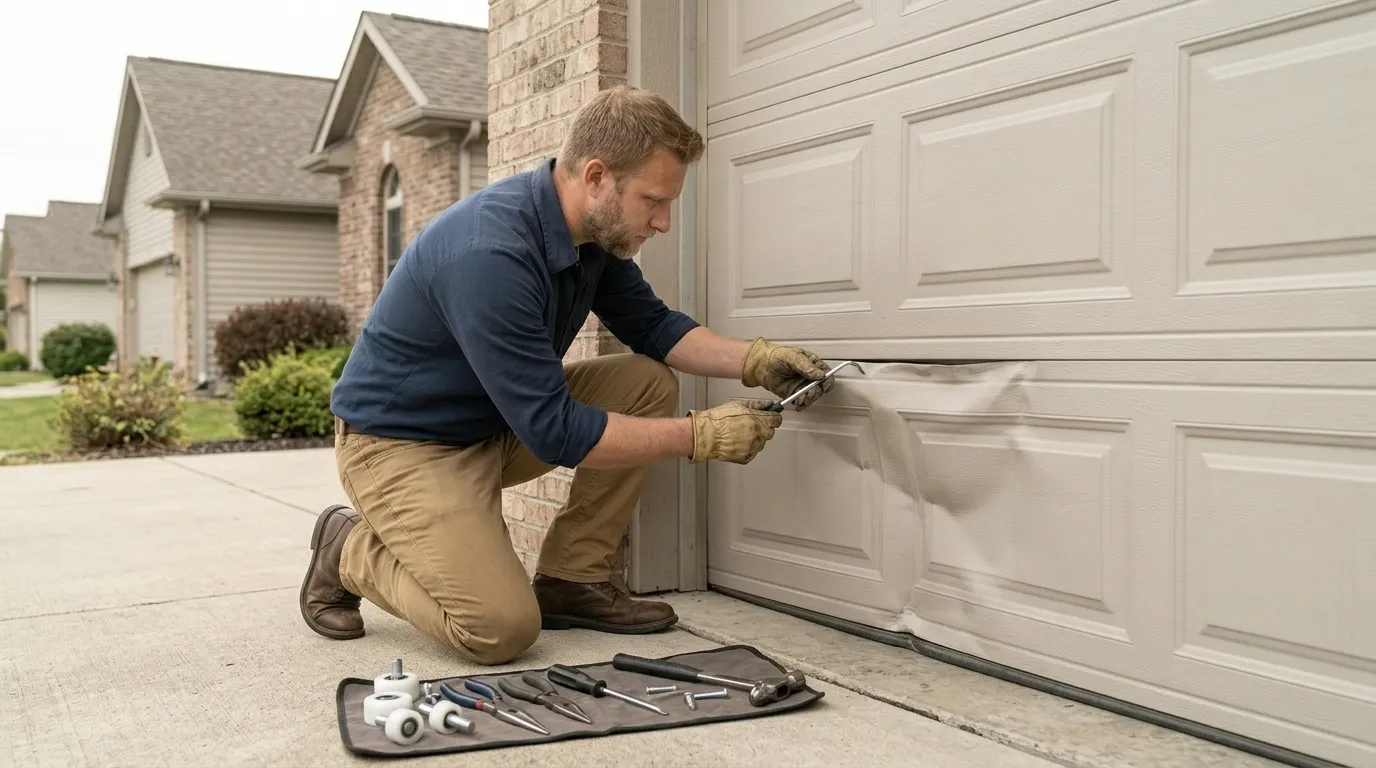
The usual pattern: the door gets heavier to lift by hand, the opener strains and starts reversing partway up, and the panels show separation at the seams where the steel has flexed for three decades of cold-to-warm swings typical of this climate. None of that is a quick fix. Once a door original to an 80s-era build starts showing all three symptoms, patching one part usually means the next one goes within the year.
If your door is still opening smoothly and quietly, you likely don't need a new one yet - a spring or roller replacement is the right call, and we'd say so rather than sell you a door you don't need.