
Why This Fails Locally
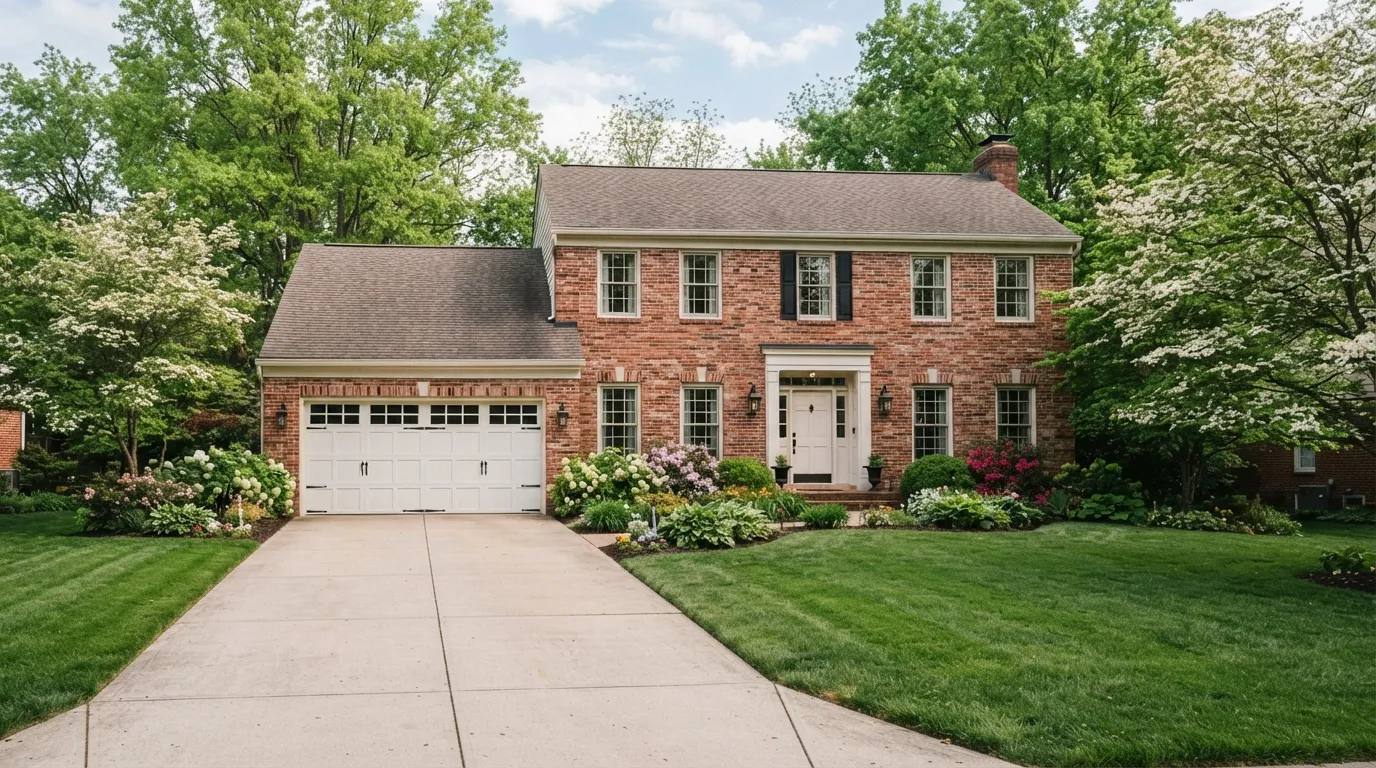
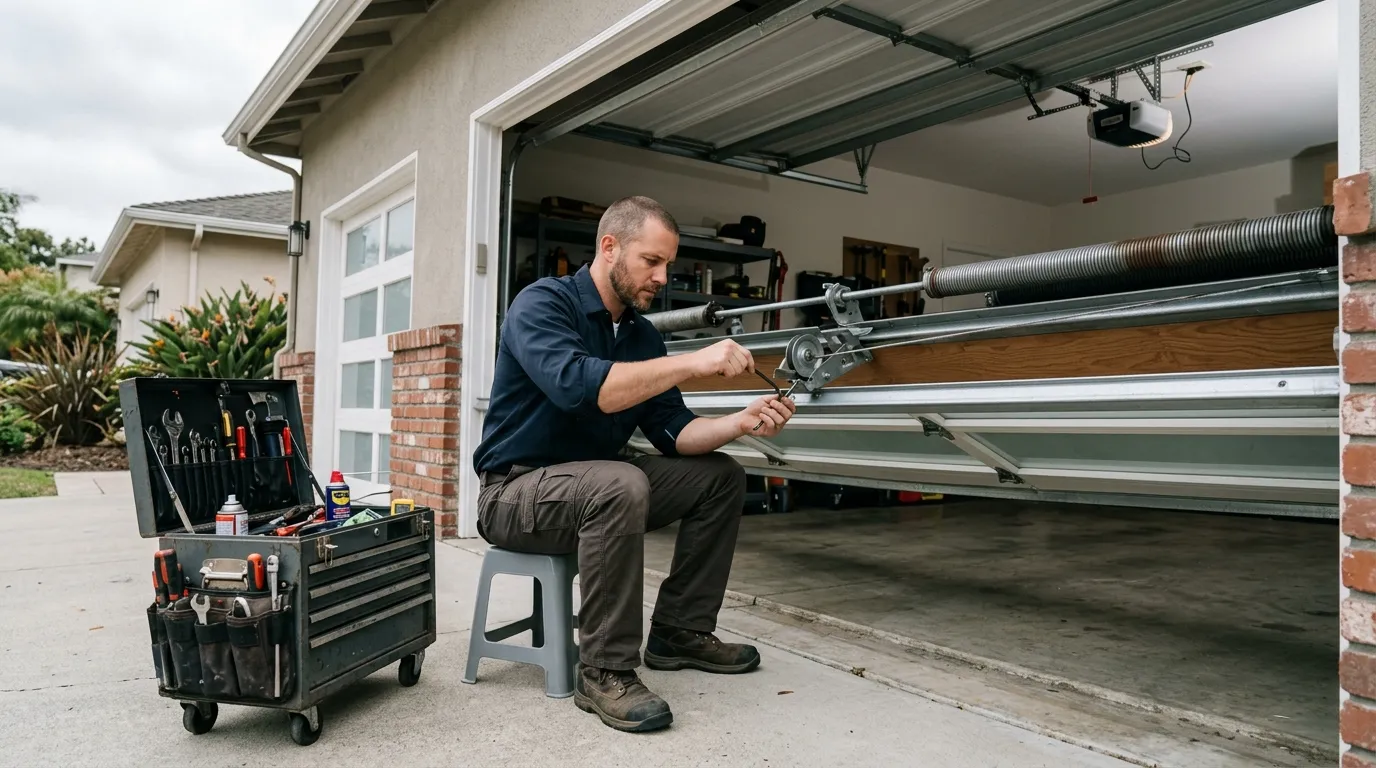
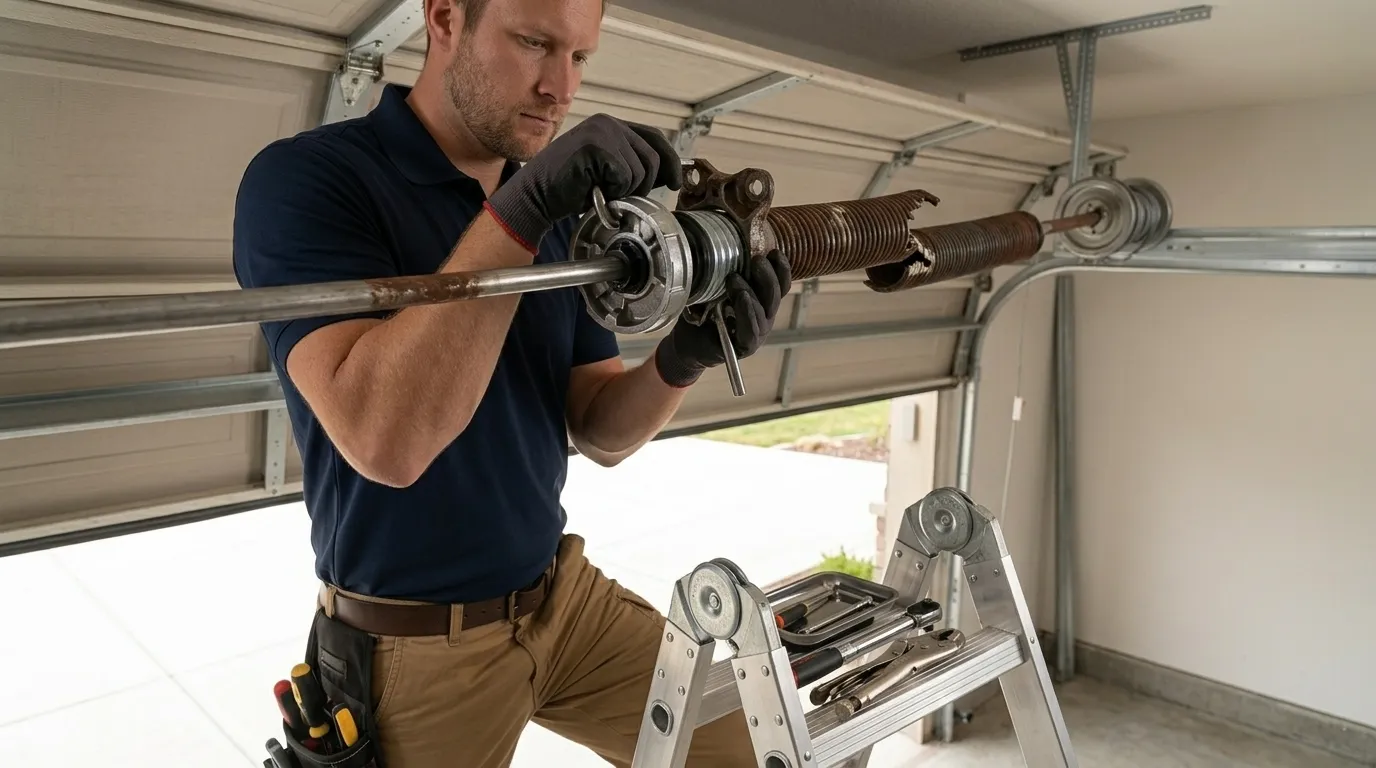
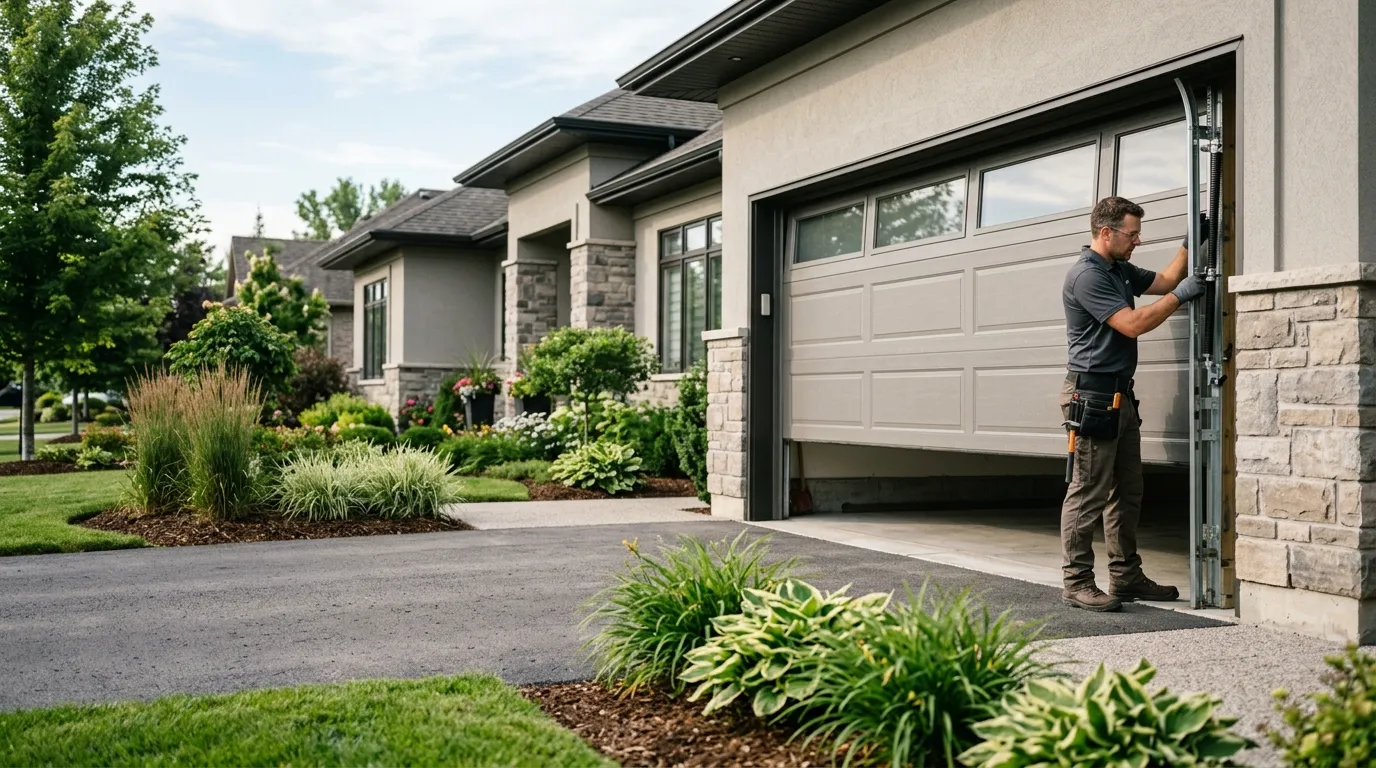
The fault we see most in St. Clair isn't a spring that's been replaced twice - it's one that's never been touched at all. Most of the wider service area's houses date to the late 1970s, which means a lot of doors out there are already on a second or third spring. St. Clair is different: its median home was built in 1989, roughly a decade newer than the area norm. That sounds like an advantage, but it means a lot of these torsion springs are hitting the end of their factory life cycle for the first time, right now, with an owner who's never had a reason to think about the garage door until it won't lift.
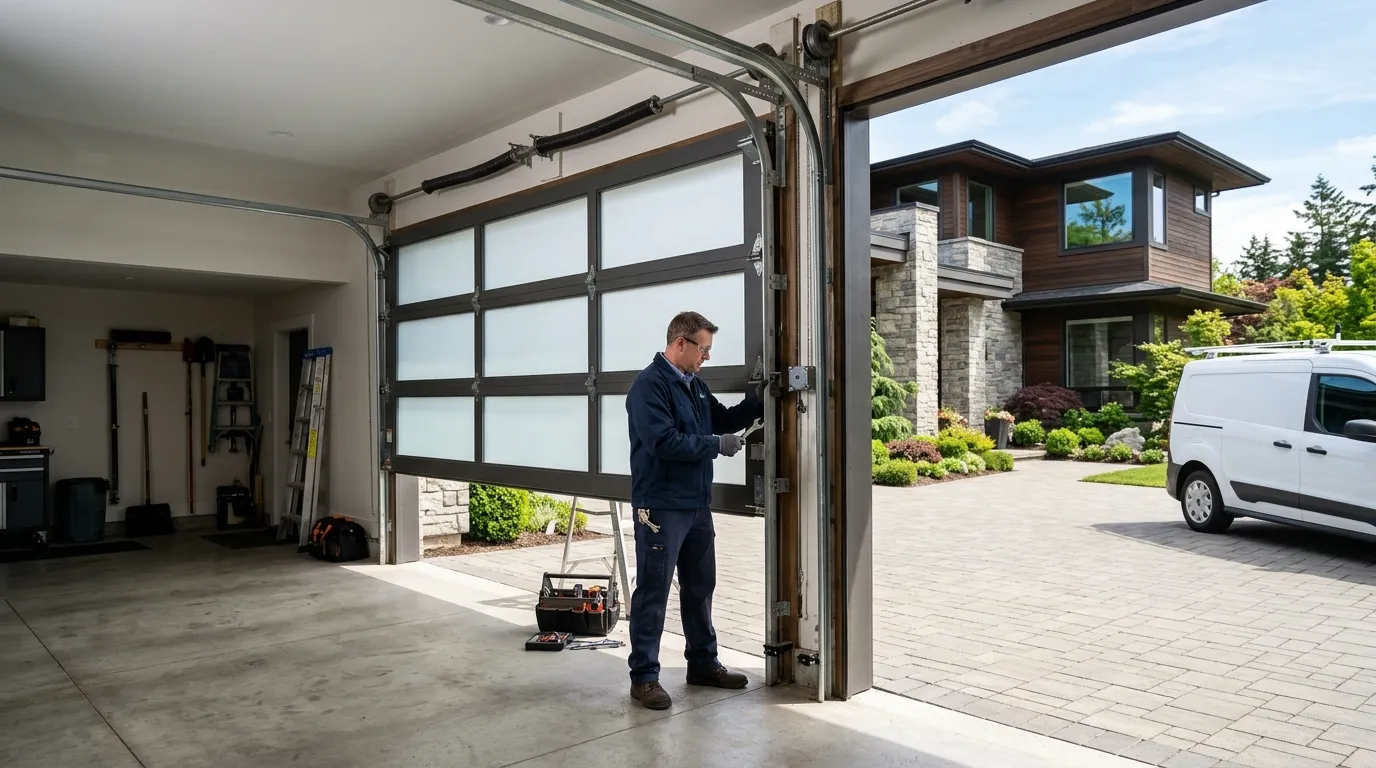
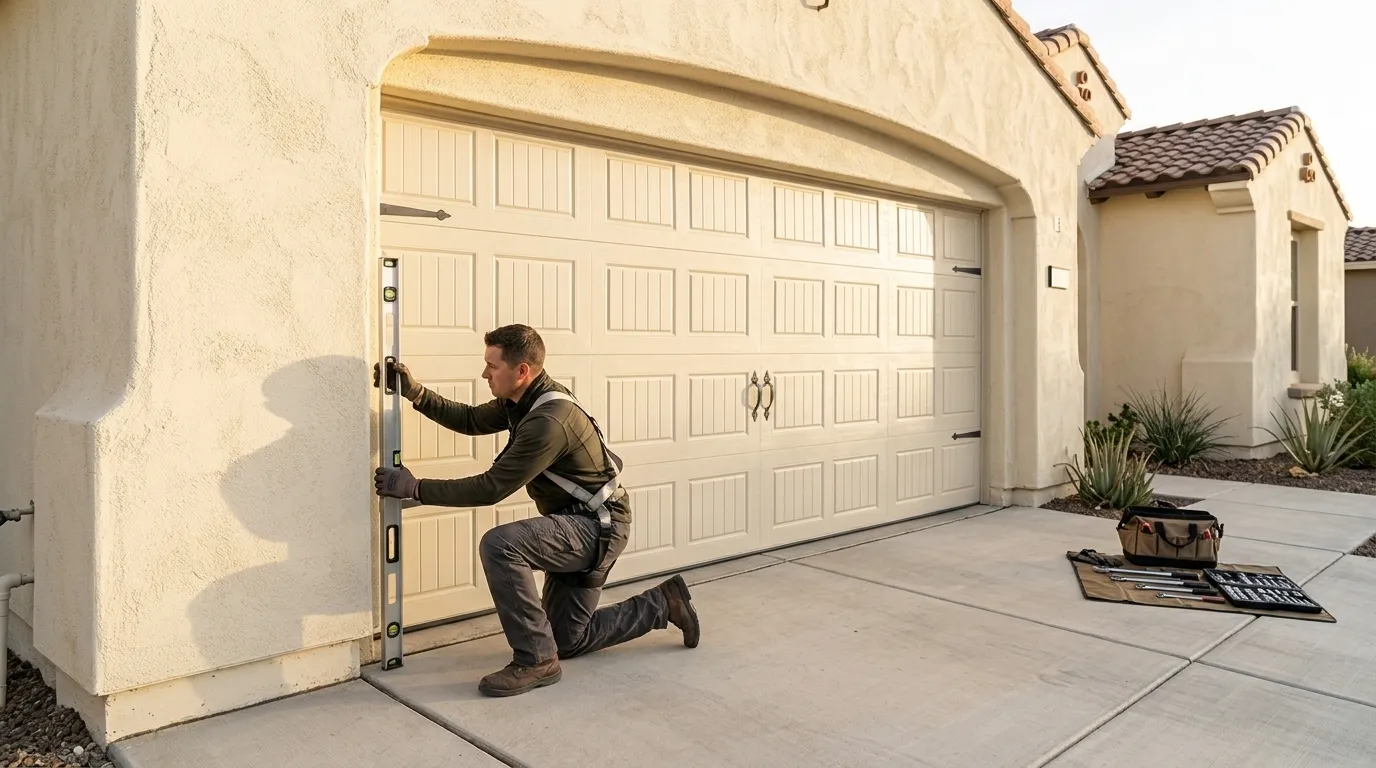
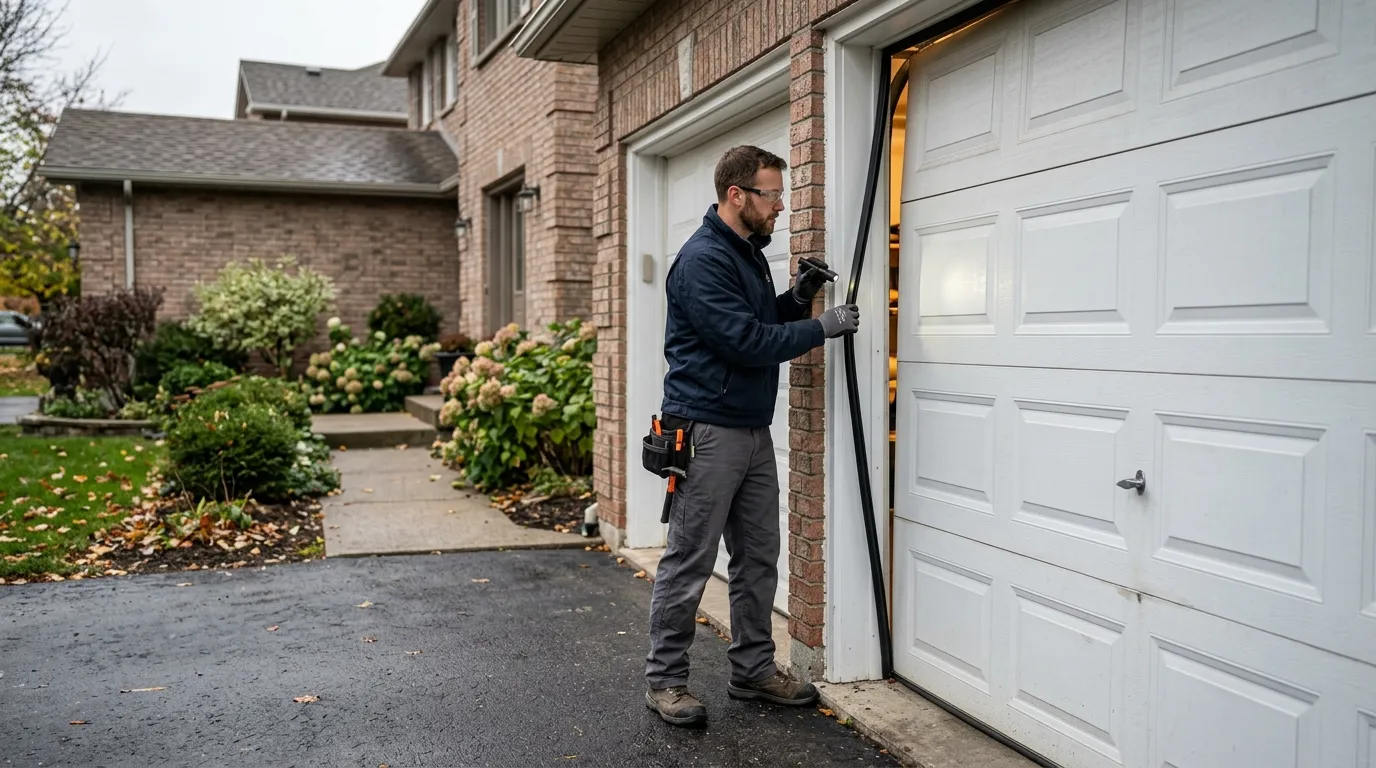
The same goes for the rollers and the track alignment. A door installed new in 1989 came with steel rollers as standard - nobody swapped them out because nothing was wrong yet. Thirty-plus years of a Michigan winter freeze-thaw cycle on steel rollers means noise and binding well before outright failure, and that's usually the first sign an owner in St. Clair actually notices. It's not a dramatic snap. It's a grinding, catching sound on a door that's never given trouble before.
What You Pay
We don't post a flat number for St. Clair specifically, since what you pay depends on what the inspection finds - a clean check-and-lube visit costs less than one where we're also replacing a roller set or resealing a bottom panel. What we can tell you is what shapes the estimate here: a 1989-median build means most doors are original steel sectional units, not the older wood-panel doors you'll find further into the service area's 1960s and '70s pockets, and parts availability for that generation is generally straightforward.
St. Clair's median household income runs at $90,774, notably above the $68,482 median across the wider service area. That's not a pricing factor on our end - we don't charge differently by zip code - but it does line up with what we see on the ground: more owners here book a maintenance visit ahead of a failure instead of waiting for a snapped cable to force the call.
The Symptom
If your door in St. Clair has started making a rhythmic clunk on the way up, or the opener strains and reverses partway through the cycle, that's usually a spring losing tension - not a motor problem, even though it feels like one. On a door that's been fine for thirty-plus years, this is often the first real sign of wear rather than a symptom you've dealt with before.
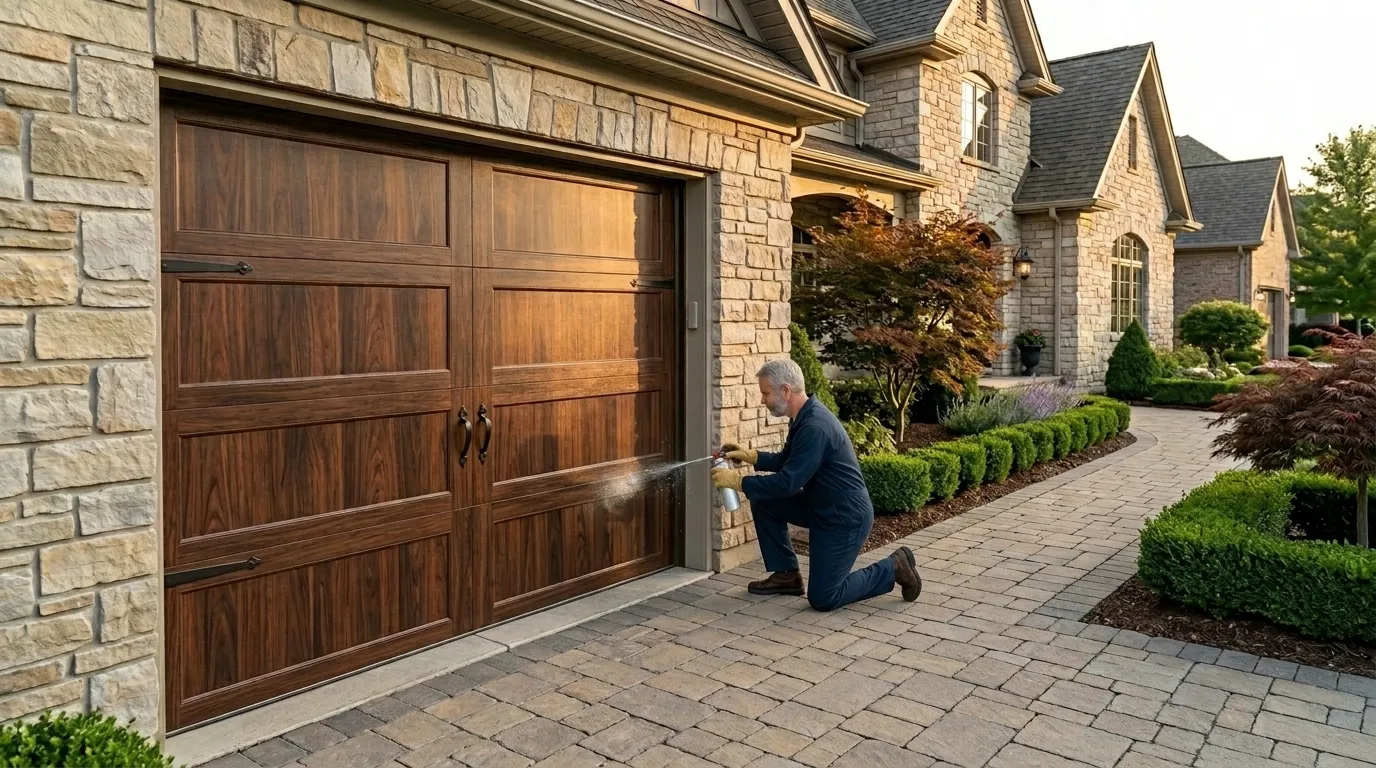
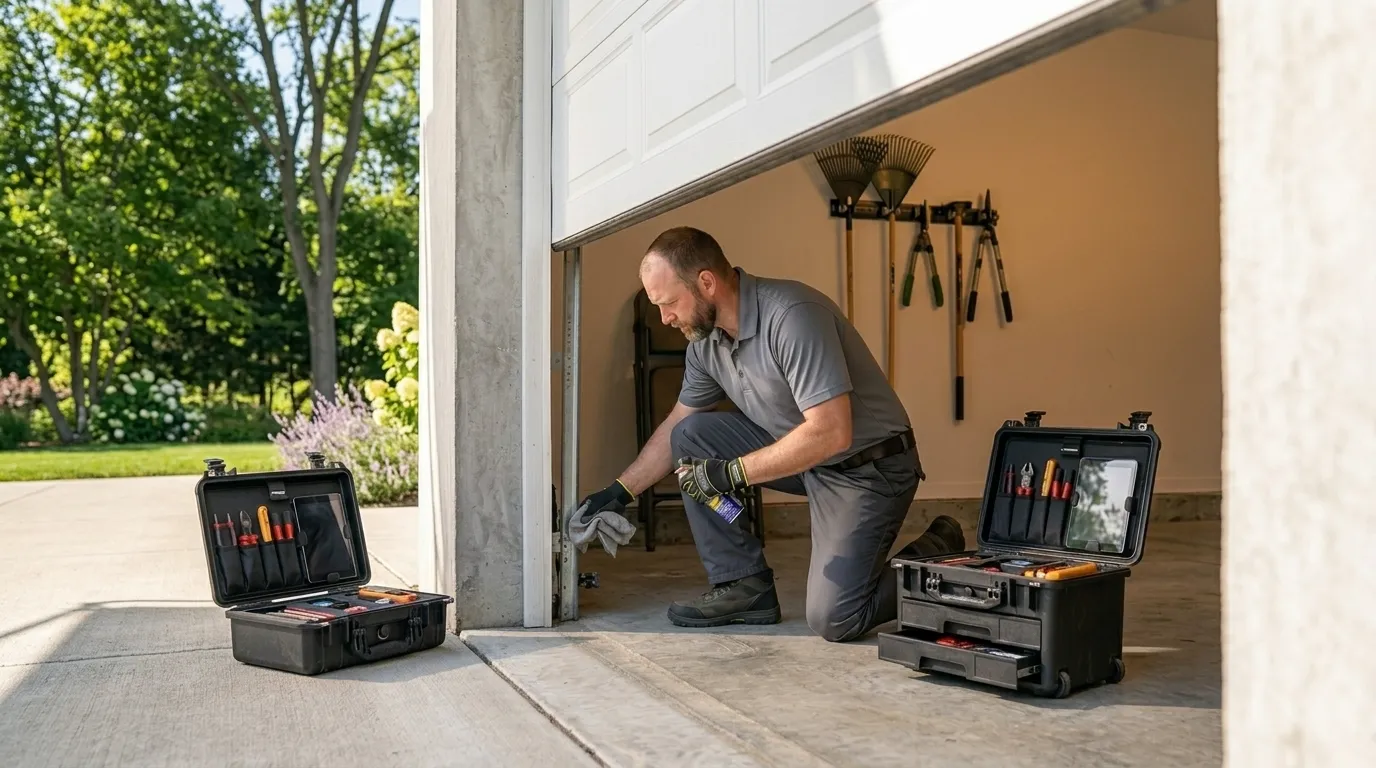
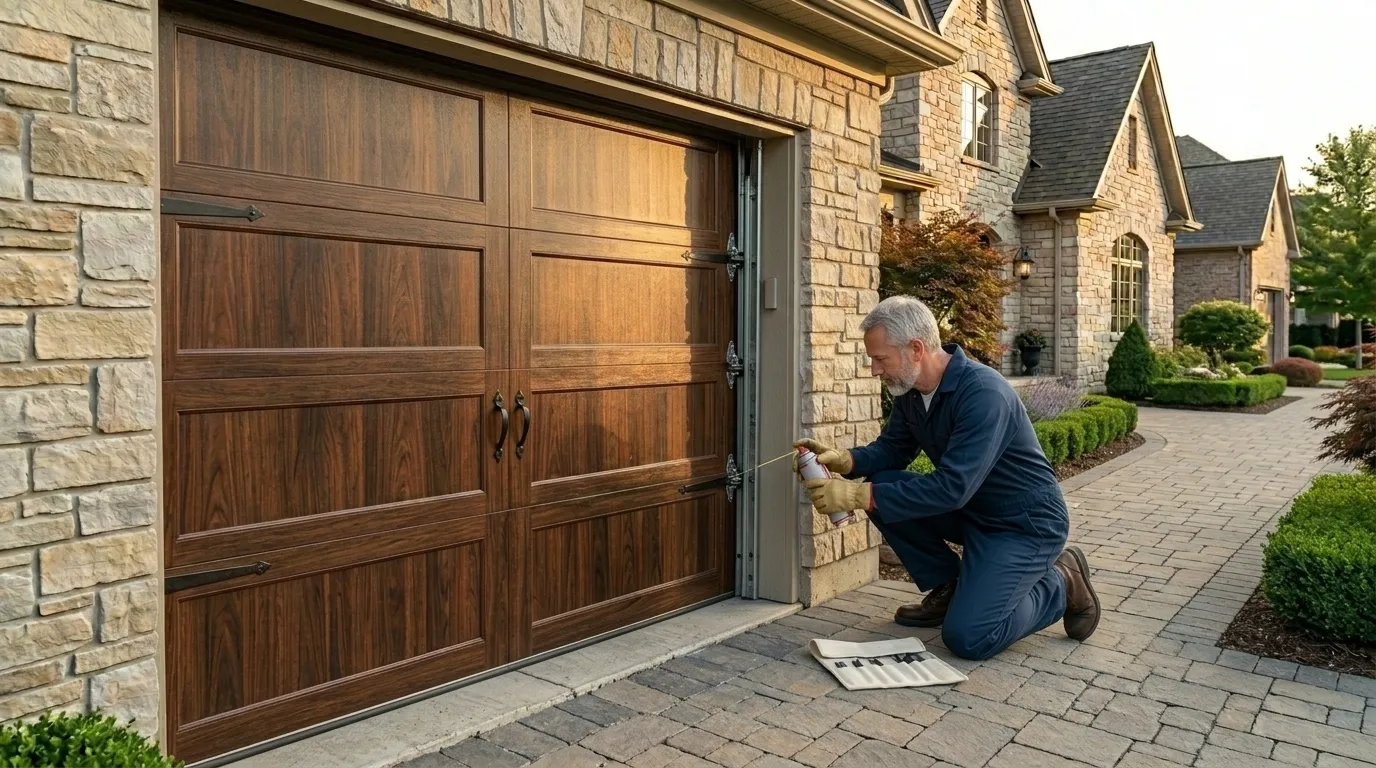
Cold-weather stiffening makes it worse. In a severe cold climate like this one, grease that's gone gummy in the cold adds drag right when a tired spring has the least margin to spare, so a door that was merely noisy in October can refuse to open at all in January. One thing we're upfront about: if a spring has already gone and the drums or cables show wear from the same cycle, replacing the spring alone isn't worth doing - at that point full hardware replacement is the honest recommendation, not a patch that fails again in a season.