How Long It Takes
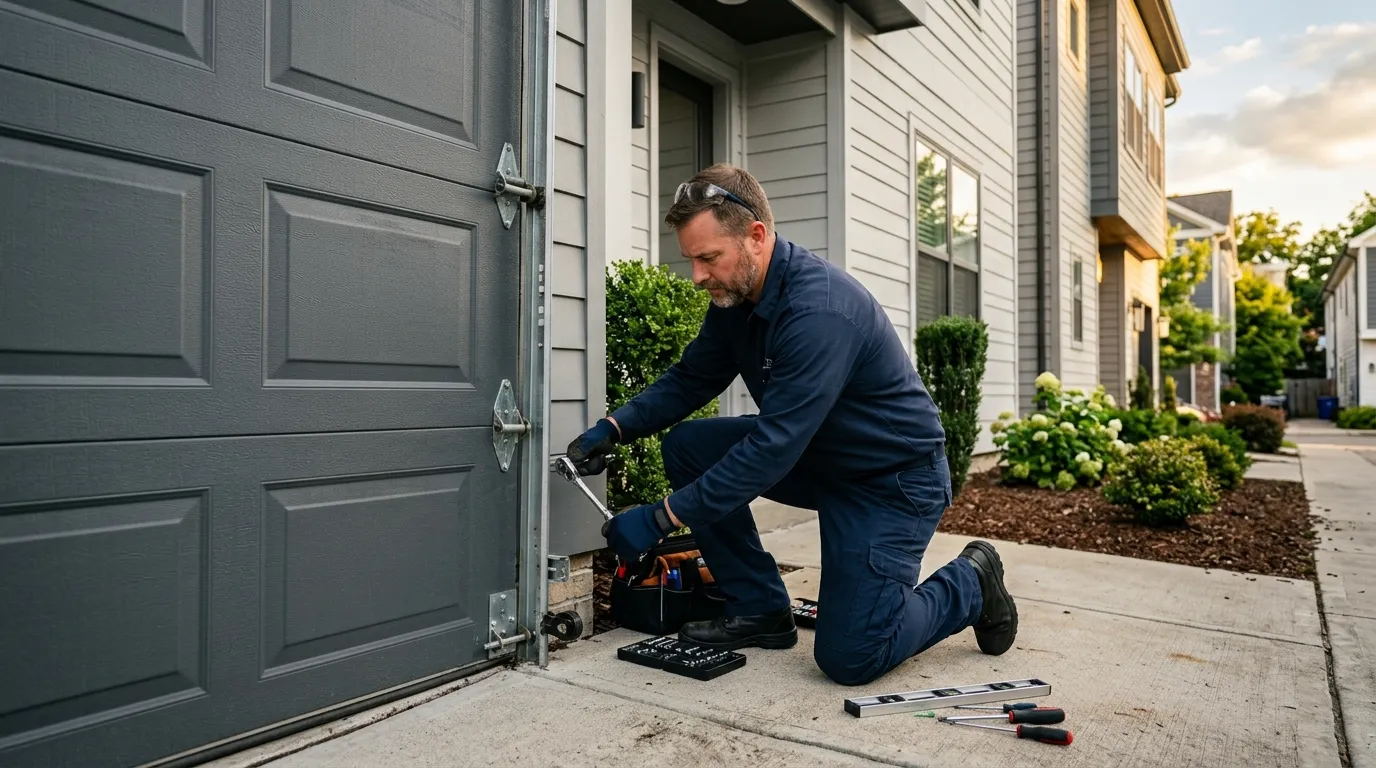
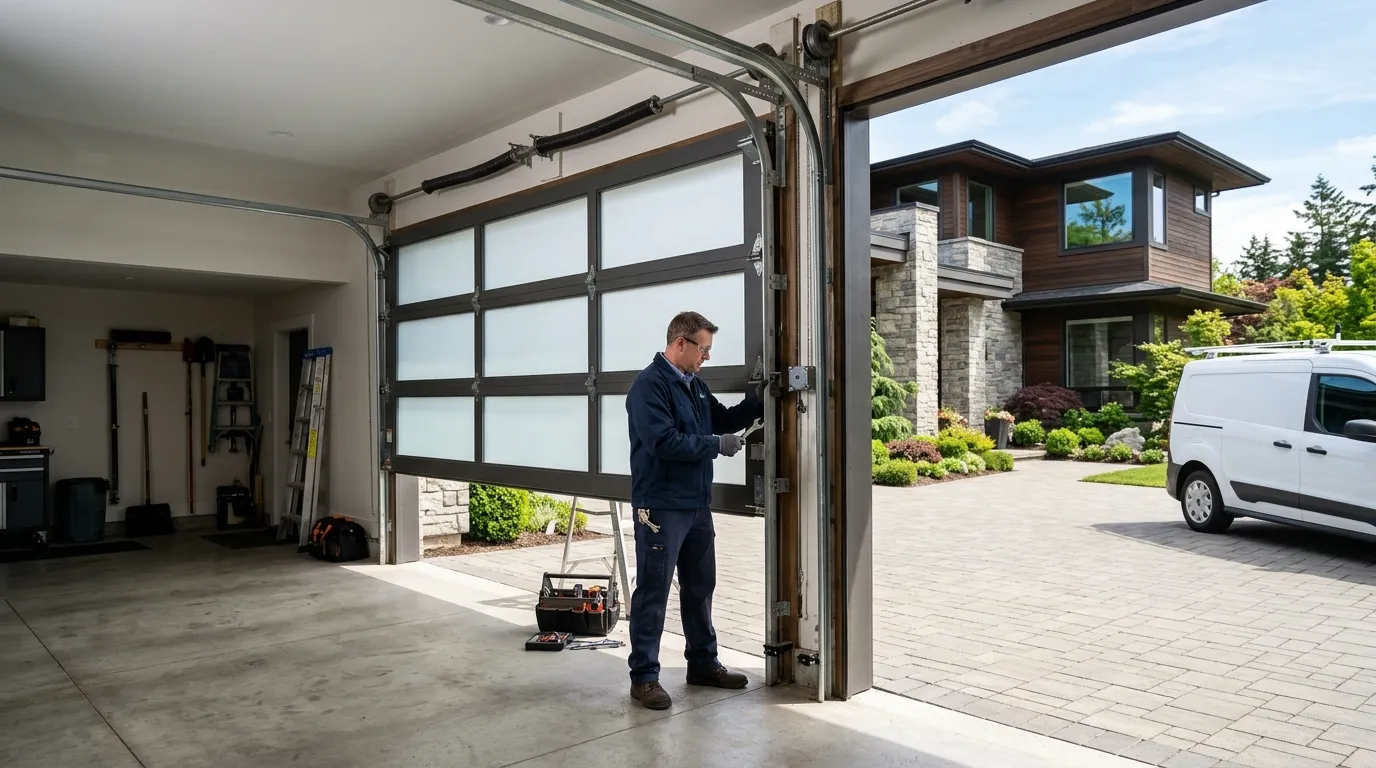
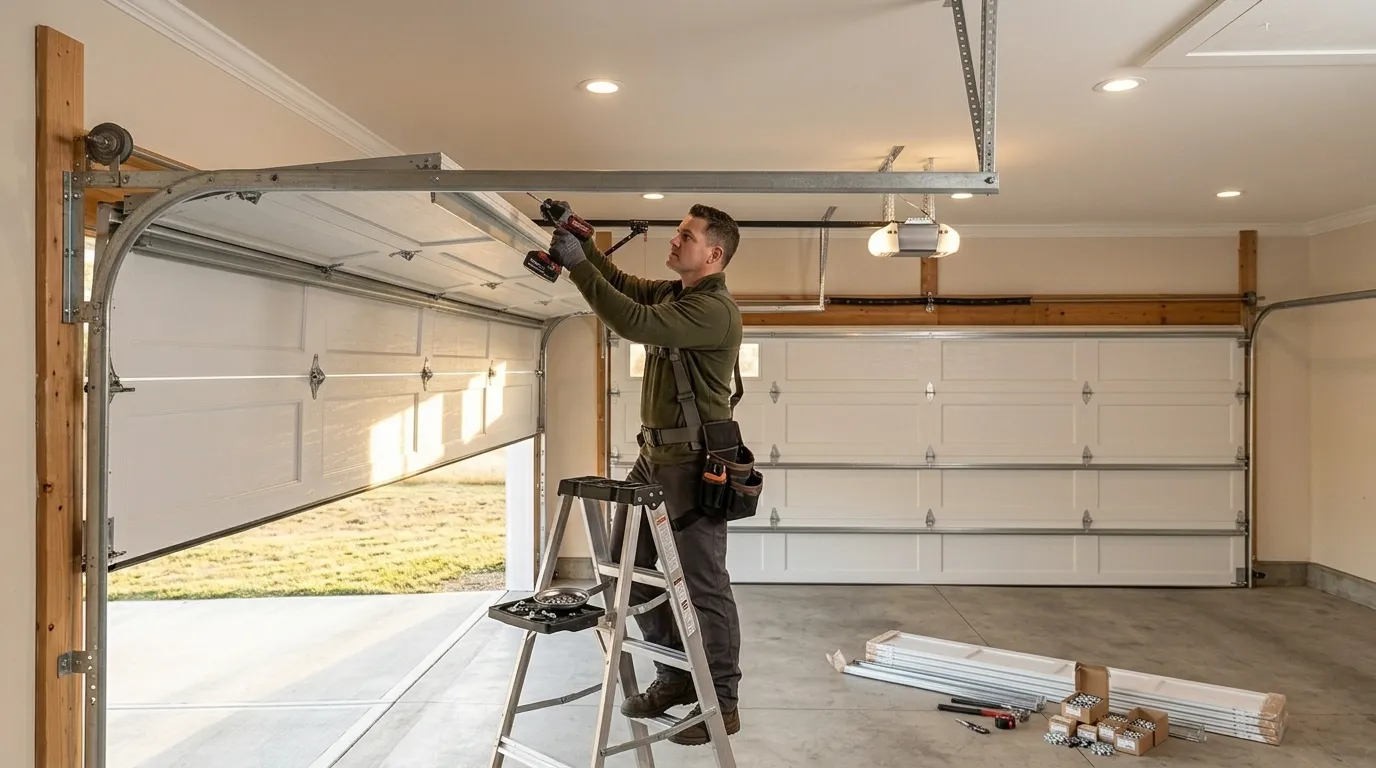
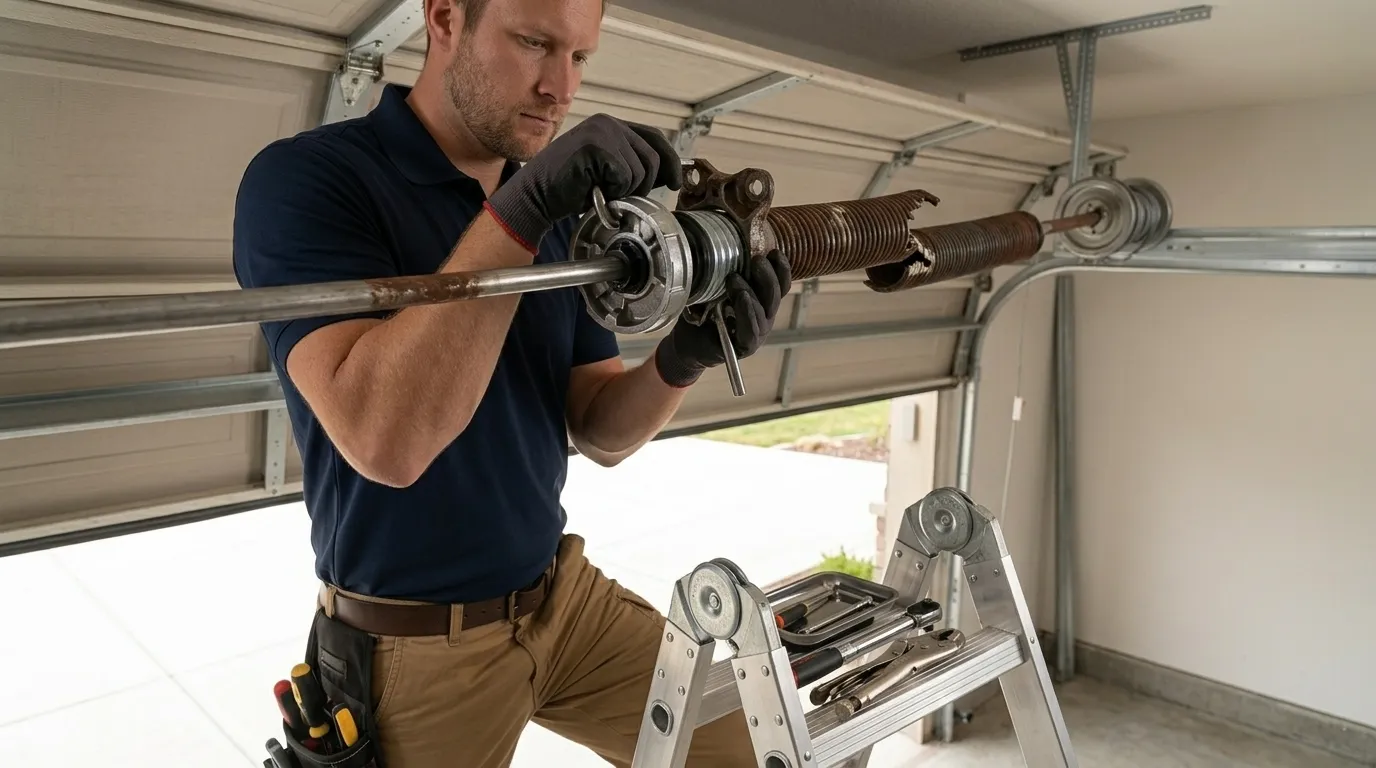
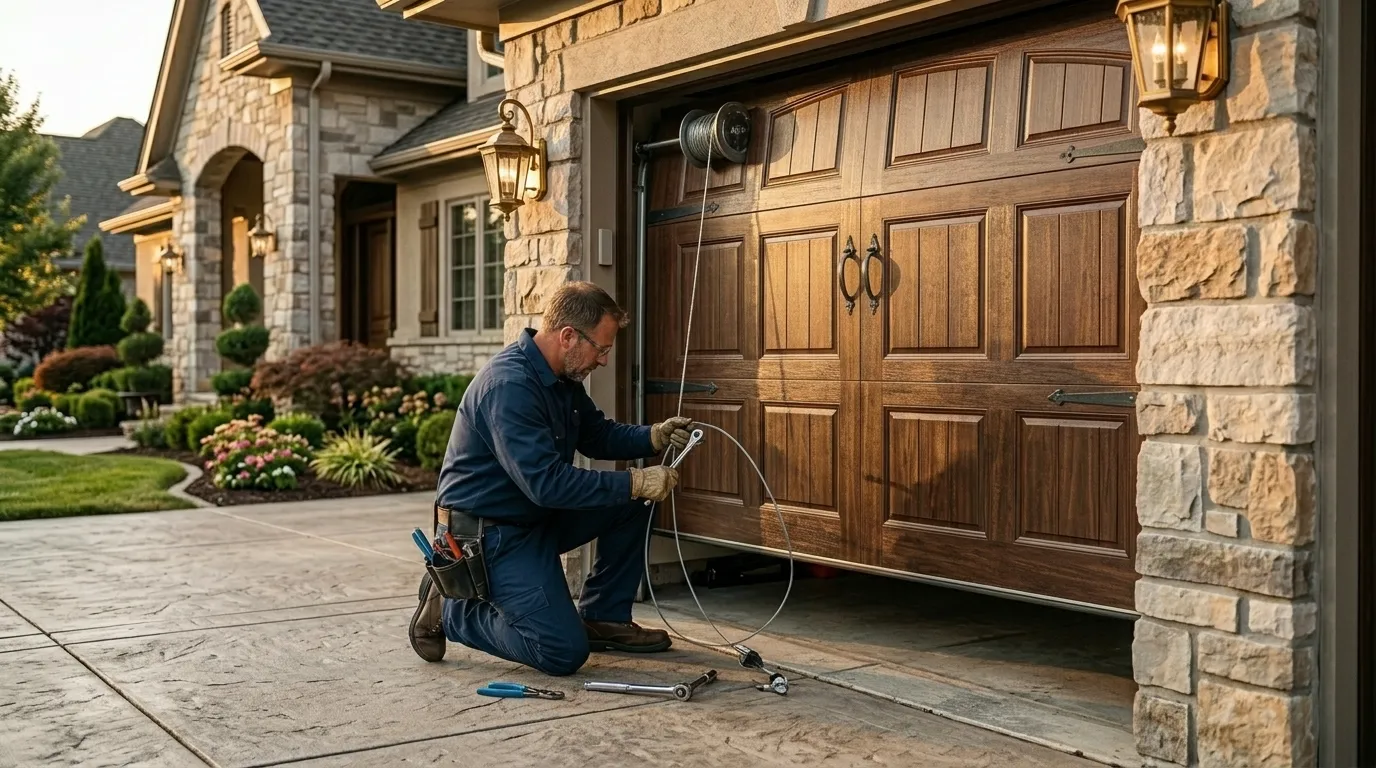
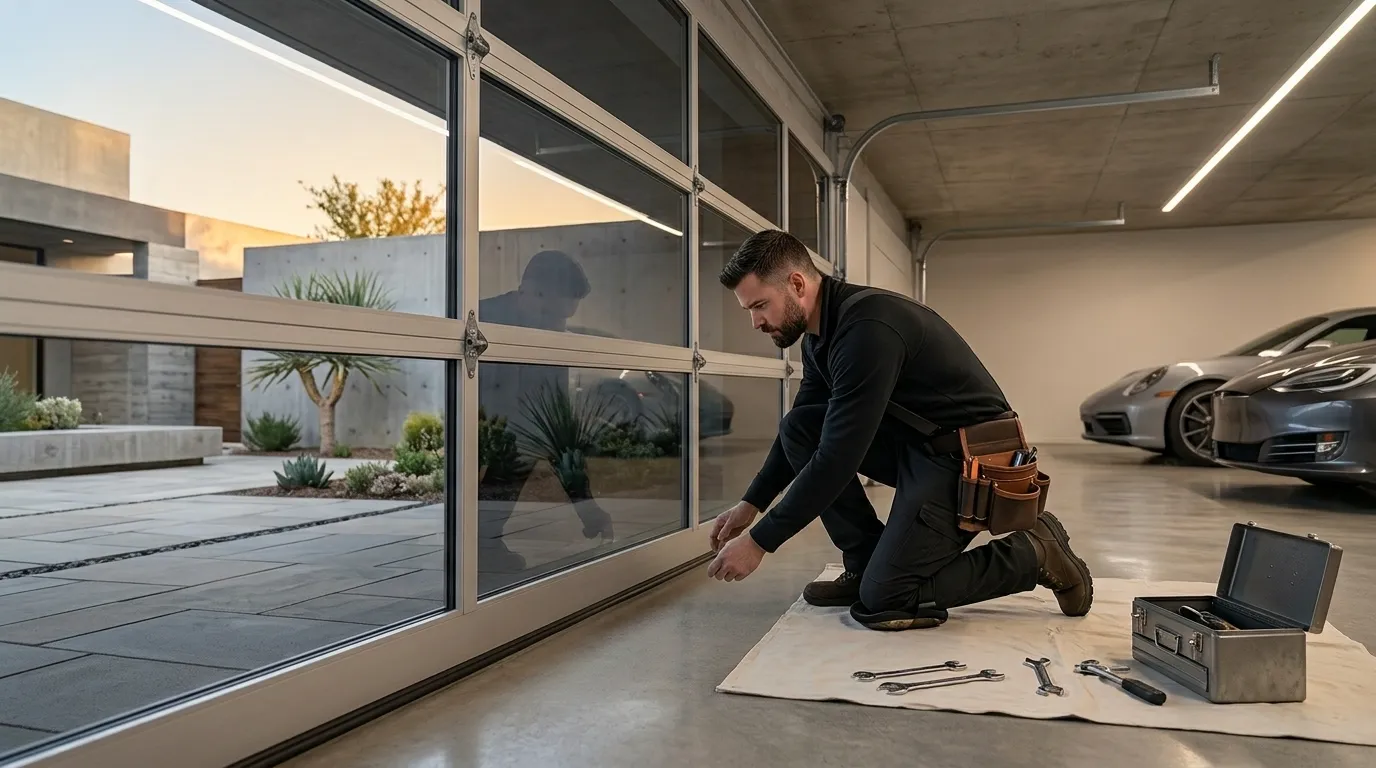
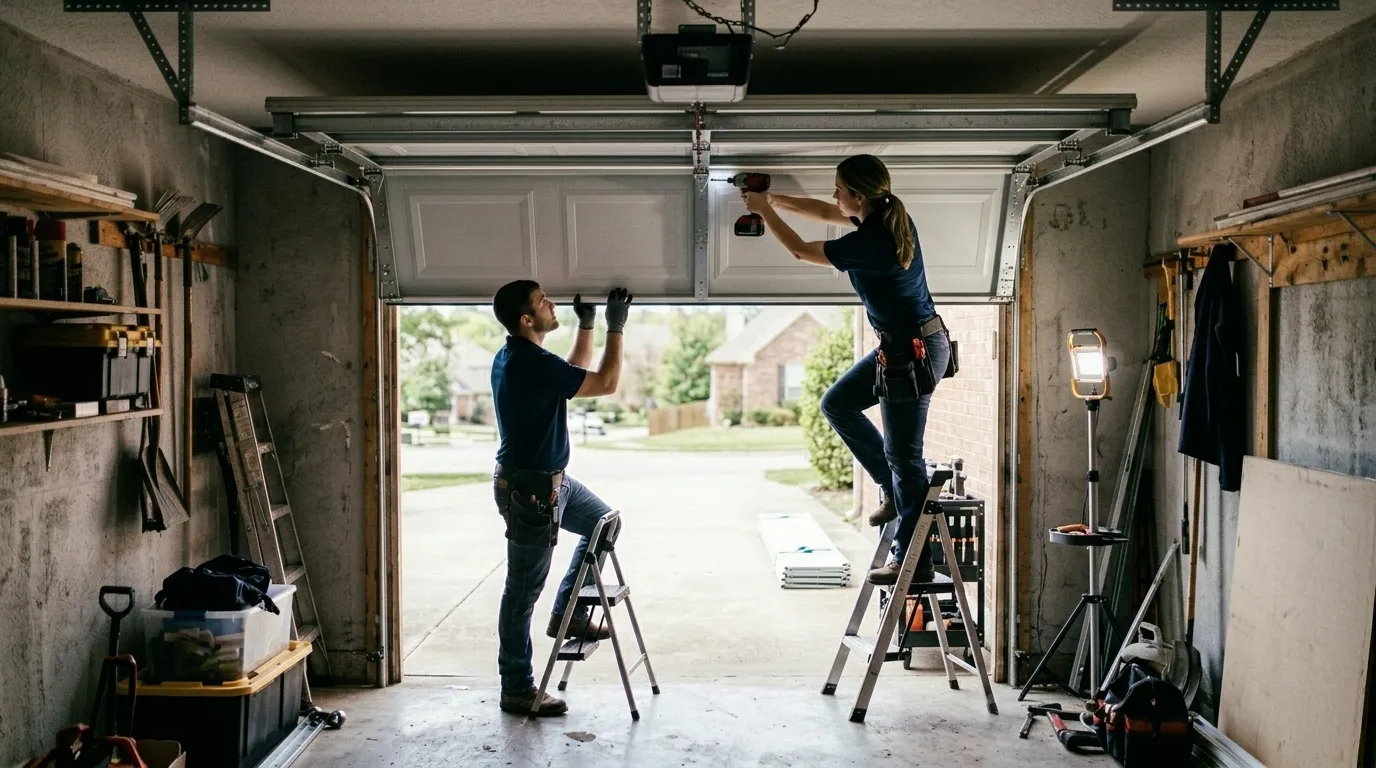
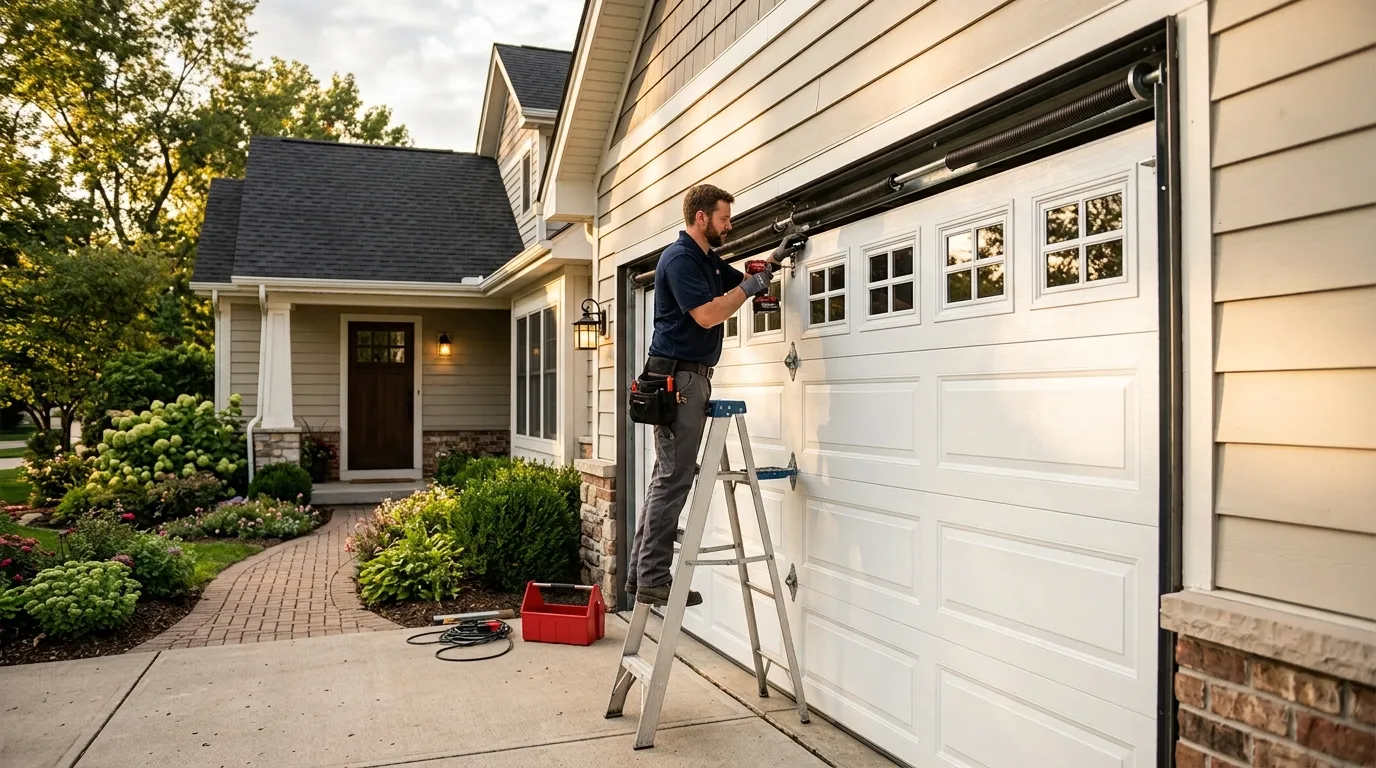
Grant's houses cluster around a median build year of 1989, a full decade newer than the 1978 median across the wider Port Huron service area. That matters for how long a job takes. A house built in 1989 almost always has a steel sectional door on torsion springs already - the same basic hardware layout we install today - so we're not fighting a converted wood door, a homemade jamb, or an odd single-panel slab from the 1960s stock you find closer to the older parts of the territory. Swapping a torsion-spring sectional for another torsion-spring sectional on the same track width is a straightforward day's work: pull the old door and springs, set new track and hinges if the opening hasn't shifted, hang the new panels, wind new springs to the correct door weight, and set the opener travel limits. We're driving the 12 miles out from Port Huron for the job, so we build the drive into the schedule rather than treating it as a same-hour add-on. If the framing has settled or the opening is out of square - which happens even on a house this age - add time for header or jamb work before the new door goes up.
Why This Fails Locally
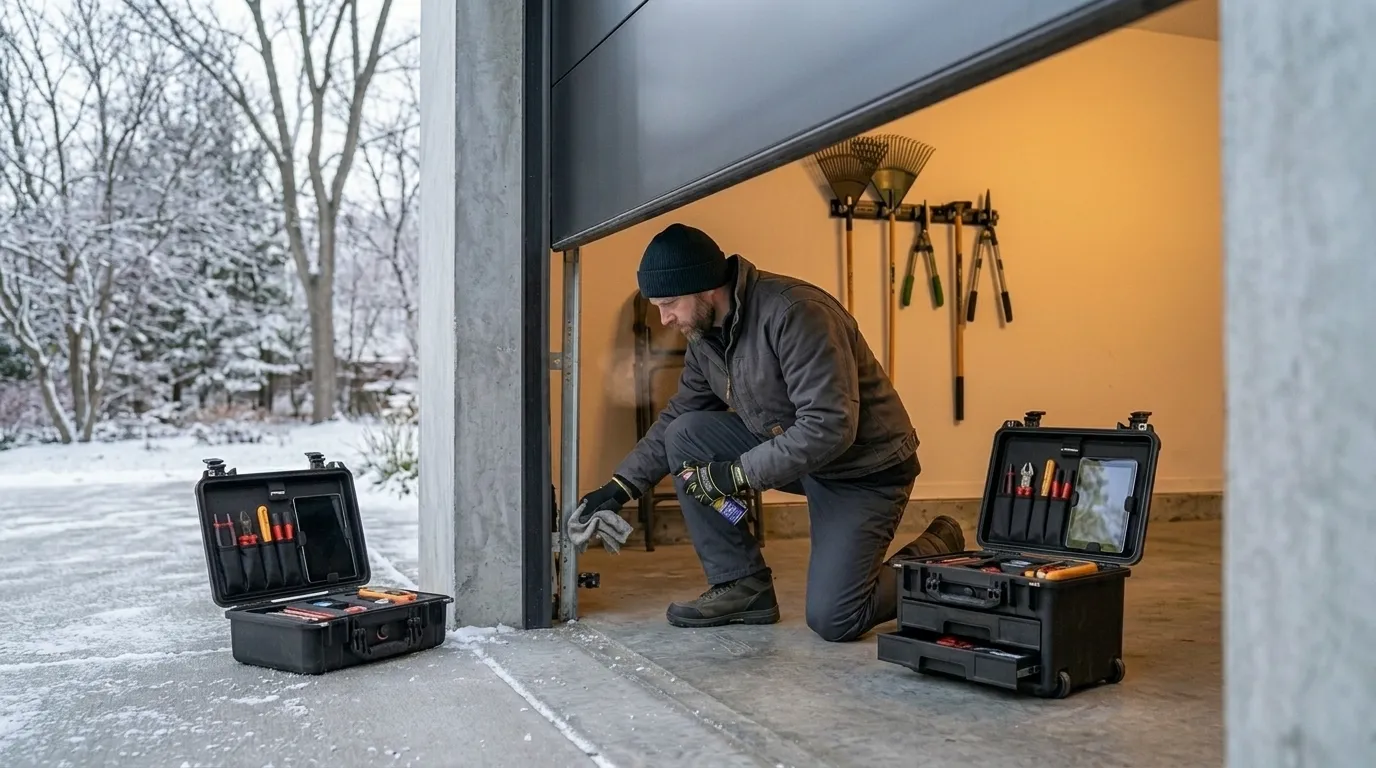
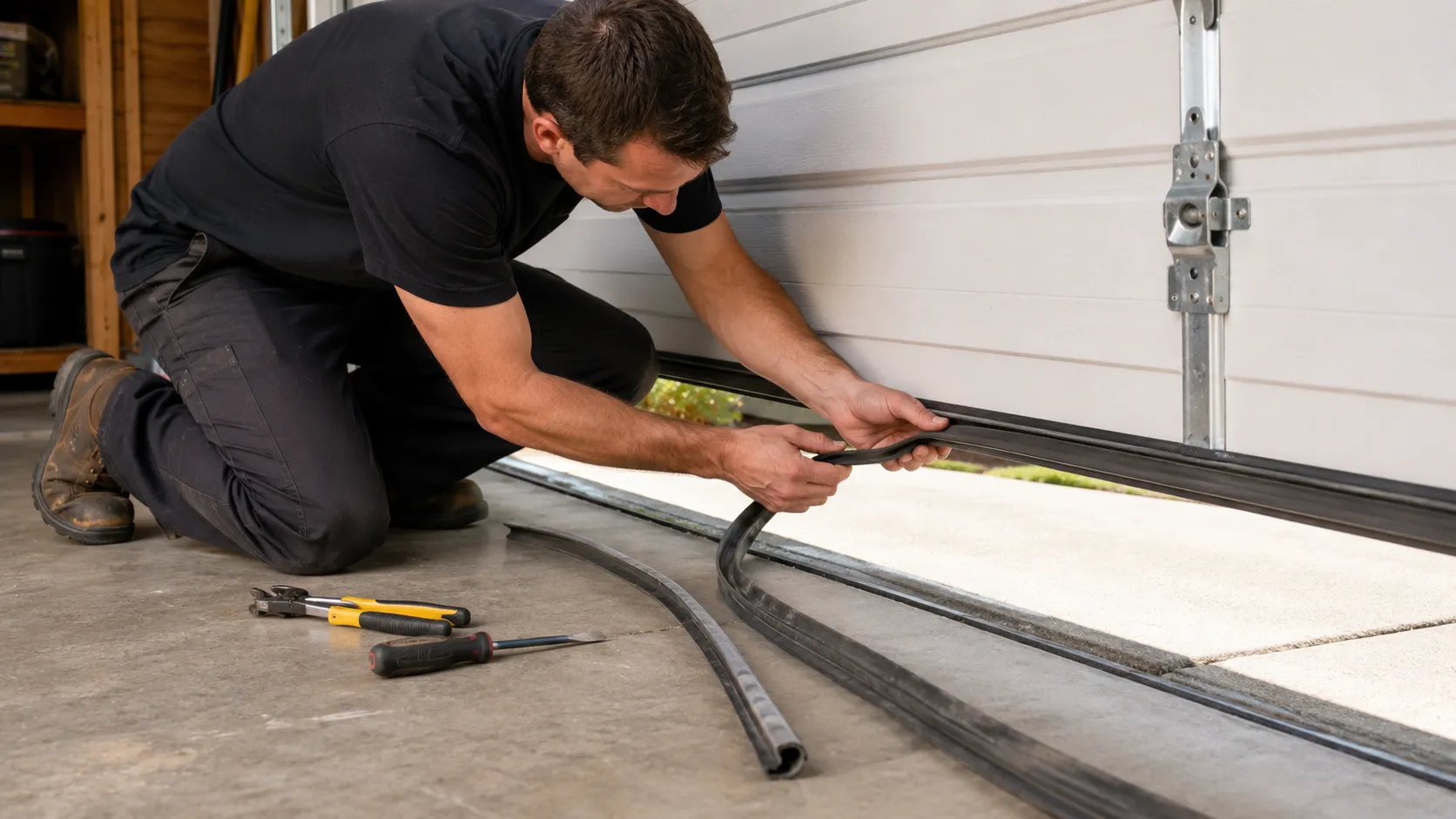
Grant sits about 12 miles from Port Huron, in a climate zone federal data classifies as severe cold. That combination - a house built to 1989-era code standards, then thirty-plus winters of freeze-thaw cycling - is where insulation and seal choices start to matter more than they did at install. A door bought without attention to R-value or a proper bottom seal will let cold air track along the slab and stiffen the torsion spring's action on the coldest mornings, which is when a marginal spring finally lets go. At a median household income of $85,909 and around 686 households in Grant, most homeowners here are buying once and expecting the door to last - that means spending on an insulated steel or composite door with a full perimeter seal is worth it, rather than the cheapest sectional on the lot. It's not a Port Huron problem or a Grant problem specifically; it's what severe-cold climate data plus an aging original install adds up to on any house this age, and Grant's numbers happen to land right in that zone.
The Symptom
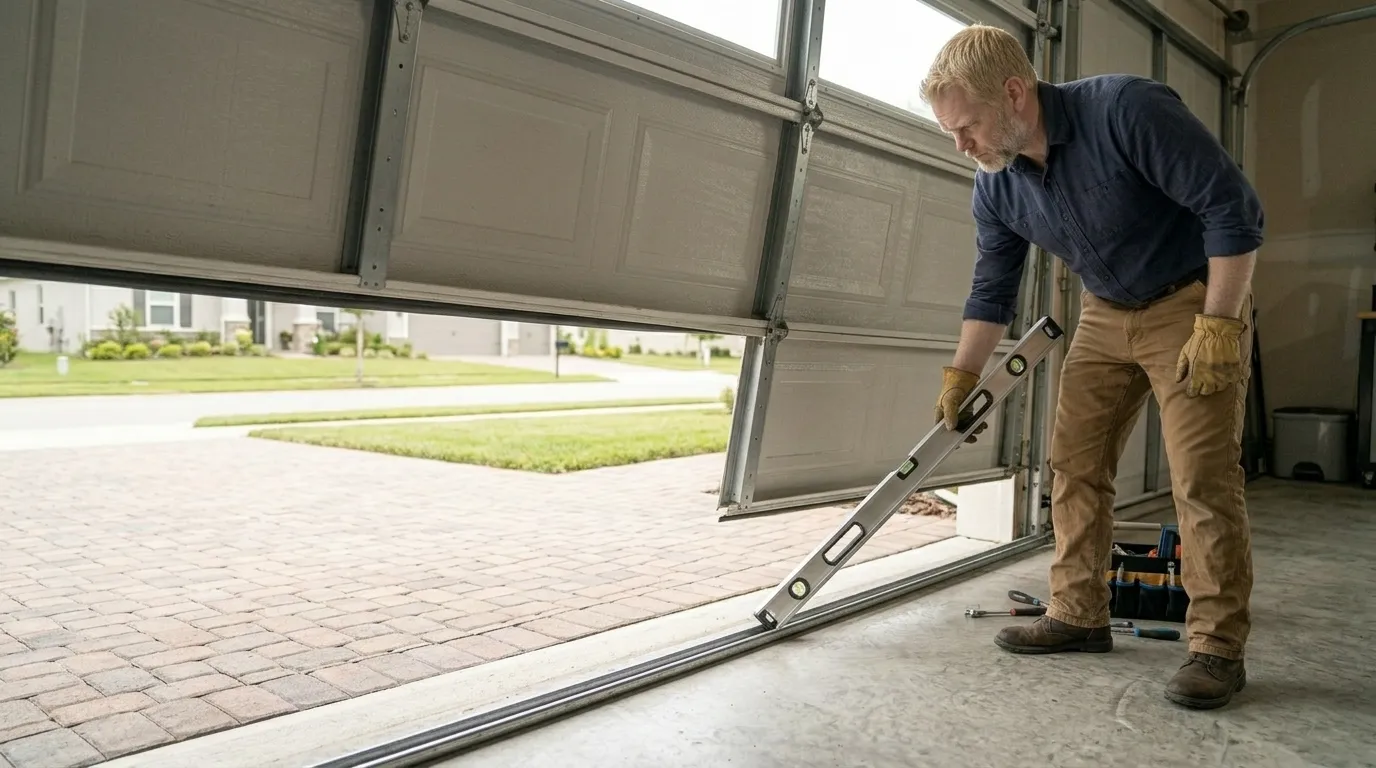
The call we get from Grant homeowners is usually not "my door is broken" - it's that the door is heavy, slow, or making a grinding sound the opener is fighting through, and the owner assumes a repair will fix it. Sometimes it will. But on a house built when this stock generally was, with springs and an opener that are original or near it, a repair is often patching one weak point while the rest of the system is at the same age and headed the same direction. We'll tell you straight if that's the case - a repair that buys six more months on a thirty-year-old spring set isn't a good use of a service call, and replacing the door and opener together, sized correctly for the panel weight, ends up cheaper than two repair visits followed by a replacement anyway. What we won't do is push a new install on a door that's still got real life left in it. If the fix is a ten-dollar roller, we'll tell you that too.