How Long It Takes
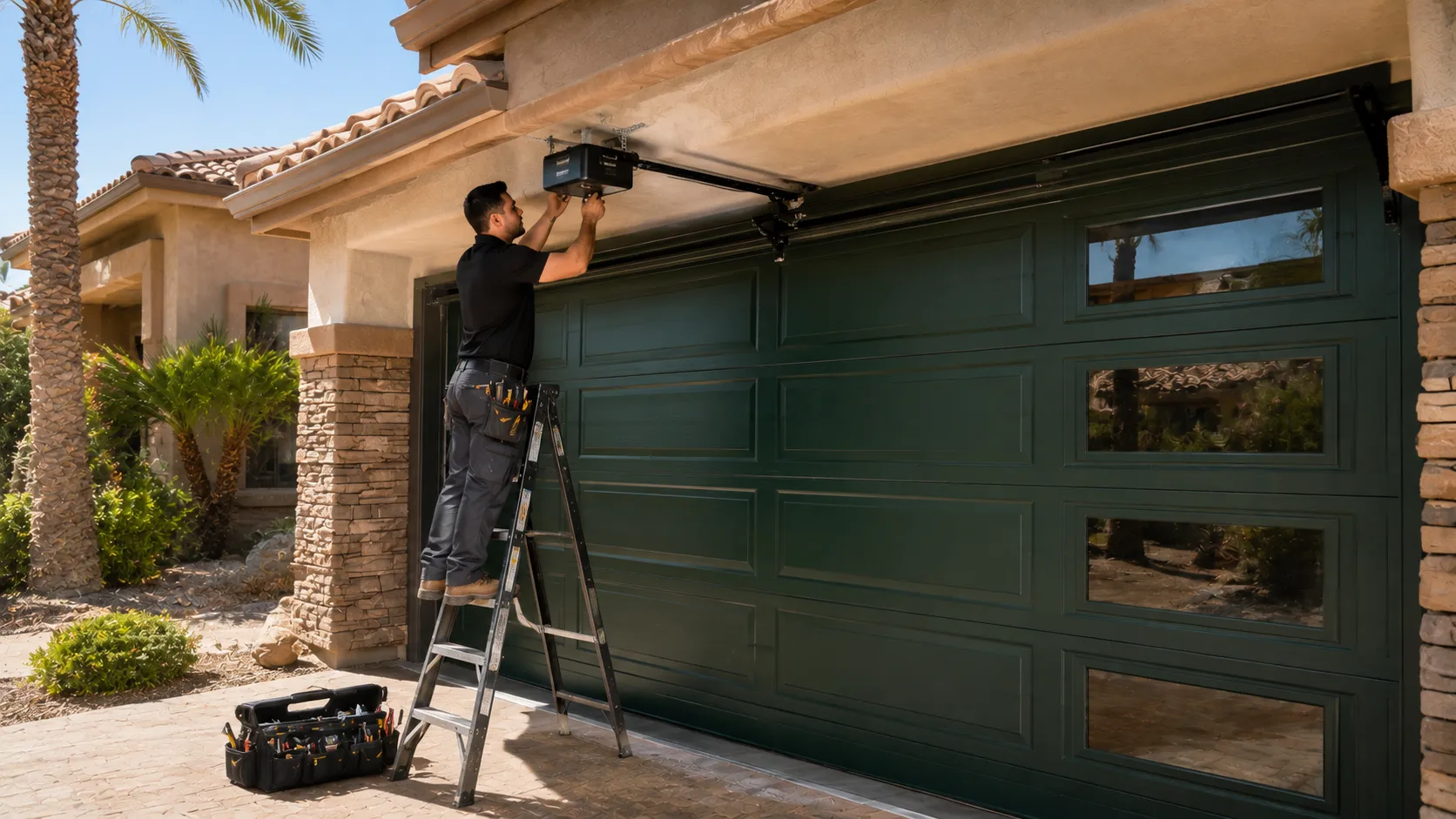
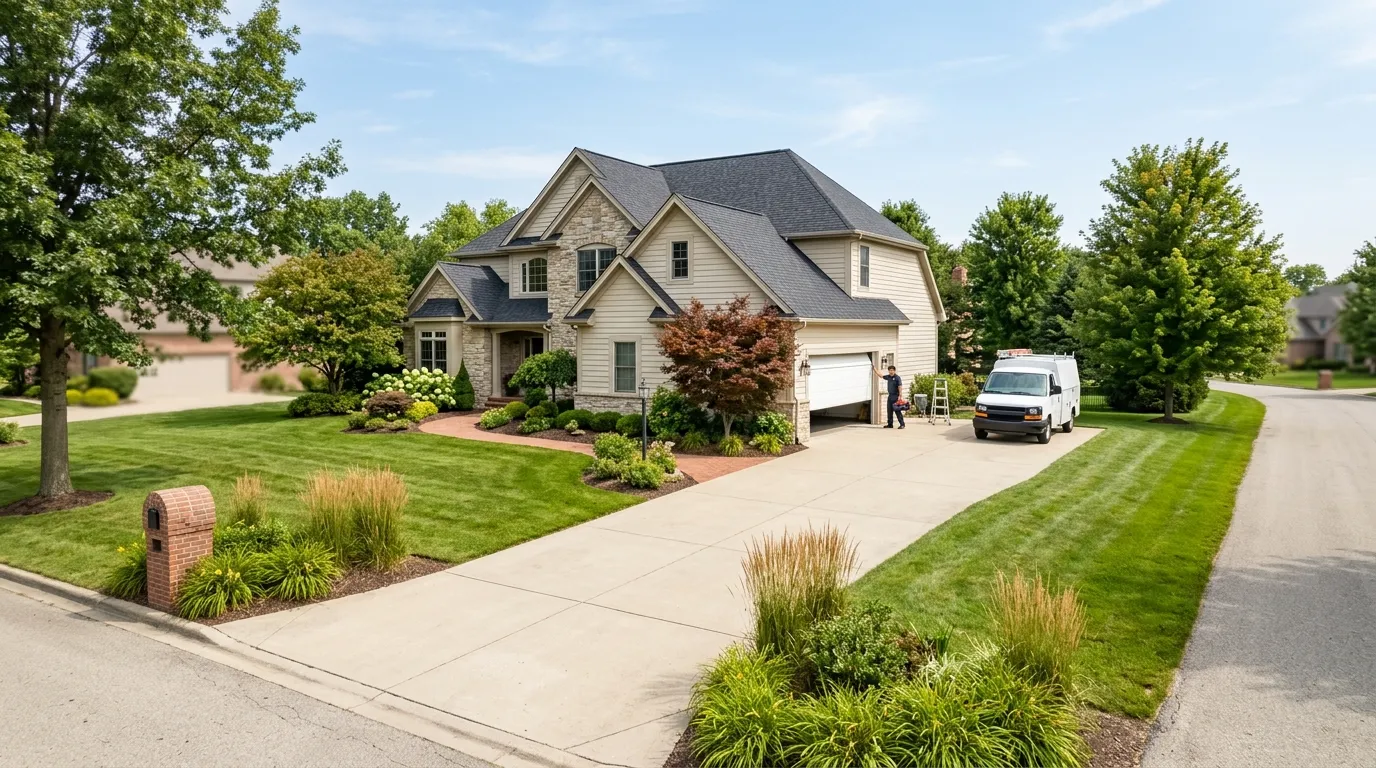
Grant sits about 12 miles from our Port Huron shop, so figure that drive time into any job you book here. We don't keep a branch or a crew stationed in Grant - every truck that shows up for a spring, opener, or panel call started its day in Port Huron and drove out. That's a fact worth knowing before you call: same-day work is possible, but it isn't a five-minute-away kind of arrangement. Most of Grant's roughly 686 households sit on the newer end of the service area's housing stock, with a median build year around 1989. That means the double-car steel doors common here are a standard size, on standard torsion hardware, which actually works in your favor - parts for a 1989-era door are not the scavenger hunt that a 1940s one-piece door turns into. The job itself, once the truck is on-site, runs the usual range for a spring or opener swap. What takes the extra time out here is simply getting a technician to your driveway, not sourcing the hardware once they're there.
Why This Fails Locally
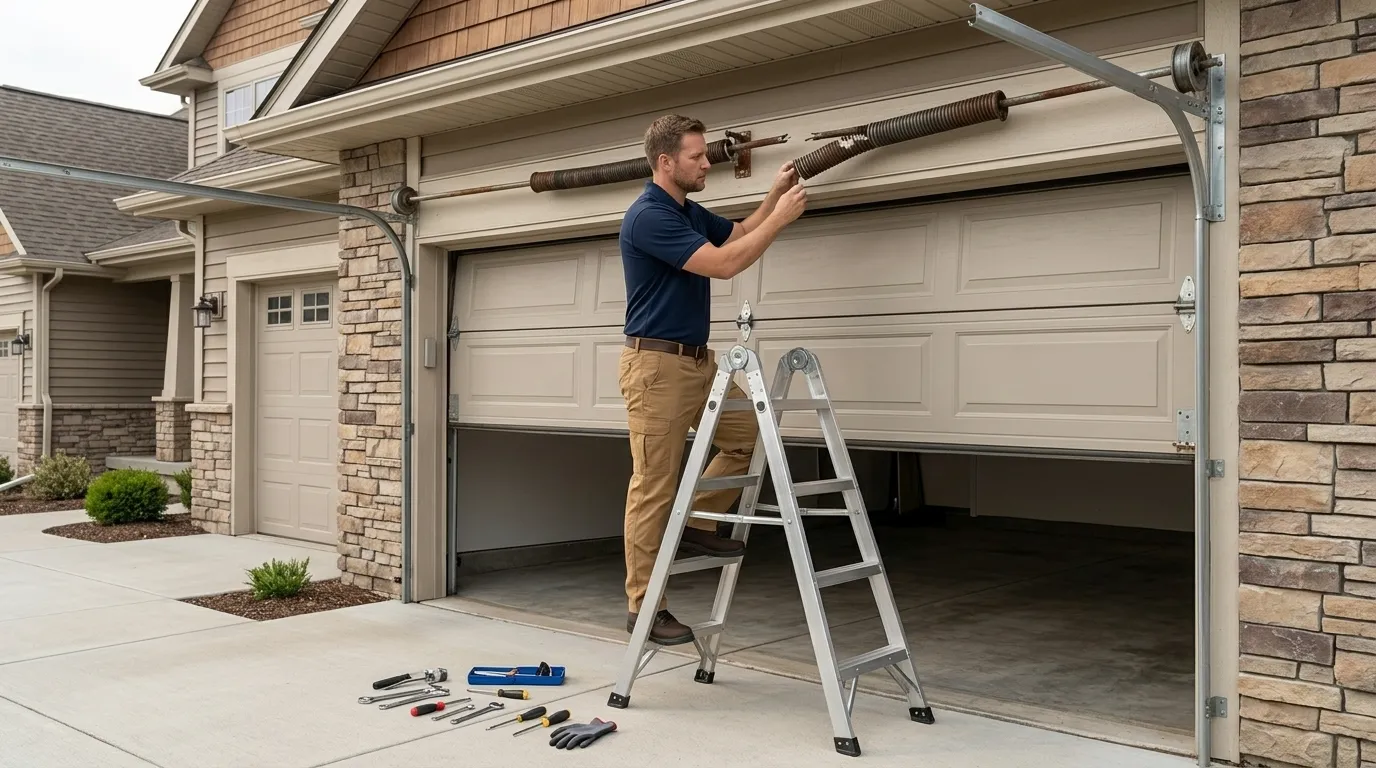
Grant's median household income sits at $85,909, noticeably above the $68,482 median across the wider service area, and that shows up in what people are willing to fix versus replace. Homeowners here tend to call for a full opener upgrade rather than nursing a 20-year-old chain drive along, and that changes the kind of job we load the truck for. The area also sits inside the same severe cold climate band as the rest of the region we cover, which matters for a standard torsion spring: steel loses flex in sustained cold, and a spring that's already fatigued from age snaps sooner on a January morning than in July. Because most doors here are newer than the service area's 1978 median build year, we see fewer of the odd, obsolete hardware combinations that plague the older 1960s stock - fewer side-mounted extension springs, more consistent torsion setups - which makes diagnosis quicker once we're on-site.
The Symptom
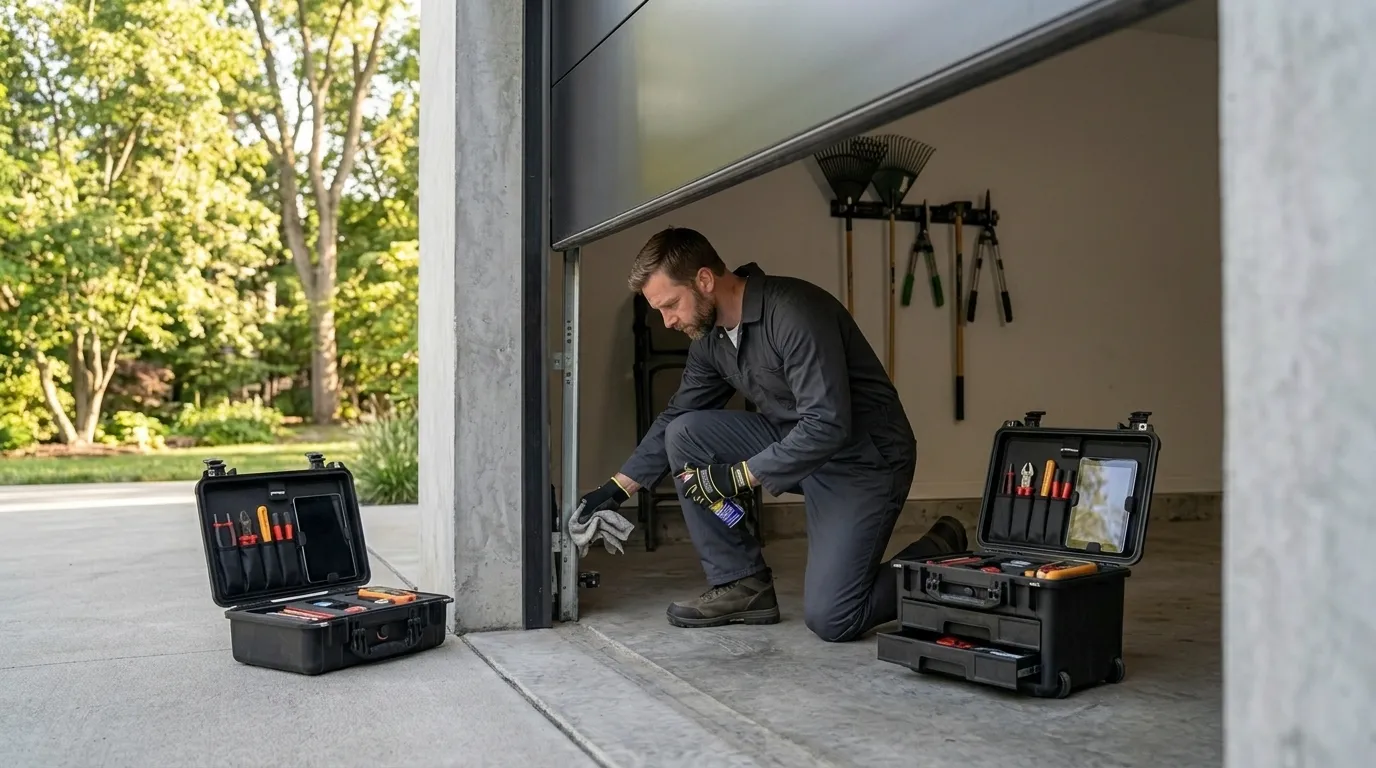
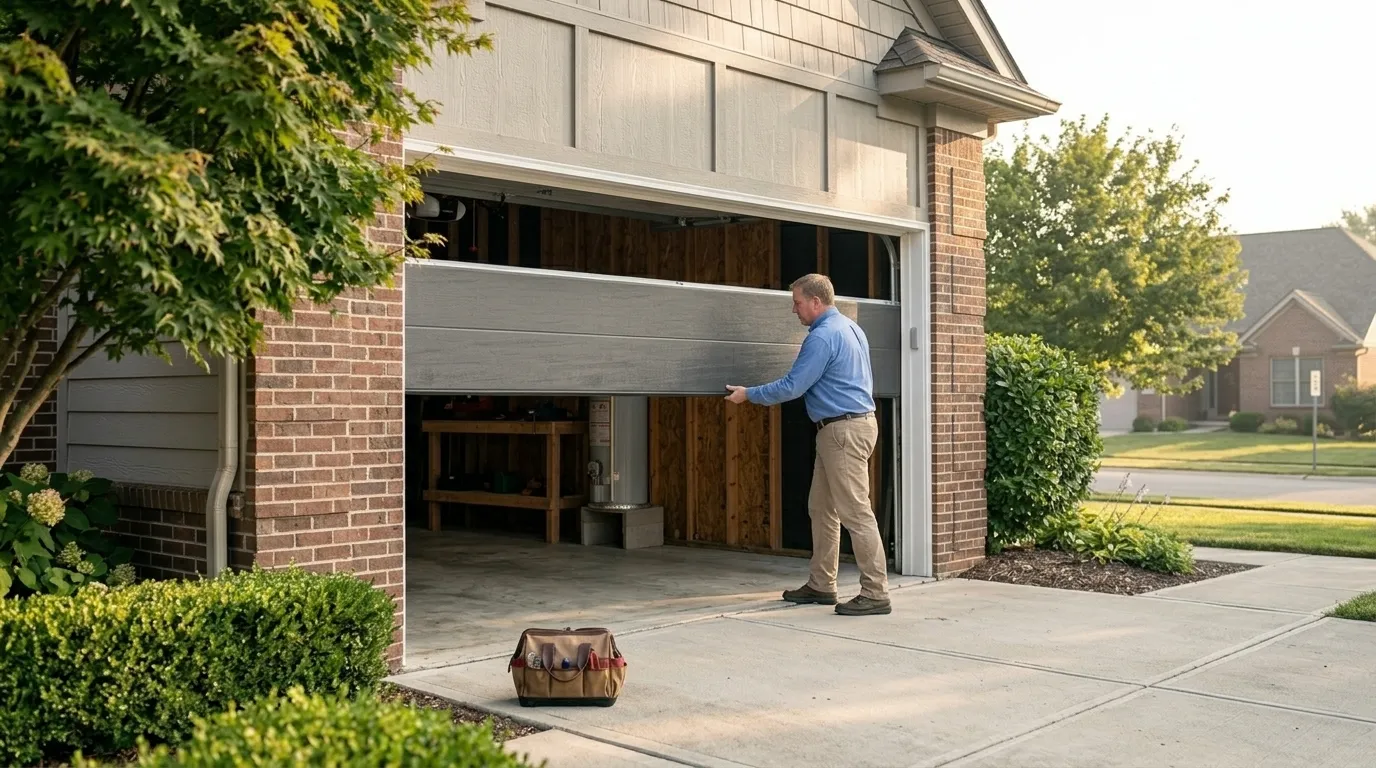
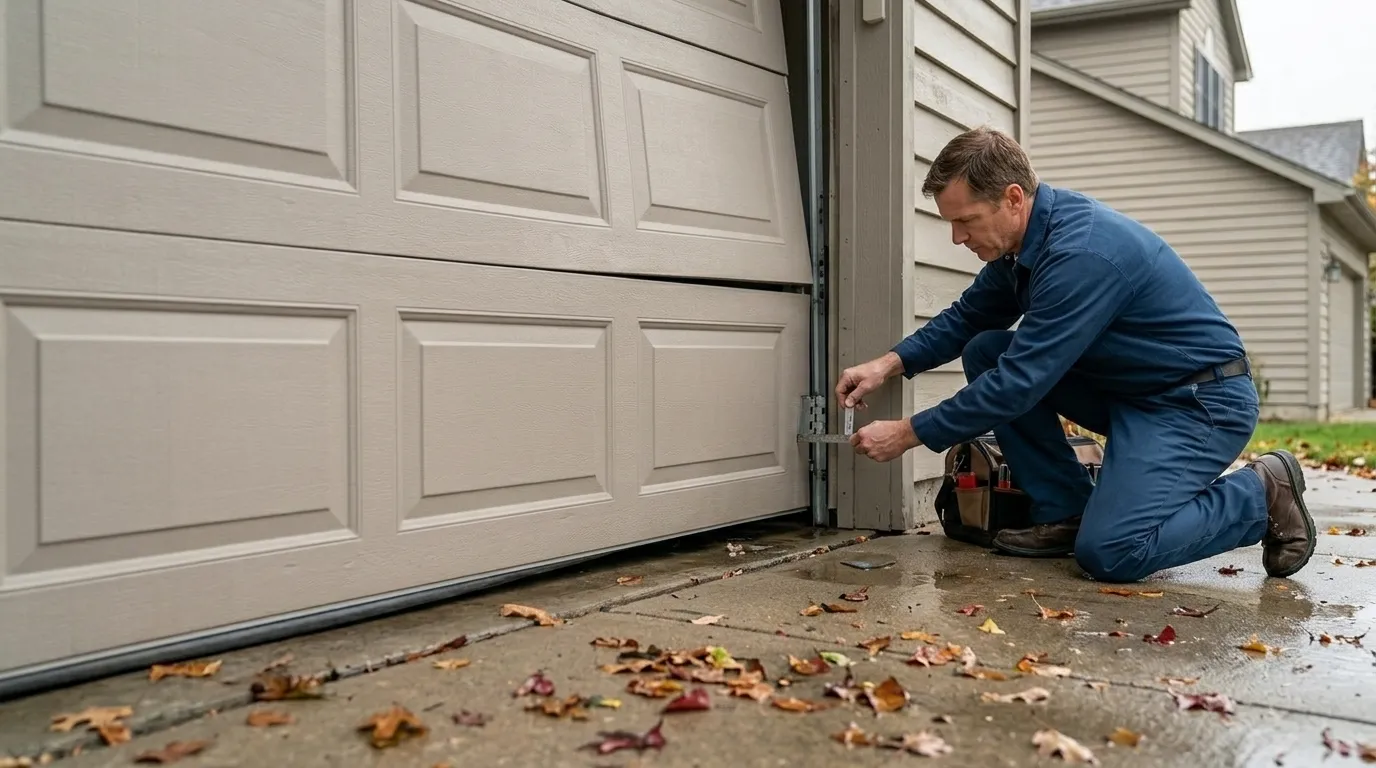
The call we get most from Grant is a door that won't lift past a foot or two before the opener strains and reverses - classic broken torsion spring, and on a standard double door of this era it's almost always both springs going within a season or two of each other, since they wear at close to the same rate. Second most common is a door that lifts fine but slams down hard on the last few inches, which points to a stretched cable or a roller that's worn its track groove wide. Neither is an emergency you have to sit with overnight, but neither is safe to force open with the emergency release and leave, either, given the tension involved in torsion hardware.