How Long It Takes
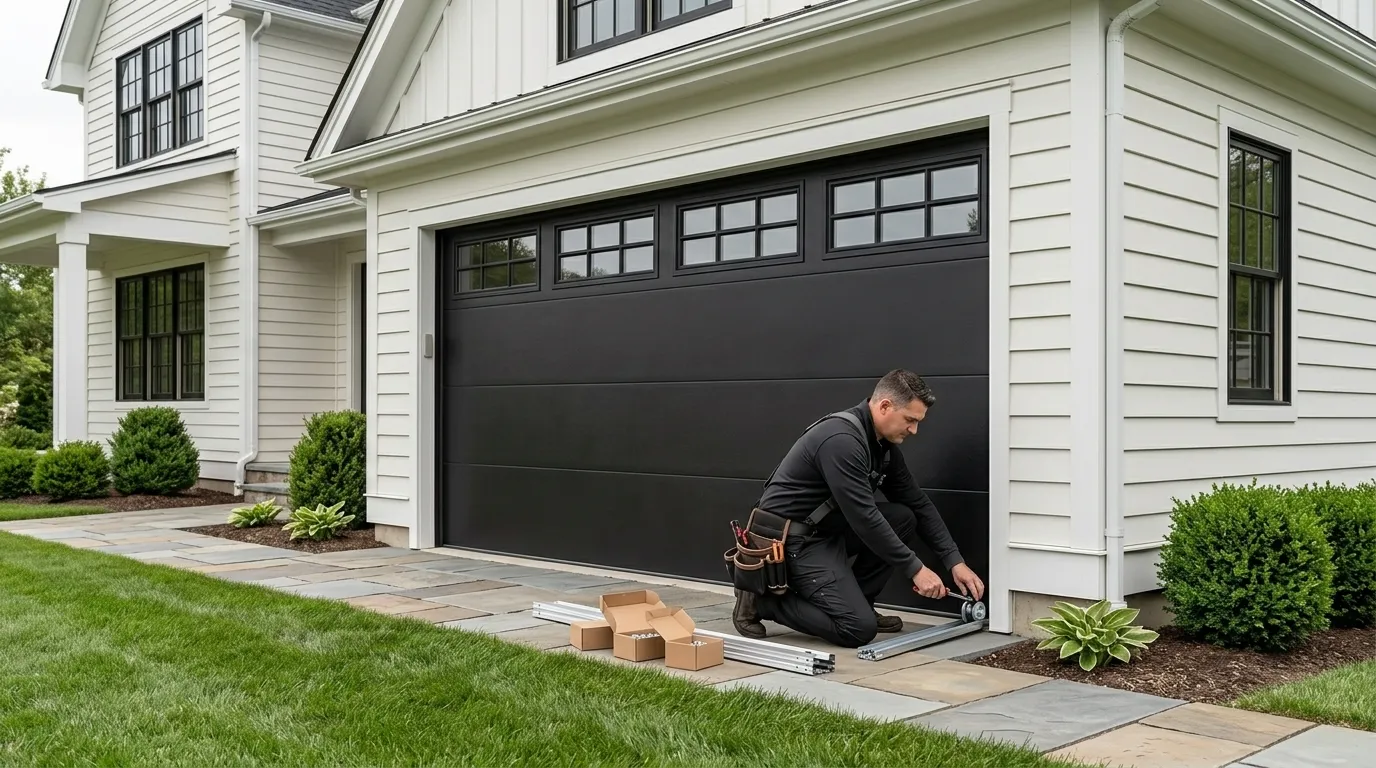
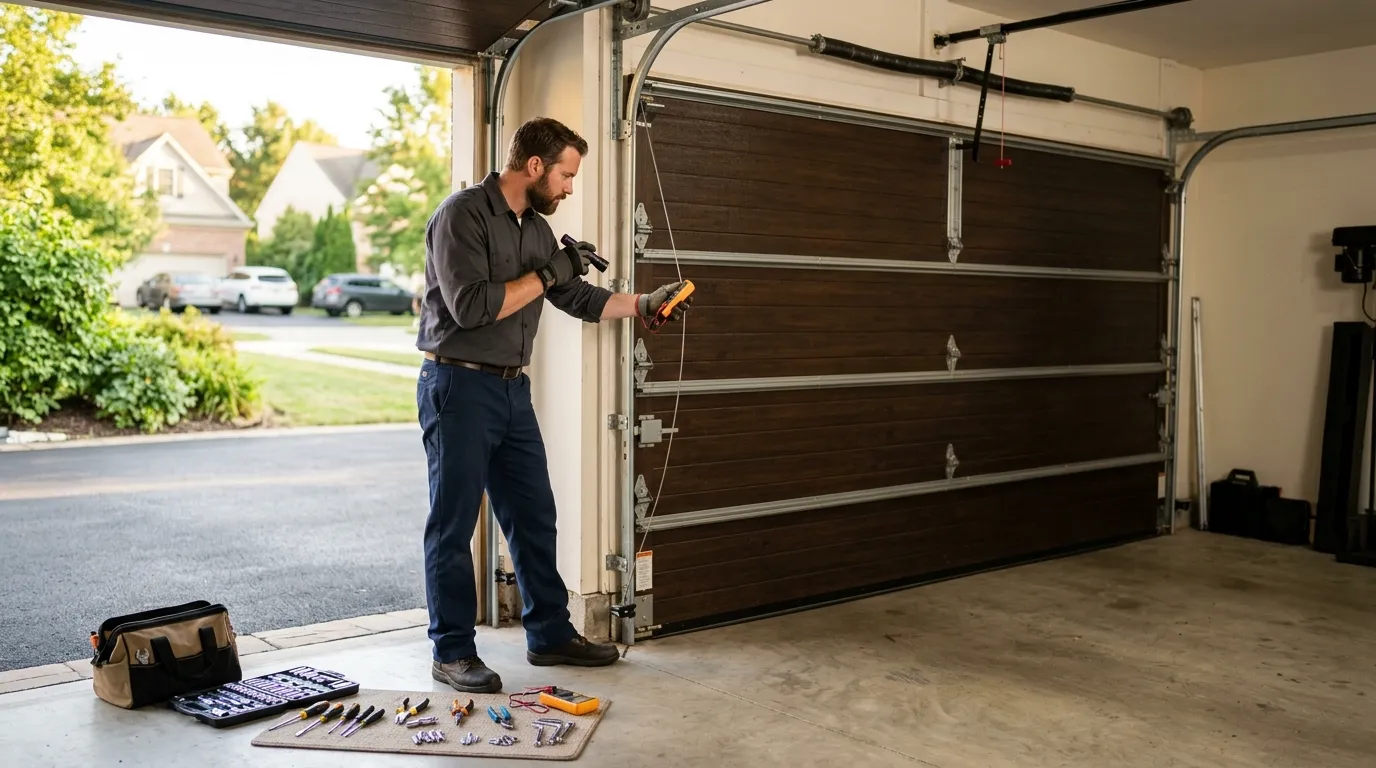
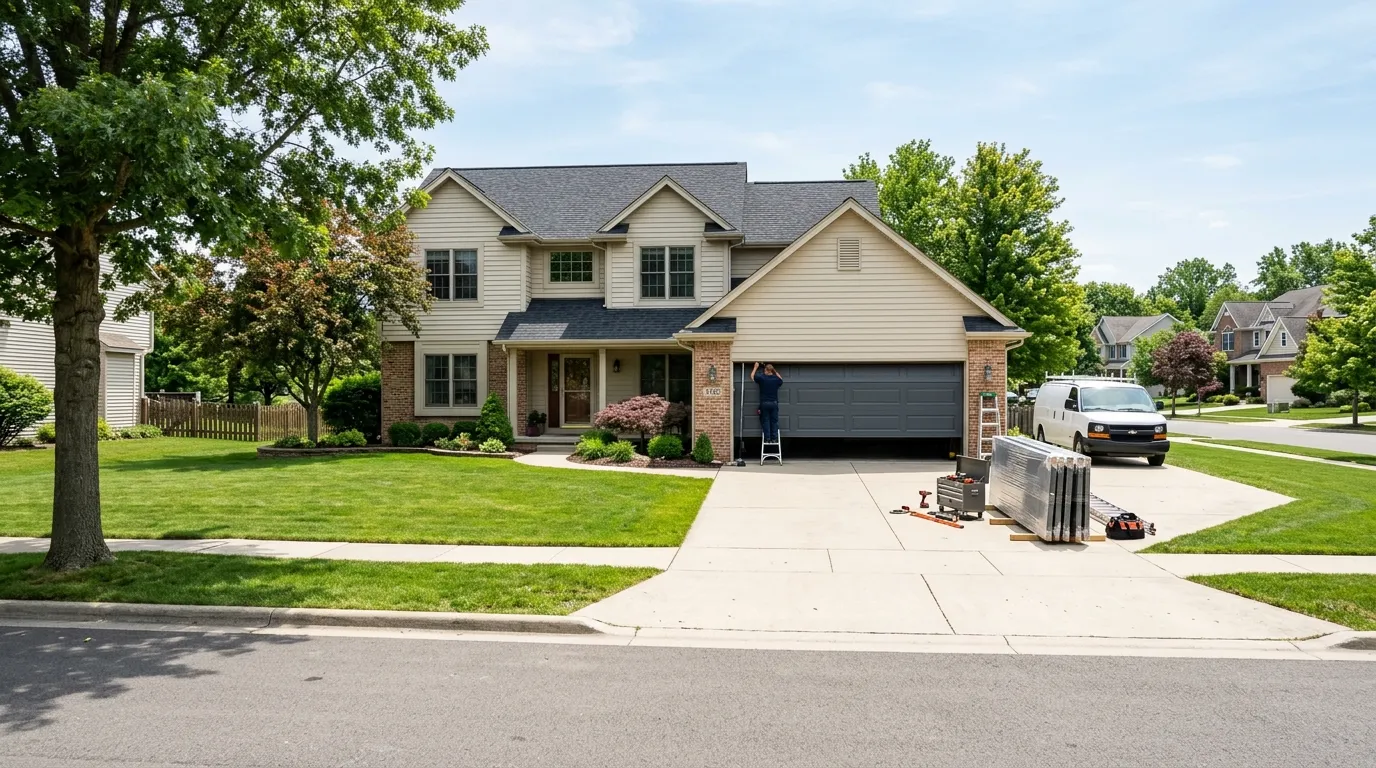
We run this call from Port Huron, about 12 miles out, so factor that into when we can get to a job in Grant. What actually decides how long the repair itself takes is what's on the door. Grant's housing stock centers on 1989, noticeably newer than the 1978 median across the rest of the service area, so a lot of these garages still have their first opener and first set of springs. That's good news for parts on some jobs - steel sectional doors from that era use common torsion spring sizes we carry on the truck - and bad news on others, since a 1989-era chain-drive opener with a worn gear kit sometimes has to be swapped rather than patched. A spring swap or roller replacement is usually a same-visit job. An opener that's original to a 1989 build and has a cracked gear or a dead capacitor is a different conversation, and we'll tell you straight if replacement makes more sense than chasing parts for something that old.
Why This Fails Locally
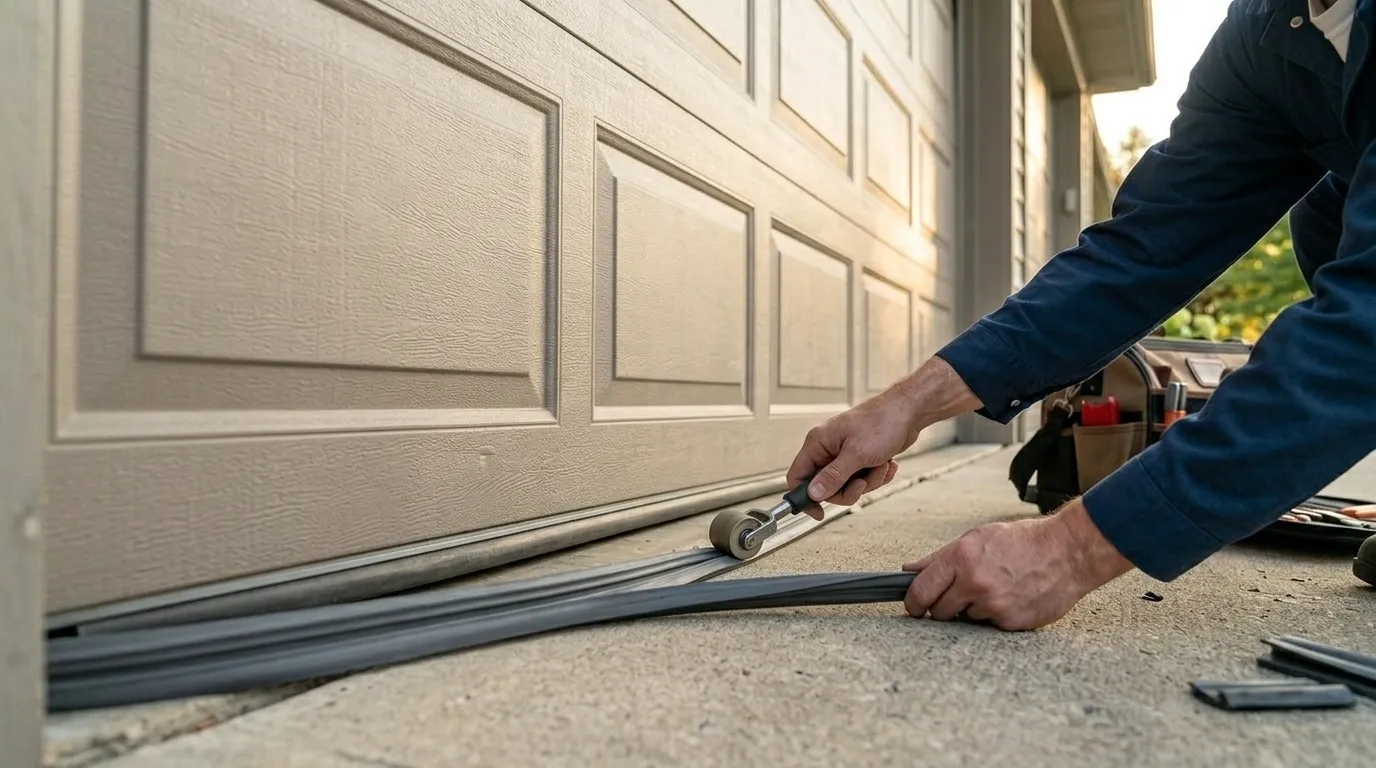
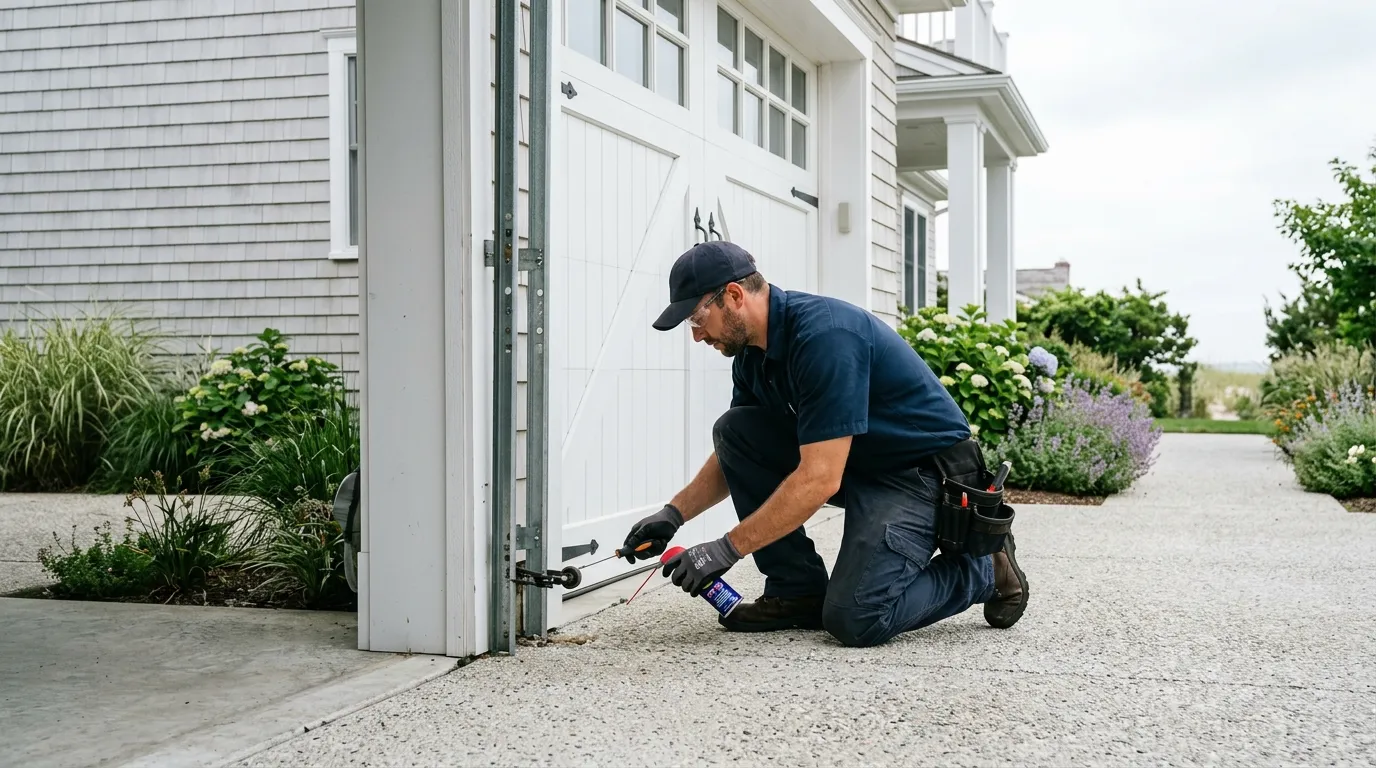
Grant sits in the same severe cold climate band as the rest of the service area, and cold is hard on original 1989 hardware in a specific way. Steel contracts in the cold, so tracks that were installed slightly loose in 1989 get looser, and a door that was fine at 70 degrees starts binding or dropping off the rollers at 10. Grease that was fine for the first twenty winters turns to paste in the last few, and a chain-drive opener working against a stiff, cold-contracted door pulls harder on a gear that's already worn. This isn't a Grant-specific defect - it's what a 35-year-old door does in a cold climate when nobody's replaced the springs or relubed the track since installation. The age of the housing stock here is the reason it shows up now rather than in a subdivision built in the 2000s.
The Symptom
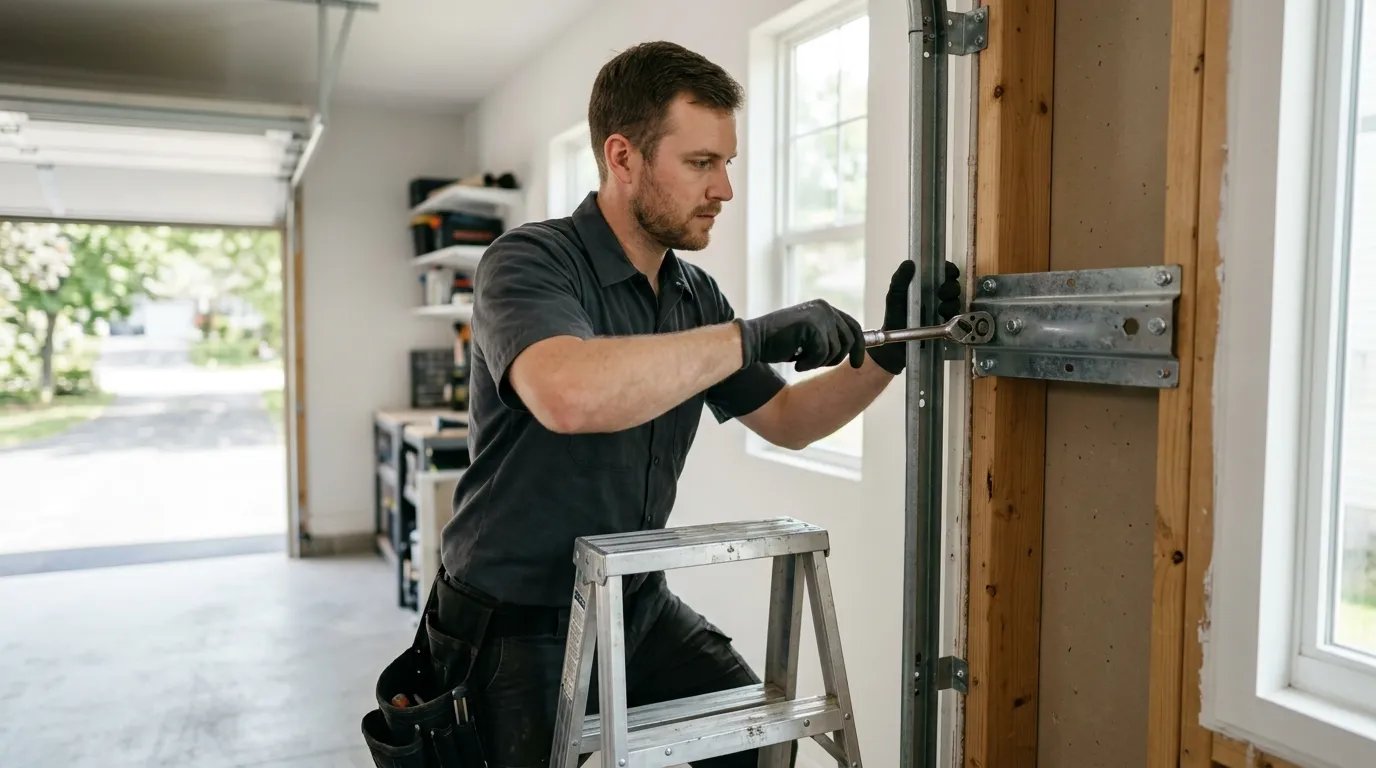
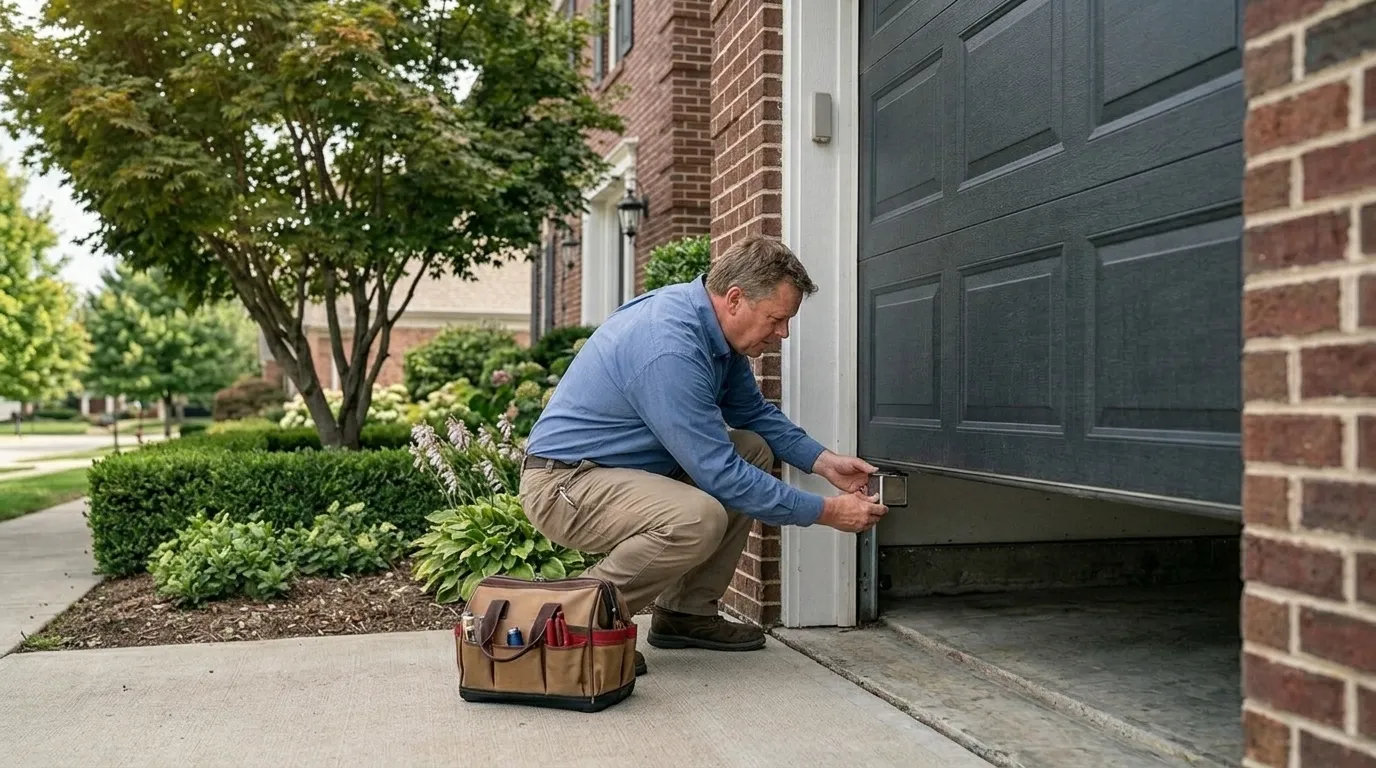
The call we get most from this stretch of homes: the door starts fine, then stalls or reverses a few inches from closed, especially on a cold morning. That's almost always a torsion spring that's lost tension unevenly, forcing the opener to do work it isn't built for, and on a 1989 chain-drive unit that strain shows up as a stall or a tripped safety reverse rather than a clean shutdown. A second common one is a door that's noticeably louder than it used to be, a grinding or popping as it travels - original rollers, worn track, or both. Either symptom on hardware this age is worth a look before it becomes a broken spring or a seized opener gear, which costs more to fix and takes longer to get parts for.