How Long It Takes
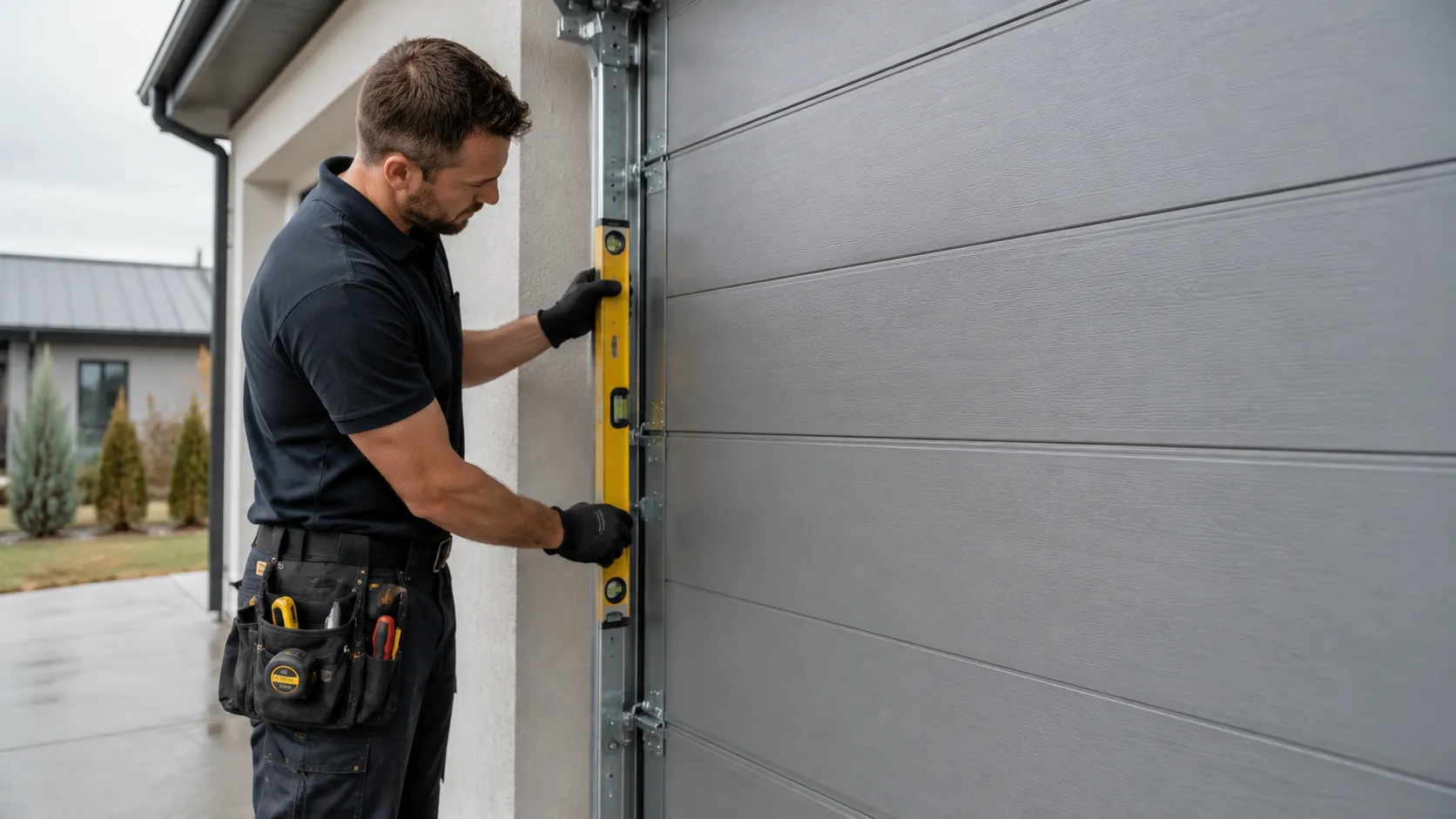
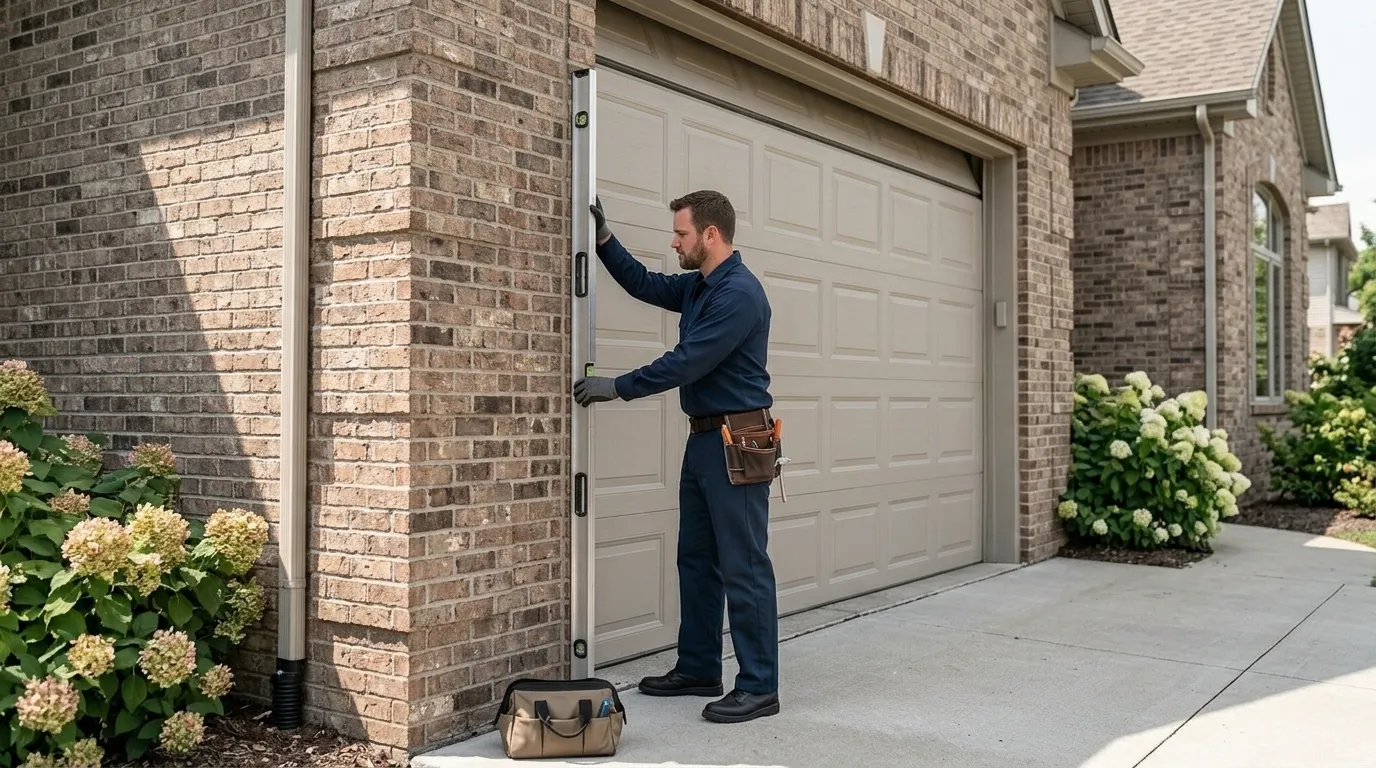
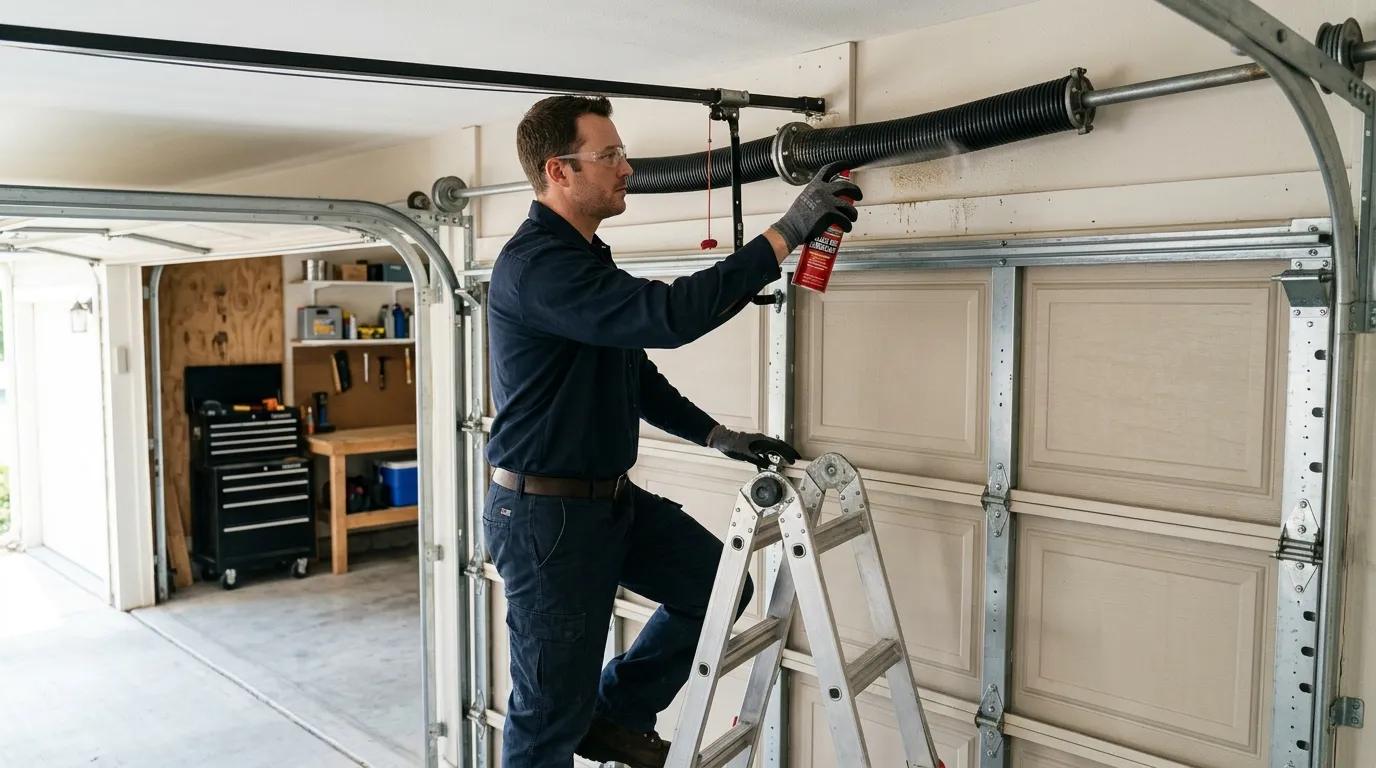
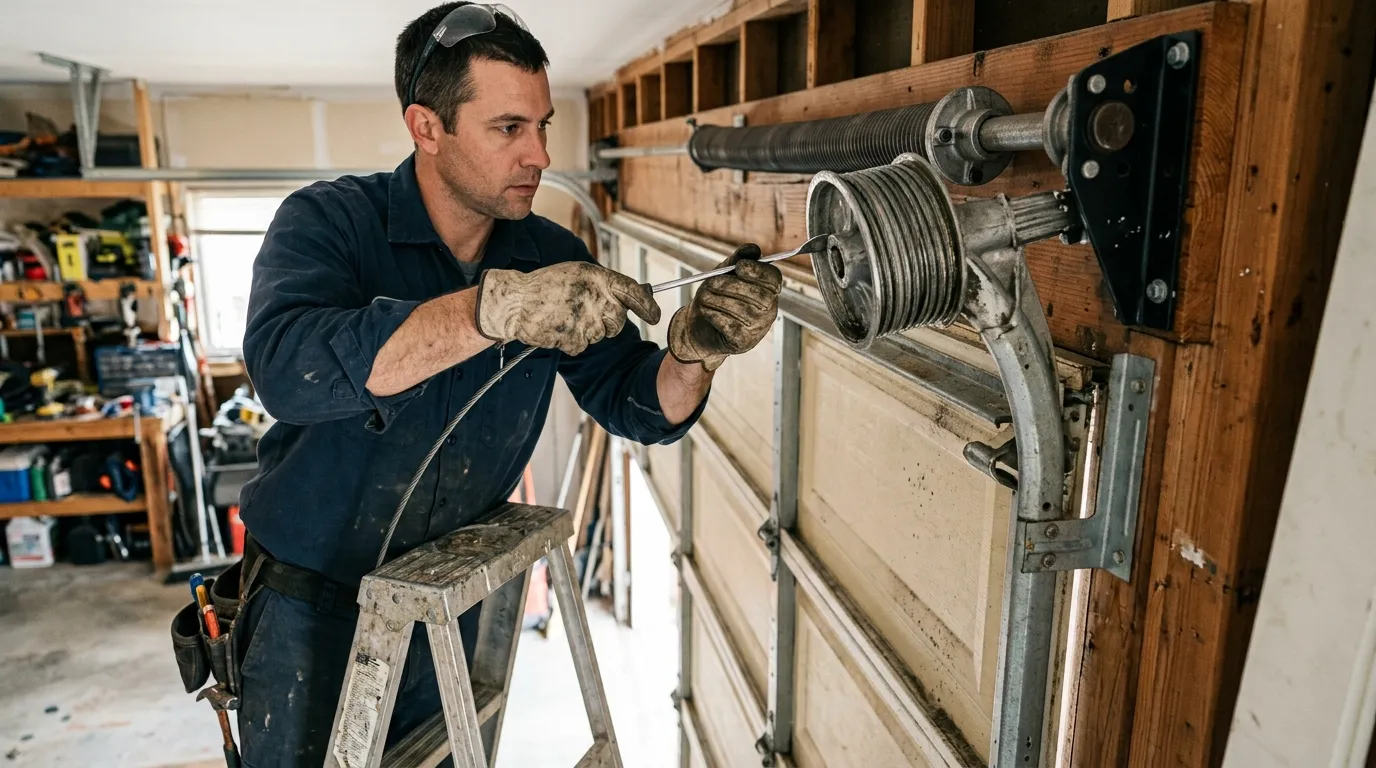
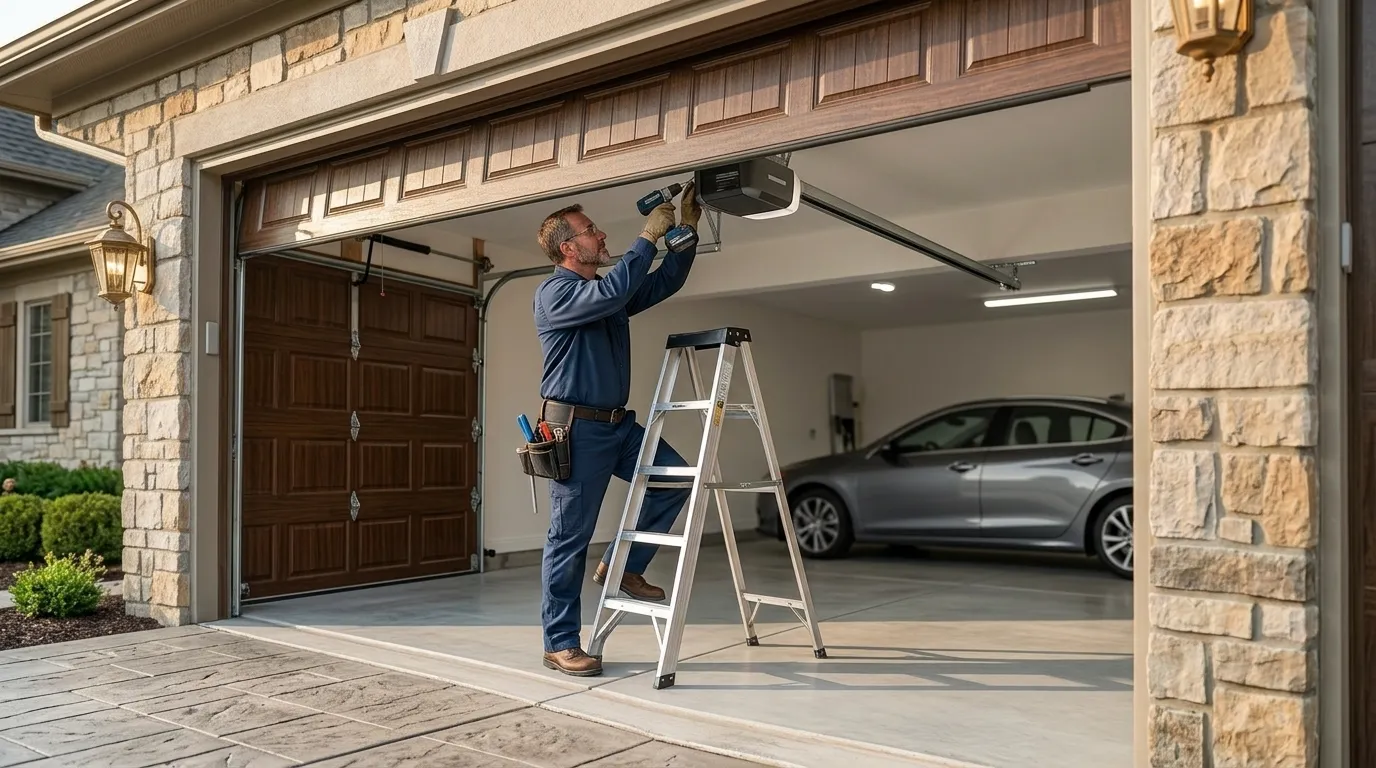
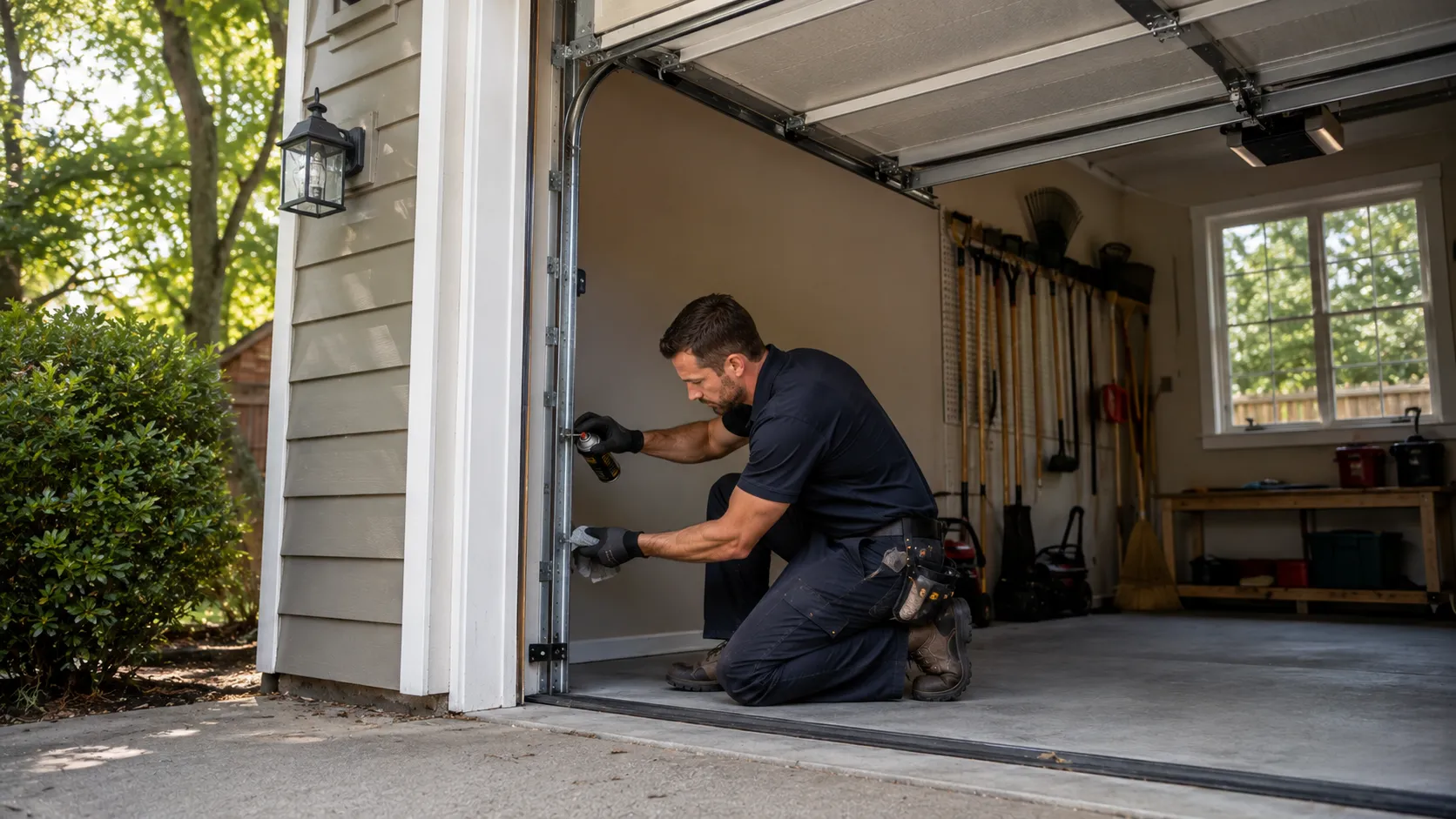
Grant sits about 12 miles out from Port Huron, so a maintenance visit here means a truck roll, not a drop-in. That's worth knowing up front: this isn't a same-block callback, it's a scheduled trip. Once we're on site, a standard tune-up on a residential door runs the usual course - lube the rollers and hinges, check spring tension, tighten the track bolts that work loose with cycling, test the auto-reverse and the opener's force settings, and look over the cable drums for fraying. With 686 households in Grant, most sitting on housing built closer to 1989 than the 1978 median you'll see across the wider service area, the doors we're servicing skew newer. That matters for what we check and how long it takes, because newer doors often still have their original hardware rather than a patchwork of repairs from three decades of use. A tune-up on a door that age usually moves faster than one on a house from the 1950s stock elsewhere in the area, simply because there's less wear stacked up and fewer mismatched parts to sort through.
Why This Fails Locally
Grant's median household income sits at $85,909, well above the $68,482 median across the wider service area, and that number changes the math on repair versus replace more than most owners realize. At this income level, a full door replacement - $1,500 to $3,000 depending on the door - is a reasonable option when a 1989-era door starts showing multiple failure points at once: worn springs, a tired opener, and insulation past its useful life. Lower down the income scale, the math usually pushes toward patching one part at a time and stretching the door's life another few years. Neither approach is wrong, but they're different decisions, and a maintenance visit is where that decision actually gets made - not after something breaks on a Saturday. We'll tell you honestly which side of that line your door is on. We don't push replacement on a door that just needs a spring and a lube job.
The Symptom
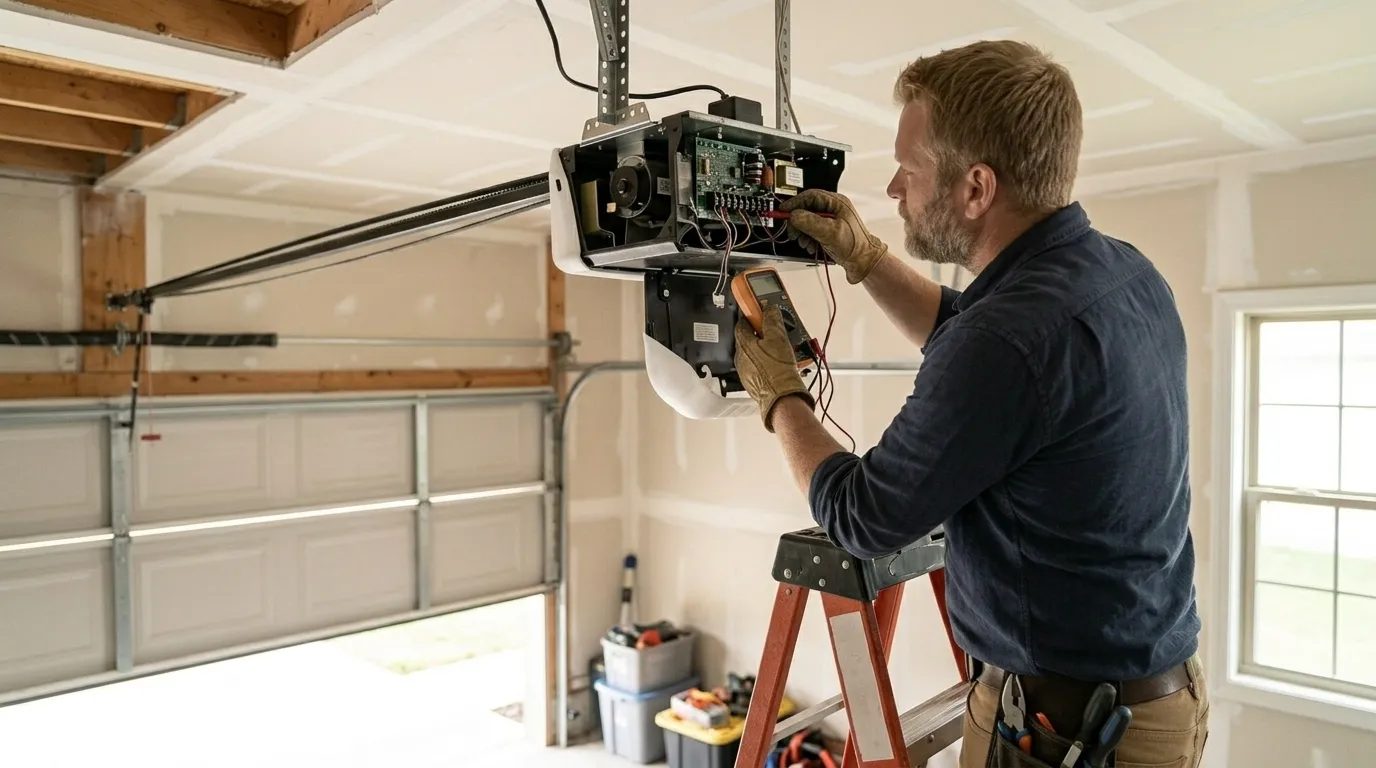
The one to watch for on a door from this era is a door that reverses partway up or down for no clear reason, or an opener that runs louder than it used to without the door moving any slower. Both point to hardware nearing the end of its original run rather than a simple adjustment. We won't pretend every noisy door needs a service call - a squeaky hinge is a five-dollar can of lubricant, not a truck trip from Port Huron. But a door that hesitates, reverses, or drifts off its track on a house built in the late '80s is usually telling you the springs or the opener's force settings are the actual problem, not the symptom.