What You Pay
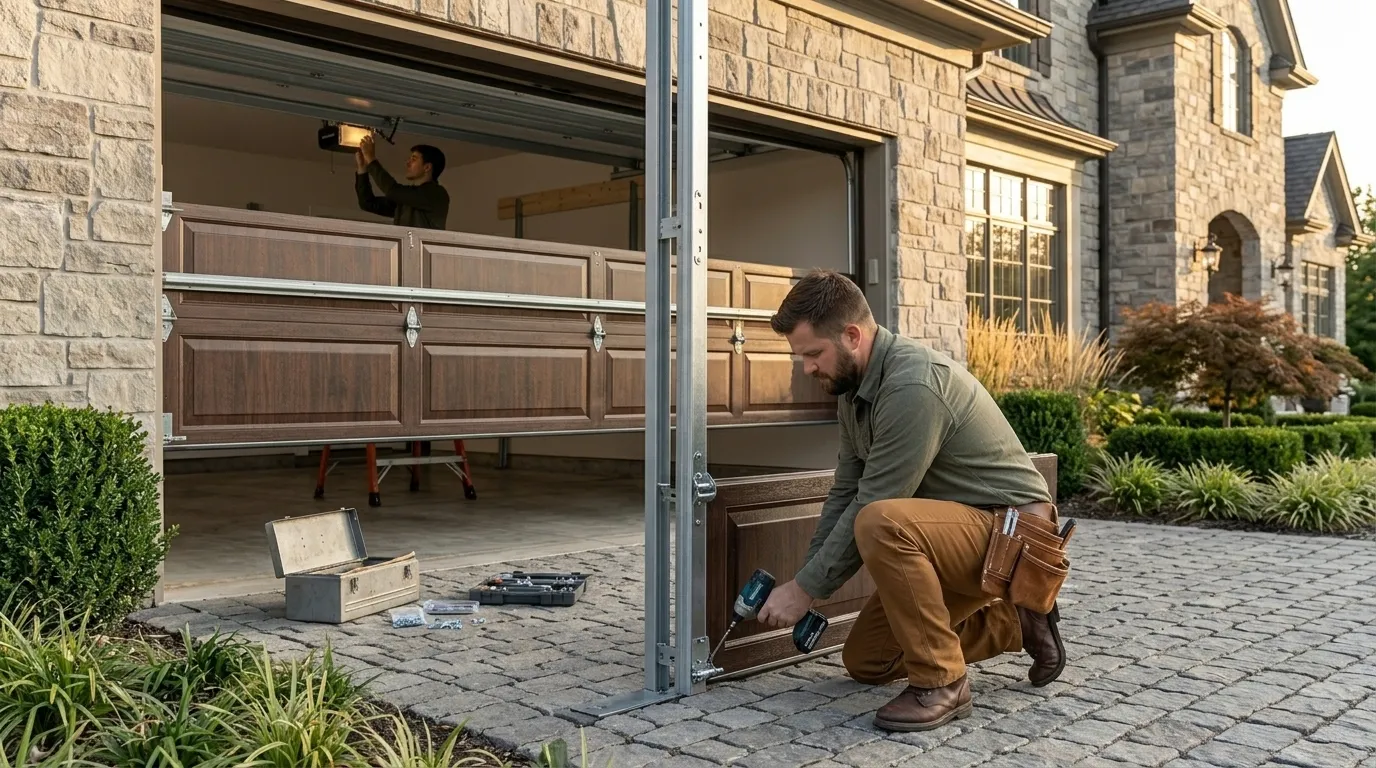
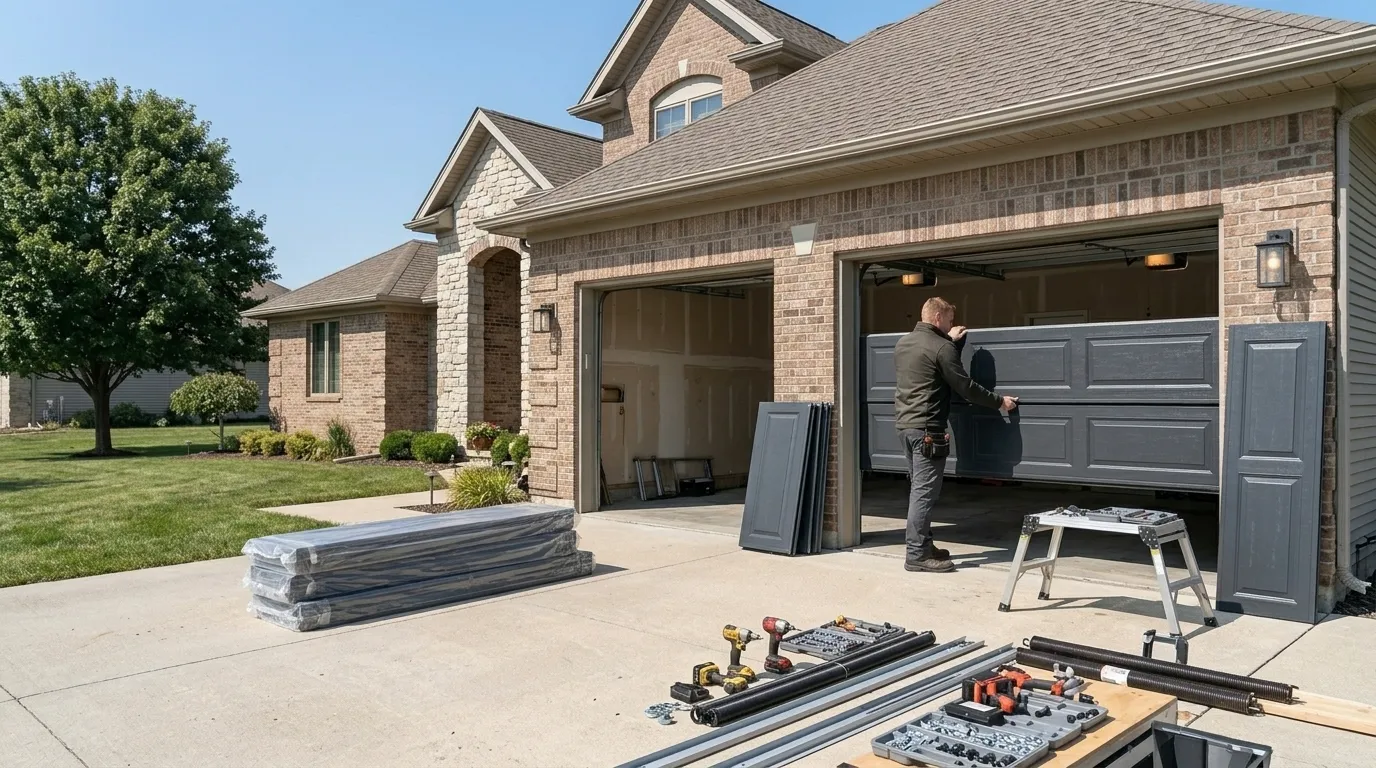
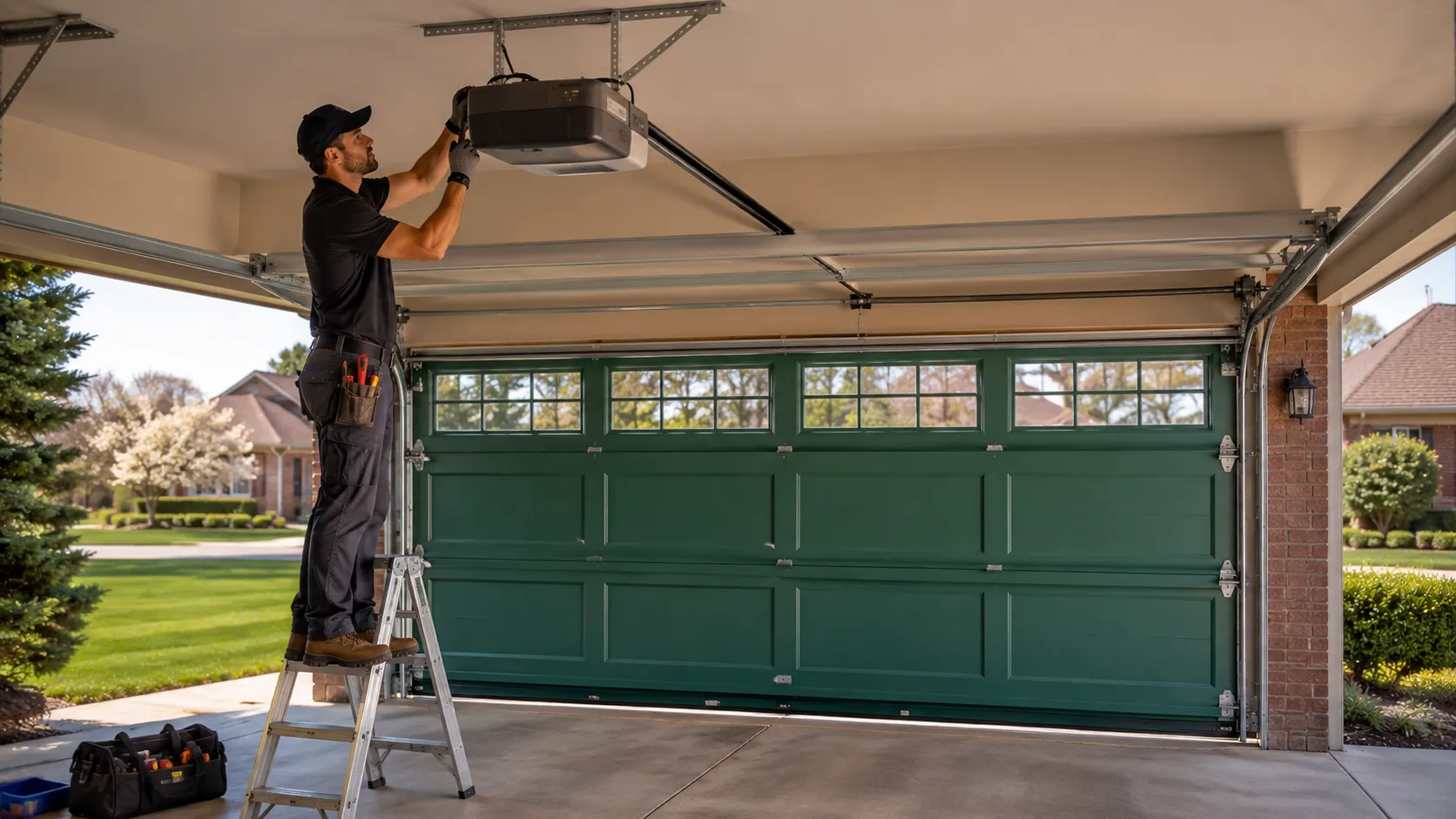
Fremont sits about 19 miles out from our shop in Port Huron, and that drive time is baked into any quote before a single panel gets measured. The bigger factor, though, is what's already hanging in the opening. With a median build year of 1979, a lot of the roughly 372 households out here still have the original jamb, track spacing, and header height from a door that's never been swapped once. That means a new install often isn't a drop-in - we're framing to fit an opening built for 1970s hardware, not today's standard sizes. Add insulation to a garage that was never designed to hold heat and the job runs longer than a straight swap in a newer subdivision. We price the visit, the door, the opener, and any framing correction separately so you're not guessing which part costs what. See our overview page for the general service-area rundown; this page is specifically about what a Fremont install looks like given the housing stock here.
We don't sell you a bigger door than your opening needs just to round out the invoice, and we'll tell you straight if your existing jambs won't take a standard-width door without carpentry work first.
Stocked Parts
The truck carries standard torsion springs, common track sections, and openers that fit most openings built from the 1960s through today - which covers the bulk of what we see across the service area, including the older stock typical of Fremont. What we don't carry as a matter of course are obsolete track brackets or discontinued panel profiles from a specific 1970s manufacturer, since those get harder to source every year and stocking them for occasional use doesn't make sense. If your opening turns out to need a part like that, we'll tell you up front rather than pretend a universal bracket is a perfect match - sometimes it isn't, and forcing it just moves the problem down the road.
What Can Go Wrong
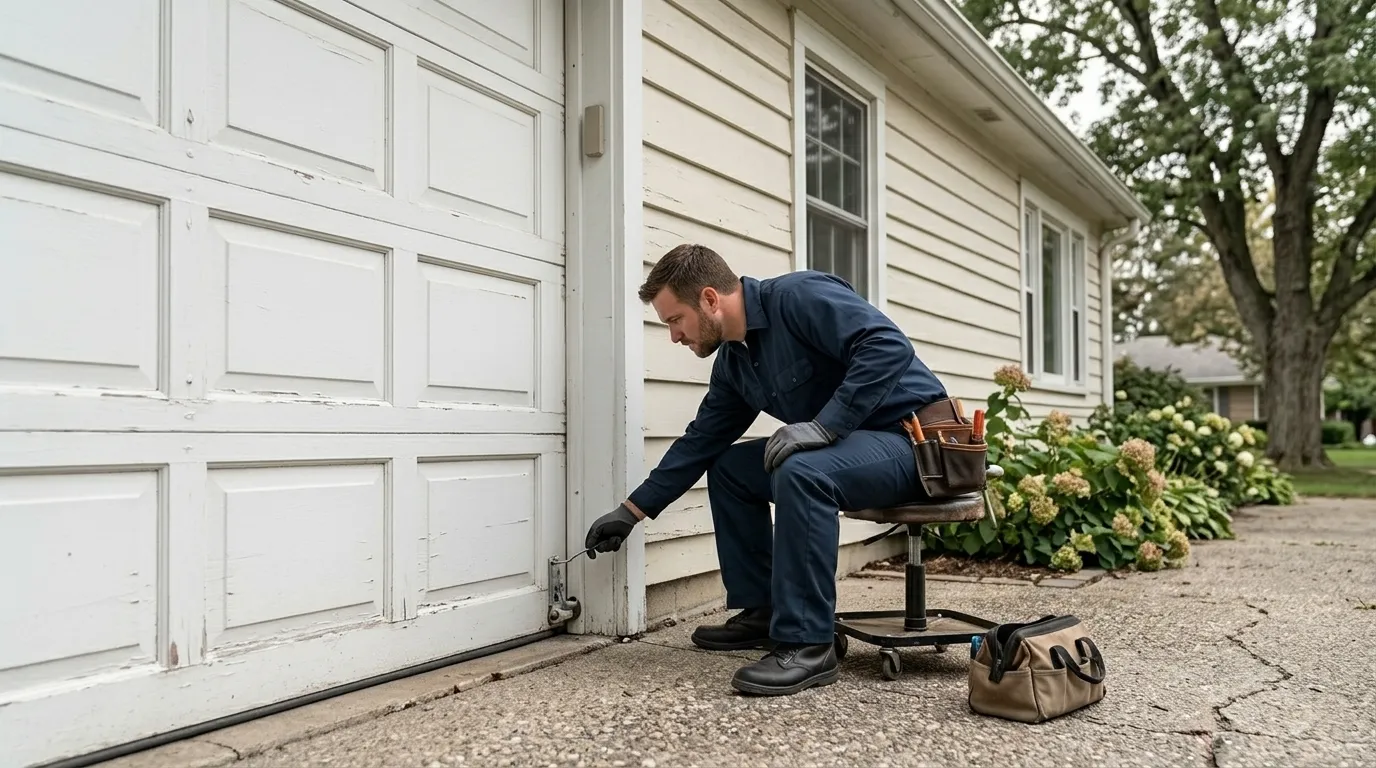
A door installed new in a 1979-built garage is going into a structure that's had forty-plus years to settle, shift, and shrink slightly at the framing. That's not a Fremont-specific defect - it's what happens to wood over that span in a cold climate - but it means the opening you're measuring today may not be perfectly square even if the original door looked fine for decades. We check plumb and square on both sides before we hang anything, because a door mounted true to a slightly racked frame will bind or wear unevenly within a year. In a severe cold climate like this one, we also check that weatherstripping and bottom seals are sized for real winter gaps, not just a snug summer fit.
The DIY Question
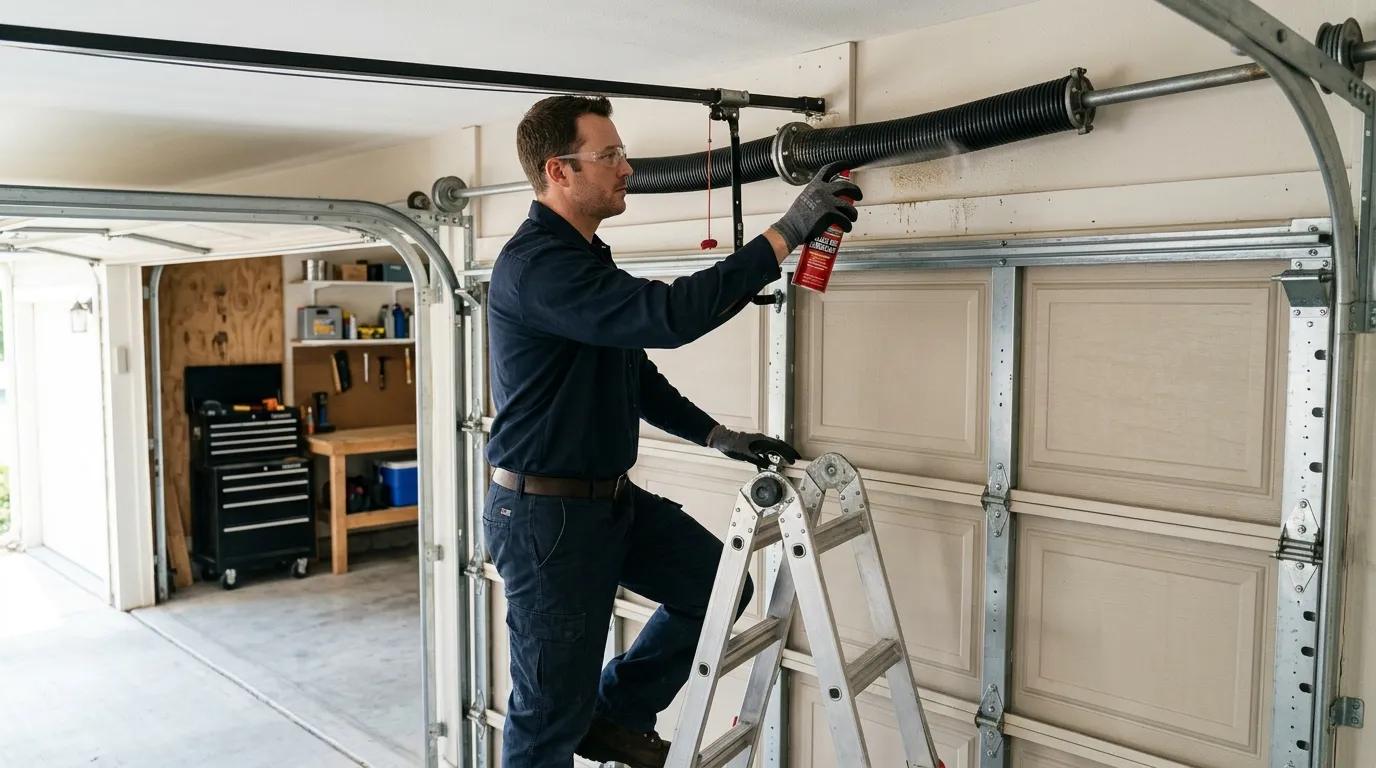
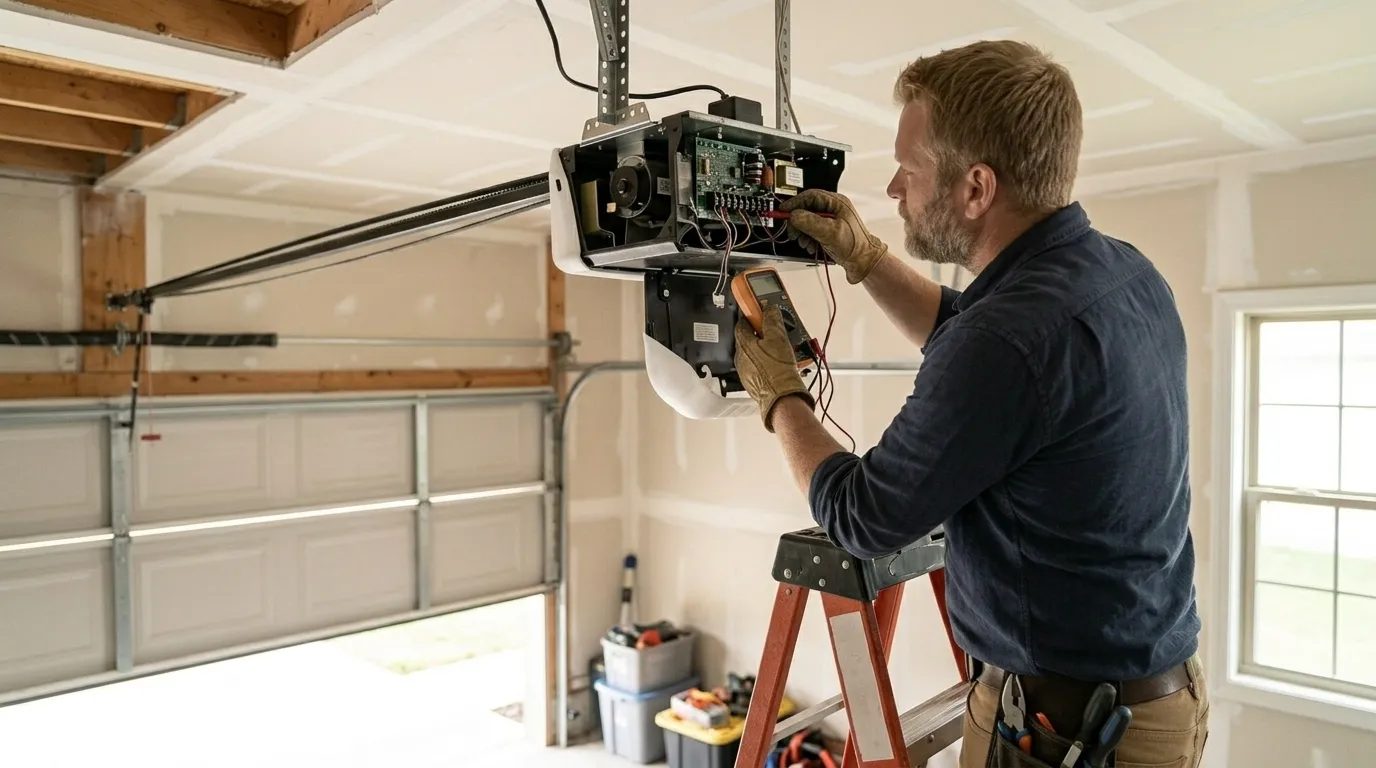
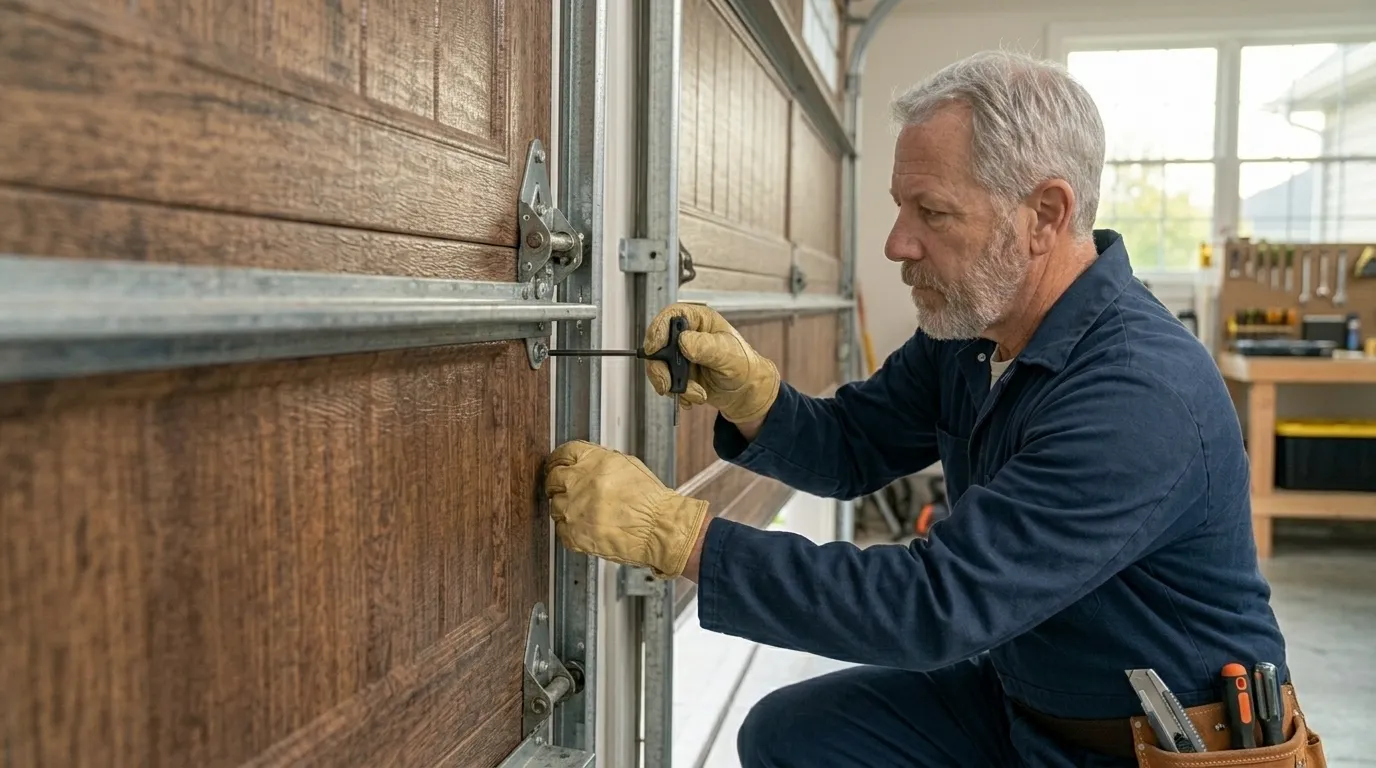
Springs under tension and openers wired into household power aren't a reasonable weekend project regardless of the town, and that part of the advice doesn't change here. What does change is the framing: on a house from 1979, a homeowner swapping a door themselves is also gambling on whether the old jamb and header will take a modern door without modification, and that's a harder call to make without someone checking it in person. If you're set on doing the demo and prep yourself, at least have someone confirm the opening dimensions against a current door spec before you order one - a mismatch here costs more to fix after the fact than it would have to check first.