What You Pay
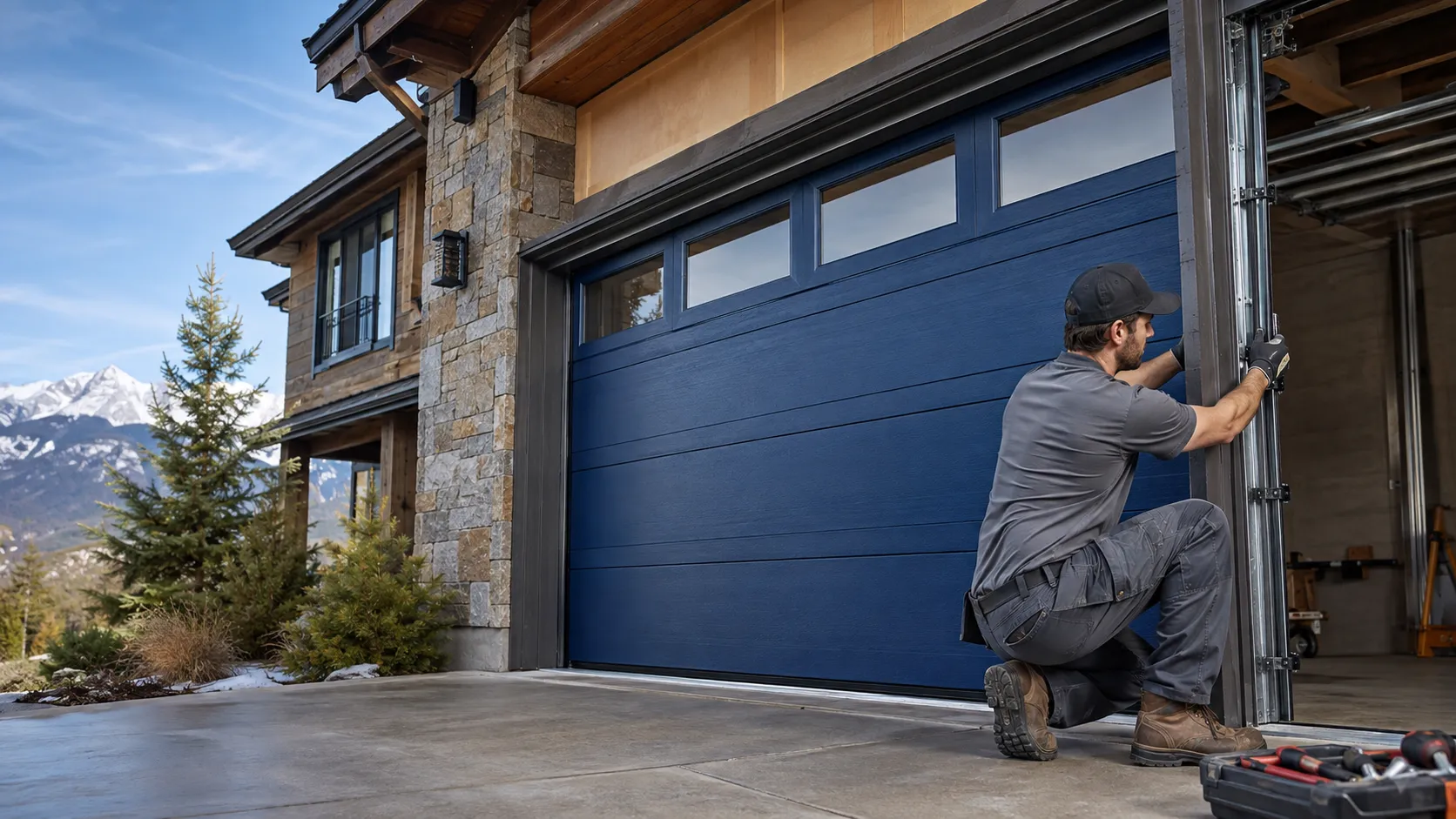
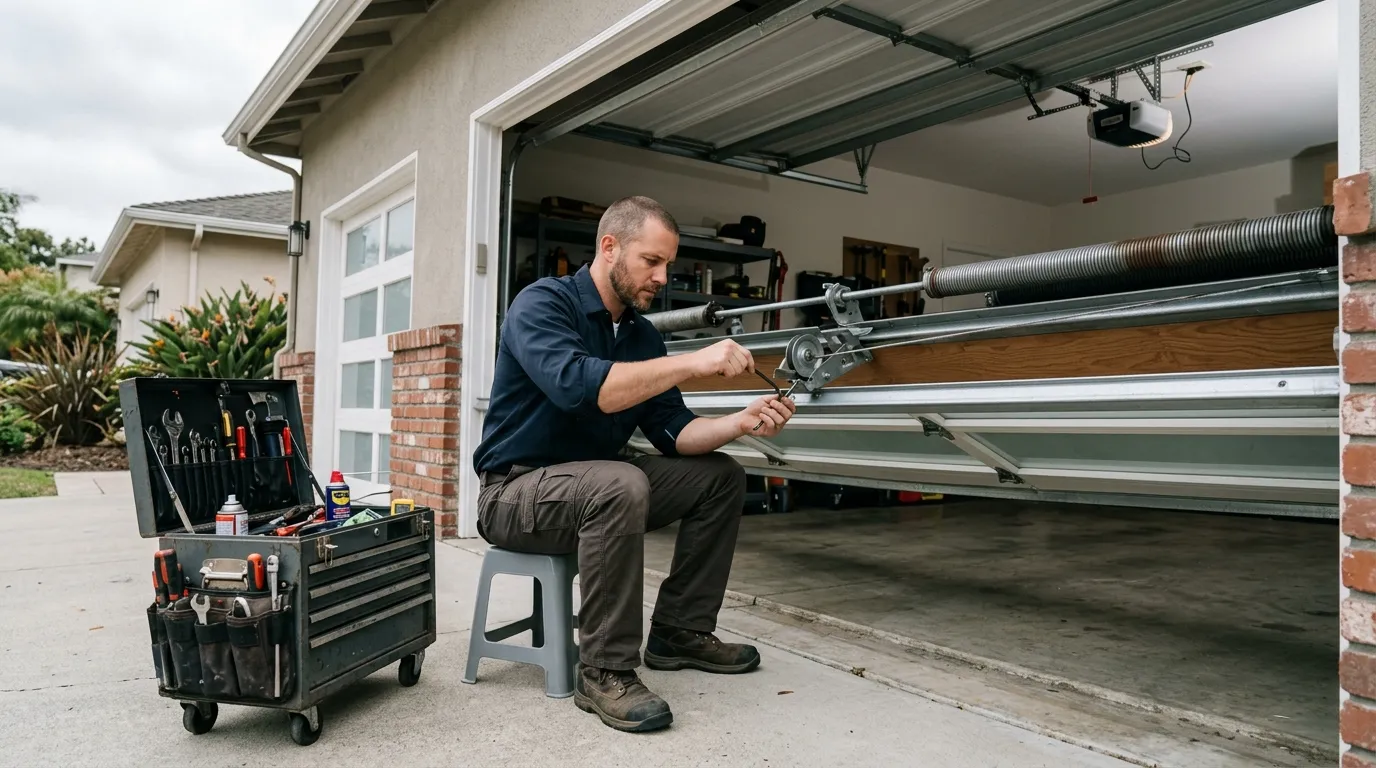
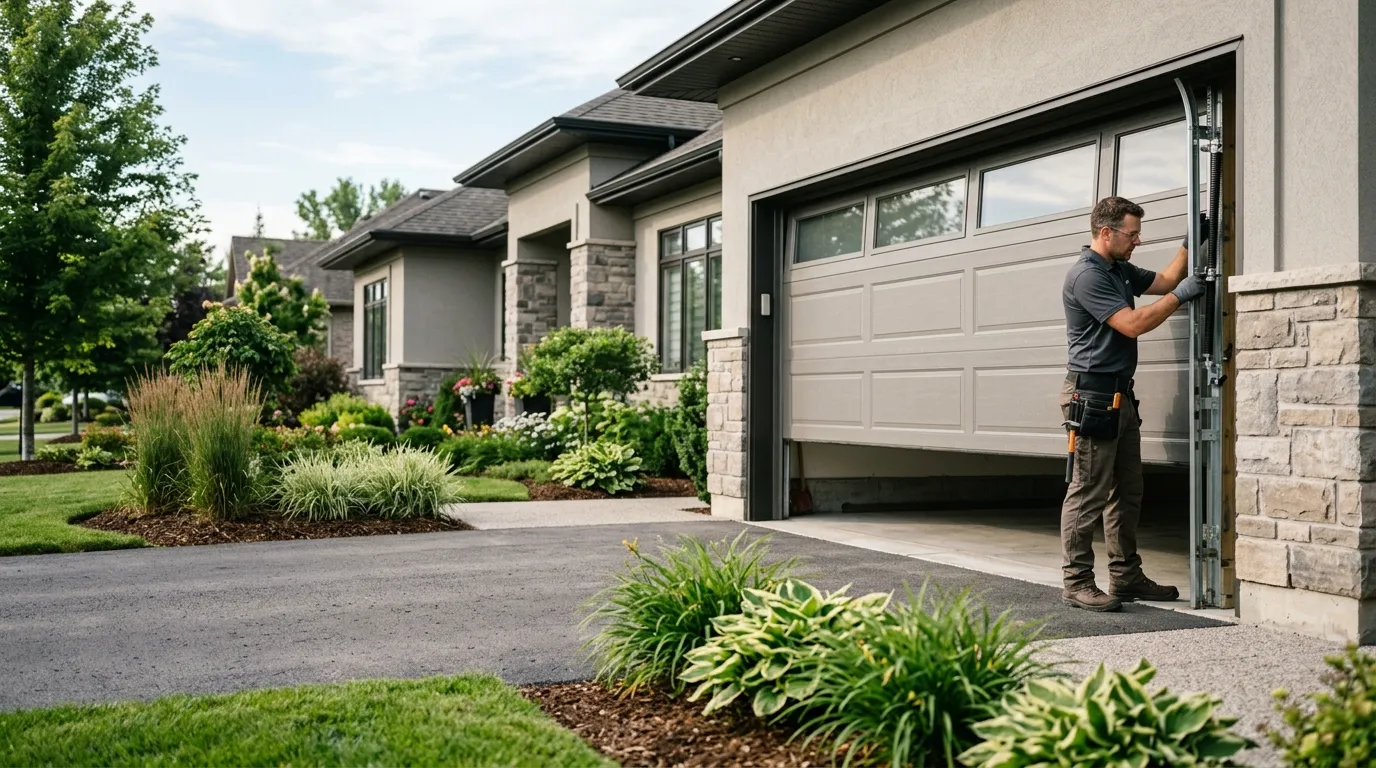
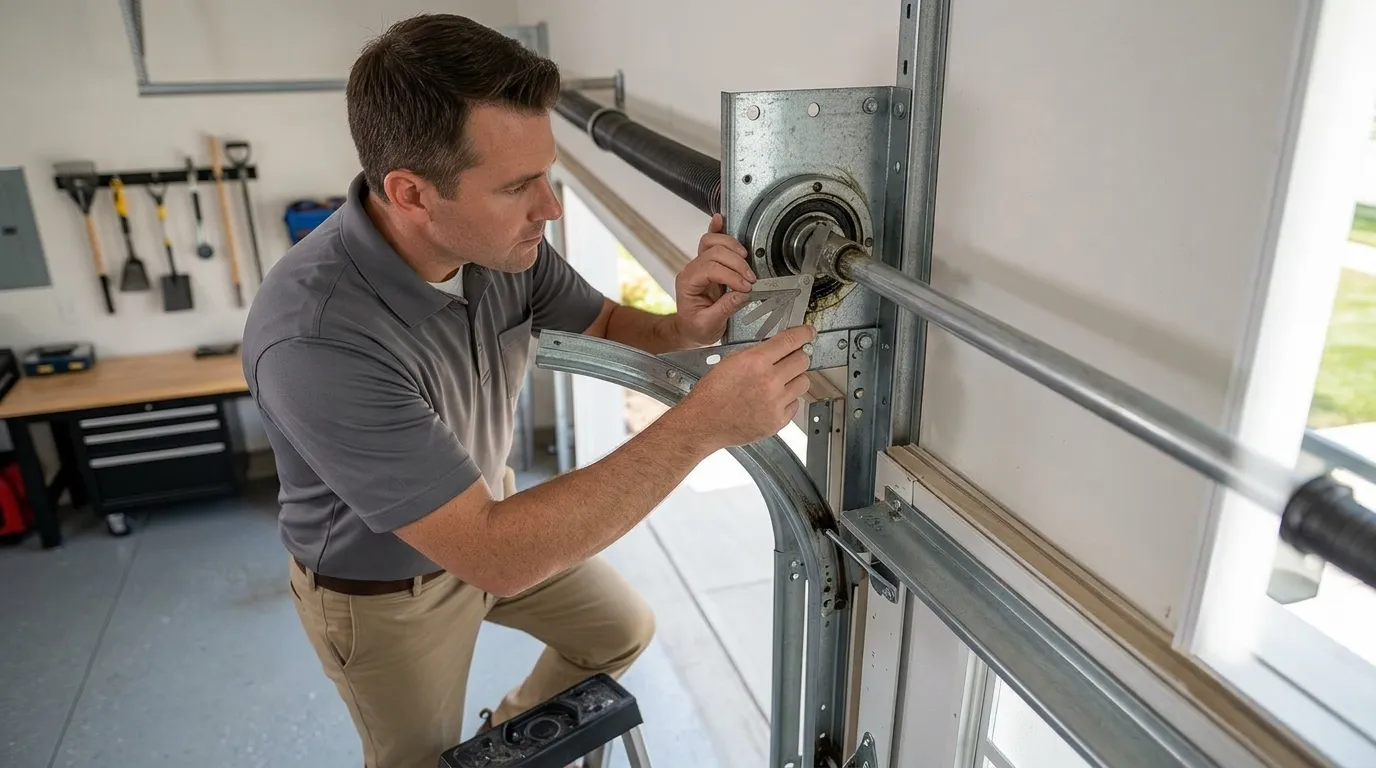
Before we get to price, it helps to know what's actually hanging on that cable. Fremont's houses cluster around a median build year of 1979, which puts most garages here at steel single-layer doors, 16x7 or 9x7, on torsion or extension spring setups depending on when the opener was added. A cable failure on one of these is a mechanical fix, not electrical, and the cost comes down to whether one cable snapped or both need replacing, and whether the drum or the track took damage on the way down.
We don't have a fixed number to print here because a single-cable swap on a light steel door is a different job than a double-cable replacement where a cable jumped the drum and chewed up the track. What we can tell you is that we quote the job after we see it, not over the phone, because guessing on a door we haven't looked at does nobody any favors. If a neighbor down the road got one price for their cable job, don't assume yours matches - springs, drum wear, and track condition all move the number.
Stocked Parts
We carry common cable gauges and standard drums on the truck, sized for the torsion and extension setups you'd find on a typical 1970s-through-80s build, which covers a lot of what's on the road out to Fremont. Standard door widths from that era - the 16-footers and single-car 9-footers - use hardware we keep on hand.
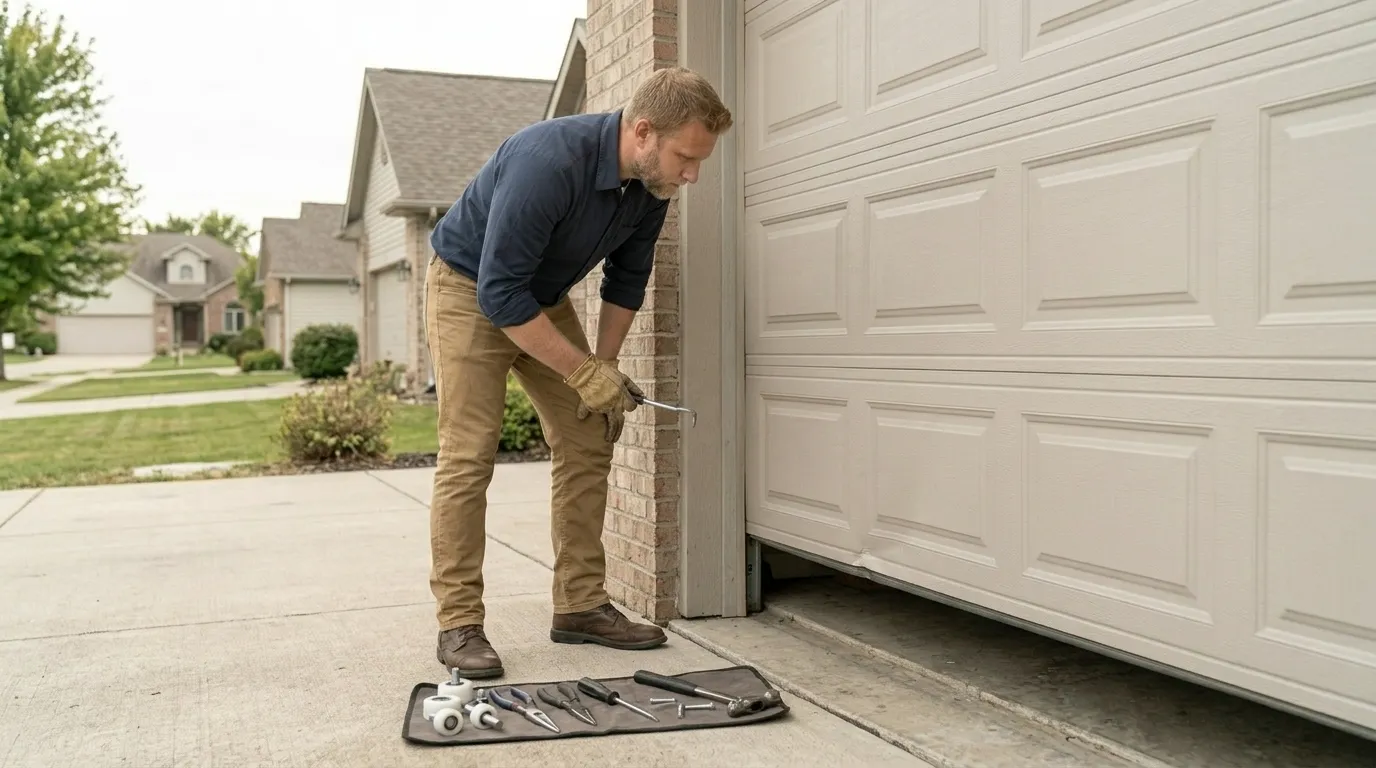
Where we come up short is anything genuinely custom: a wider or taller opening than standard, a specialty track, or a drum sized for a door someone upgraded outside the usual pattern. That's the honest limitation - if your door was modified or replaced with something nonstandard at some point, we may need to order the exact part rather than pull it off the truck, and that adds a day or two.
What Can Go Wrong
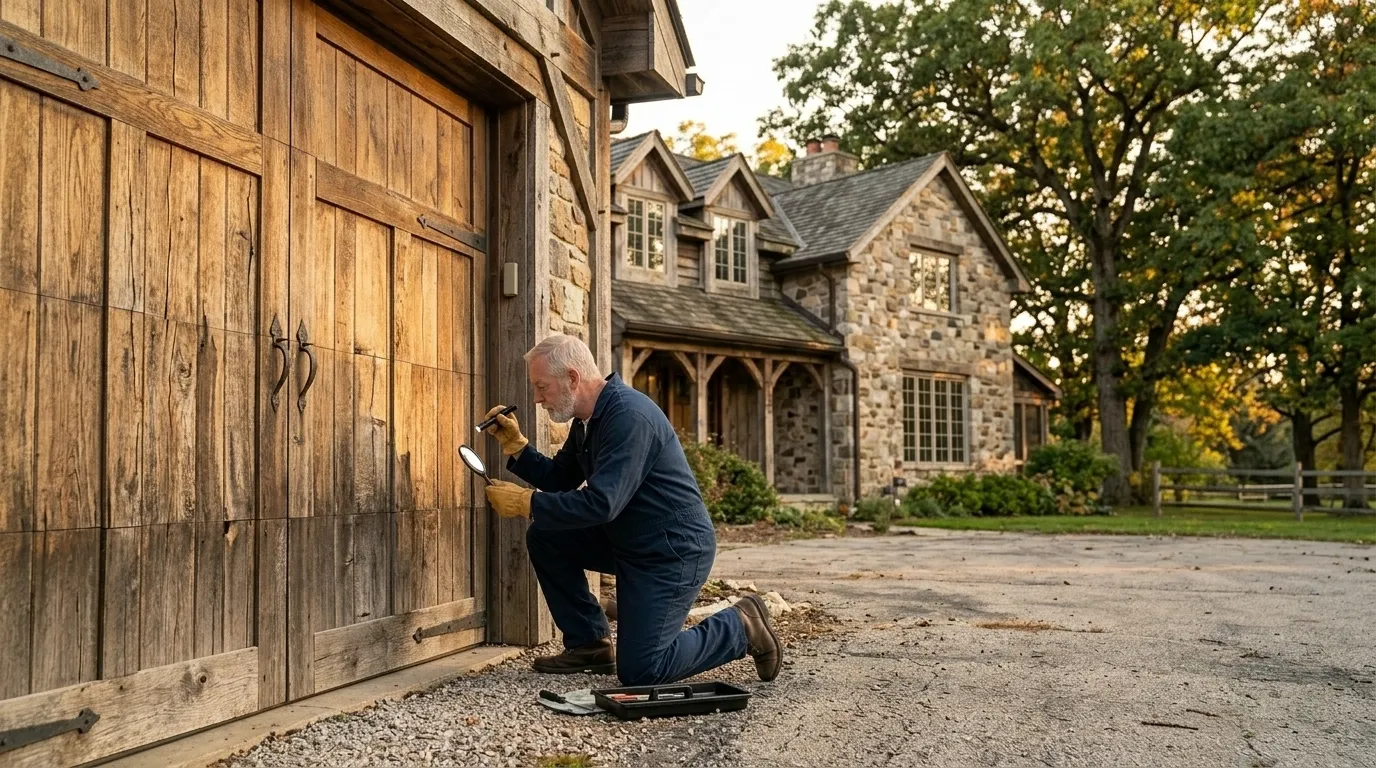
On doors from the era Fremont's housing mostly dates to, cable failure usually comes from one of two places: rust at the bottom fixture where the cable anchors, or fraying at the drum from years of the cable riding slightly off-track. Cold-climate winters put stress on both - cable and drum metal contract, lubrication thins out, and a cable that's been fraying quietly for a season finally lets go on a cold morning when the door's under the most load.
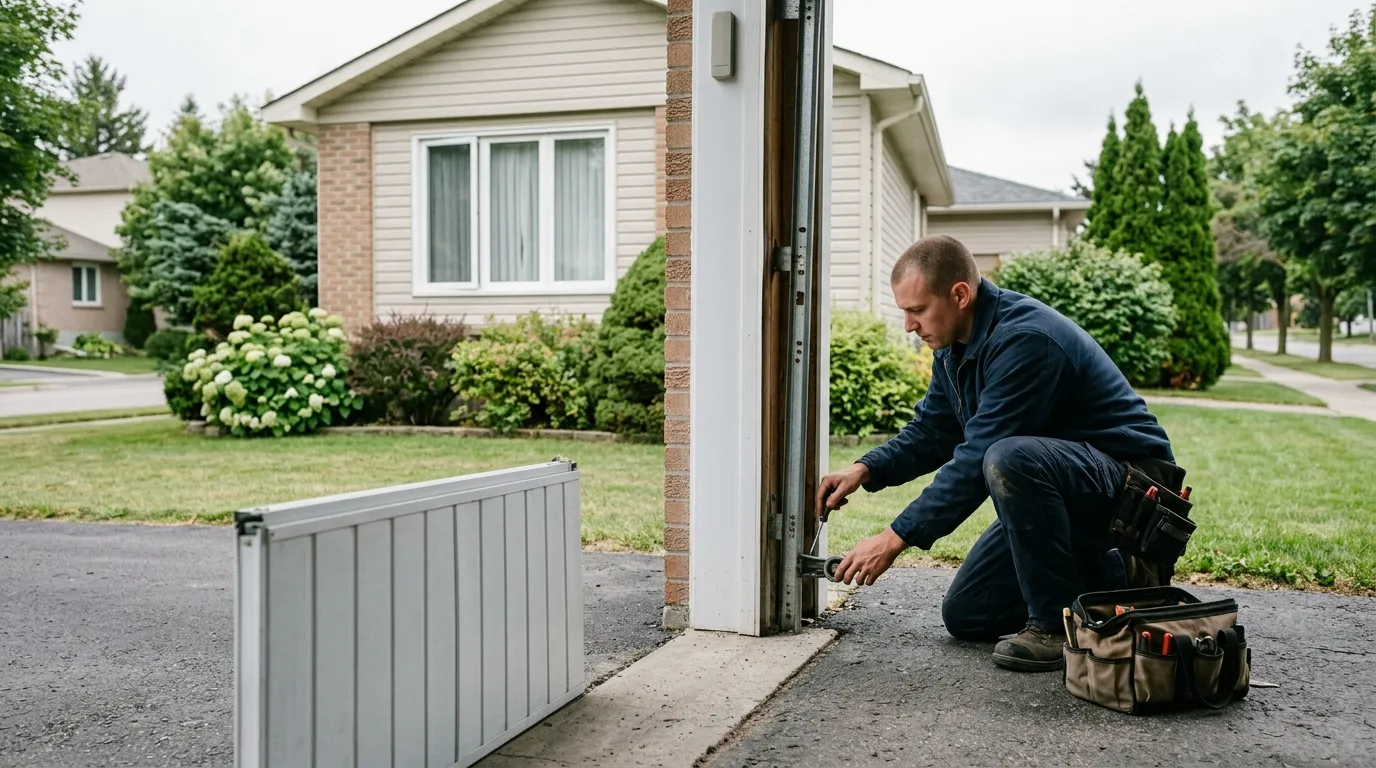
A second, less obvious failure is a cable that comes off the drum without breaking. The door looks stuck or crooked instead of collapsed, but the fix is the same category of job. Either way, once a cable is off or broken, the door is unsafe to run on the opener until it's fixed - the opener isn't built to lift a door that isn't cable-supported evenly on both sides.
The DIY Question
Cable work is spring-adjacent work, and that's the line where we tell people to stop. The cable is under tension from the spring system the whole time the door is closed, and disconnecting or rethreading it without releasing that tension first is how hands get hurt. This isn't a swap-the-part-yourself repair the way a roller or a bottom bracket sometimes can be.
What you can safely do: don't run the opener once you notice the door hanging crooked, and don't try to force the door up or down by hand past the point where it's resisting. Leave the door where it is and call it in. If it's a garage that also needs general attention beyond the cable, our page for garage doors in Fremont covers the broader picture; for anything outside cable repair specifically, our Port Huron cable repair page has more on how we handle the job itself.