What You Pay
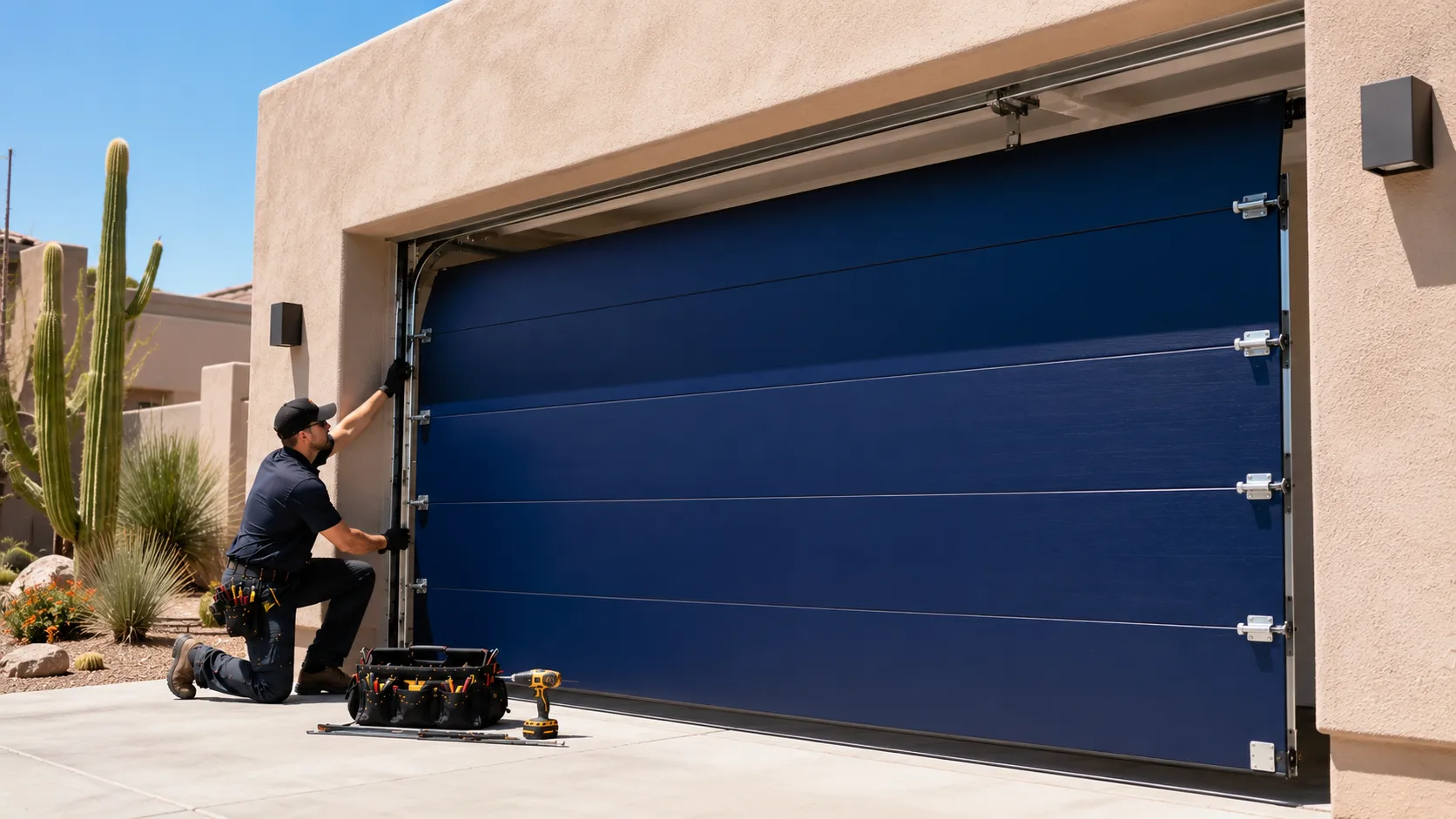
We don't post a flat number here because a torsion spring job on a 1979-built house in Fremont isn't priced the same as a cable snap or an opener swap, and we're not going to pretend otherwise. What we can tell you is what drives the cost on this stretch: most Fremont houses date to the late 1970s, which puts them on torsion spring systems rather than the older extension setups you'd find on pre-1960 stock elsewhere in the service area. Torsion hardware is more standard and usually cheaper to source than the odd extension-spring parts on older homes, so that part works in your favor. What doesn't is winter. Cold-climate sealing and insulated panels cost more than uninsulated steel, and if your door's original weatherstripping has hardened after four decades of Michigan winters, replacing it adds to the job rather than being a line item on its own. We quote after we see the door, not before, because a spring size and a track alignment issue look identical over the phone and aren't.
Stocked Parts
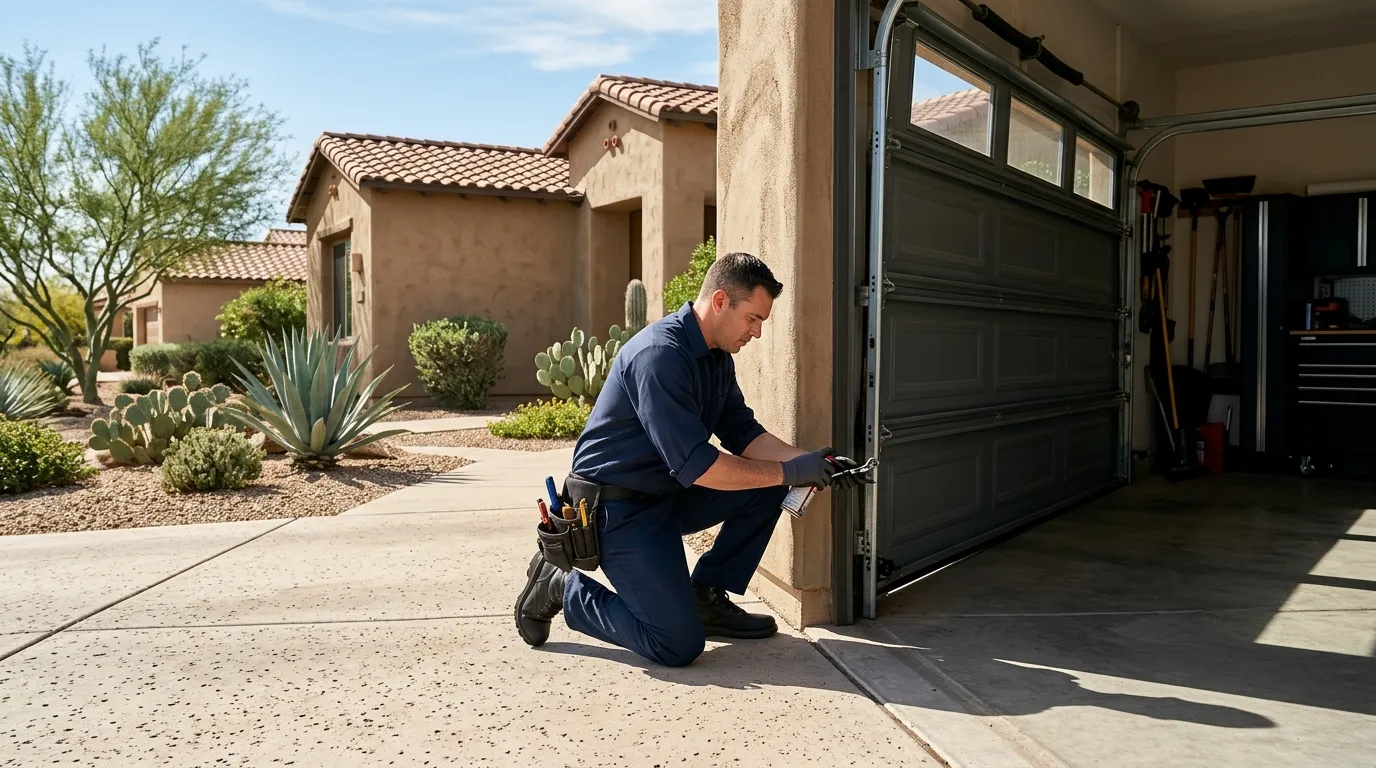
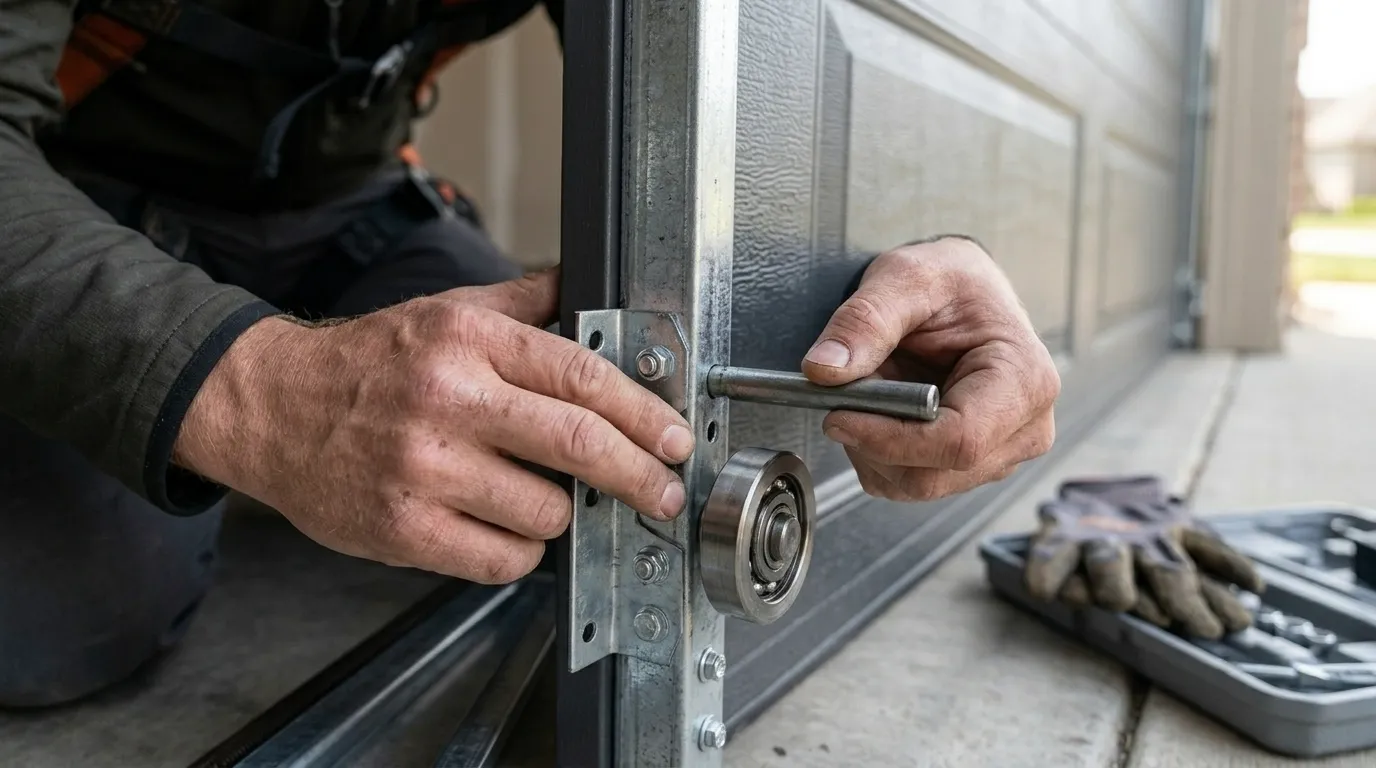
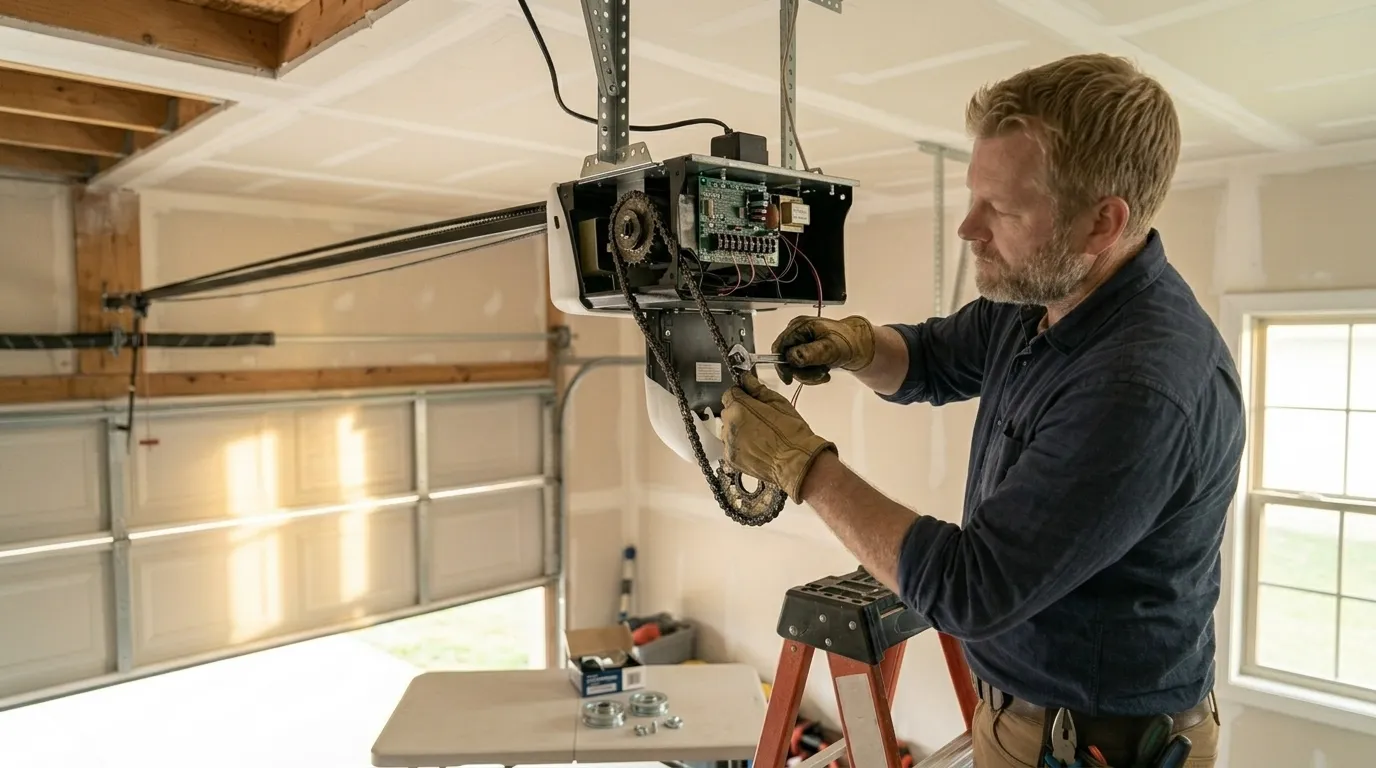
Fremont's housing sits right around 1979, which puts it toward the newer end of the 1938-1989 range that describes most of the service area, and just about on the era when torsion springs became standard over the older extension-spring drums. That matters for what rides on the truck: torsion springs, standard steel rollers, and galvanized cable in the sizes that fit doors from this build window are stocked, along with cold-climate weatherstripping - because this is a severe cold climate band, and hardened or cracked seals are common on doors this age. What isn't always on the truck is anything custom - a nonstandard panel size or an obsolete opener model from the same era sometimes needs an order, and we'll tell you that up front instead of guessing at a fix.
What Can Go Wrong
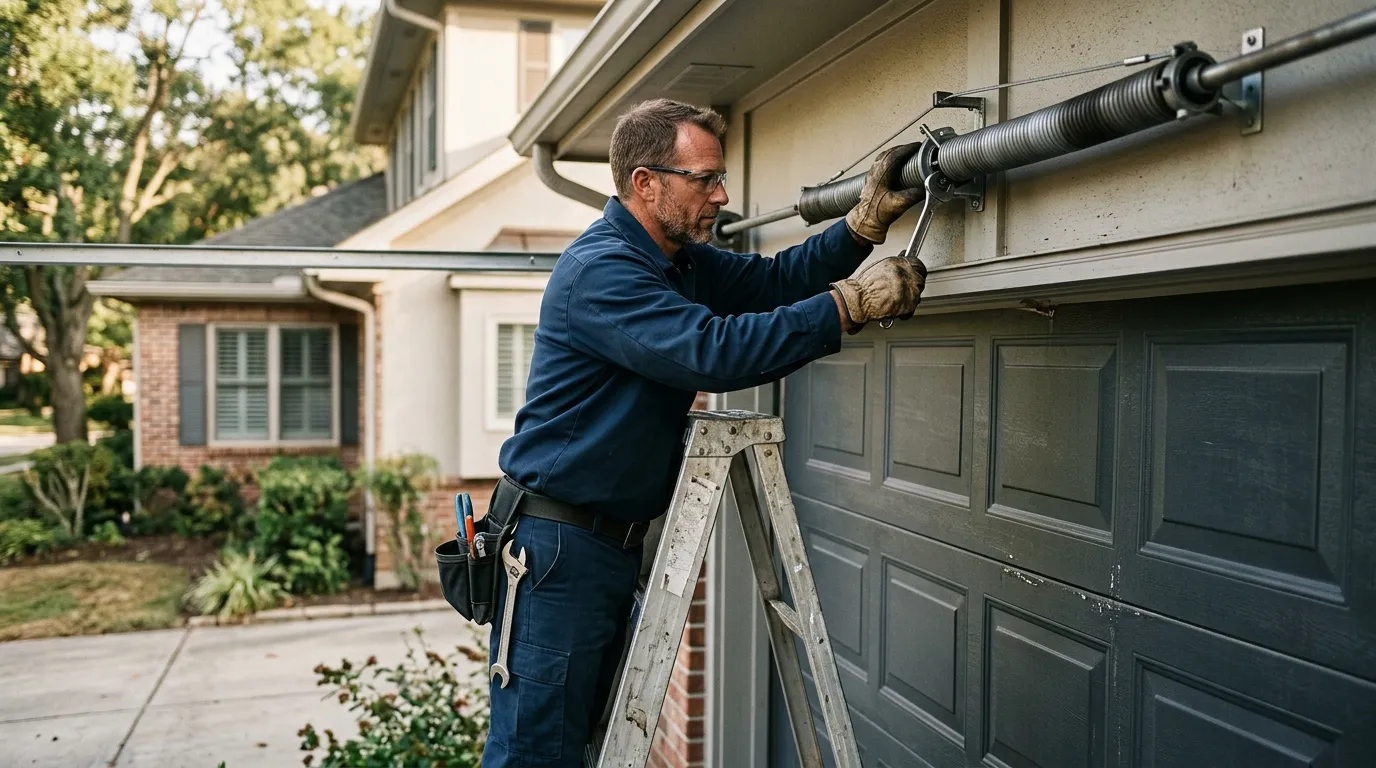
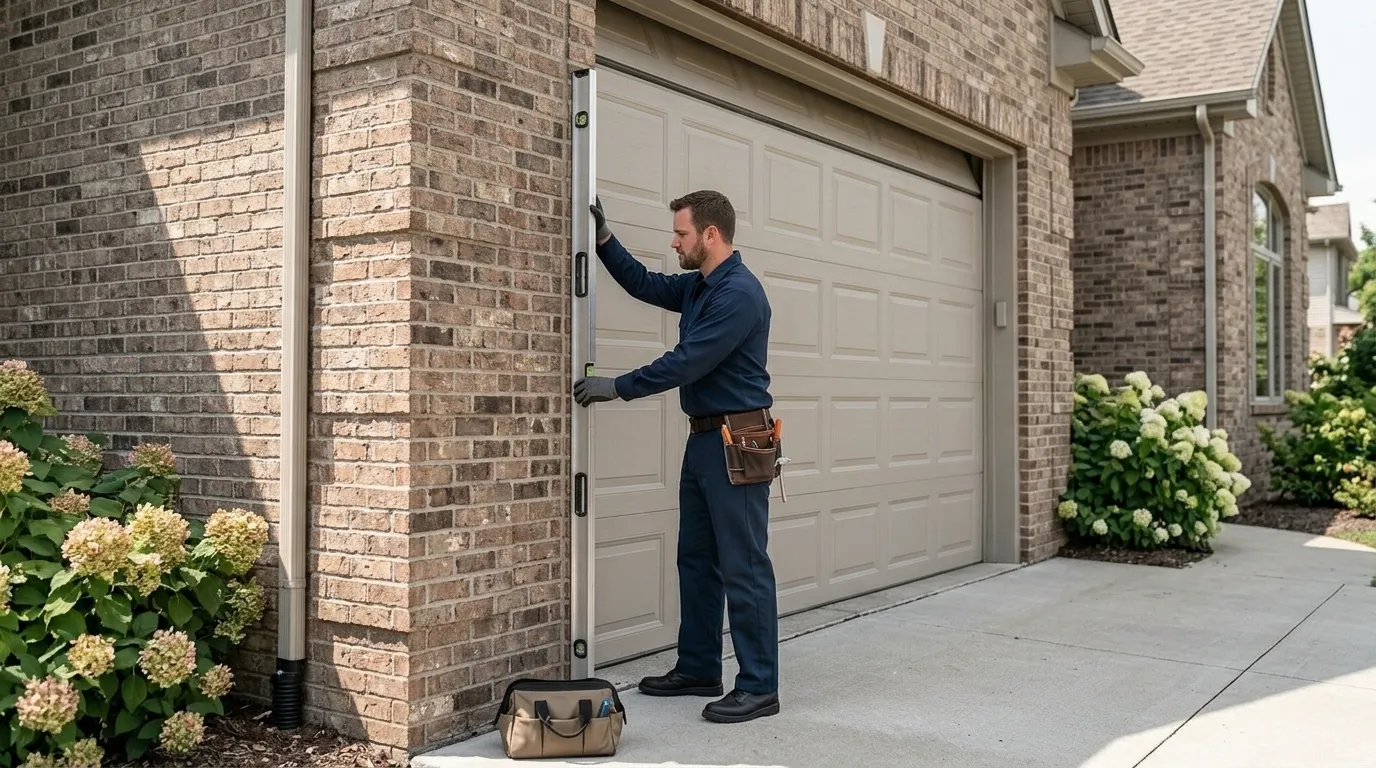
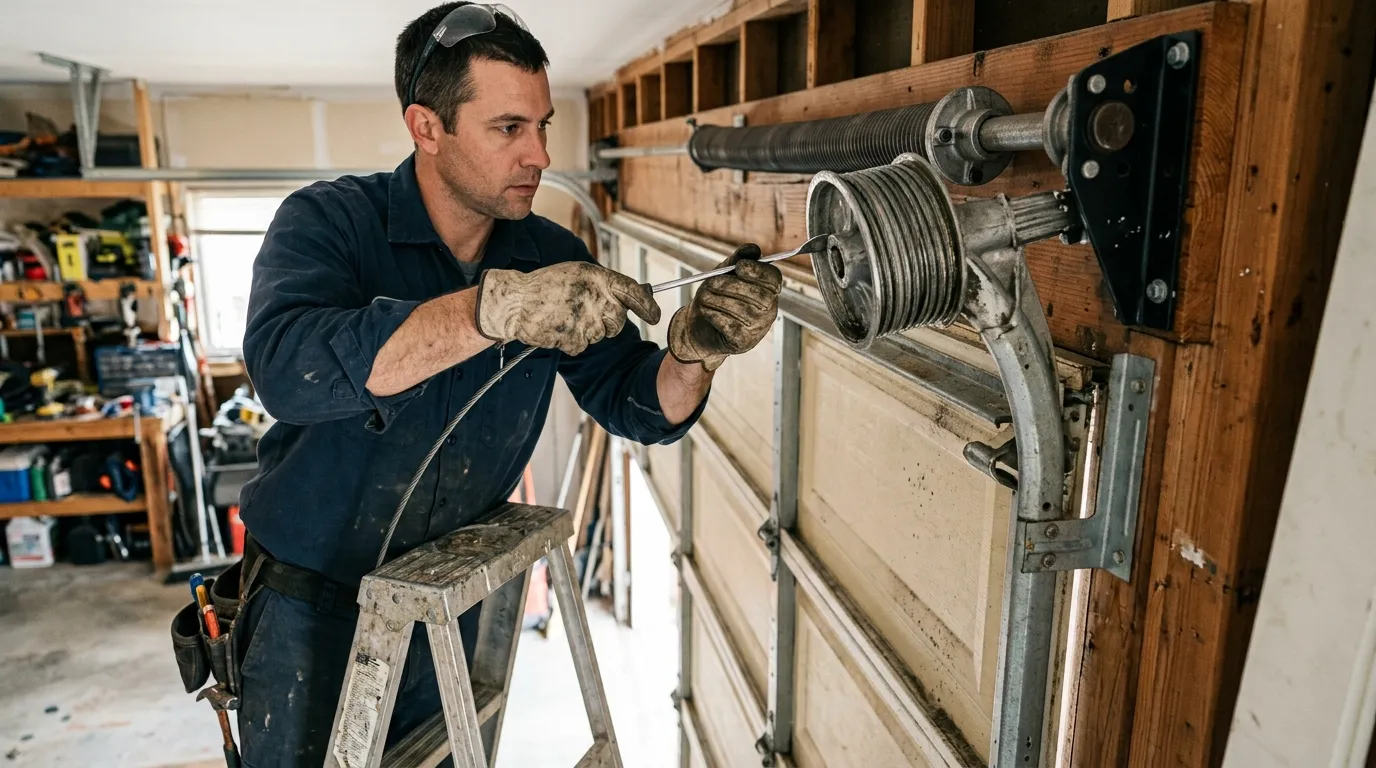
A door built or installed around 1979 has had roughly four and a half decades of Michigan winters to work on its torsion spring, and in a severe cold climate, galvanized coil springs lose temper and snap more often than they do in milder regions - that's the single most common call we get from houses this age. Track alignment is the second: steel track fastened to wood framing from the late 1970s shifts slightly over time, and combined with a slab that's settled, that shows up as a door that binds partway through its travel. Rollers on original steel track wear unevenly rather than all at once, so one side of the door can be noticeably louder or slower than the other. None of this is unique to any one house - it's what happens to hardware from this build era after this many cold seasons, and it's the pattern we look for first on a Fremont call before we look at anything else.
The DIY Question
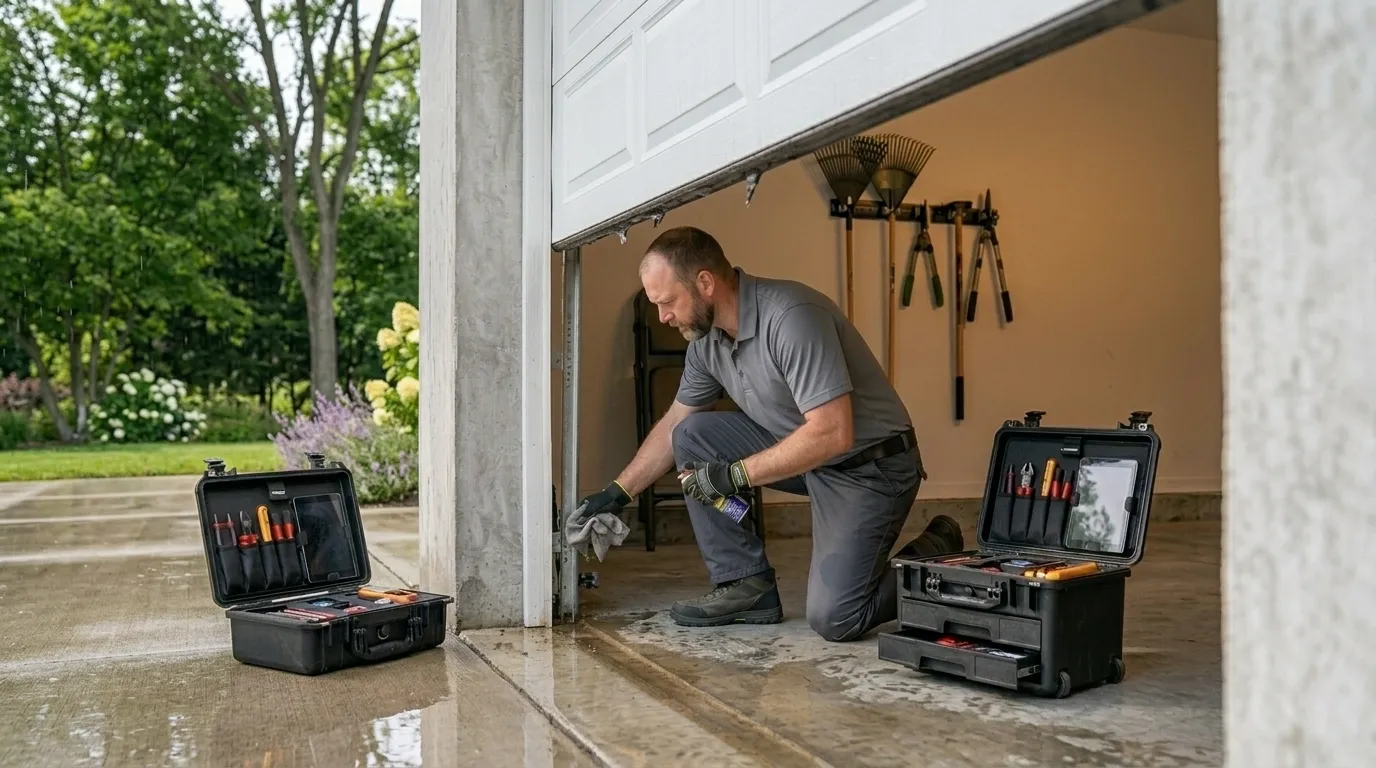
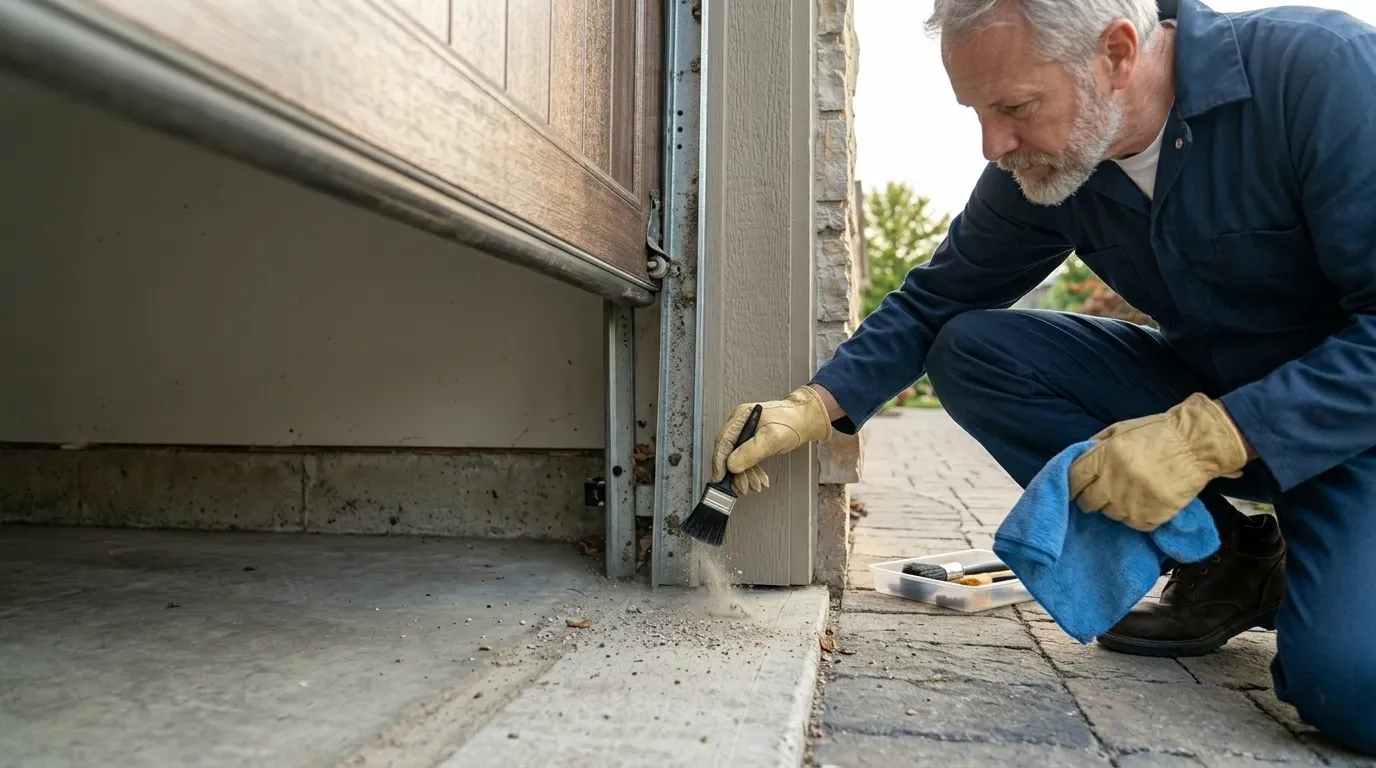
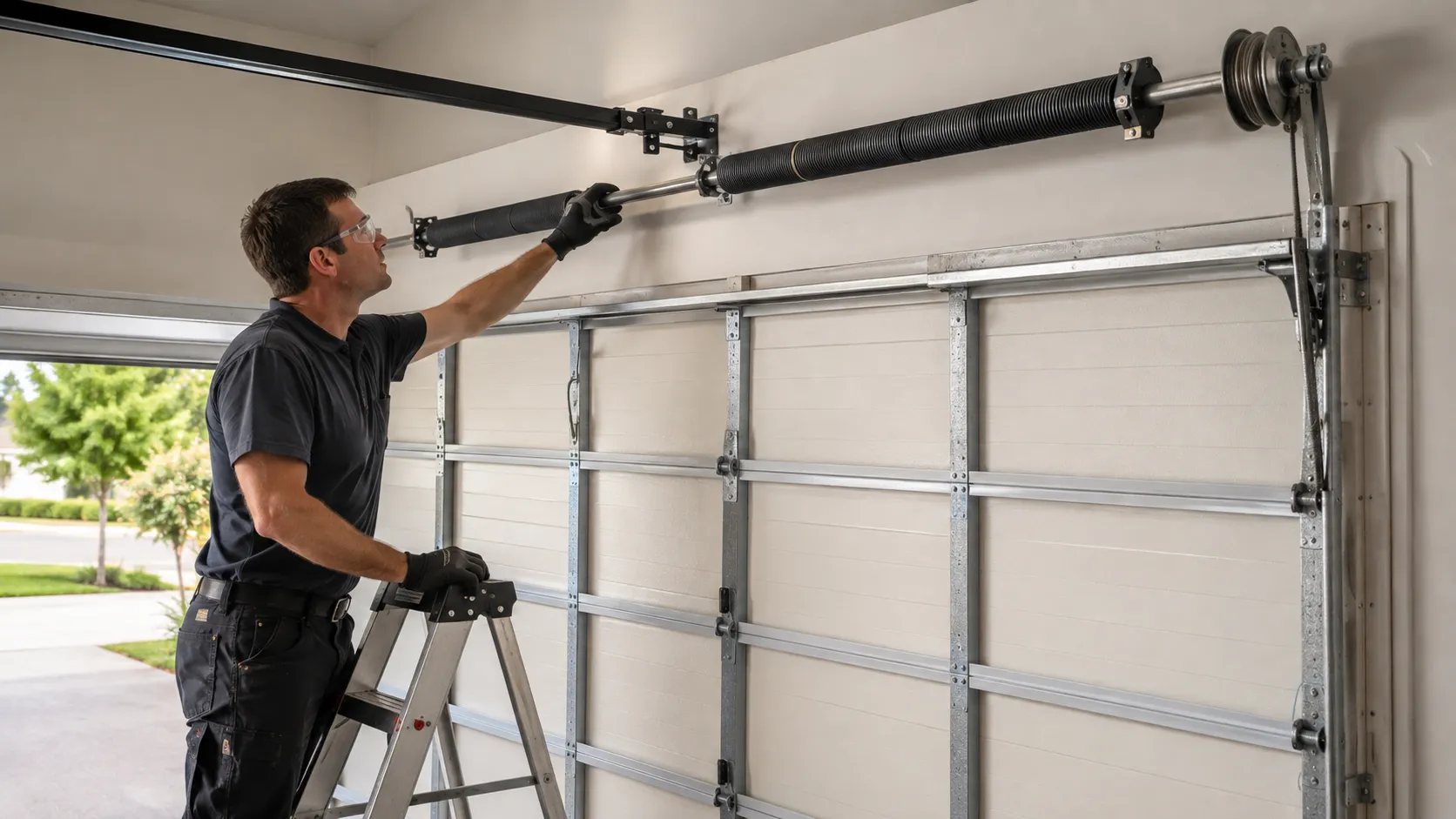
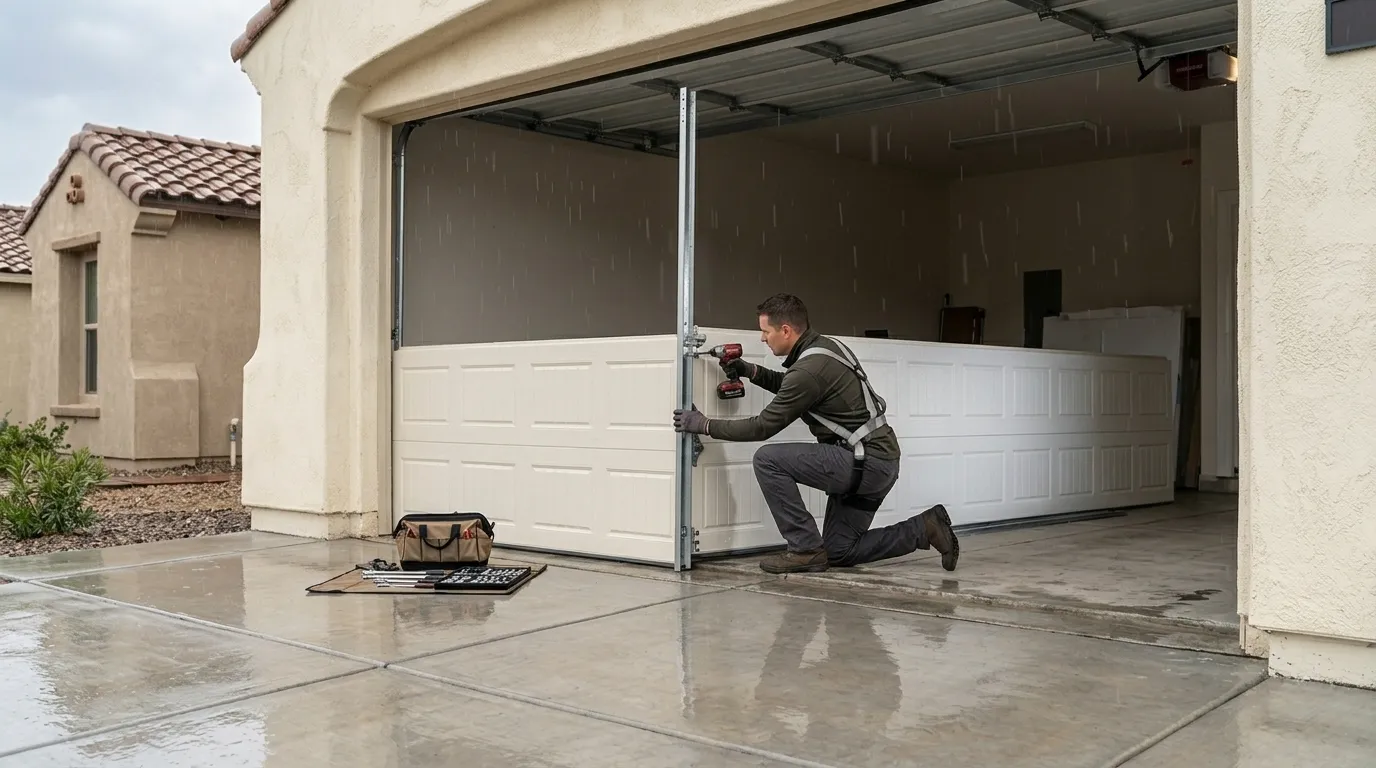
There's a limit to what we'll walk you through over the phone, and torsion springs are past it. A spring under tension on a door built in the late 1970s can carry enough force to break a wrist or worse, and we won't talk a homeowner through replacing one - that's not a liability line, it's just true. What you can reasonably check yourself: whether the track bolts are loose, whether the photo-eye sensors near the floor are aligned and clean, and whether the weatherstripping along the bottom has cracked enough to let cold air through. Those are five-minute checks that sometimes solve the problem outright. If the fix involves the spring, the cable, or pulling the door off its track, that's a call, not a project - and if the door's original hardware is failing across the board, sometimes replacing the unit costs less over time than repairing forty-plus-year-old parts piece by piece.