How We Fix It
Marysville is six miles from our shop in Port Huron, close enough that a new-door job doesn't turn into an all-day event just from windshield time. That matters here because most of the calls we get in this town aren't quick swaps - they're full installs on openings that were framed decades ago and never touched since.
The median home in the areas we cover was built around 1978, and Marysville's housing stock leans into that same window. A door going in now usually has to replace one that was never insulated to begin with, on framing that's settled a little and hardware that's been re-torqued more times than anyone kept track of. We measure the opening fresh rather than trust the old jamb, because square openings from that era are the exception, not the rule.
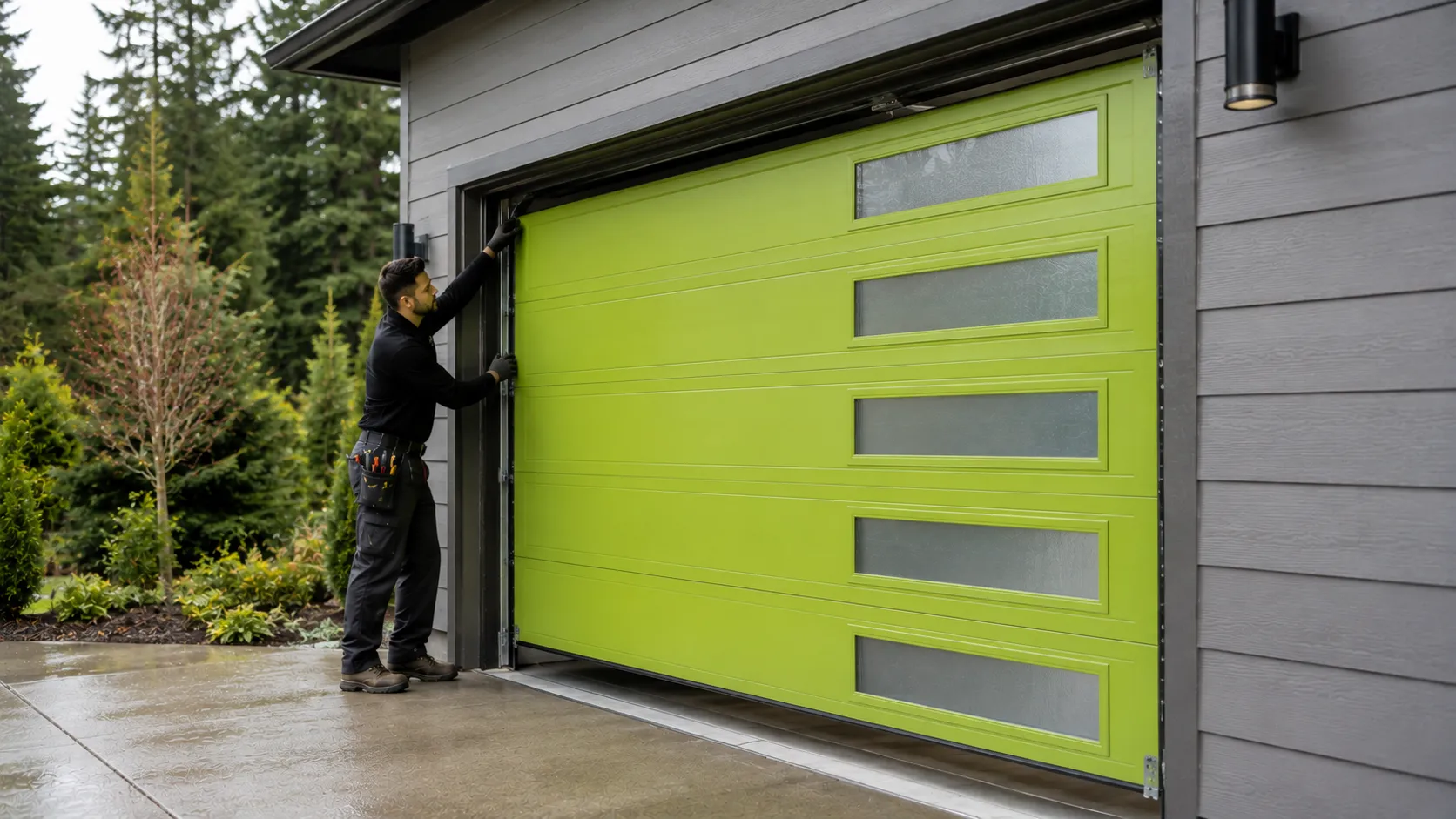
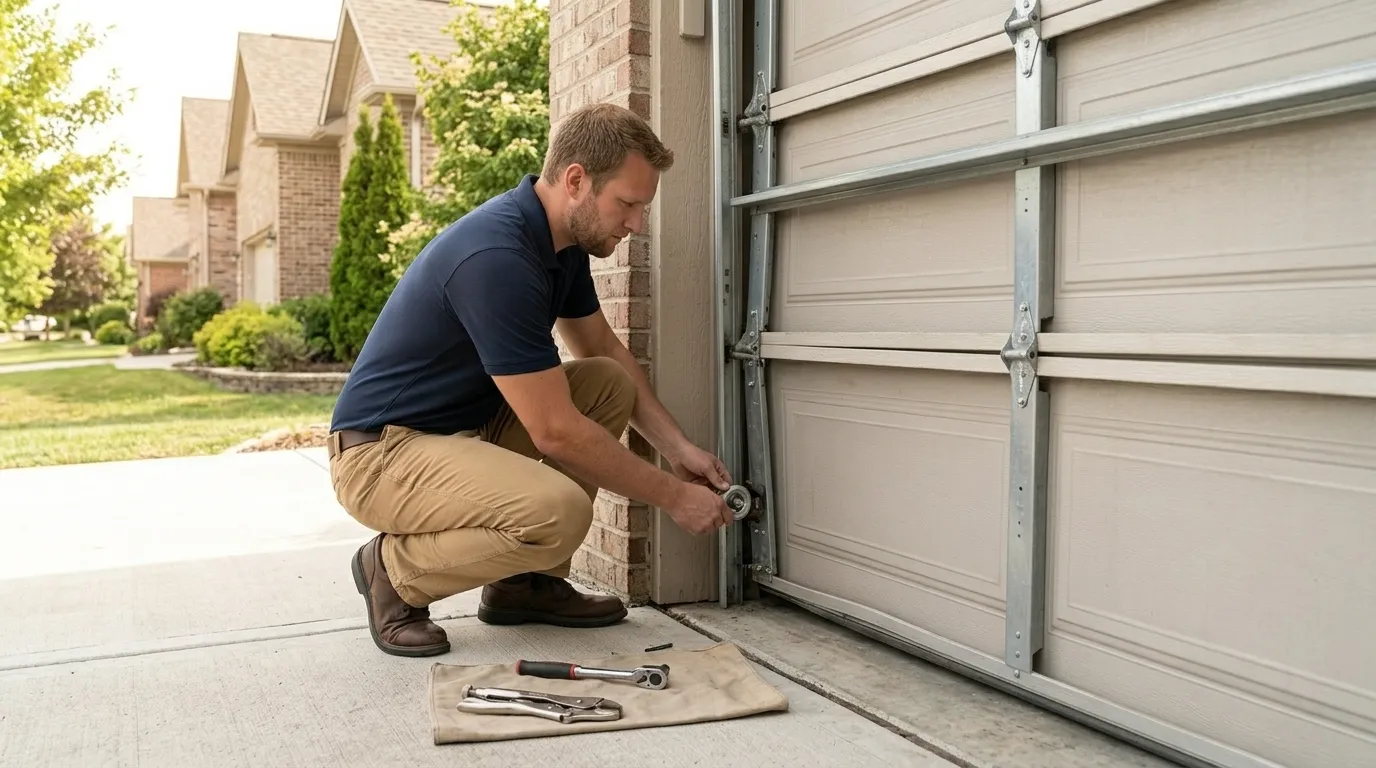
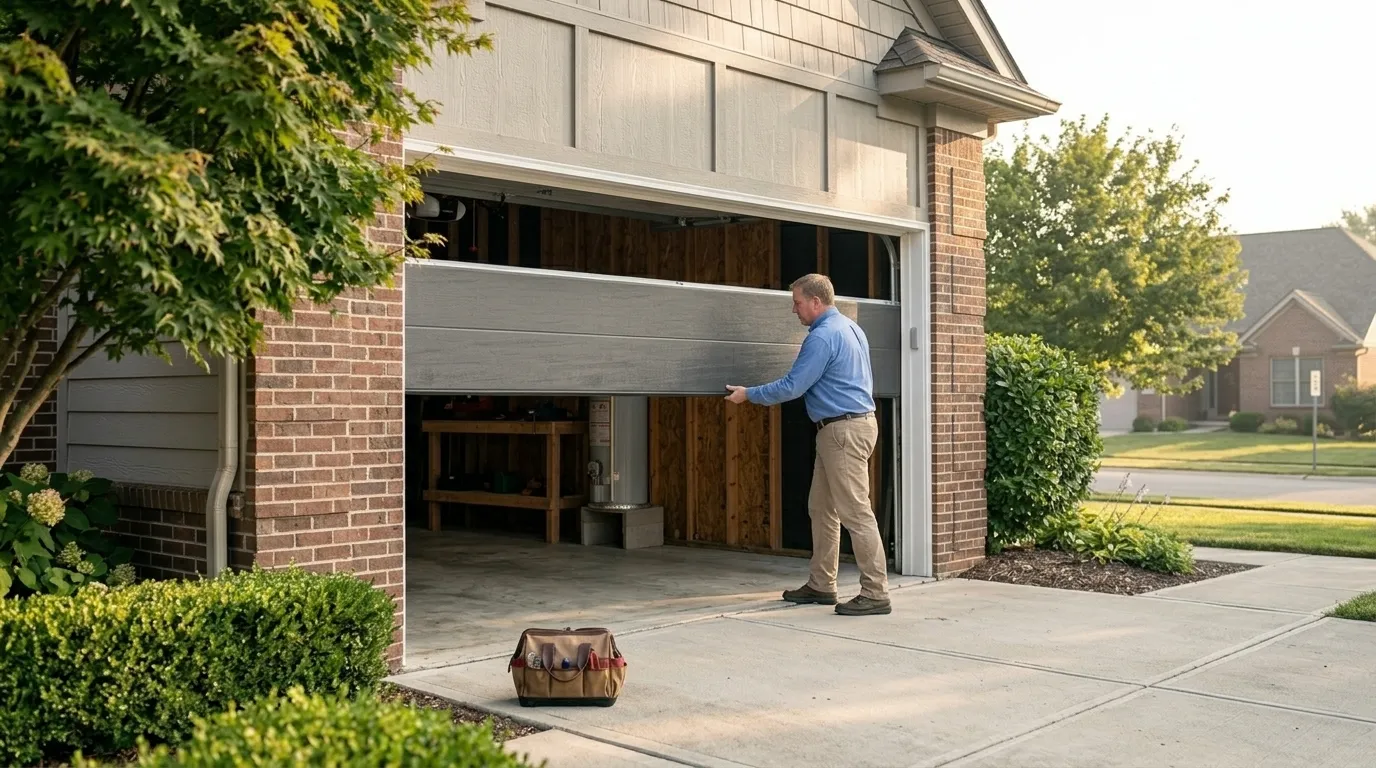
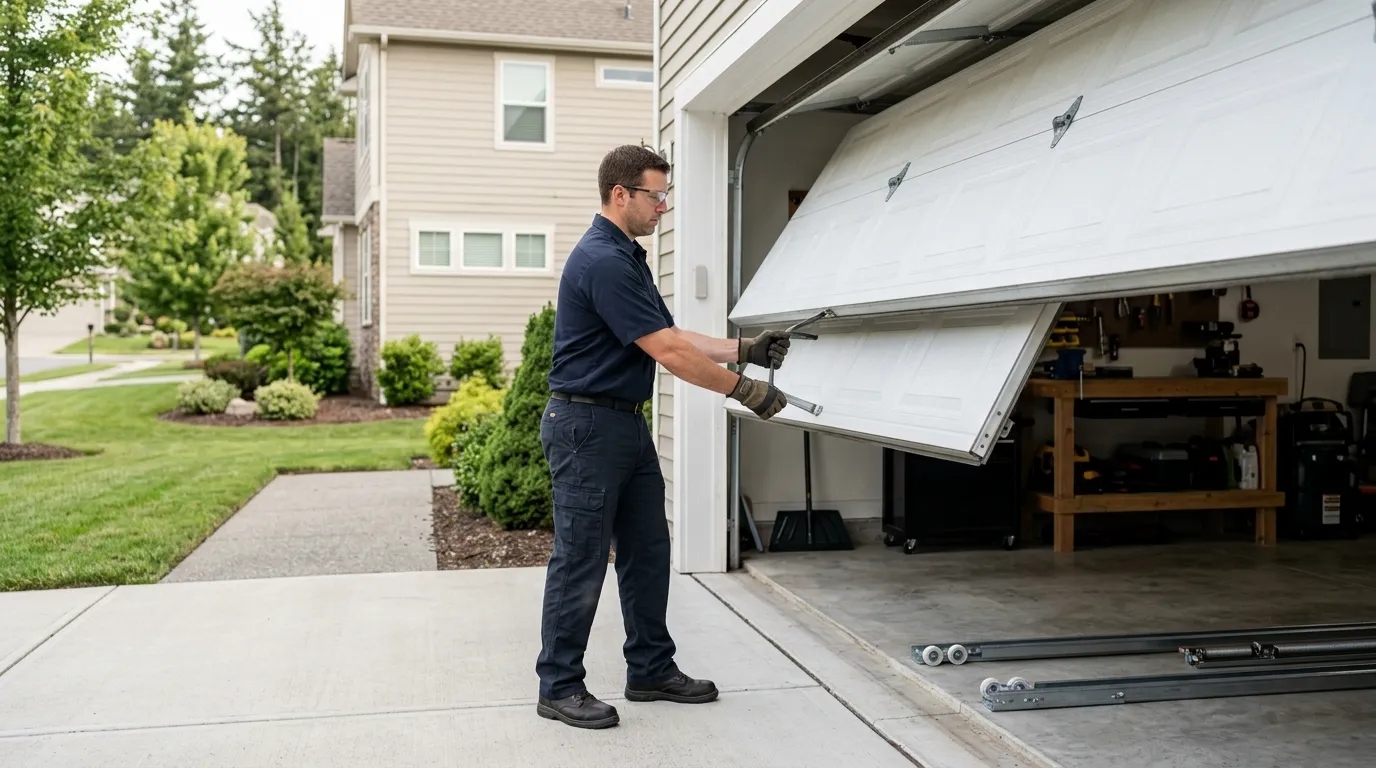
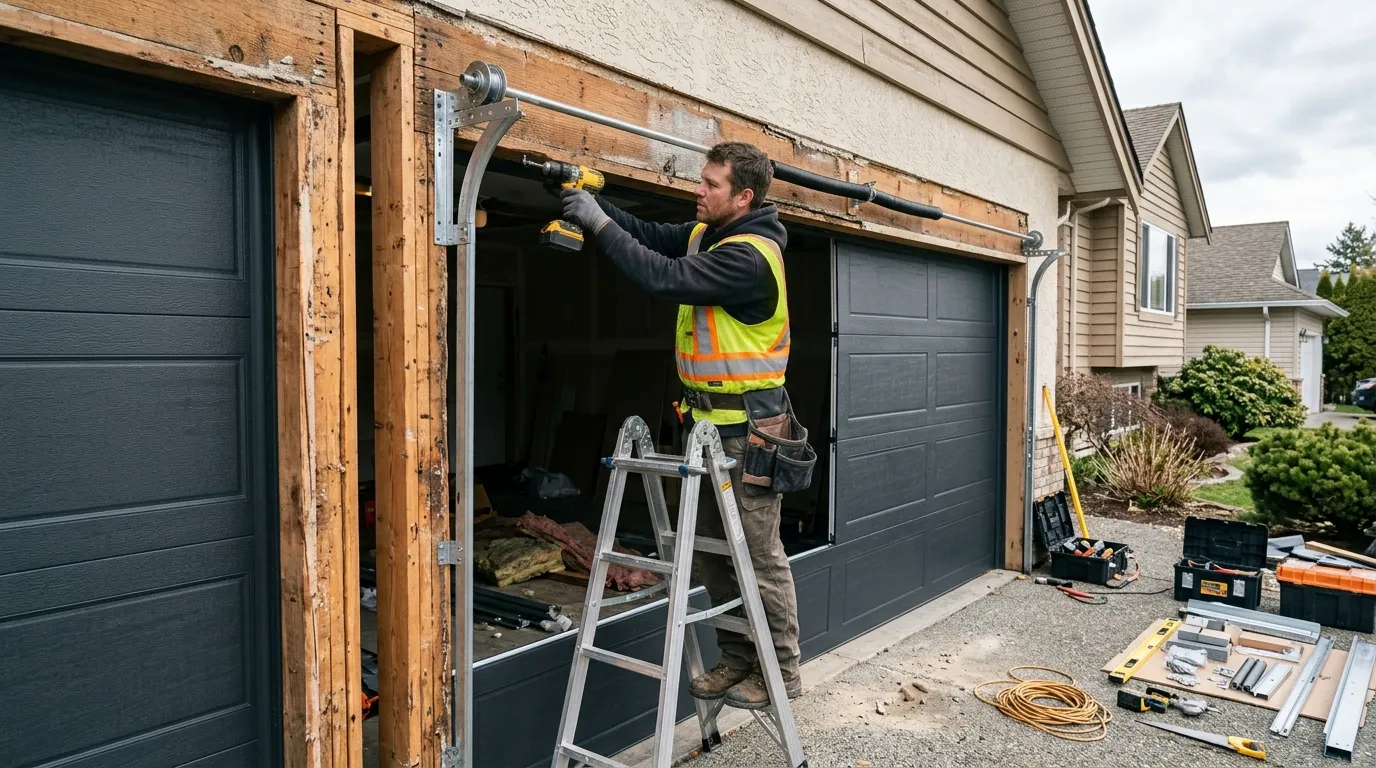
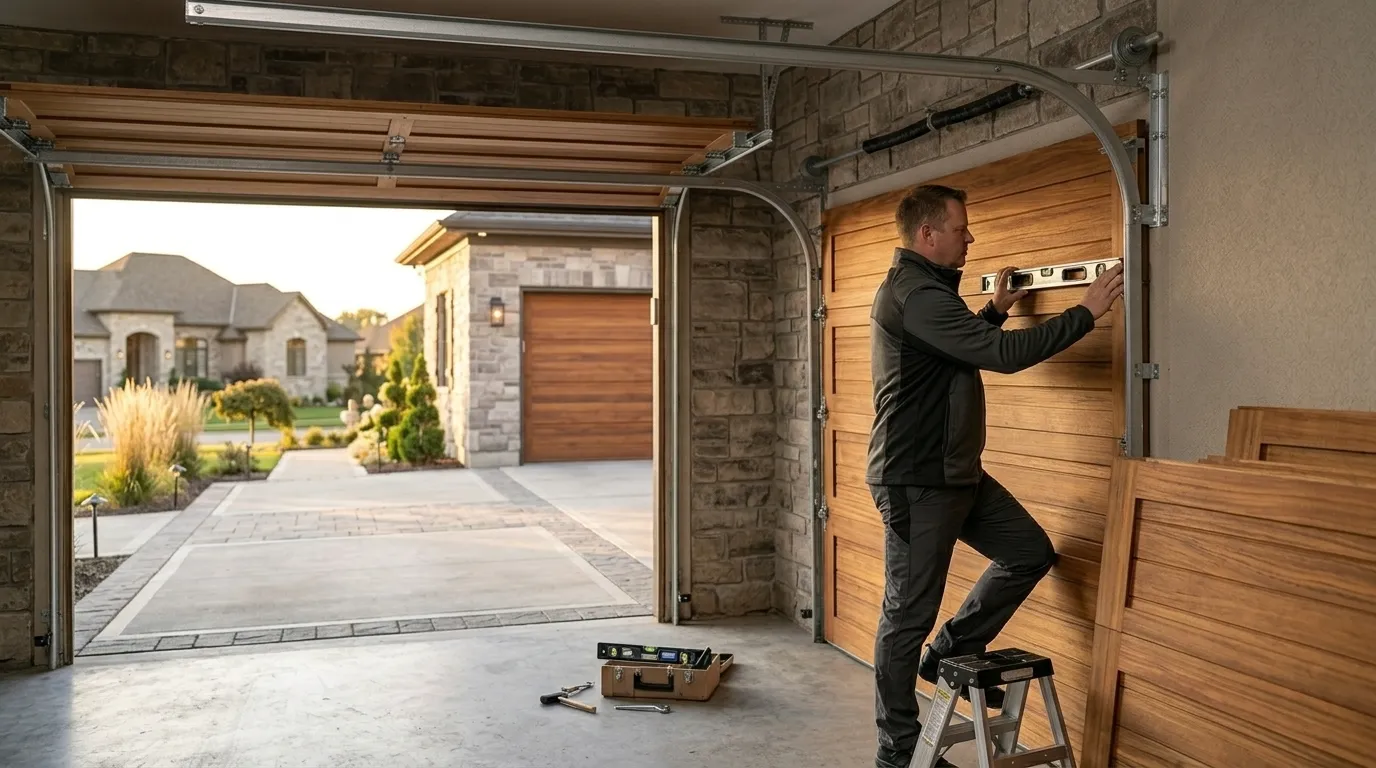
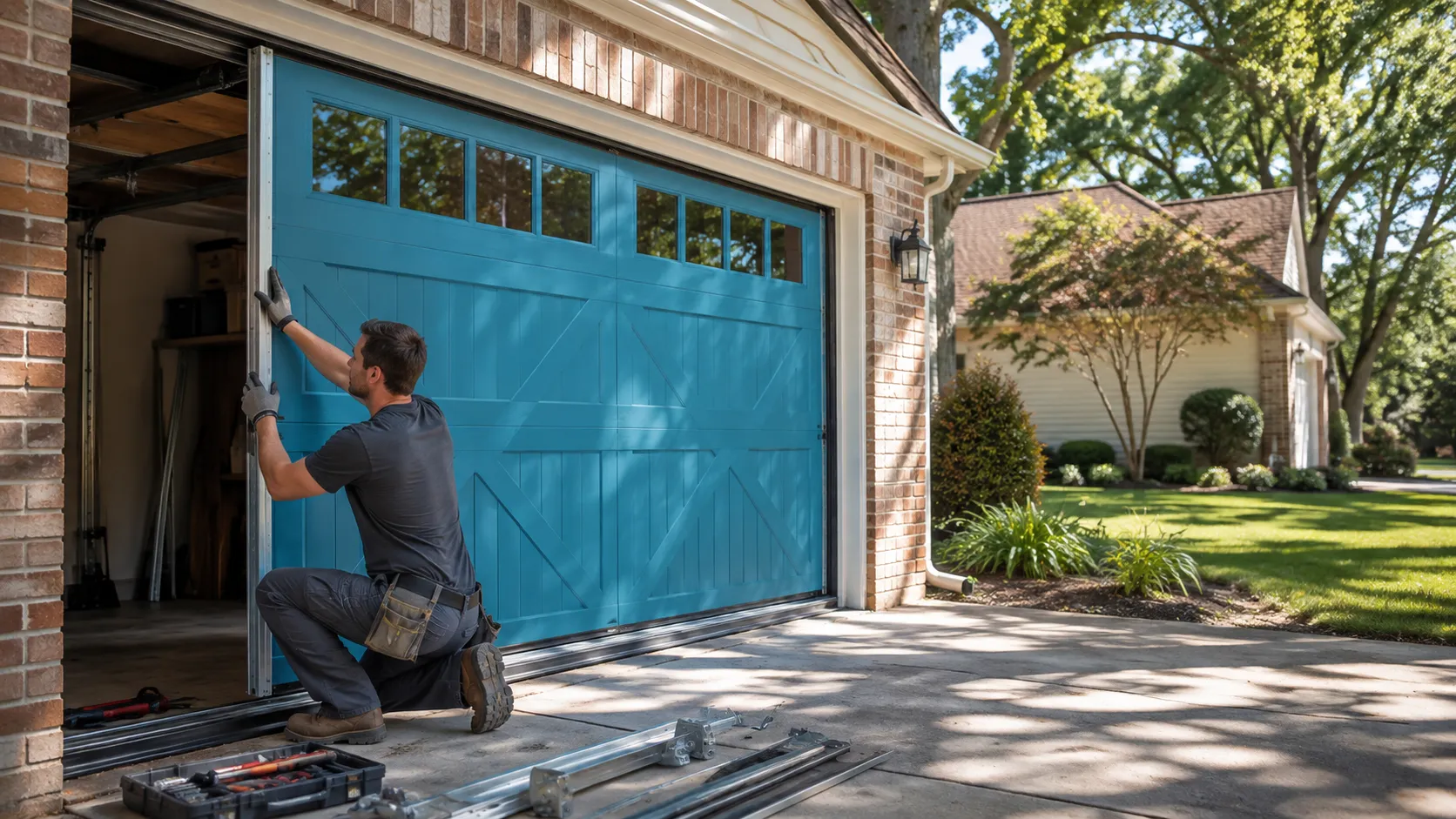
On install day we pull the old door and track completely, check the header and jambs for rot or movement, then set new track, springs sized to the actual door weight, and the opener mount to current hardware rather than whatever bracket was there before. Six miles out doesn't change any of that work - it just means we're not burning half a day getting to you and back.
What You Pay
We're not going to put a number here that doesn't hold up once we're standing in front of your actual opening - that's the kind of thing that makes a quote worthless the moment it's wrong. What we can tell you is what moves the price on a Marysville job specifically.
Because the housing stock here mostly dates to the 1960s and 70s, openings are commonly a nonstandard width by today's manufacturer sizing, which can mean a special-order door instead of an off-the-shelf one - that's a real cost difference, and it's worth knowing before you start shopping models online. Insulation level matters more here than in a milder climate; this area sits in a severe cold band, so a door with a real R-value core costs more up front but does actual work in January rather than just looking like it does.
Median household income in this service area runs a little over $69,000, and we quote against that reality - we're not steering everyone toward the top-tier door out of habit. Track type, whether the opener gets replaced alongside the door, and whether the old jamb needs repair before a new door can hang square all factor in too.
How Long It Takes
A straightforward install on a single door, once the opening is square and the framing is sound, is usually a one-visit job. Where it stretches is the framing - on housing this age, we sometimes find the jamb has shifted enough that it needs shoring up before the new door can be set plumb, and that's not something we guess at over the phone. We look at it in person first.
Being six miles from Port Huron means we're not adding travel time that eats into the actual work - the drive itself isn't the bottleneck on a Marysville job the way it might be for a town twenty miles out. What can add time is parts. If your opening needs a nonstandard width door, that's special order, and lead time on that runs on the manufacturer's schedule, not ours.
We'll give you a real window once we've seen the opening and know whether you're getting a stock door or something ordered to size. We don't promise a same-day install sight unseen, because on a door this old, sight-unseen is exactly how you end up back at the house a second time.
The DIY Question
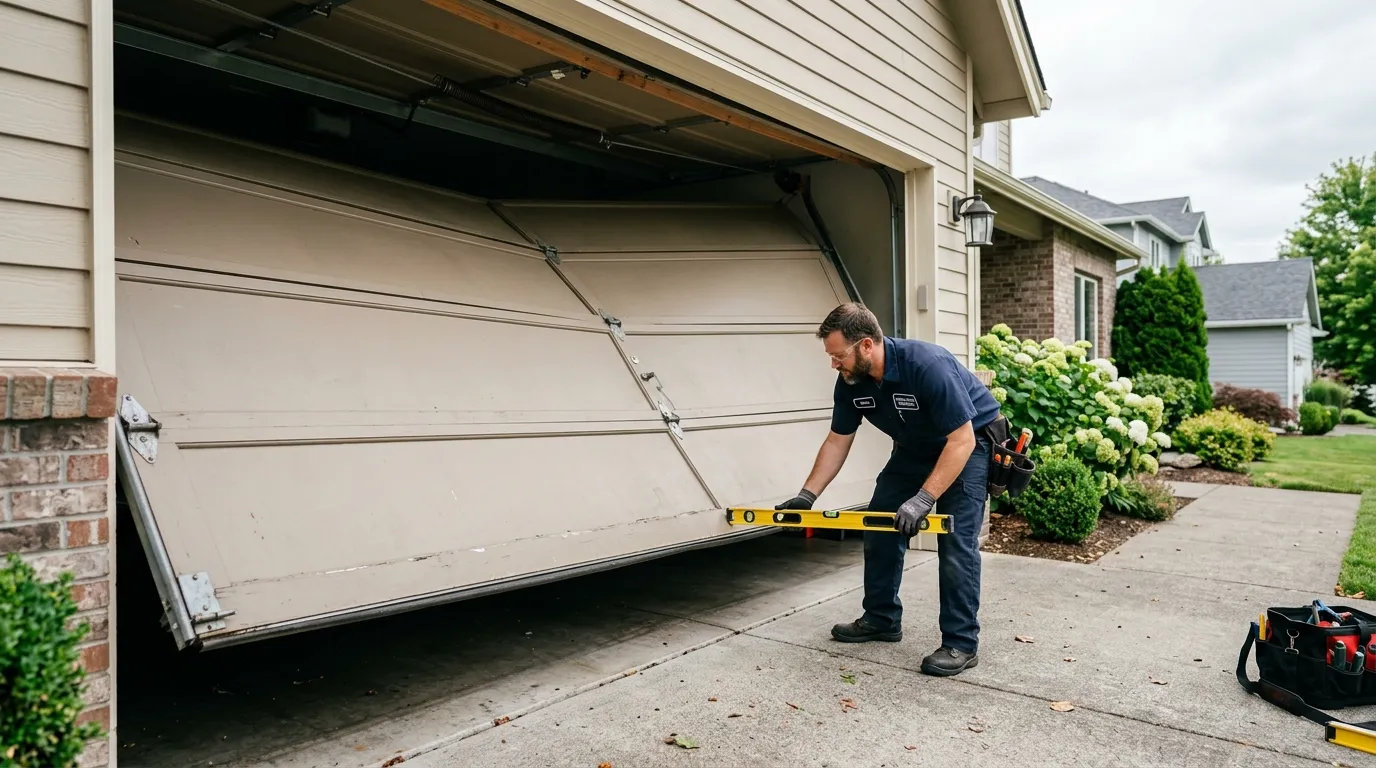
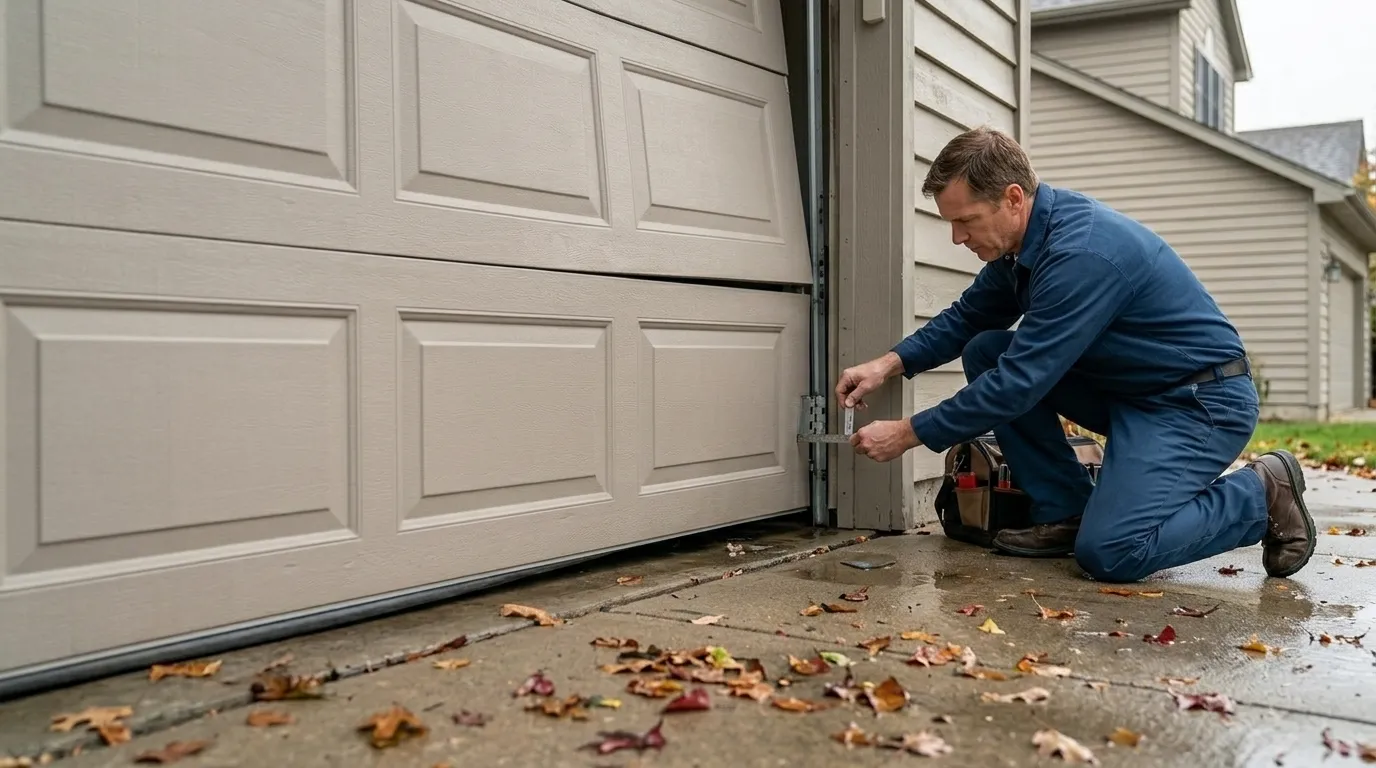
Swapping a door yourself is possible on paper. Where it goes wrong on a house this age is the opening itself - if the jamb isn't square, and on framing from the 1960s and 70s it often isn't anymore, a new door hung to spec on an out-of-square opening will bind, and no amount of adjusting the track fixes that. That's framing carpentry, not garage door work, and it's outside what we do on the door install itself.
Spring tension is the other honest reason not to go it alone. A double door's torsion spring stores enough energy to break a hand or worse if it lets go while you're working on it, and that risk doesn't change because the door is old or the town is small.
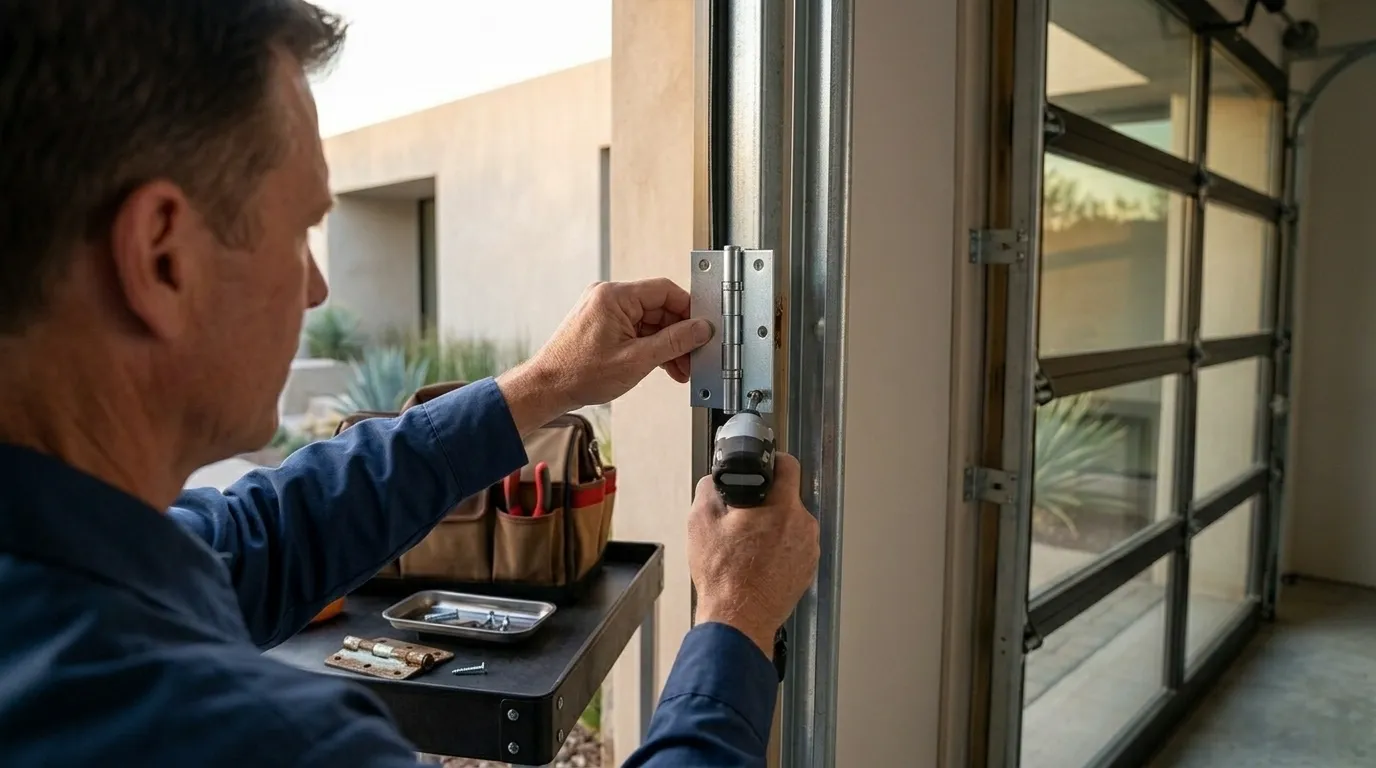
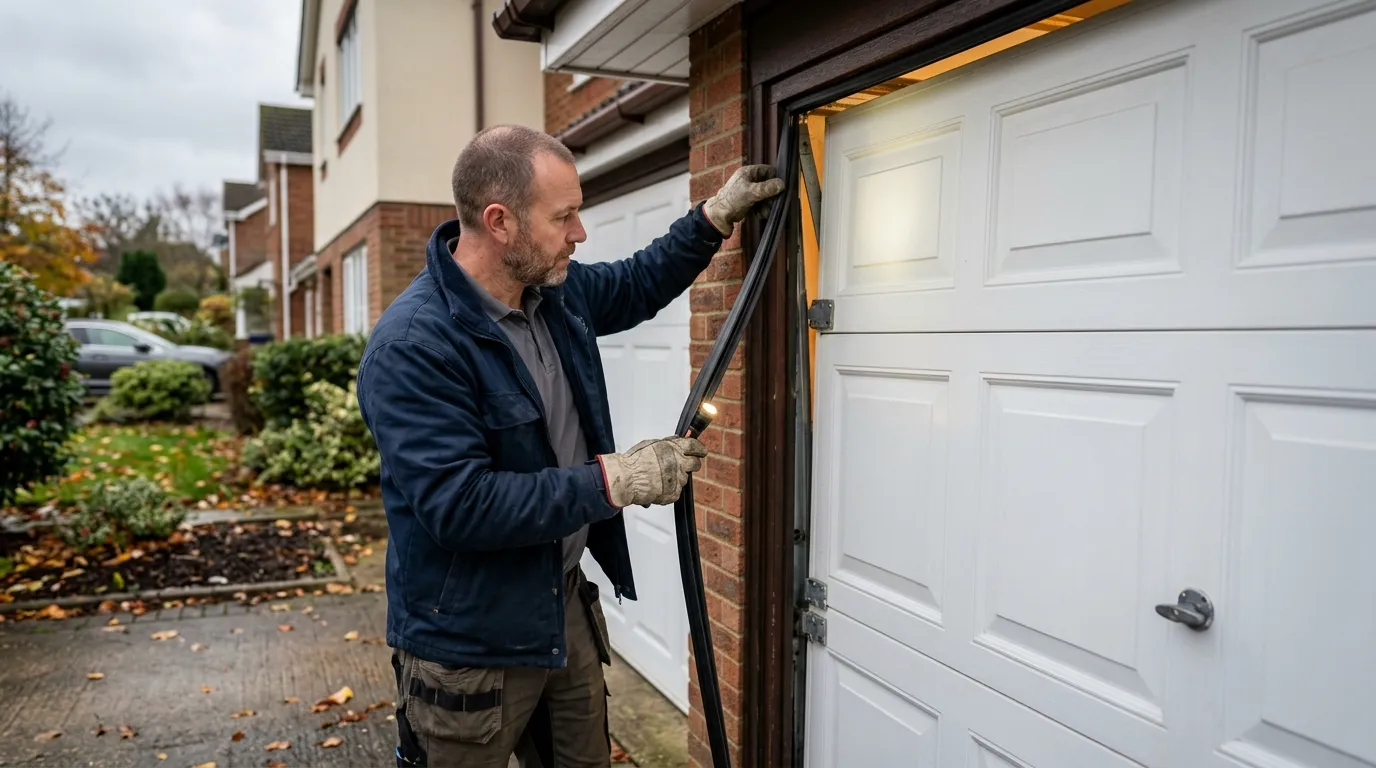
Where DIY genuinely makes sense is smaller stuff - weatherstripping, a roller swap, tightening loose hardware. If your issue is a full door and the opening needs correcting first, that's where we'd rather come look at it than have you find out mid-project that the jamb's the real problem.