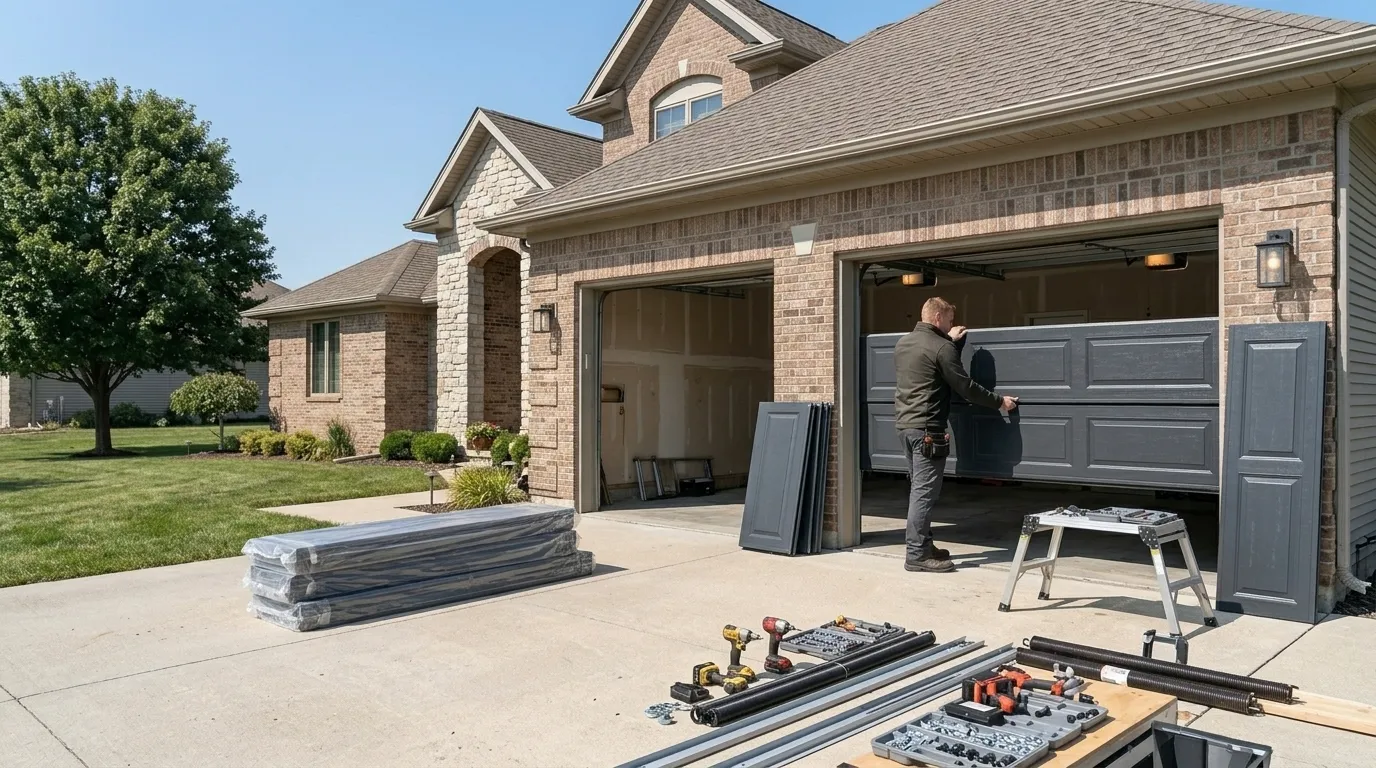

How We Fix It
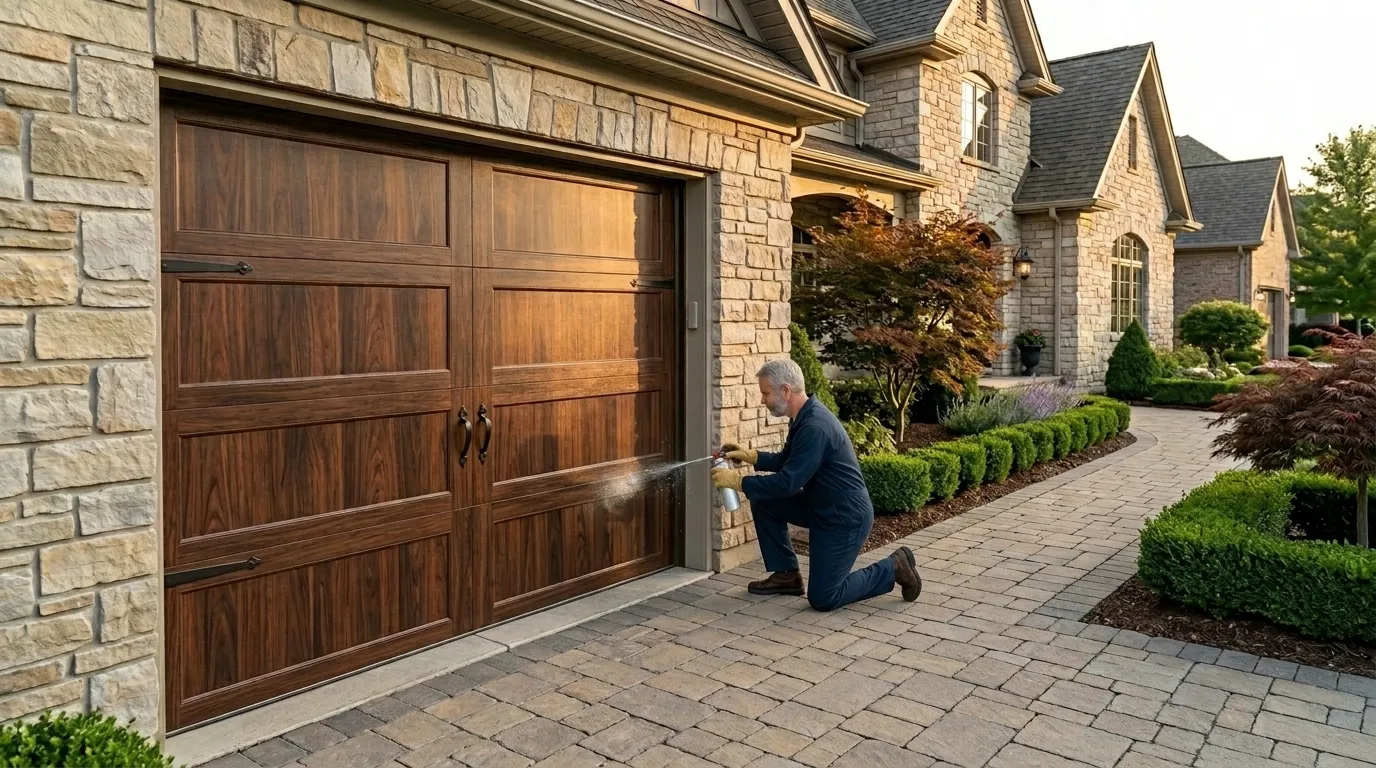
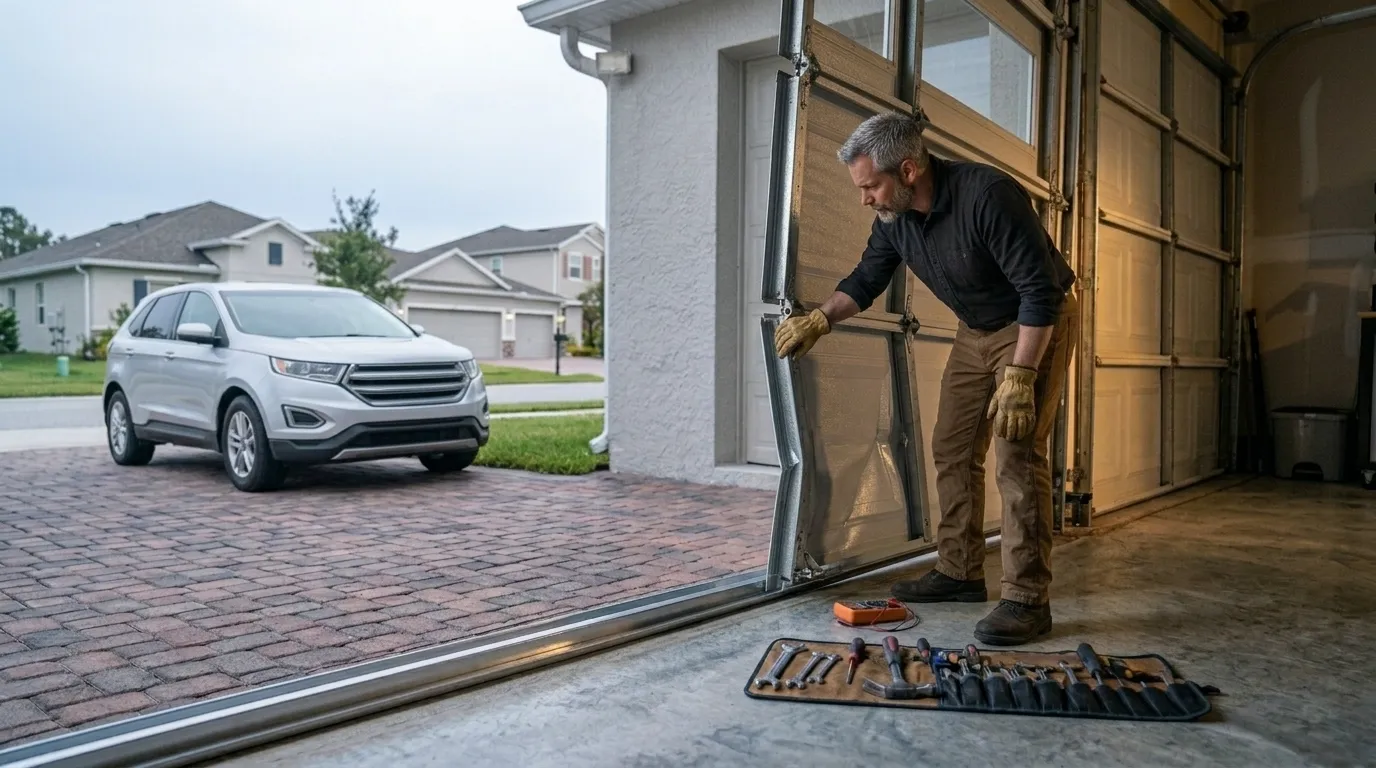
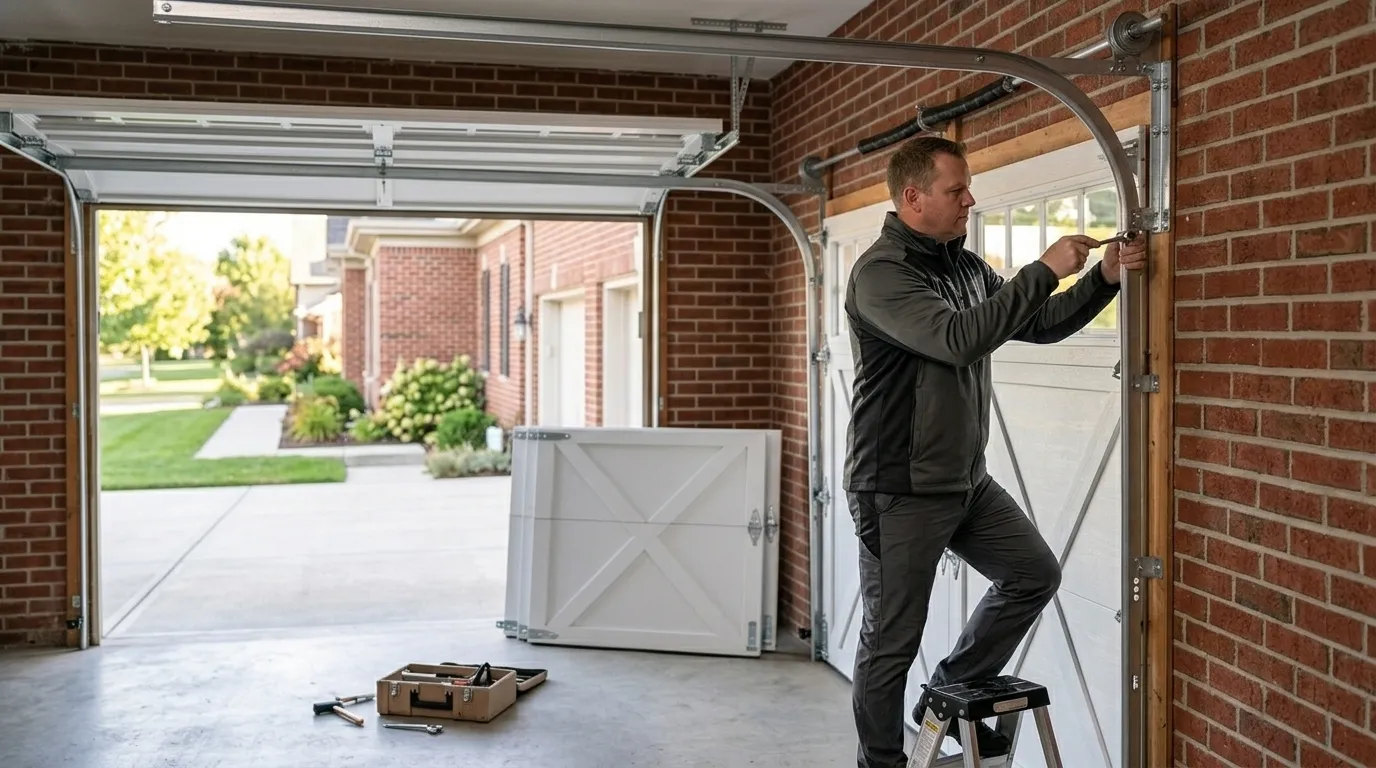
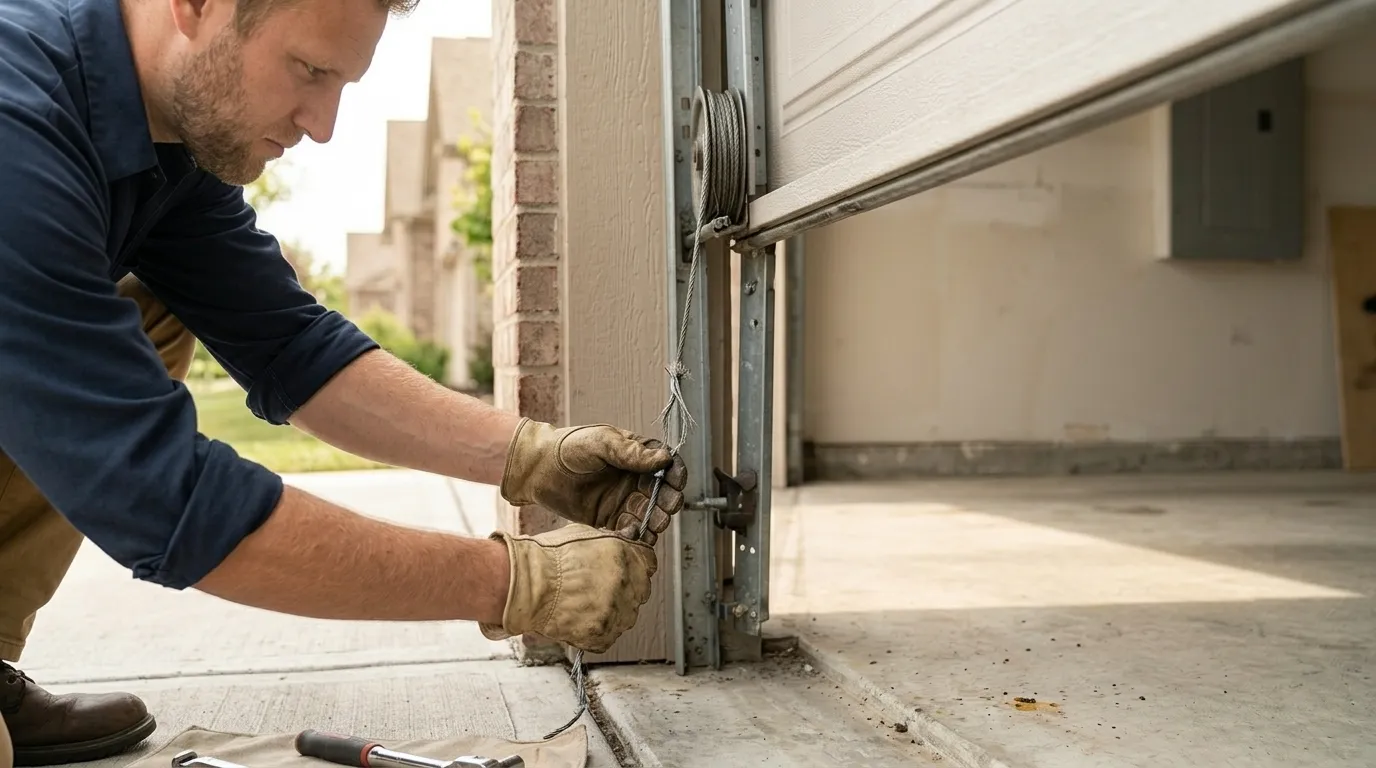
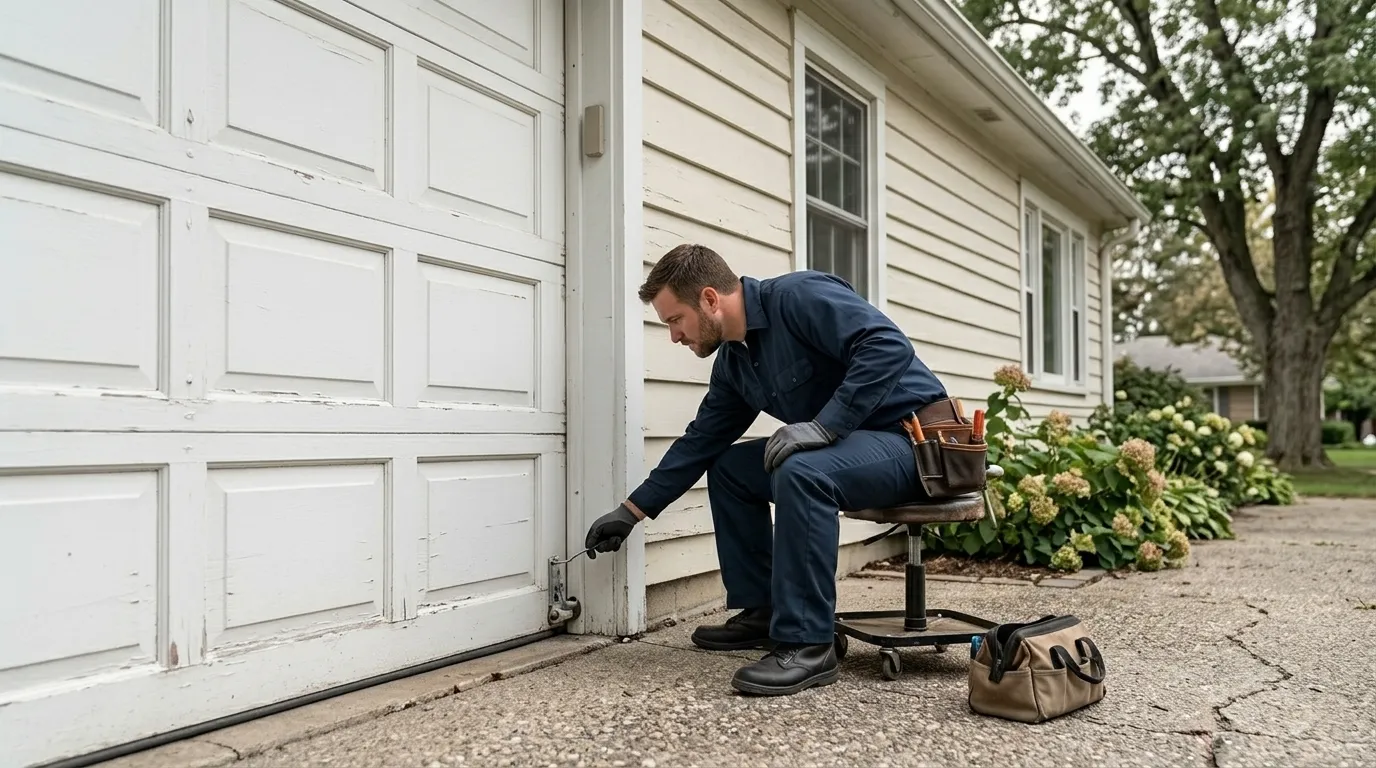
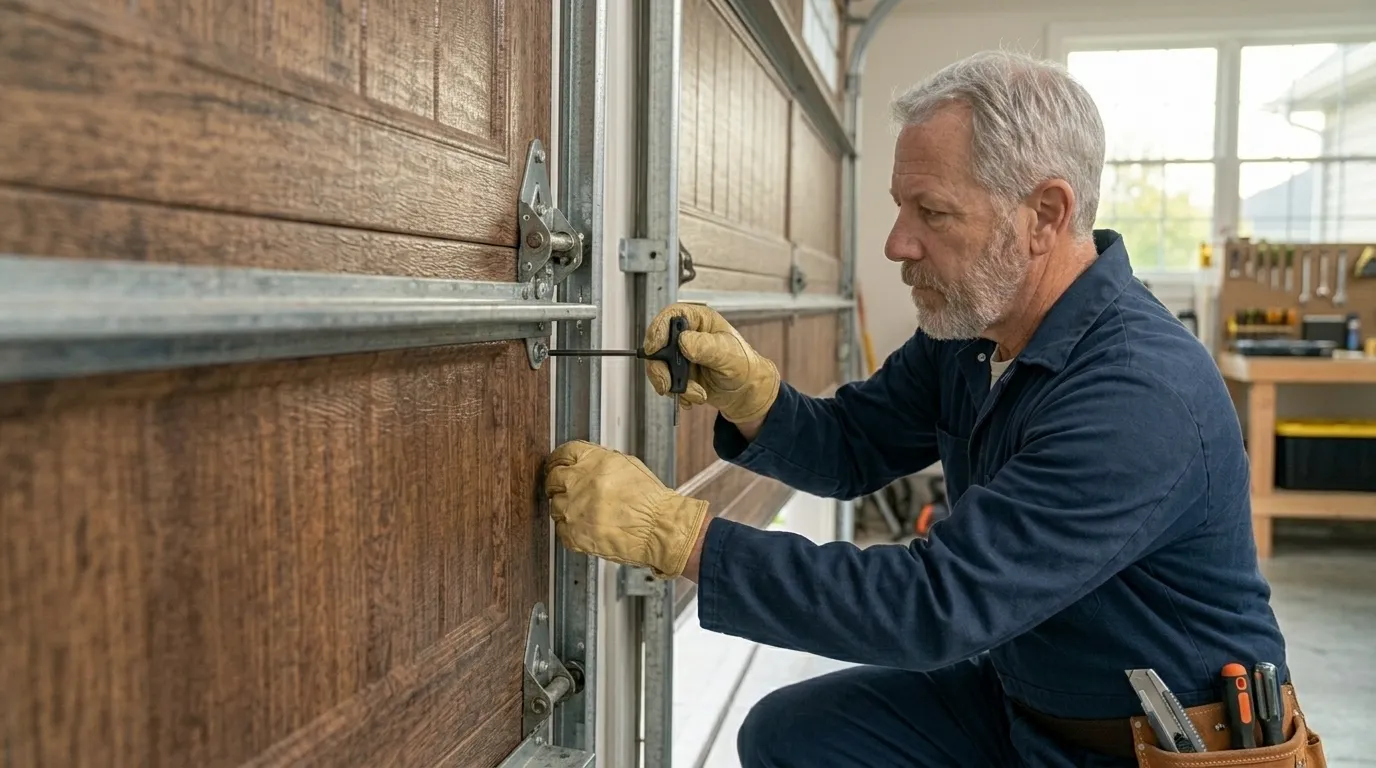
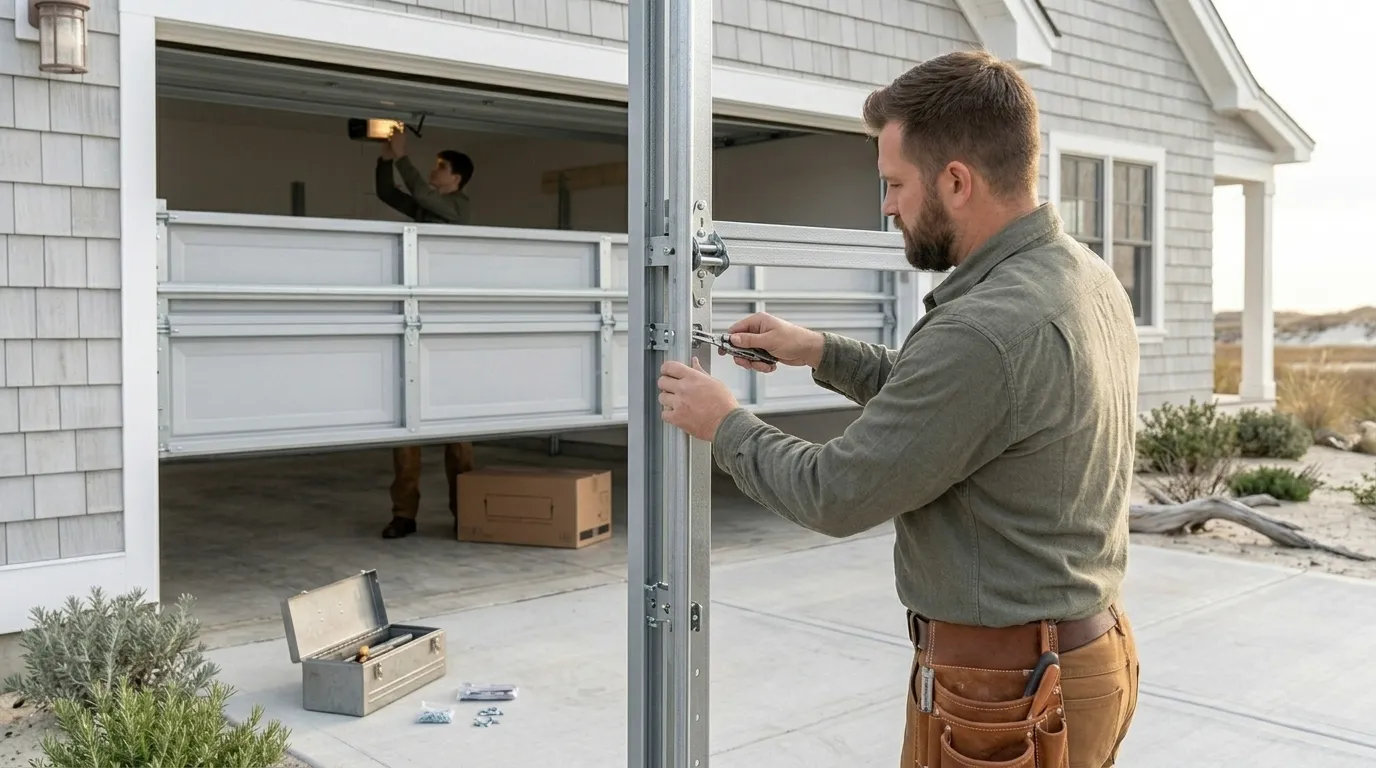
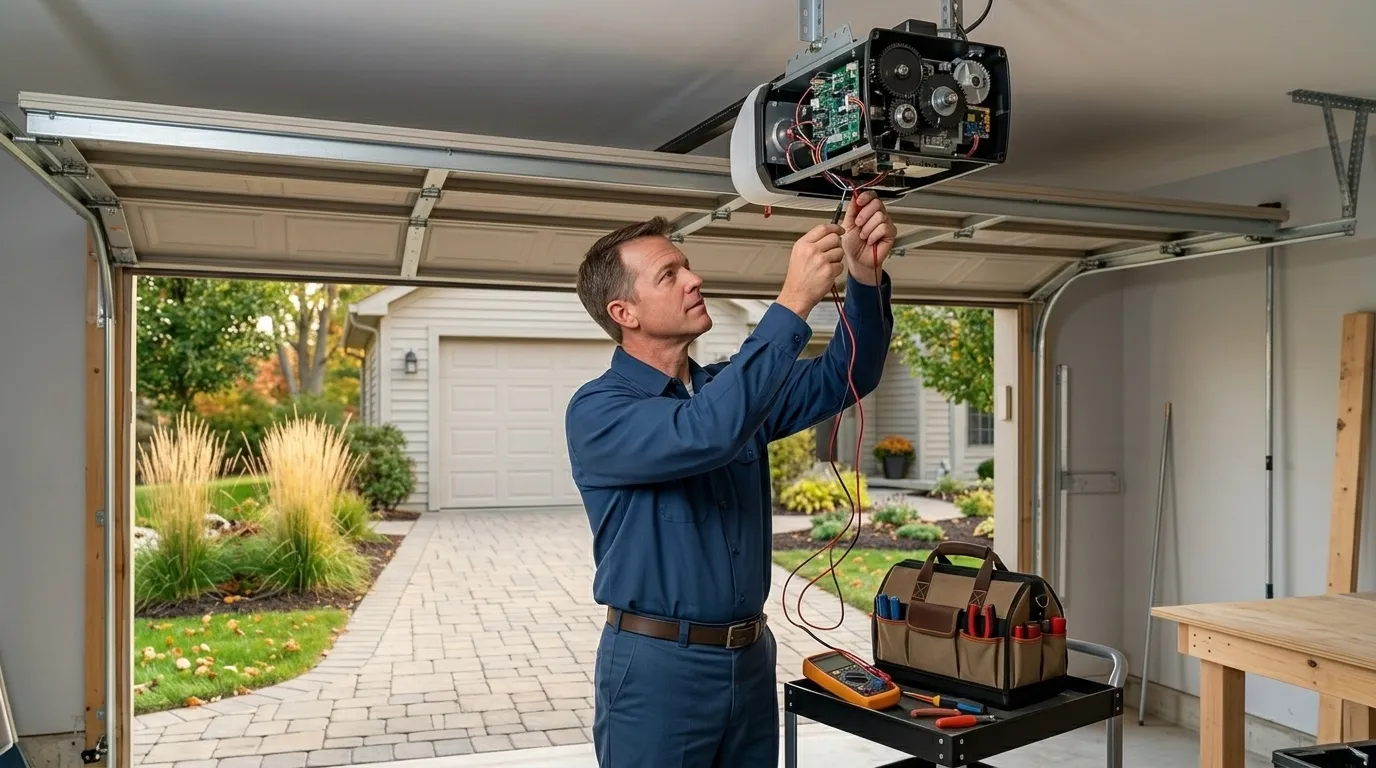
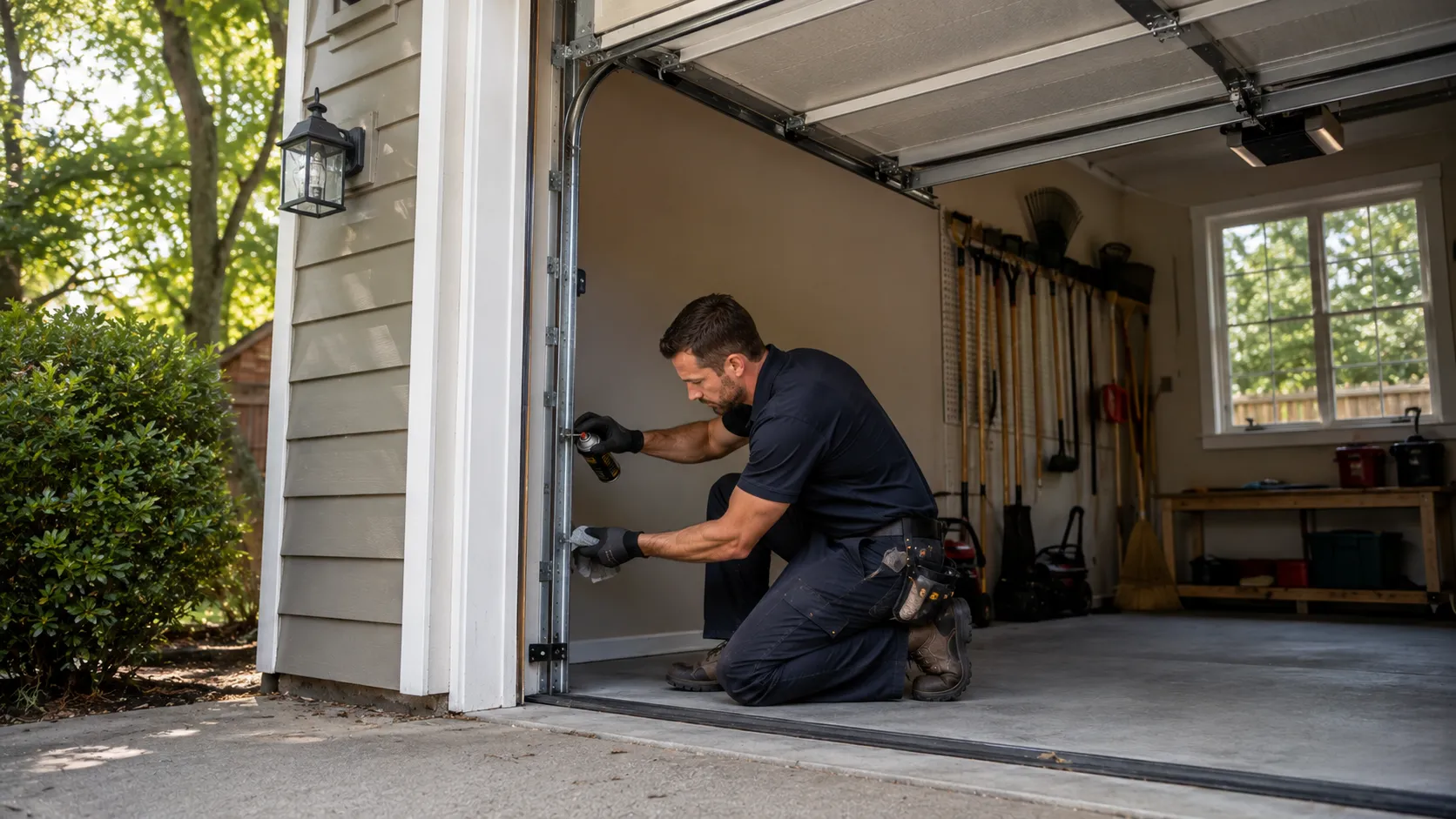
A maintenance visit here isn't generic. Marysville's median home dates to 1978, the same year that anchors the wider service area's housing stock, so a lot of the doors we open are original steel sectional doors on torsion or extension spring setups that are now pushing fifty years old. We check spring tension and coil wear first, because springs sized for a lighter door built in the 1970s often carry heavier insulated replacement panels installed later - a mismatch that shortens spring life fast. We lubricate rollers and hinges with the right grade for cold-weather use, inspect the track for the kind of hairline bends that come from years of a door dragging on a worn roller, and test the opener's force settings, since older openers were never calibrated for today's heavier doors. We're driving in from Port Huron, six miles out, so we bundle the full inspection into one visit rather than a quick once-over.
What You Pay
We don't have a flat maintenance price to quote you here, and we'd rather say that than guess. What we can tell you is what drives the cost: whether the door is still on its original 1970s-era torsion hardware or has been upgraded, how many springs need adjustment versus replacement, and whether the opener's force and limit settings are off enough to need a full reset. A straightforward lubrication-and-inspection visit runs different than one where we find a cable close to fraying or a spring under uneven tension. Ask for the breakdown when we're on site - we'll tell you what's wear-and-tear maintenance and what's actually a repair before we touch anything.
How Long It Takes
Because the crew runs out of Port Huron, six miles to Marysville, we don't publish a fixed arrival window for this specific area - travel time depends on where the truck is that day. Once we're there, a standard maintenance visit on a single door takes less time than most homeowners expect, since it's inspection and adjustment rather than teardown. Where it runs long is on the older torsion setups common to the area's 1978 median build year: if the spring coil shows uneven wear or the drum needs realignment, that's additional time on top of the routine check. We'd rather take the extra time on the hardware than sign off on a door that looks fine and fails in the next cold stretch.
The DIY Question
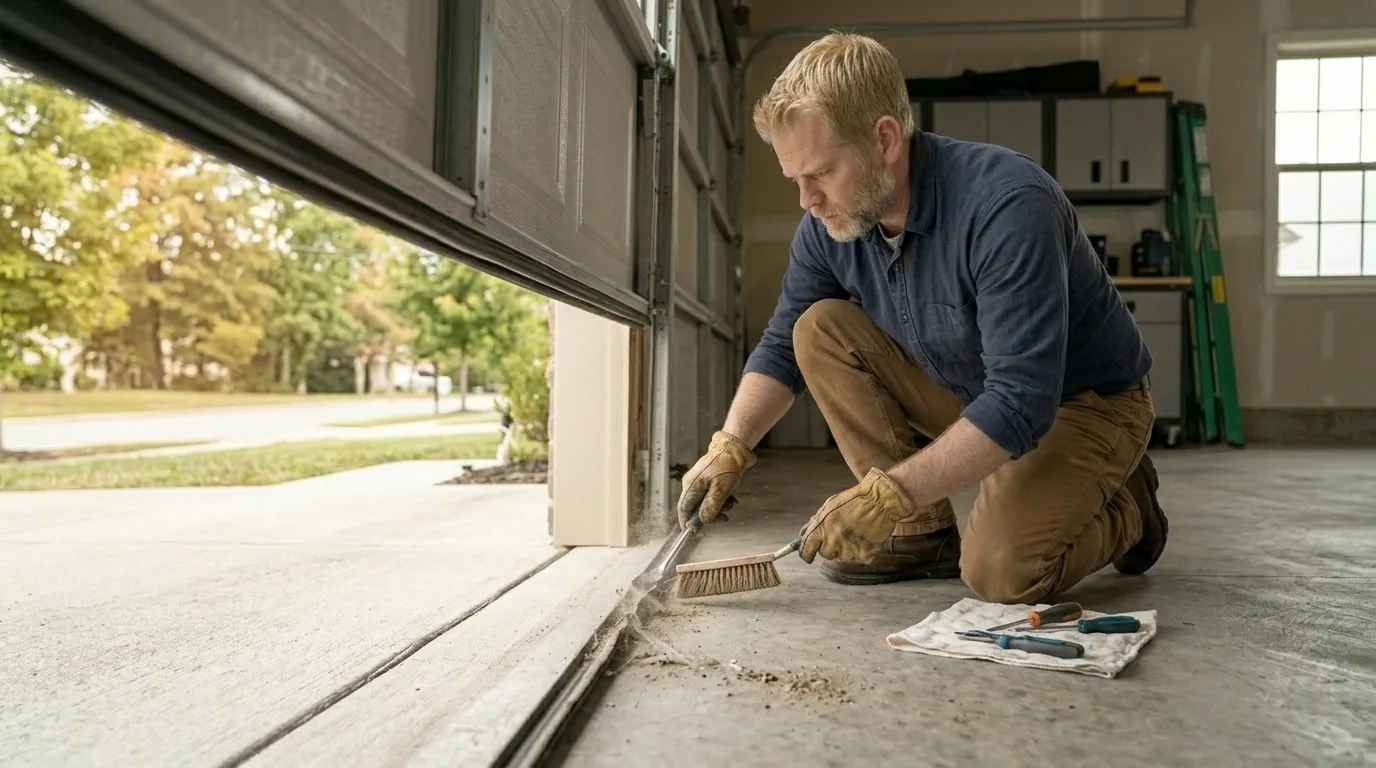
There's real maintenance a homeowner can do safely: wipe down and lubricate the tracks, check that the weatherstripping along the bottom panel still seals, and listen for grinding that signals a roller going bad. What we don't recommend doing yourself is anything involving the torsion spring - on a door this age, the coil is often under more tension than a newer, lighter-rated spring, and it's not a place to learn on the job. If your opener's force setting feels off, that's also worth leaving to us rather than guessing at the dial, since setting it wrong can mask a bigger problem with the door's balance. Know the limit: cleaning and lubricating is yours to do; springs, cables, and track alignment aren't.